
Maasai & Samburu Cultural Visits
Back to Activities
Activity

Maasai & Samburu Cultural Visits

Samburu County, Masai Mara region 2-3 Hours

Experience Overview

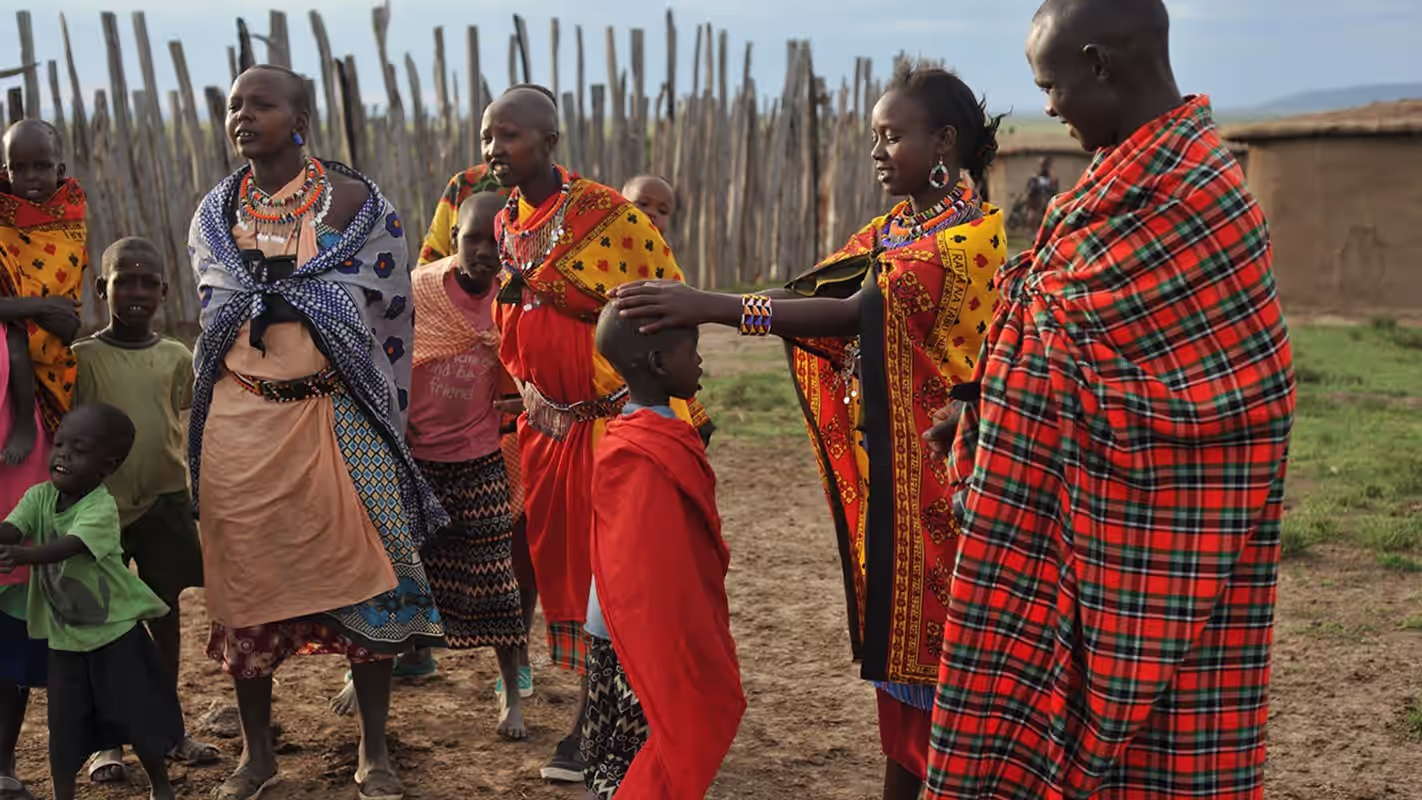
Cultural visits to Maasai and Samburu communities are among the most personally enriching and distinctively Kenyan experiences available to international visitors — offering authentic insight into two of East Africa's most resilient, culturally sophisticated, and visually striking indigenous pastoralist civilisations. The Maasai, with their instantly recognisable red-checked shukas, elaborate multi-layered beadwork jewellery, and centuries-old traditions of cattle herding, warrior society, and age-set ceremony, are Kenya's most iconic people — inhabiting the landscapes surrounding the Masai Mara, Amboseli, Laikipia, and the Rift Valley. A well-managed Maasai village (manyatta) visit — arranged through a responsible lodge with genuine long-term community relationships — introduces visitors to the circular structure of the enkiama homestead, the interior of a traditional mud-and-dung house, medicinal plant knowledge, fire-making techniques, and the communal role of cattle in Maasai spiritual and social life. The adumu jumping ceremony — warriors competing in a rhythmic, gravity-defying vertical leap while the group chants in competitive harmony — is one of Kenya's most extraordinary cultural performances. The Samburu, inhabiting northern Kenya around the Samburu and Buffalo Springs reserves, share cultural roots with the Maasai but have developed distinct beadwork traditions, camel-keeping practices, and ceremonial dress that reflect the harsher semi-arid environment they have occupied for centuries. Both communities increasingly integrate tourism revenues into education, healthcare, and women's enterprise programmes, making cultural visits a tangible force for community empowerment.

What to Expect & Prepare

What's Included

  • Contact us for details.

What to Bring

  • Standard travel gear.

Frequently Asked Questions

How can I ensure my cultural visit to a Maasai community is ethical?
Always book cultural visits through your lodge or camp, which should have established, long-term relationships with neighbouring communities and transparent revenue-sharing arrangements. Avoid spontaneous visits at park gates or roadside 'cultural villages' where practices may be staged for tourist consumption without genuine community benefit. Ask your camp about the percentage of visit fees going directly to the community fund.
What is the adumu jumping ceremony?
The adumu (also called the aigus) is the iconic Maasai warrior jumping ceremony, performed as both celebration and competition. Warriors form a circle and take turns leaping vertically as high as possible while the group chants in a distinctive, resonant call-and-response. The height of the jump reflects the warrior's strength and courage. The ceremony is performed at coming-of-age celebrations, weddings, and — in adapted form — as a cultural demonstration for respectful visitors.
Are the Samburu and Maasai the same people?
No — they are distinct ethnic groups who share some cultural roots but have developed separately over centuries. Both are Nilotic-origin pastoralists with similar age-set social structures, warrior traditions, and cattle-centred cultures. However, the Samburu inhabit northern Kenya's semi-arid landscapes and have incorporated camel herding into their livelihood; their beadwork, dress, and ceremonial traditions are distinctly their own.
Can I buy Maasai beadwork directly from the community?
Yes, and this is strongly encouraged as the most direct economic benefit to artisans. Most village visits include a beadwork market where women's jewellery cooperatives display and sell bracelets, necklaces, earrings, and other items they have made personally. Prices are negotiable but it is respectful to pay fairly — these items represent many hours of skilled handwork and provide critical income for women's groups.
Is it appropriate to take photographs during a Maasai cultural visit?
Photography is welcome at most organised cultural visits, but it is essential to ask permission before photographing individuals, particularly women and elders. Many community members welcome a small photography fee (typically USD 1–2 per person photographed). Photographing sacred ceremonies or intimate domestic spaces should be avoided unless specifically invited. Always follow your guide's lead on photography etiquette.

Activity Location

Location & Access

Samburu County, Masai Mara region

Physical Intensity

Easy
Loading Map...
Experience Investment
$200.00Total Valuation
Adults
2
Children
0
Infants
0
Total Investment$200.00

Inclusive of all taxes & fees

Assistance

+255 754 004 223

Ethical

Standards

Safe &

Secure

Need Assistance?

Our experts are here to help you plan.

+255 754 004 223