
Experiences & Activities
Mafia Island, Tanzania
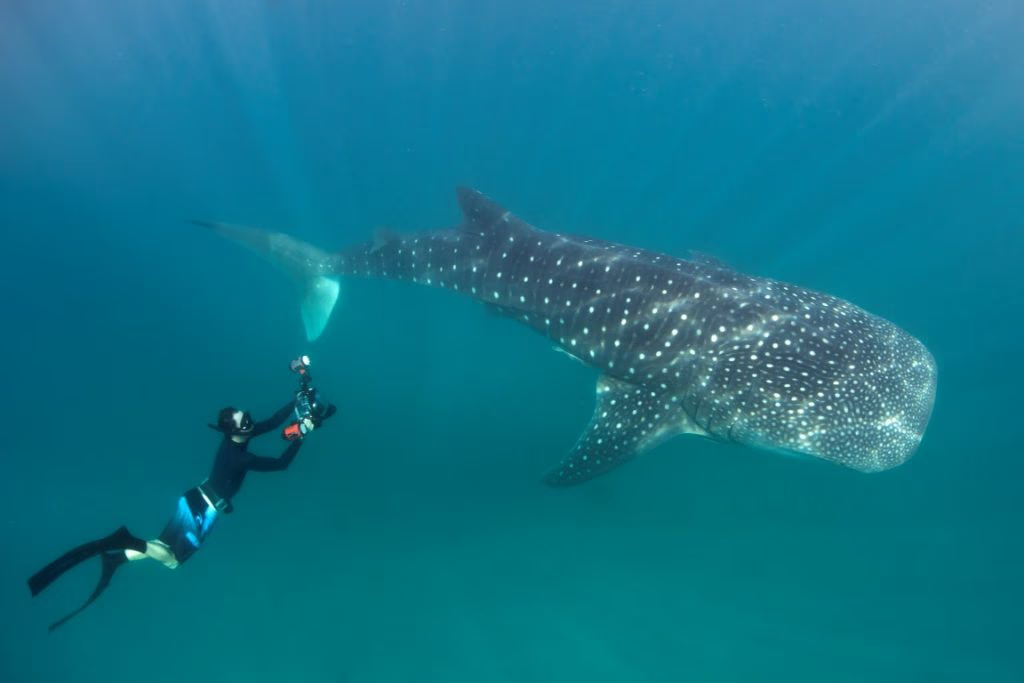
Head to the waters near Mafia Island for a once-in-a-lifetime experience swimming alongside the world's largest fish — the gentle whale shark. These magnificent creatures can reach lengths of over 20 meters, yet feed only on plankton and small fish, making it safe to join them in the water.Swim, snorkel, and observe these gentle giants up close, taking in their graceful movements beneath the surface. This unforgettable adventure is both thrilling and safe, offering a unique connection with one of the ocean's most impressive inhabitants.Important details* Duration: Half day* Seasonal: Typically November to March* Weather dependent
Learn More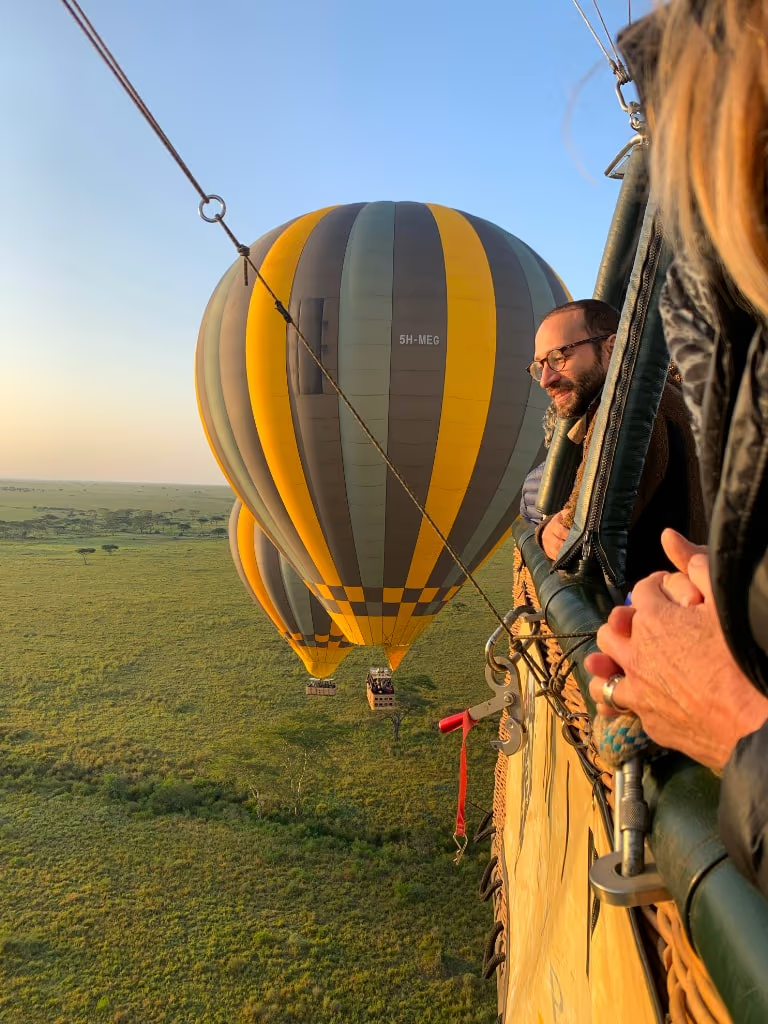
Serengeti National Park, Tanzania
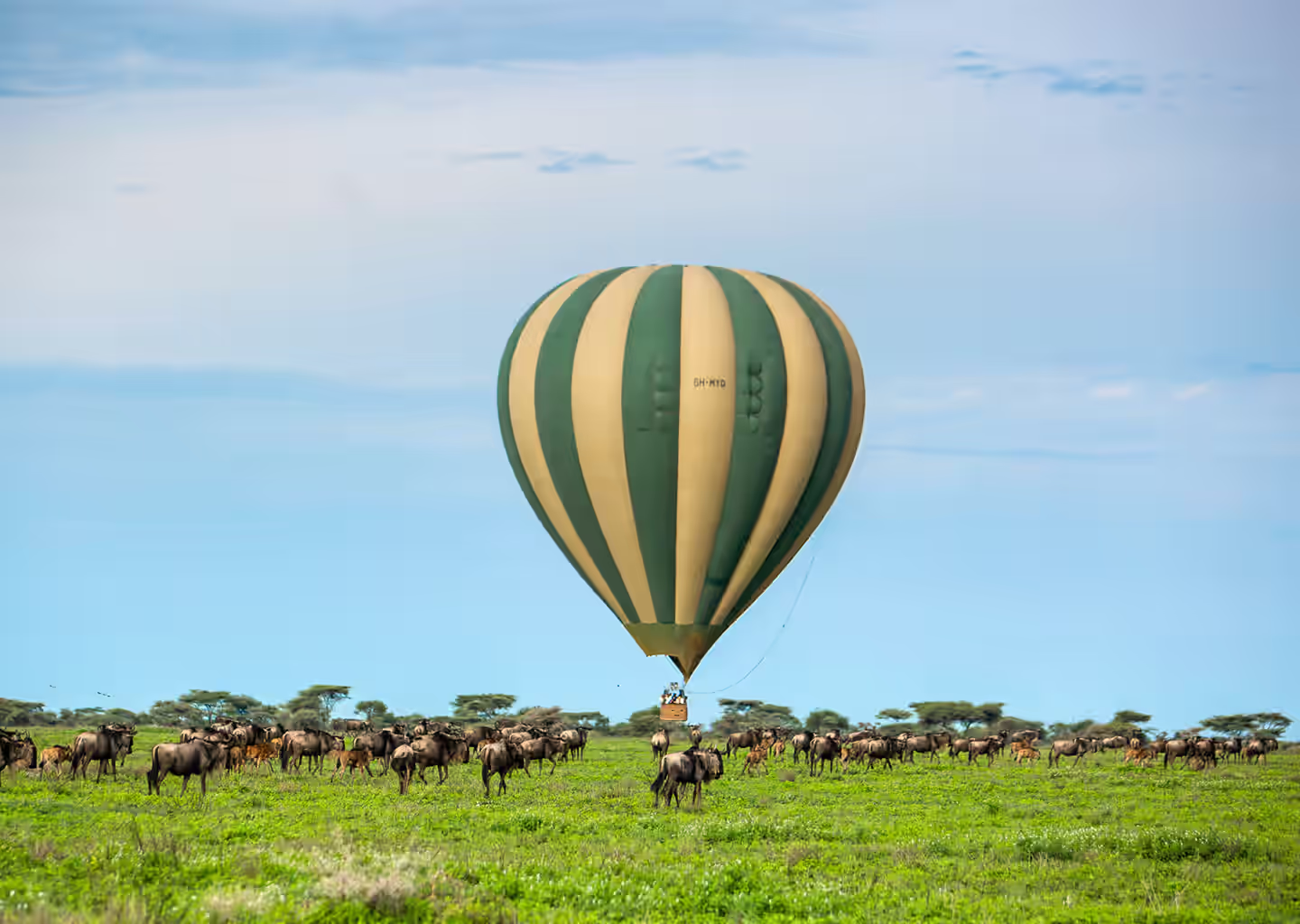
Embark on an unforgettable hot air balloon safari over the iconic Serengeti National Park. Witness the vast plains awaken as the sun rises, casting golden hues over herds of wildebeest, zebras, and other magnificent wildlife. This extraordinary aerial perspective offers unparalleled photographic opportunities and a serene, breathtaking view of one of Africa's most famous wilderness areas. Conclude your adventure with a champagne breakfast served in the bush, a perfect ending to a truly magical experience.
Learn More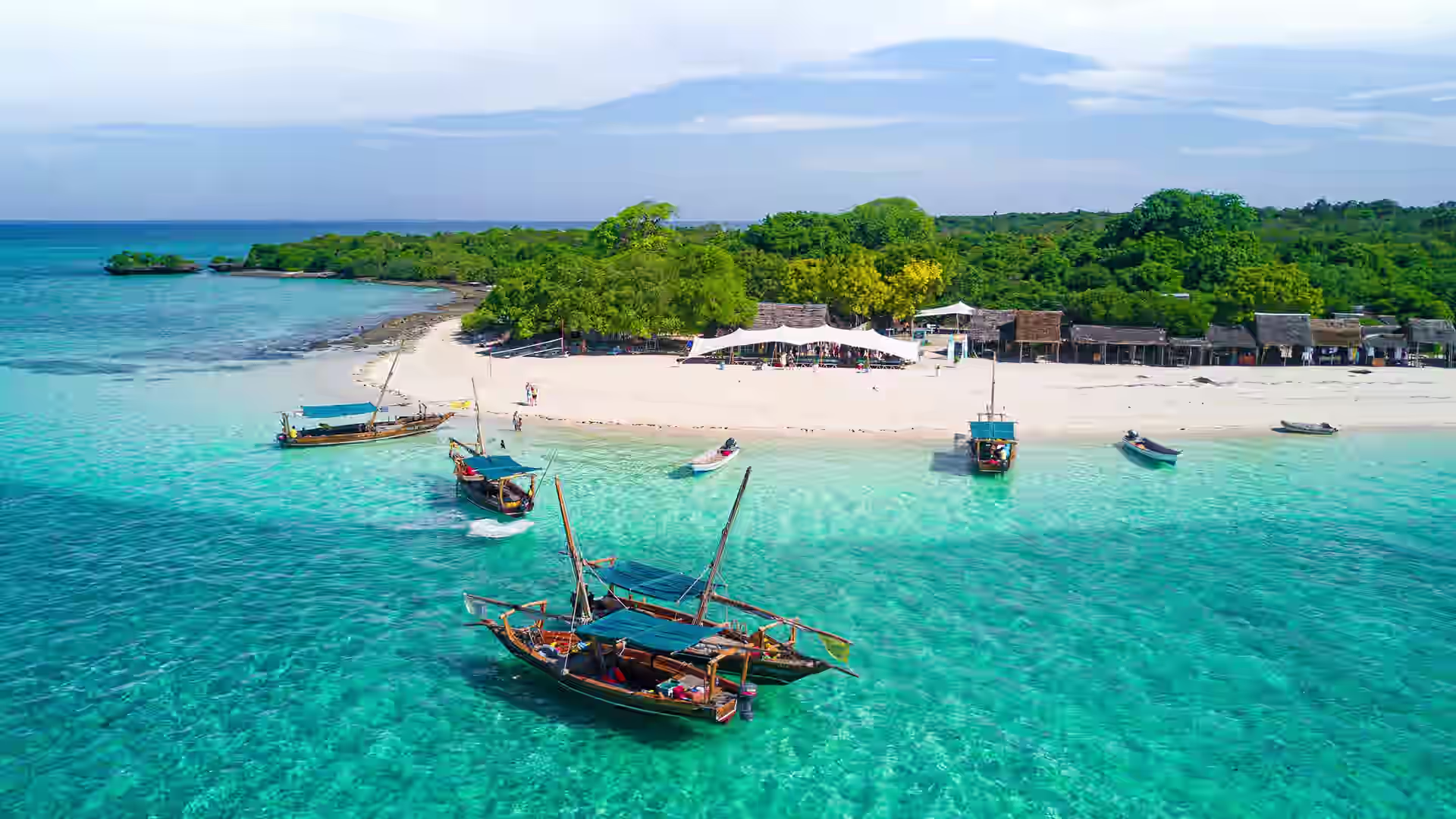
Chole Island
Located just a 10-minute boat ride from the main Mafia Island, Chole Island is a tiny, car-free sanctuary that feels as though time stopped centuries ago. Once a thriving trade hub for the Omani Sultanate, it is now a peaceful eco-haven known for its "Lost City" atmosphere where ancient ruins are entwined with the roots of massive fig trees.
Learn More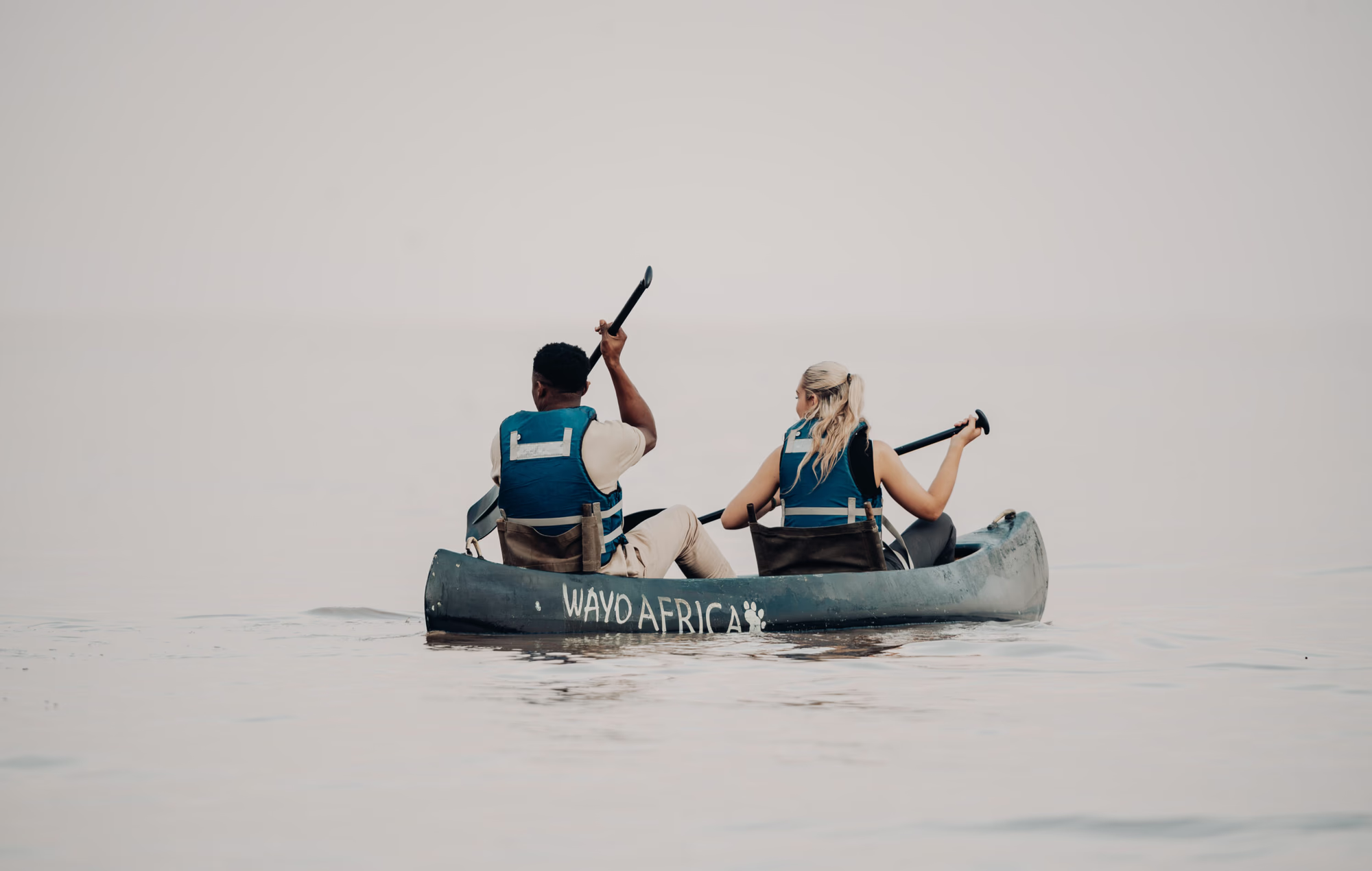
Endala Picnic Site, Lake Manyara National Park.
The adventure typically begins at the Endala picnic site within the park. After a safety briefing, you’ll board stable two-person fiberglass canoes led by a qualified guide. The route follows the lake's shallow edges, where you can observe wildlife coming to drink without the noise of a vehicle engine. You’ll likely paddle through marshes and saline flats, spotting giraffes, buffalo, and a vast array of birdlife, including pelicans and kingfishers. The experience highlights the geological curiosities of the Rift Valley, including the hot springs on the western shore.
Learn More
Tengeru Village, Arusha, Tanzania.
This experience offers a detailed look at Tanzania’s "green gold." You will walk through lush coffee plantations to learn about the planting, harvesting, and drying processes. Depending on the tour, you may visit a large-scale commercial estate to see modern processing or a small family-run farm to participate in traditional methods. You’ll have the chance to husk, roast, and grind beans using a traditional mortar and pestle, culminating in a fresh brewing session over an open fire and a professional "cupping" to identify local flavor notes.
Learn More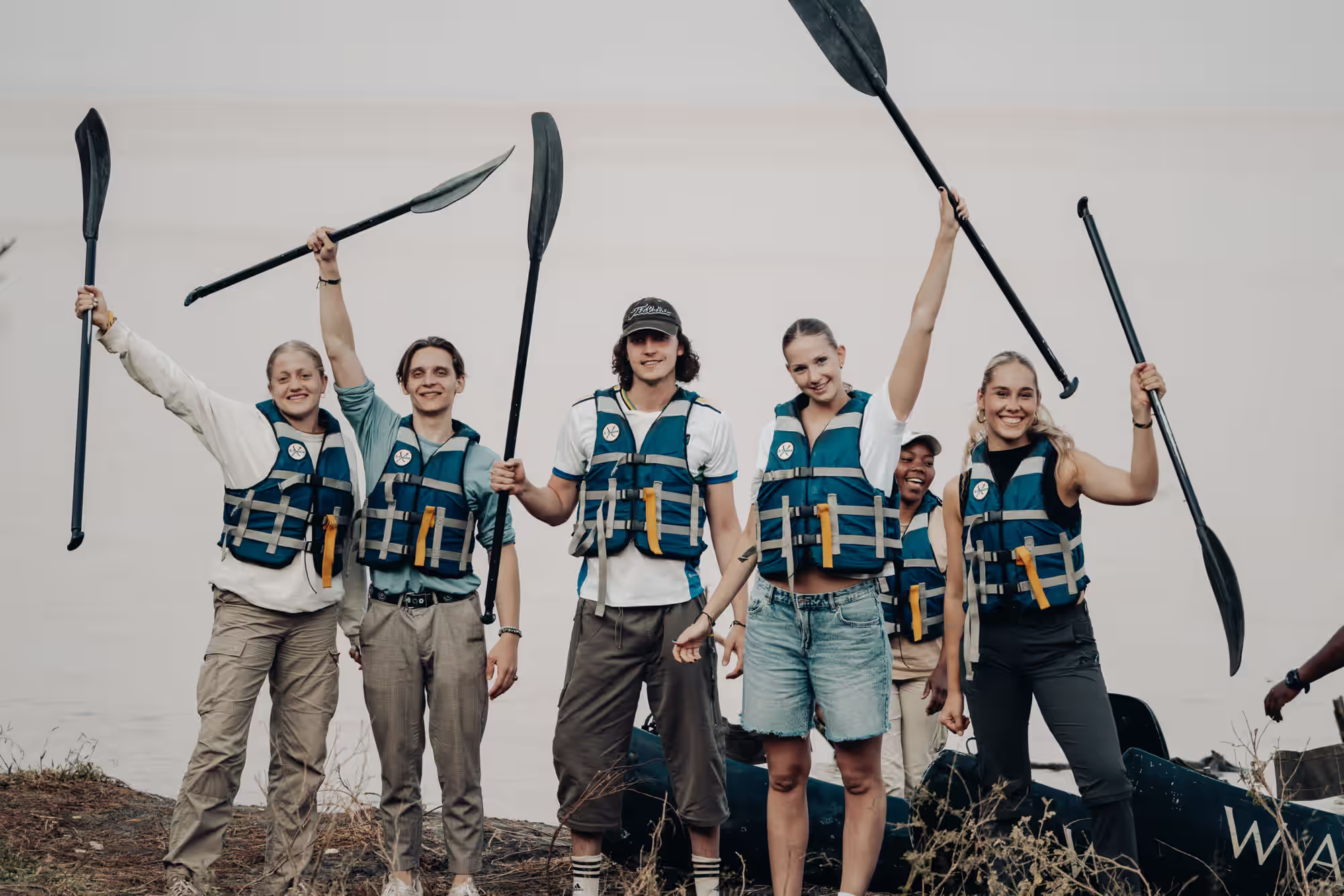
Small Momella Lake, Arusha National Park, Tanzania.
The adventure begins at the shores of Small Momella Lake, where you'll meet your specialized guides. After a safety briefing and being fitted with life jackets, you’ll set off in stable, two-person fiberglass canoes. You will glide past pink flamingos feeding in the shallows and drift near the banks where waterbucks, giraffes, and zebras frequently come to drink. One of the unique thrills of this location is the chance to see hippos from a safe, respectful distance while on the water. The activity is silent and eco-friendly, allowing for incredible wildlife photography without the noise of a vehicle engine.
Learn More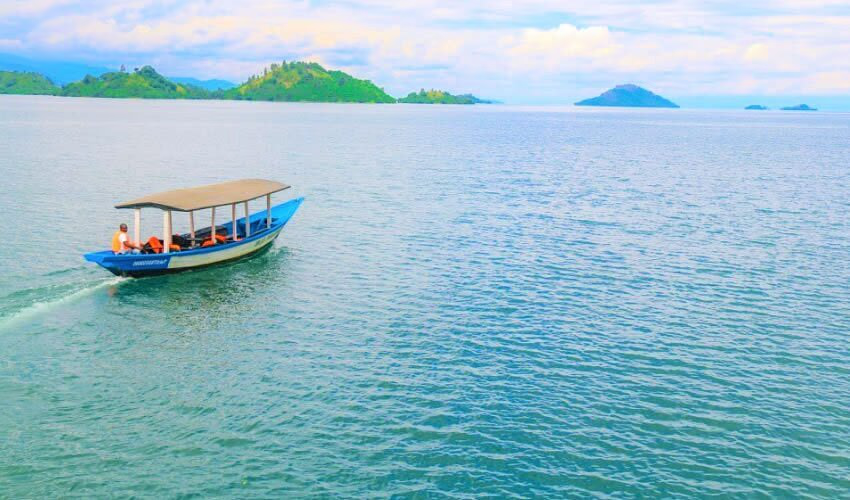
Lake Kivu, Rubavu / Karongi / Rusizi, Western Province
A Lake Kivu Boat Trip offers one of Rwanda's most scenic and relaxing experiences — gliding across the waters of one of Africa's Great Rift Valley lakes, surrounded by dramatic green hills, island archipelagos, and the misty peaks of the Congo-Nile Divide. Lake Kivu sits at 1,460 meters above sea level on the border between Rwanda and the DRC and is one of Africa's most beautiful lakes. Boat trips depart from the vibrant lakeside towns of Gisenyi (Rubavu), Kibuye (Karongi), or Cyangugu (Rusizi) and range from leisurely island-hopping excursions to full-day tours of the lake's most scenic bays and peninsulas. Highlights include visiting Napoleon Island, famous for its enormous bat colony, exploring fishing villages on the lake's islands, swimming in the calm blue waters (the lake is bilharzia-free), and enjoying sundowner drinks as the sun sets behind the Congolese mountains. Exclusive boat charters, romantic sunset cruises, and snorkeling trips are also available. The lake and its surrounding towns are a perfect multi-day relaxation destination, complementing the adventure of Rwanda's national parks.
Learn More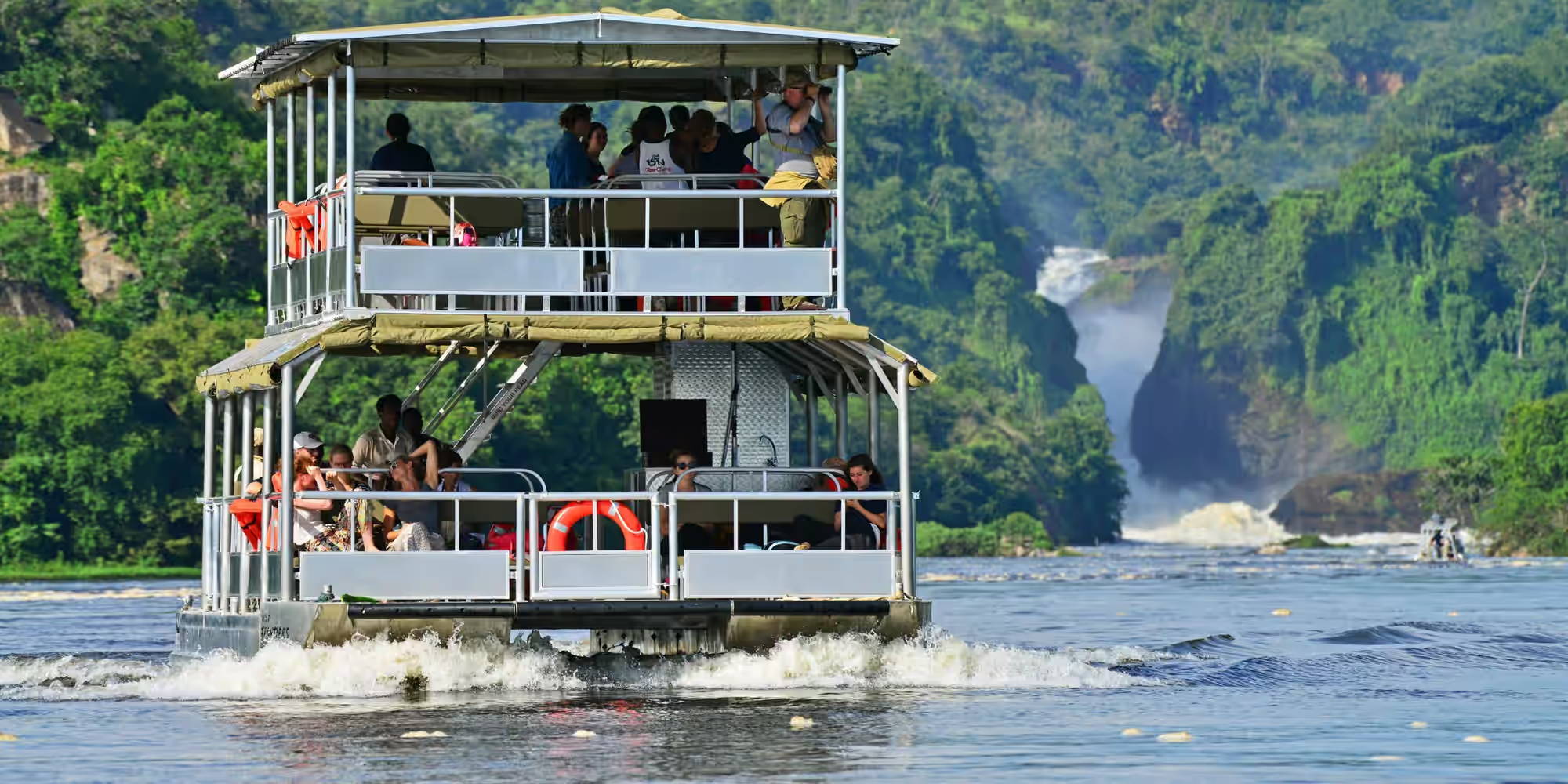
Paraa Jetty, Murchison Falls National Park.
Departing from Paraa, the boat cruise heads upstream toward the falls. As you navigate the gentle currents, the riverbanks reveal an incredible display of wildlife. You will pass massive pods of hippos, Nile crocodiles, and various water birds such as the Goliath Heron and the colorful Malachite Kingfisher. Elephants and buffaloes are frequently seen cooling off at the water's edge. The climax of the journey is the view from the "Boiling Pot," where the water churns with immense force at the foot of the falls. From here, you can feel the spray and hear the thunderous roar of the river.
Learn More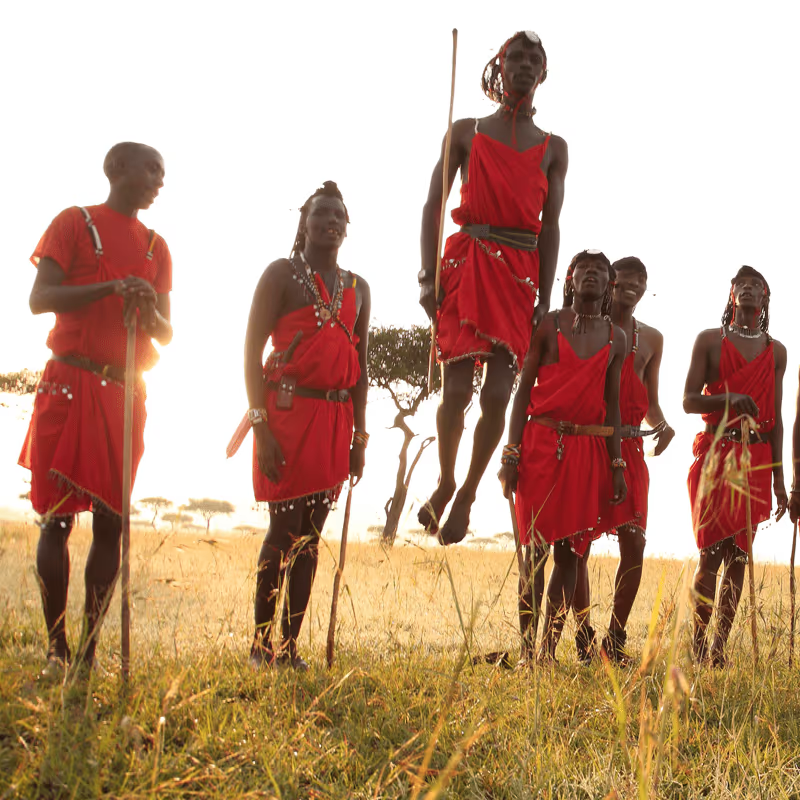
Ngorongoro Conservation Area, Arusha Region, Tanzania.
A visit typically begins with a high-energy welcome by Maasai warriors and women dressed in vibrant shukas (robes). You will witness the Adumu (the iconic jumping dance) and are often invited to join in. After the welcome, a resident guide—usually an English-speaking member of the community—will lead you into the boma, a circular arrangement of mud-and-stick houses protected by a thorn fence. You can step inside a traditional home to see the layout, learn about their cattle-centric economy, and observe skills like traditional fire-making or beadwork. Many visits also include a stop at a local nursery school where children share songs and lessons.
Learn More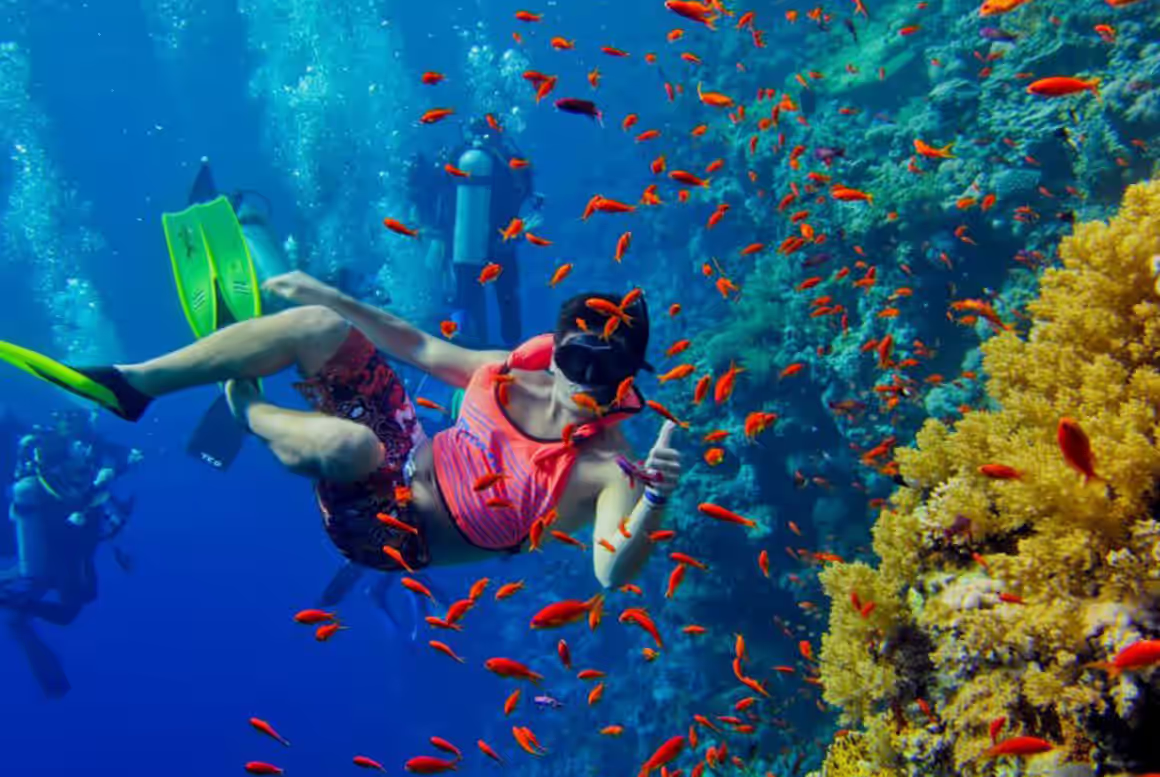
Marine Reserve Area
The experience typically begins with a boat ride from the Nungwi or Matemwe shores. Since the island itself is private, snorkeling takes place in the protected marine reserve surrounding it. You will drift over shallow coral gardens where visibility often exceeds 20 meters. The area is famous for sightings of the resident Indo-Pacific bottlenose dolphins, and you’ll likely see clownfish, moorish idols, and blue-spotted rays. Many tours include a stop at a nearby sandbank during low tide for fruit snacks and relaxation.
Learn More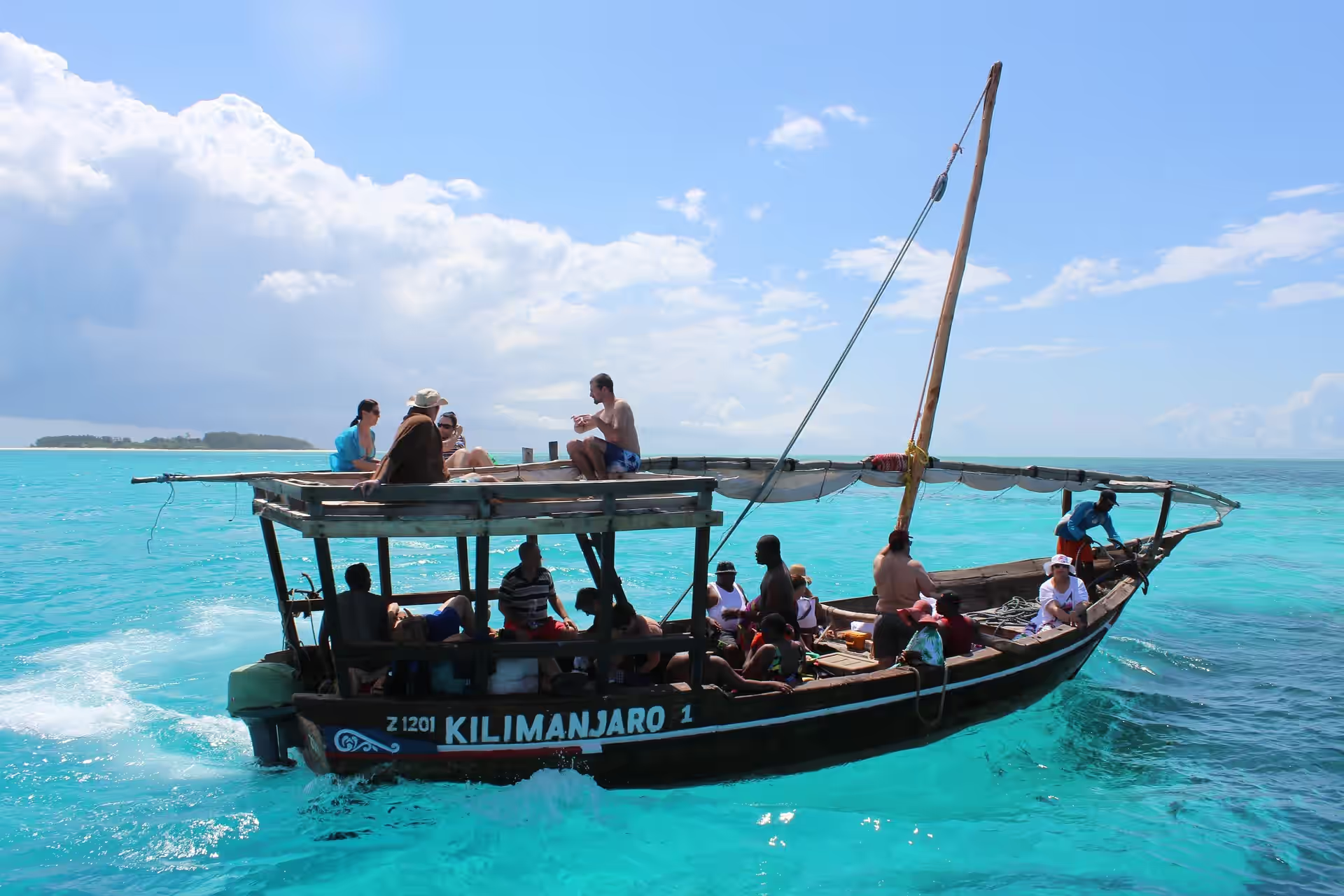
Stone Town Waterfront (Departure), Prison Island & Nakupenda Sandbank.
The tour begins with a 30-minute boat ride from Stone Town to Prison Island (Changuu). Originally built to house rebellious slaves and later used as a yellow fever quarantine station, the island is now most famous for its sanctuary of Aldabra Giant Tortoises, some over 190 years old. After feeding the tortoises and exploring the prison ruins, you sail to the Nakupenda Sandbank. "Nakupenda" means "I love you" in Swahili, and this pristine white sandbank emerges from the turquoise Indian Ocean only during low tide. Here, you can snorkel in crystal-clear waters while your crew prepares a traditional Swahili seafood BBQ under a shaded tent.
Learn More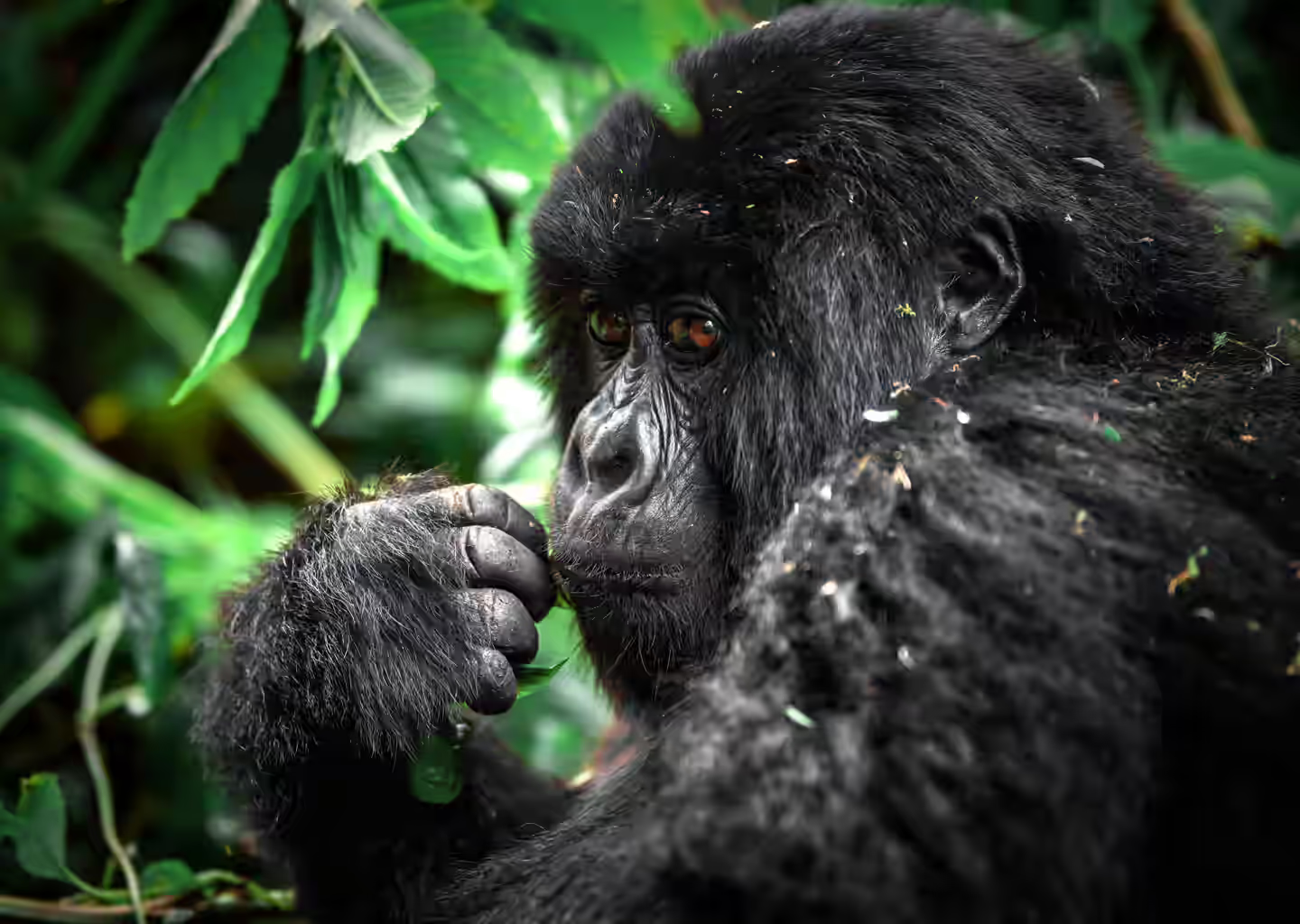
Rushaga sector, southern bwindi impenetrable national park.
Unlike standard trekking where you visit "habituated" groups that are already comfortable with humans, the habituation experience involves joining researchers, trackers, and rangers as they follow a "semi-habituated" group. your presence helps the gorillas get used to seeing people. you will observe the researchers' techniques, such as making specific vocalizations and maintaining non-threatening body language. because these gorillas are still learning to trust humans, they may be more mobile or shy, providing a raw and authentic look at their natural behaviors in the wild.
Learn More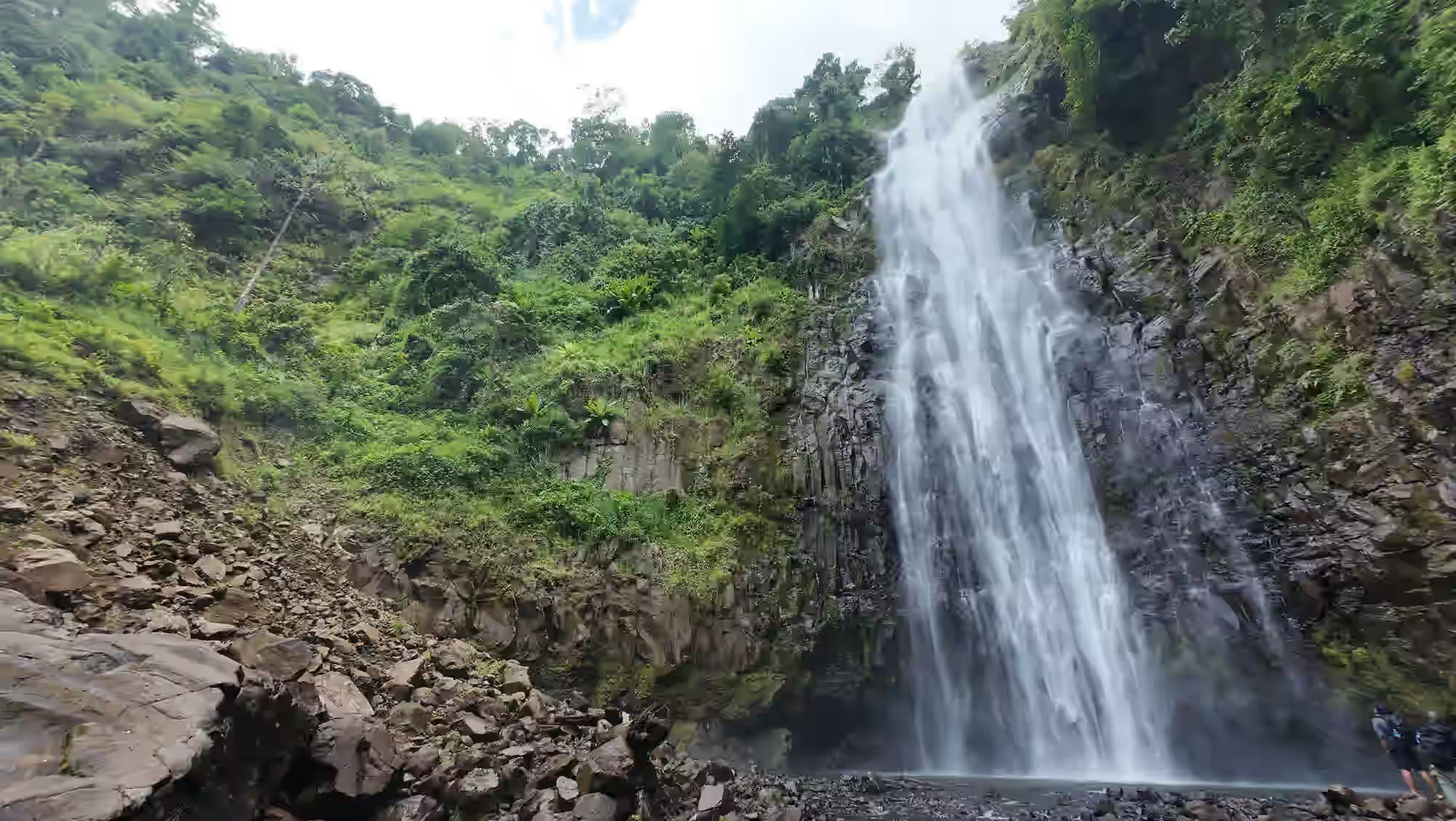
Materuni waterfalls, Moshi, Tanzania.
The day typically begins with a guided walk through the Materuni coffee plantations Click to open side panel for more information , where you will learn about the cultivation of organic Arabica beans. You’ll participate in the traditional processing—husking the beans with a mortar and pestle, roasting them over an open fire, and grinding them while singing traditional Chagga songs. After enjoying a fresh cup, you’ll embark on a scenic 45-minute hike through the rainforest to Materuni waterfalls Click to open side panel for more information . The trail crosses small streams and offers views of the valley before revealing the impressive 80-meter-high cascade. You can swim in the natural pool at the base or simply enjoy the mist and surrounding greenery.
Learn More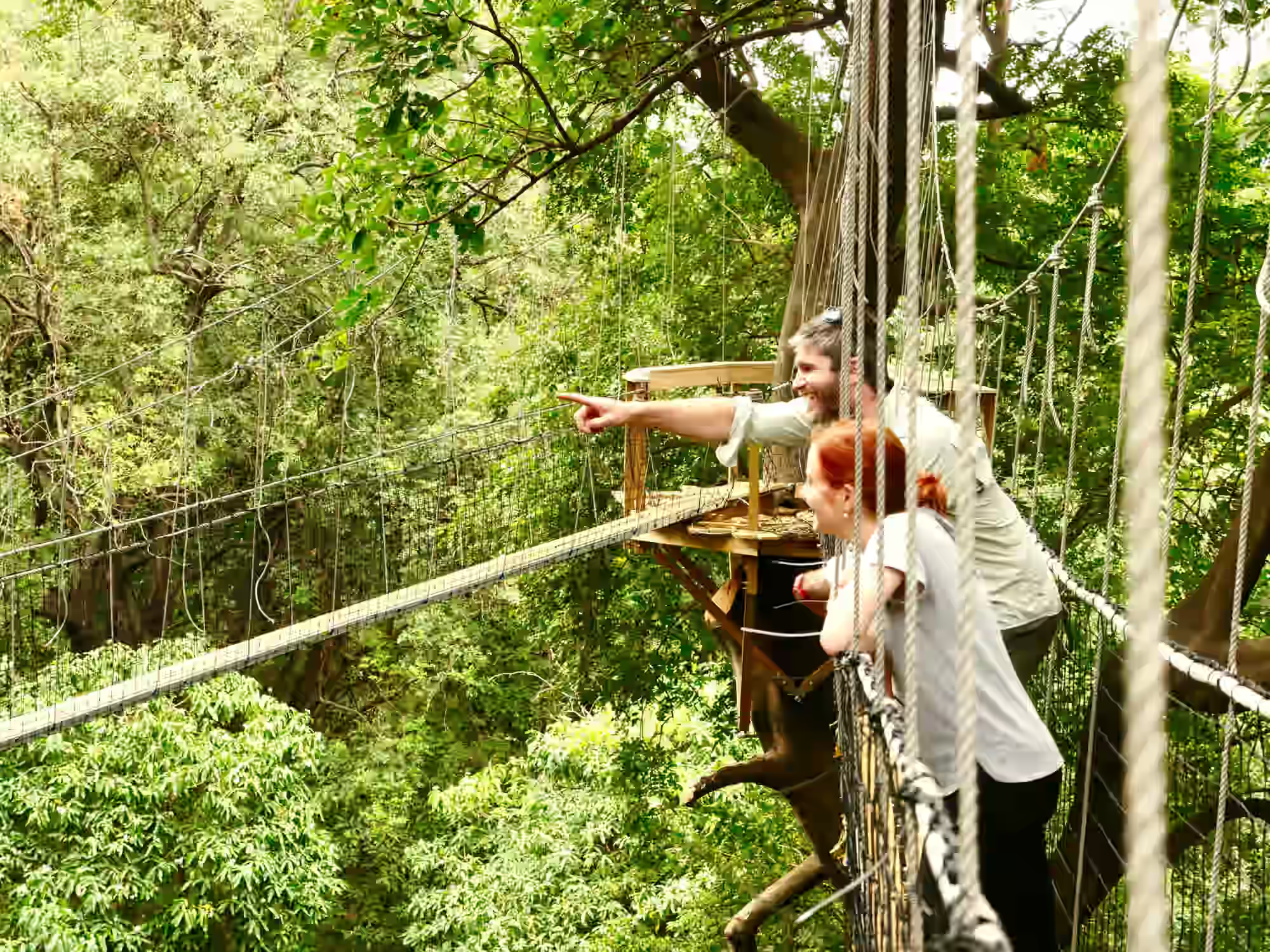
Lake Manyara Treetop Walkway, Manyara Region, Tanzania.
The walkway consists of a series of suspension bridges with secure netting, reaching a height of 18 meters (nearly 60 feet) above the ground. The trail is approximately 370 meters long, winding through the thick canopy of the Lake Manyara National Park Click to open side panel for more information forest. Each bridge ends at a viewing deck encircling massive tree trunks, where guides explain the forest's vertical ecosystem. You can expect to see blue monkeys, baboons, and a variety of colorful forest birds like the silvery-cheeked hornbill at eye level, while occasionally spotting elephants or bushbucks moving on the forest floor below.
Learn More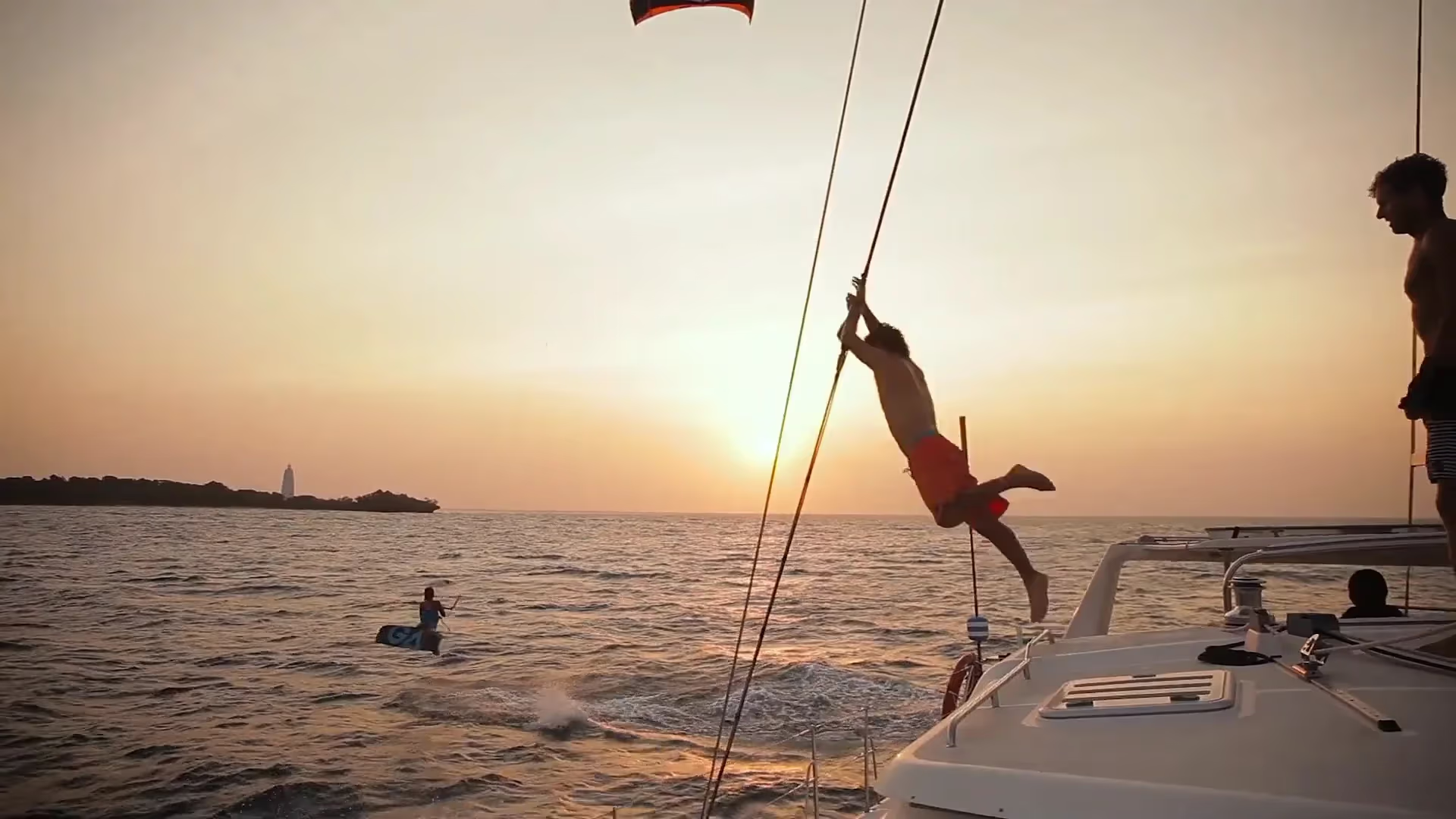
Nungwi / Kendwa Bay, Zanzibar.
The experience typically begins in the late afternoon at the Nungwi Beach shoreline, where you are ferried to a modern luxury catamaran or motor yacht anchored in the bay. As the yacht sets sail, you'll glide past the scenic coastline of Nungwi and Kendwa, often heading toward Tumbatu Island. Guests can relax on expansive trampolines or cushioned decks with chilled drinks and hors d'oeuvres. The highlight is the moment the sun dips below the horizon, painting the sky in shades of violet and gold, often accompanied by live acoustic music or a curated playlist.
Learn More
Arusha National Park
The journey typically begins at the Momella Gate Arusha NP, where you meet your specialized guide. The route winds through varied ecosystems, from the lush rainforests on the lower slopes of Mount Meru to open savannahs. You will track wildlife like Cape buffalo, giraffes, and zebras on foot, and look up to see the rare black-and-white colobus monkeys in the canopy. A highlight for many is the trek to Tululusia waterfall, a stunning natural feature tucked within the park's rugged terrain.
Learn More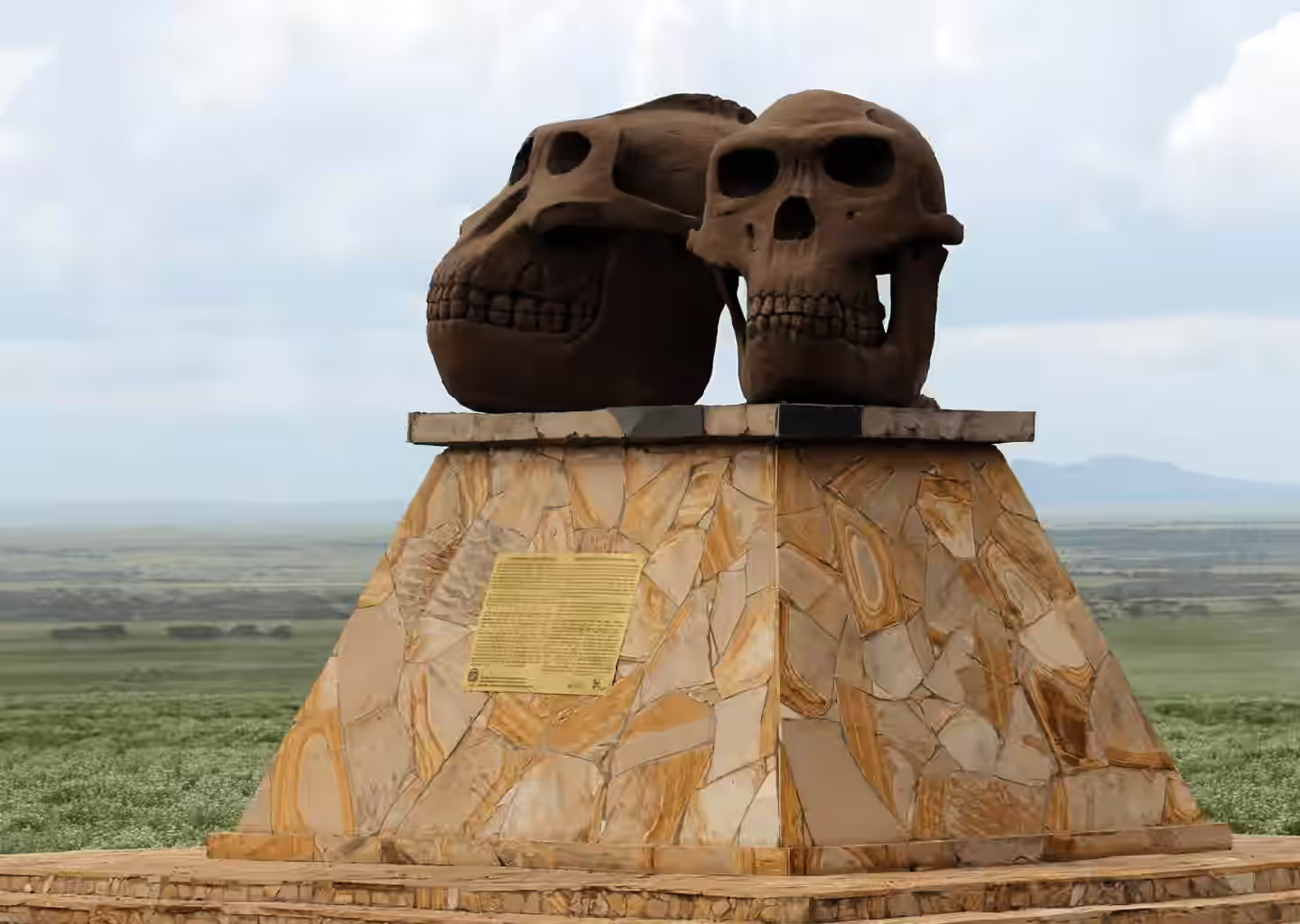
Between Ngorongoro Crater and Serengeti National Park.
A visit to Olduvai Gorge typically centers around the Olduvai Gorge Monument & Museum, situated on the rim of the steep-sided ravine. The site features a new, modern museum (opened in 2017) alongside the original structure founded by Mary Leakey. Exhibits showcase numerous fossils, stone tools, and skeletons of extinct animals excavated from the gorge’s distinct stratigraphic layers. You can see replicas of the famous Laetoli Footprints and learn about the groundbreaking discoveries of hominin species like Homo habilis and Paranthropus boisei (Zinjanthropus). Beyond the museum, visitors can take a guided drive down into the gorge itself to see the actual excavation sites where the Leakeys worked for decades.
Learn More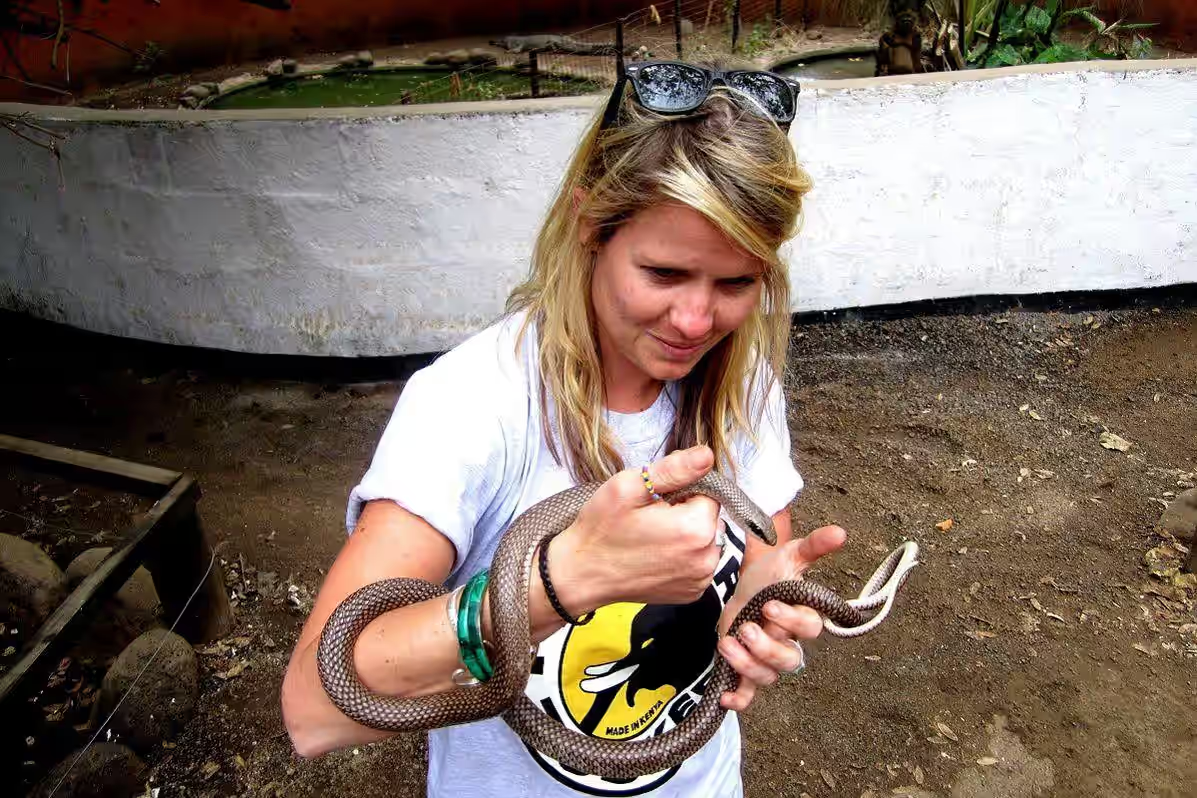
Arusha, Tanzania.
The park features a vast collection of reptiles indigenous to East Africa, including the Black Mamba, puff adders, and massive crocodiles. Highly knowledgeable guides lead you through the snake pits, often allowing for safe handling of non-venomous species. Adjacent to the reptile area is the , where visitors can see traditional tools, dress, and a mock boma. The experience is rounded out by the park's resident camels, which offer short rides across the local terrain, and a lively bar decorated with travel memorabilia from around the world.
Learn More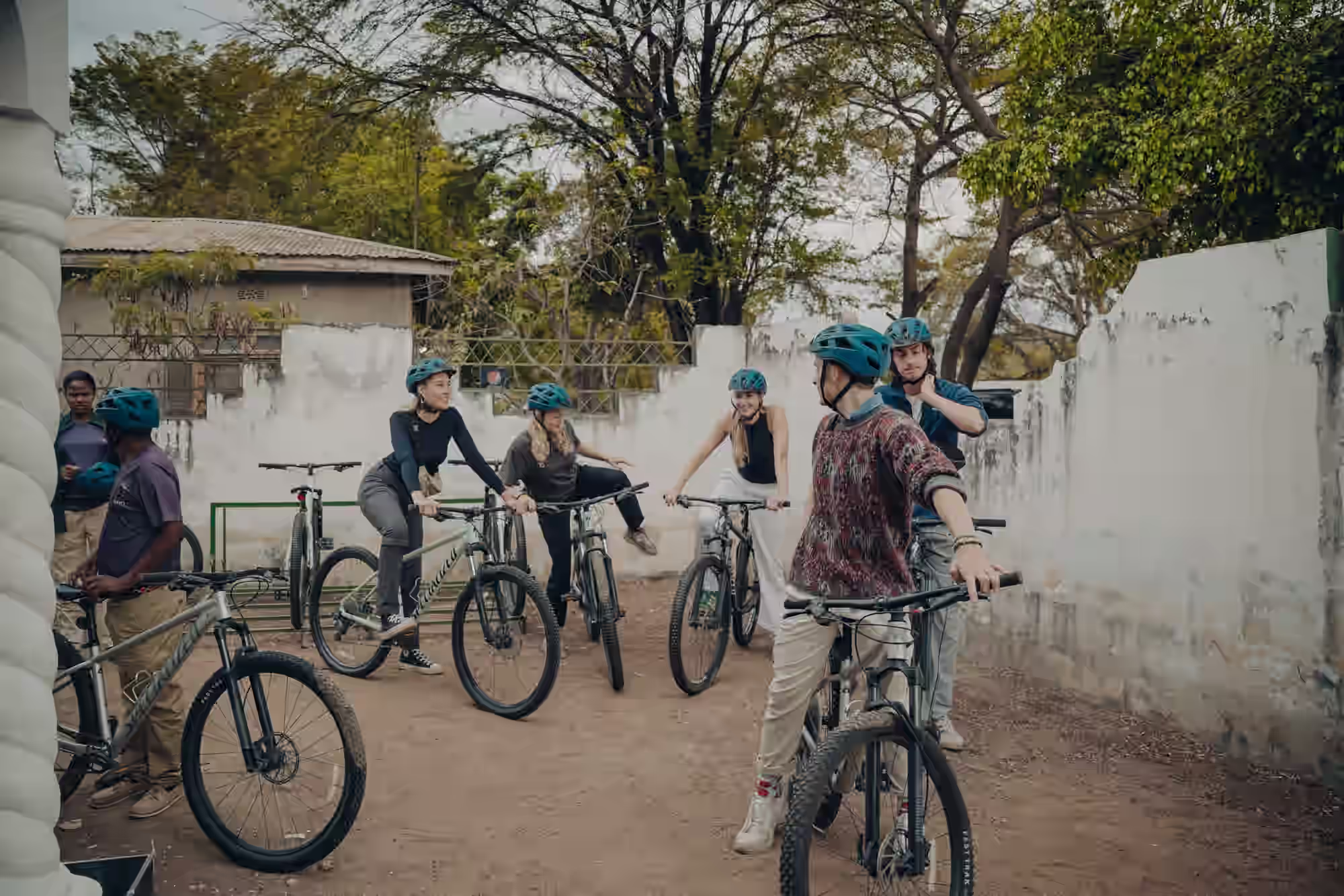
Mto wa Mbu Village, Manyara Region, Tanzania.
Guided tours typically start in the bustling center of Mto Wa Mbu Click to open side panel for more information . From there, you pedal along flat, dusty single-track trails that weave through lush banana and coffee plantations, rice paddies, and local farms. Most tours include stops at a traditional banana beer brewery to learn about the fermentation process, visits to woodcarving workshops of the Makonde tribe, and a stop at a local primary school. The ride often culminates at the lake shore of Lake Manyara National Park Click to open side panel for more information , where you can view wildlife such as wildebeests, zebras, and flamingos from outside the park boundaries.
Learn More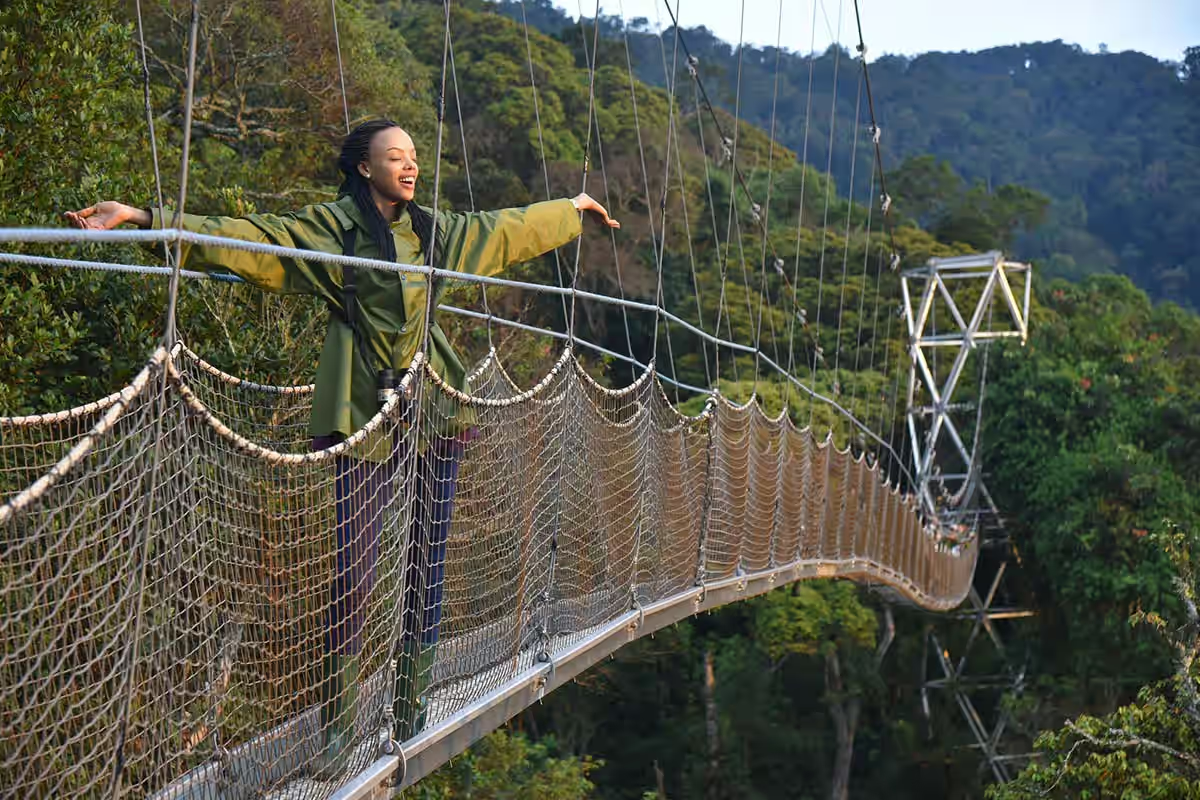
Nyungwe Forest National Park, Uwinka Visitor Centre
The Nyungwe Canopy Walk is one of Africa's most spectacular and unique ecotourism experiences — a suspension bridge walkway suspended up to 70 meters above the Nyungwe Forest floor, stretching 160 meters through the forest canopy. Built to international standards, the canopy walk offers a bird's-eye perspective of the ancient Afromontane rainforest, bringing visitors level with the treetops where birds, primates, and insects live. The experience begins with a guided nature walk along forest trails that are rich in birdlife, butterflies, and flora, culminating in the ascent to the canopy walkway. From the bridge, walkers can look across a seemingly endless carpet of ancient forest — one of Central Africa's largest montane rainforests — while listening to the symphony of bird calls and primate sounds below. The walk is excellent for spotting Nyungwe's remarkable birdlife, including endemics like the Rwenzori turaco and red-collared mountain babbler. The canopy walk is a highlight for birdwatchers, photographers, and anyone who wants to experience the forest from a completely different and awe-inspiring angle.
Learn More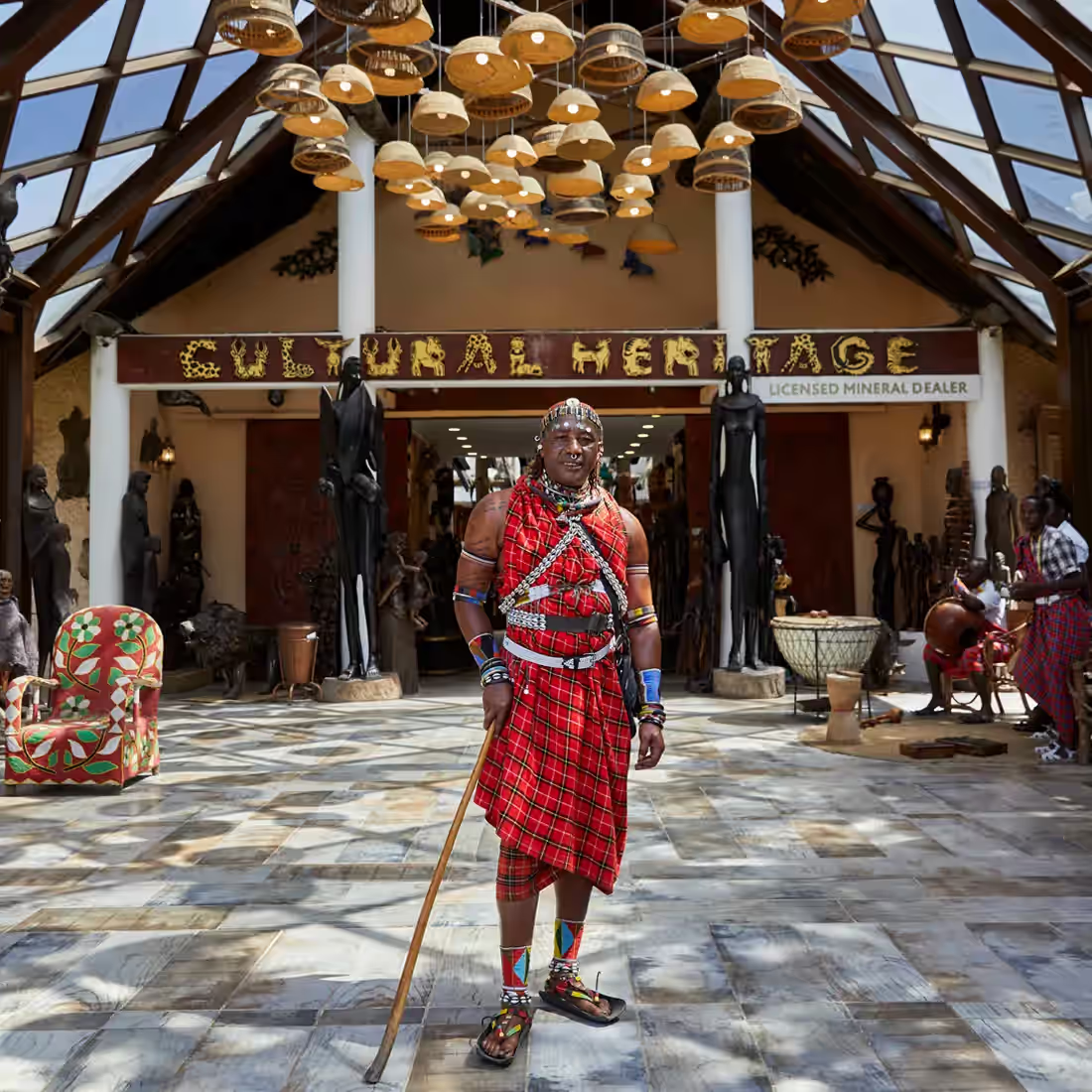
Arusha City Center, Tanzania.
This guided exploration covers the city's most significant landmarks and cultural centers. You will visit the Arusha Clock Tower (the symbolic midpoint between Cairo and Cape Town) and the German Boma, a historical fort turned museum. The tour dives into the sensory overload of the Central Market, where locals trade everything from exotic spices to vibrant textiles. You will also explore the Maasai Market for handmade crafts and conclude at the Cultural Heritage Centre, an architectural marvel housing one of Africa’s largest collections of traditional and contemporary art.
Learn More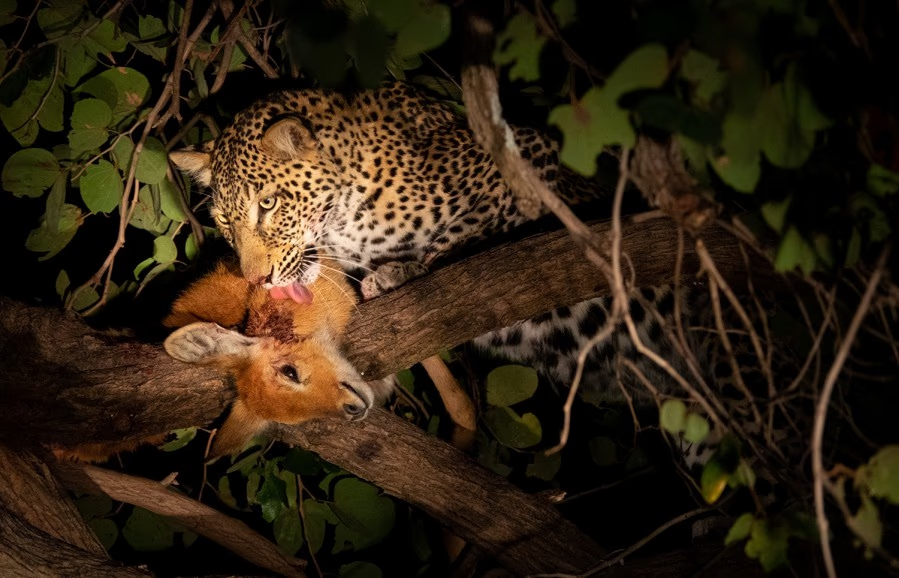
Ruaha National Park, Iringa Region, Tanzania.
The safari typically begins after an early dinner, departing from your lodge in a specialized 4x4 open-sided vehicle. A professional guide drives the vehicle while an armed park ranger or a specialized spotter uses powerful, filtered spotlights to sweep the landscape. The goal is to catch the "eye-shine" of animals that are rarely seen during the day. You may witness prides of lions preparing for a hunt, elusive leopards on the prowl, or smaller nocturnal species like honey badgers, civets, genets, and bat-eared foxes. The experience is heightened by the atmospheric sounds of the African night and the incredible clarity of the stars away from city light pollution.
Learn More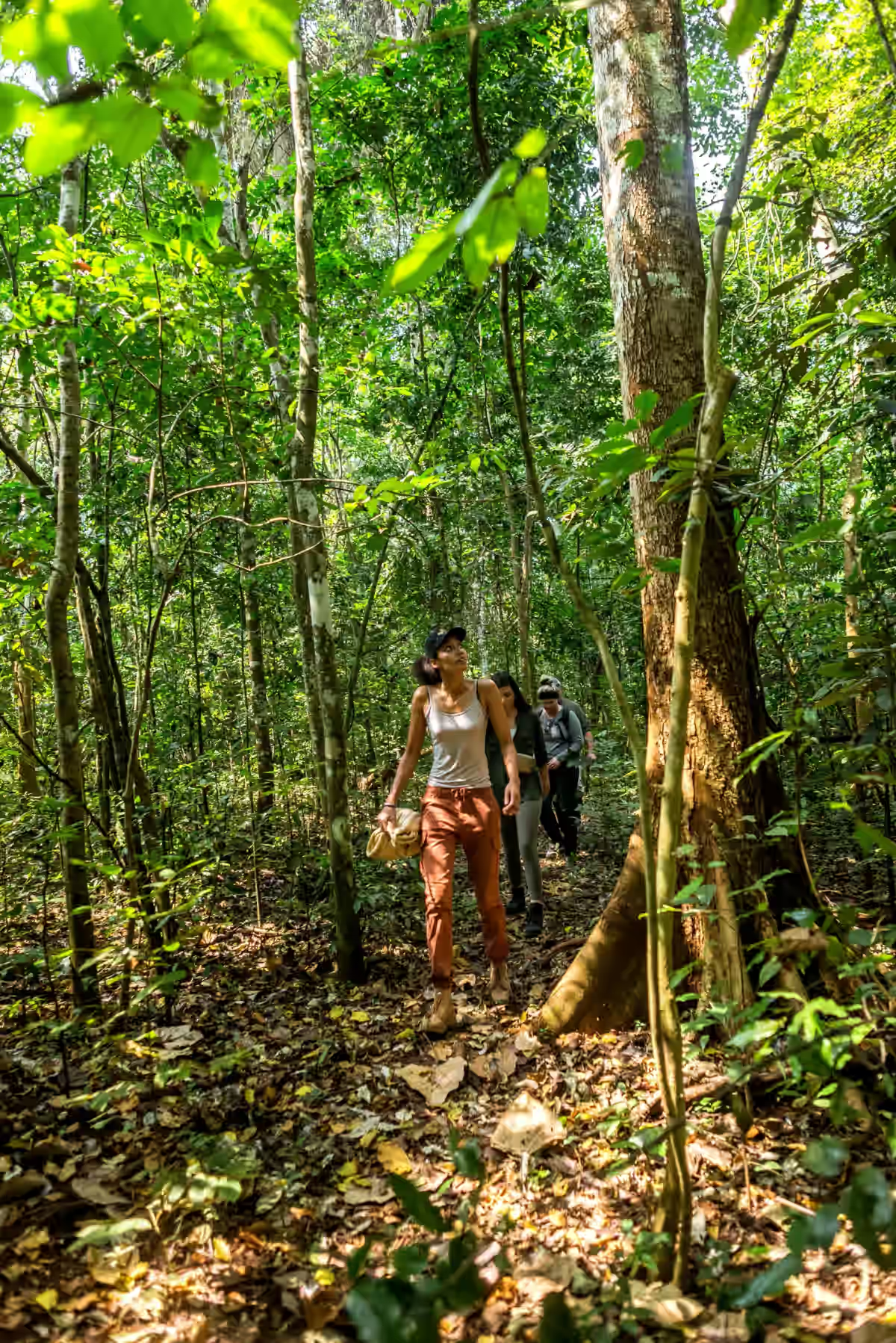
kanyanchu tourism center, kibale national park.
The adventure begins at the kanyanchu visitors center with a morning or afternoon briefing. you will be led by expert uganda wildlife authority (uwa) guides into the forest to find one of the three habituated communities. while chimpanzees spend much of their time in the high canopy, they often descend to the forest floor to socialise, groom, and travel. once located, you spend one hour observing their complex social dynamics, vocalizations (including their famous "pant-hoots"), and tool-using behaviors. the forest itself is a highlight, filled with ancient trees, butterflies, and 12 other primate species including red colobus and l’hoest’s monkeys.
Learn More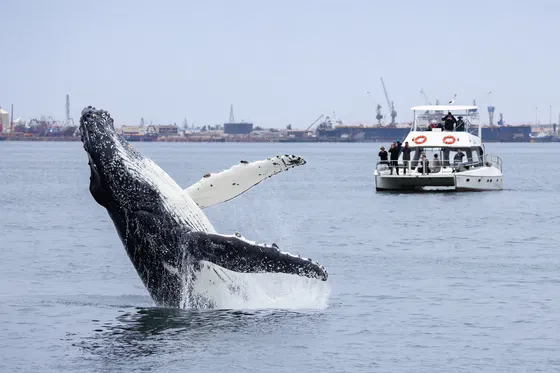
Walvis Bay Waterfront (Atlantic Street / Yacht Club Jetty), Walvis Bay, Namibia
Step aboard a spacious, twin-hulled luxury catamaran at the Walvis Bay Waterfront and set sail into the frigid, nutrient-rich waters of the Atlantic Ocean. This elite morning cruise is designed to showcase Namibia's "Marine Big 5"—Cape fur seals, bottlenose and endemic Heaviside’s dolphins, leatherback turtles, elusive sunfish (Mola mola), and majestic migrating whales (such as Humpback and Southern Right whales, primarily spotted between June and November).The adventure begins almost instantly. Before the boat even clears the harbor limits, bold and habituated Cape fur seals will regularly leap right onto the catamaran’s deck, looking for a fish reward and giving passengers an unforgettable up-close encounter. Elegant pelicans and swooping cormorants also glide alongside the vessel, occasionally landing on the railings to greet guests.As the catamaran cruises deeper into the bay, your expert marine guide will share insights into the bustling harbor logistics before steering towards the iconic Pelican Point peninsula. Here, you will view a massive, vocal colony of over 50,000 Cape fur seals splashing in the surf and sunning themselves on the sand beneath the historic cast-iron Pelican Point Lighthouse. Keep a sharp eye on the water trailing the boat; pods of playful dolphins frequently choose this area to surf in the catamaran's bow waves.The climax of the tour unfolds as the engines are dialed back to a gentle drift. Sheltered from the open ocean swells, the crew will serve a decadent, coastal lunch buffet on deck. Sip on perfectly chilled sparkling wine, enjoy light gourmet finger foods, and indulge in world-renowned, freshly harvested Namibian oysters. Savor this luxurious feast while surrounded by the raw, wild beauty of the Namibian coastline before a smooth sail brings you back to the waterfront.
Learn More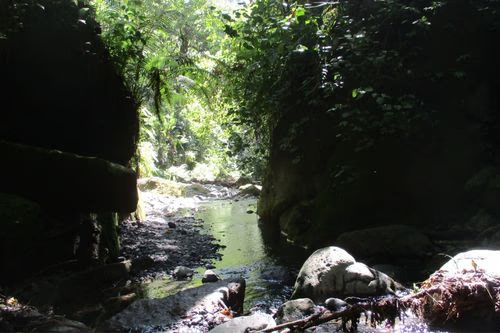
Napuru Waterfalls, Olgilai, Arusha, Tanzania.
The trek typically begins in the village of Olgilai. You will hike through local banana and coffee plantations, gaining insight into the Meru people's traditional farming life. As you enter the Mount Meru Forest Reserve, the trail becomes more rugged, following a river valley and requiring several stream crossings. The final approach involves navigating a narrow gorge where the sound of the falling water grows louder until the massive waterfall comes into view. The pool at the base is cold and refreshing, surrounded by moss-covered cliffs and ferns.
Learn More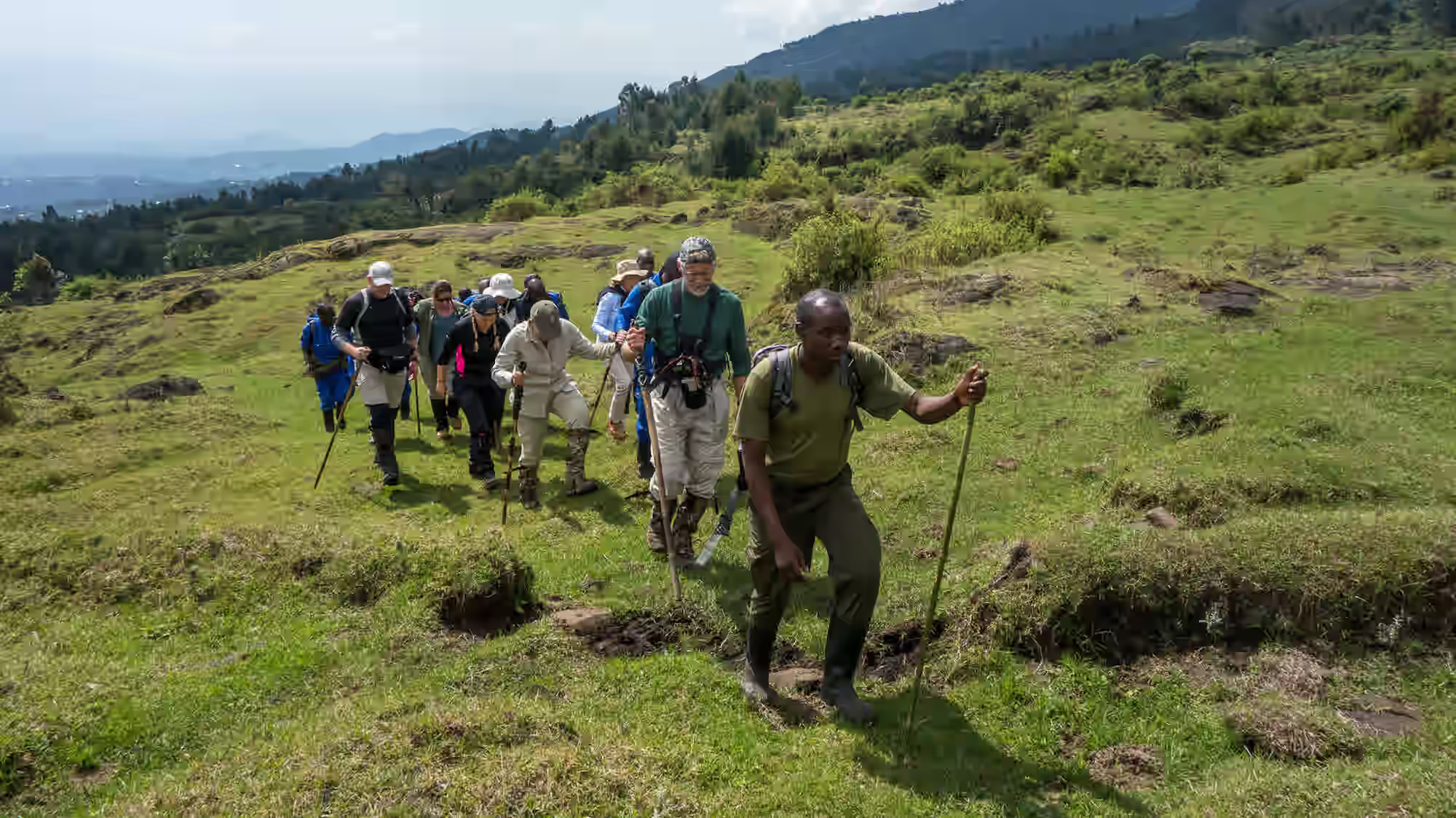
Volcanoes National Park, Musanze District, Rwanda
The Mount Bisoke Hike is one of Rwanda's most rewarding mountain adventures — a challenging but achievable ascent of an active stratovolcano (3,711m / 12,175ft) in Volcanoes National Park, crowned by a stunning crater lake at its summit. Mount Bisoke sits on the border between Rwanda and the Democratic Republic of Congo and is one of eight volcanoes that make up the Virunga chain. The trail passes through dense bamboo forest, giant lobelia, hypericum trees, and high-altitude moorland, offering dramatic scenery and opportunities to spot golden monkeys, buffalo, and a variety of high-altitude bird species along the way. The summit crater lake — a tranquil circular pool nestled in the caldera — is one of the most photographed sights in Rwanda. The hike typically takes 6–8 hours round trip and requires a Rwanda Development Board permit. Guided packages including transport from Musanze, a licensed guide, and a park ranger are available. This is a must-do experience for hikers, trekkers, and adventure travelers visiting northern Rwanda.
Learn More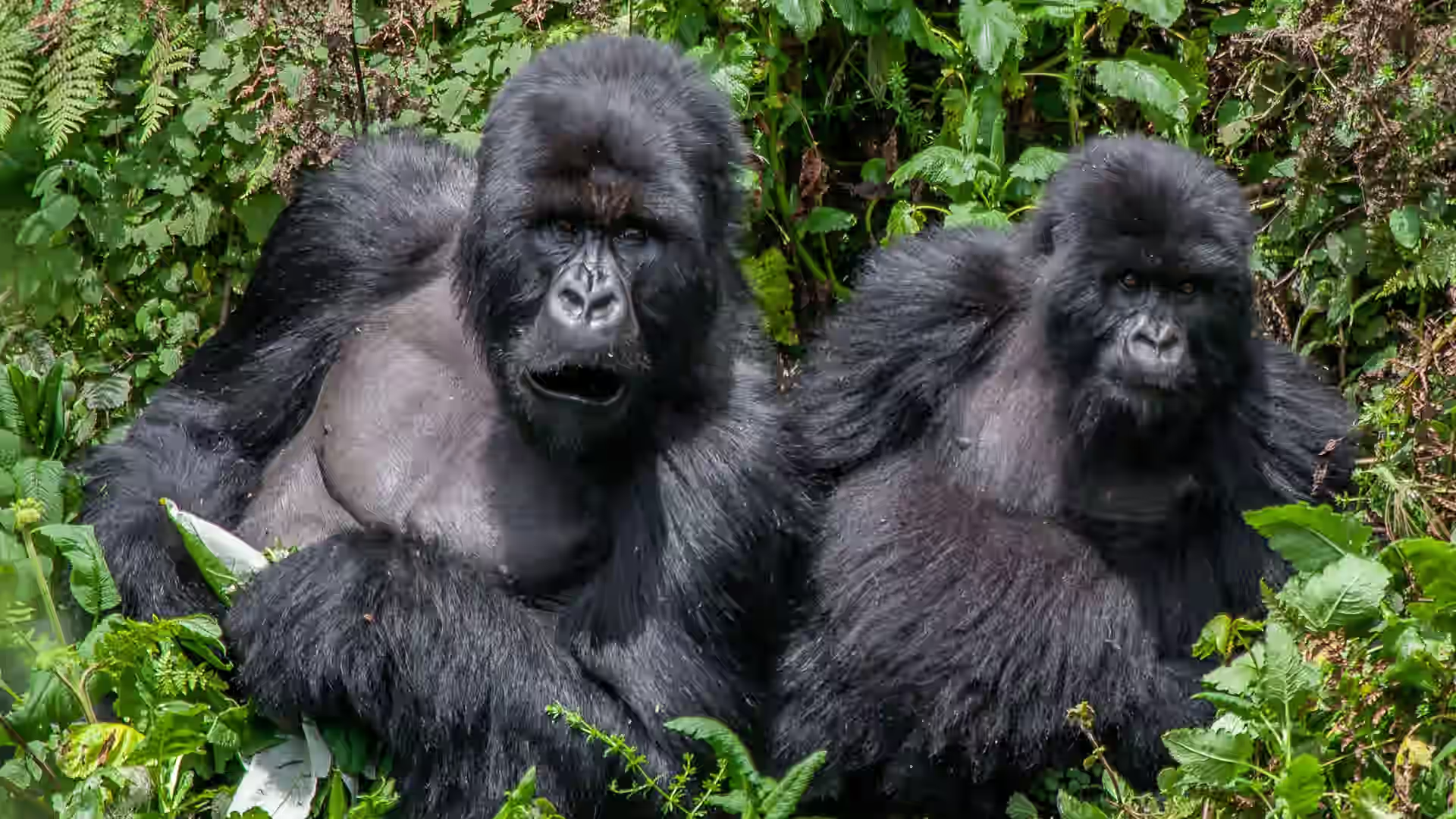
Volcanoes National Park
Mountain Gorilla Trekking in Volcanoes National Park is Rwanda's most iconic wildlife experience and a once-in-a-lifetime encounter. Led by expert guides and park rangers, participants hike through dense bamboo forests and volcanic terrain in the Virunga Mountains to locate one of the habituated gorilla families. Upon finding the group, visitors are granted a magical one-hour window to observe the gorillas up close in their natural habitat — watching silverbacks, mothers, and playful juveniles interact. The trek can range from 30 minutes to 6+ hours depending on where the gorillas are located that day. The experience is tightly regulated by the Rwanda Development Board to ensure the gorillas' safety and sustainability of the ecosystem. Trekkers are briefed at the park headquarters before departure, and a certificate of participation is awarded at the end. Revenue from permits directly funds conservation and community development, making this one of the world's most impactful eco-tourism activities.
Learn More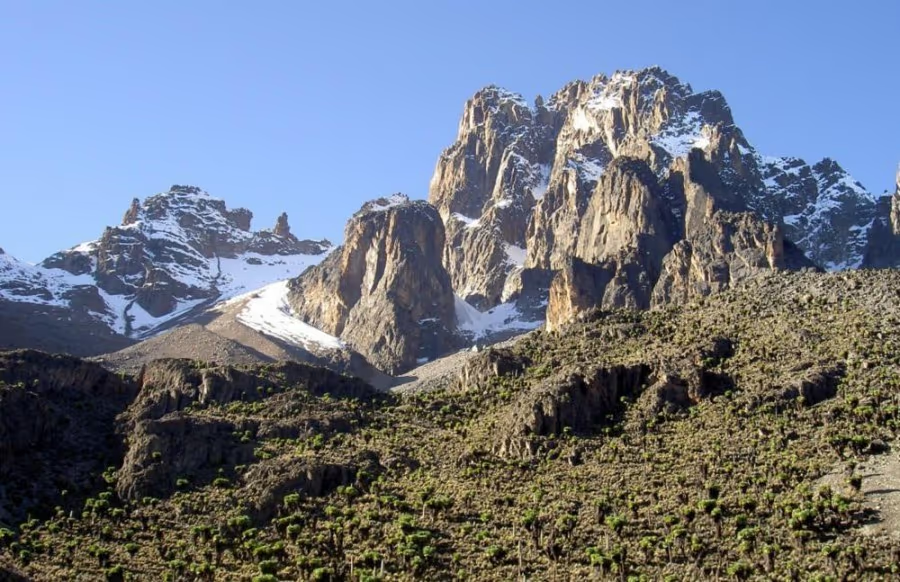
Mount Kenya National Park
Trekking Mount Kenya is one of East Africa's most rewarding and multi-dimensional outdoor adventures — a journey through five distinct ecological zones, from dense montane forest alive with wildlife through bamboo groves, heathland, extraordinary afro-alpine moorland, and finally the glaciated summit peaks that give Kenya its name. At 5,199 metres, Mount Kenya is Africa's second-highest mountain, a UNESCO World Heritage Site, and the sacred heartland of the Kikuyu, Meru, and Embu peoples. Three main trekking routes offer contrasting approaches: the Sirimon route on the northwest is the most gradual and recommended for acclimatisation; the Naro Moru route on the west is the most direct but steepest; and the Chogoria route on the east is universally considered the most scenically breathtaking, descending through the spectacular Hall Tarns and the giant lobelias of the upper moorland. Point Lenana at 4,985 metres — reached on the third or fourth day of a standard trek — is the highest non-technical summit and is accessible to any fit, determined trekker with proper acclimatisation. The pre-dawn summit push for sunrise views over the surrounding plains is a moment of intense personal achievement. The technical peaks of Batian (5,199m) and Nelion (5,188m) require multi-pitch rock and ice climbing skills and attract serious mountaineers from around the world, offering some of the continent's finest alpine routes.
Learn More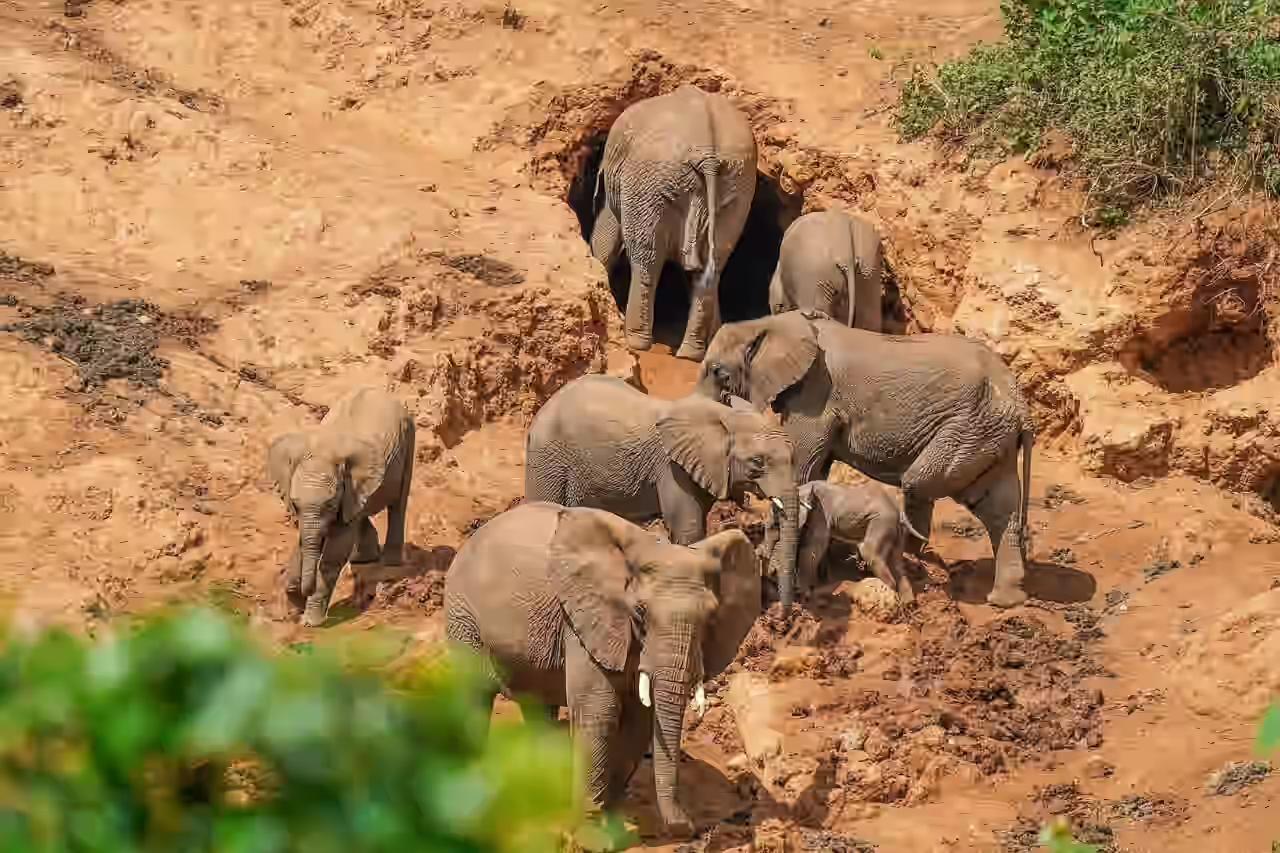
Endoro Trail / Elephant Caves, Karatu, Tanzania.
The trail winds through lush, primary forest where you can observe a variety of bird species, monkeys, and colorful butterflies. The "caves" are actually massive indentations in the hillside created by generations of elephants using their tusks to dig for mineral-rich soil. By eating the calcium-laden earth, the elephants strengthen their bones. It is common to see fresh tusk marks and footprints around the caves. Further along the trail, the Endoro Waterfalls cascade down a steep rock face, providing a tranquil spot for photos and rest.
Learn More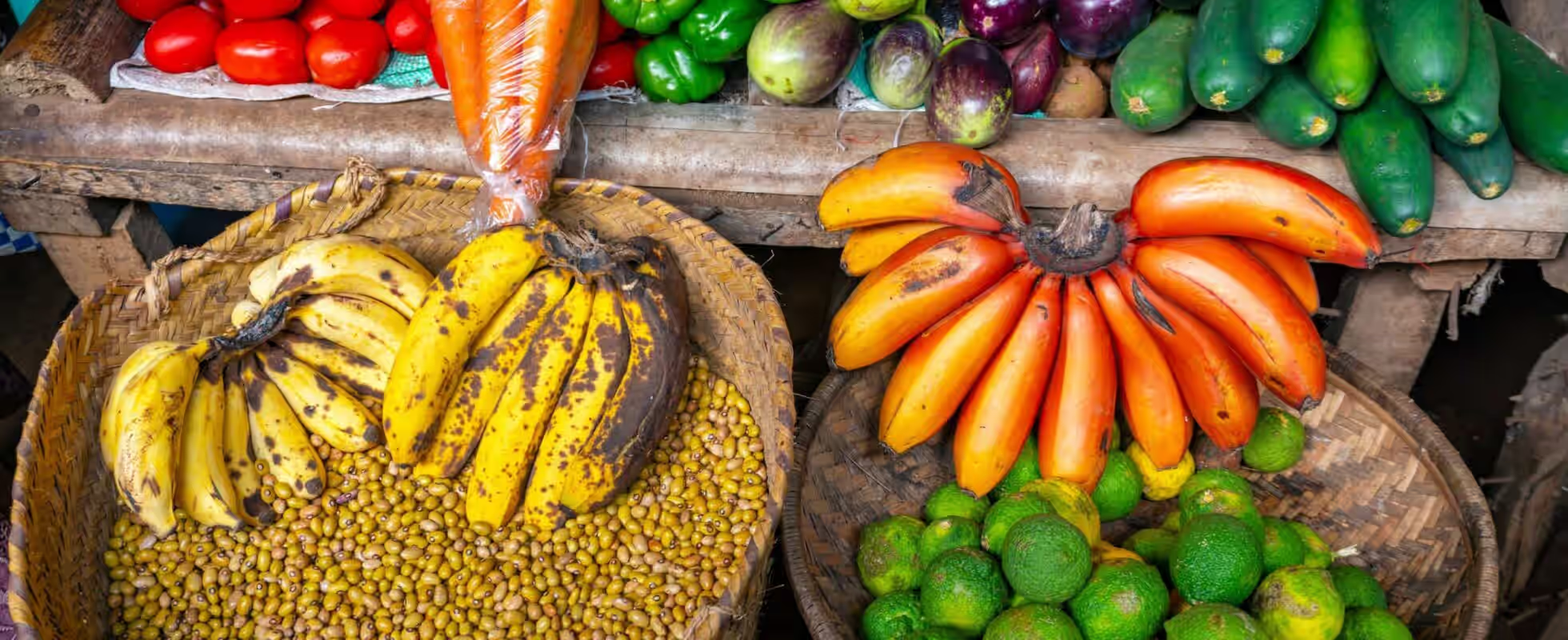
Mto wa Mbu Village Center, Tanzania.
The tour is a multisensory journey through the village and its fertile farmlands. Guided by a local expert, you will wander through lush banana plantations that grow over 30 different varieties, including the famous red bananas. You’ll visit a traditional brewery to see how the Chagga people make mbege (banana beer) and watch skilled Makonde artisans at work in their woodcarving workshops. The tour also visits local schools and markets where the community’s diversity is on full display. The highlight is a communal lunch prepared by "Local Mammas" in an open-air garden, where you sit with fellow travelers to share a feast of traditional dishes.
Learn More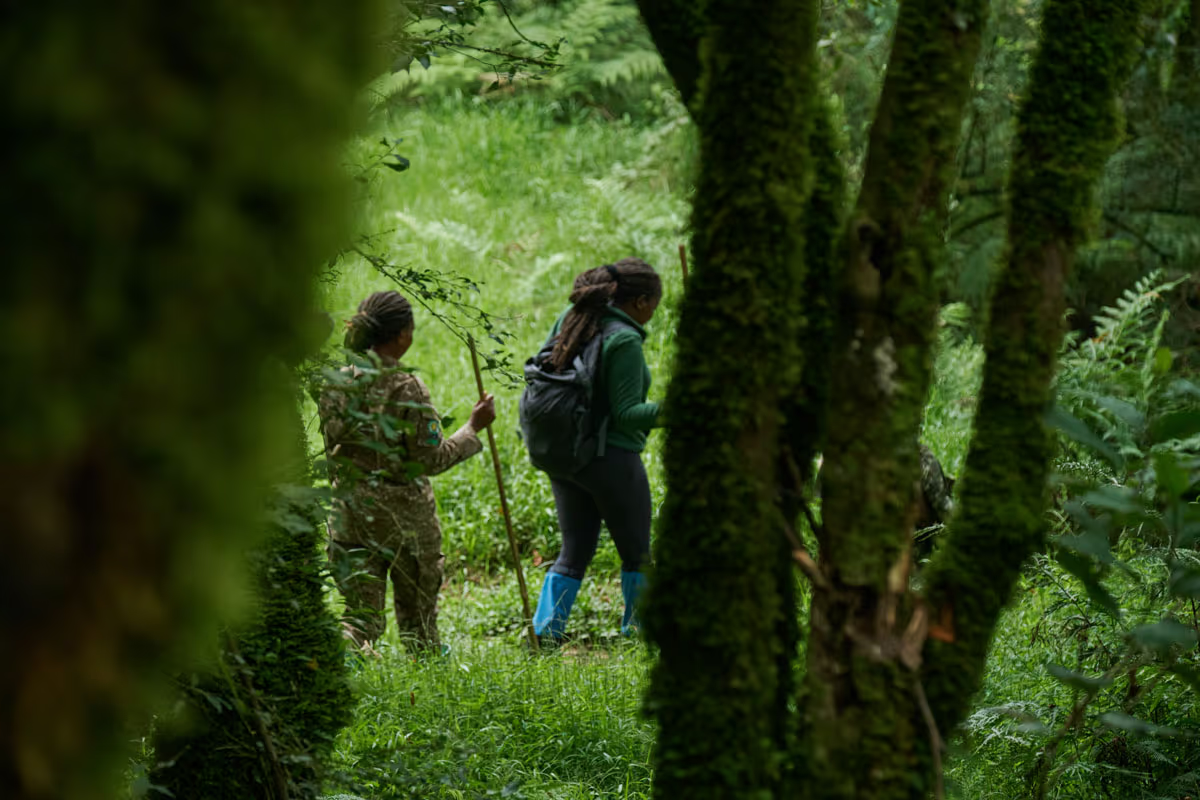
Kanyanchu Tourism Center, Kibale National Park.
The day begins before sunrise at the Kanyanchu Visitors Center. You will trek into the forest to reach the chimpanzees' nesting site before they wake up. As the sun rises, you witness the "de-nesting" process and spend the entire day following the group. You will observe their full range of social behaviors, including foraging for fruit, grooming, territory patrolling, and social play. Because these chimpanzees are "semi-habituated," your presence plays a vital role in their habituation process. The day concludes when the chimpanzees begin building their nests for the following night, providing a complete 12-hour perspective on their lives.
Learn More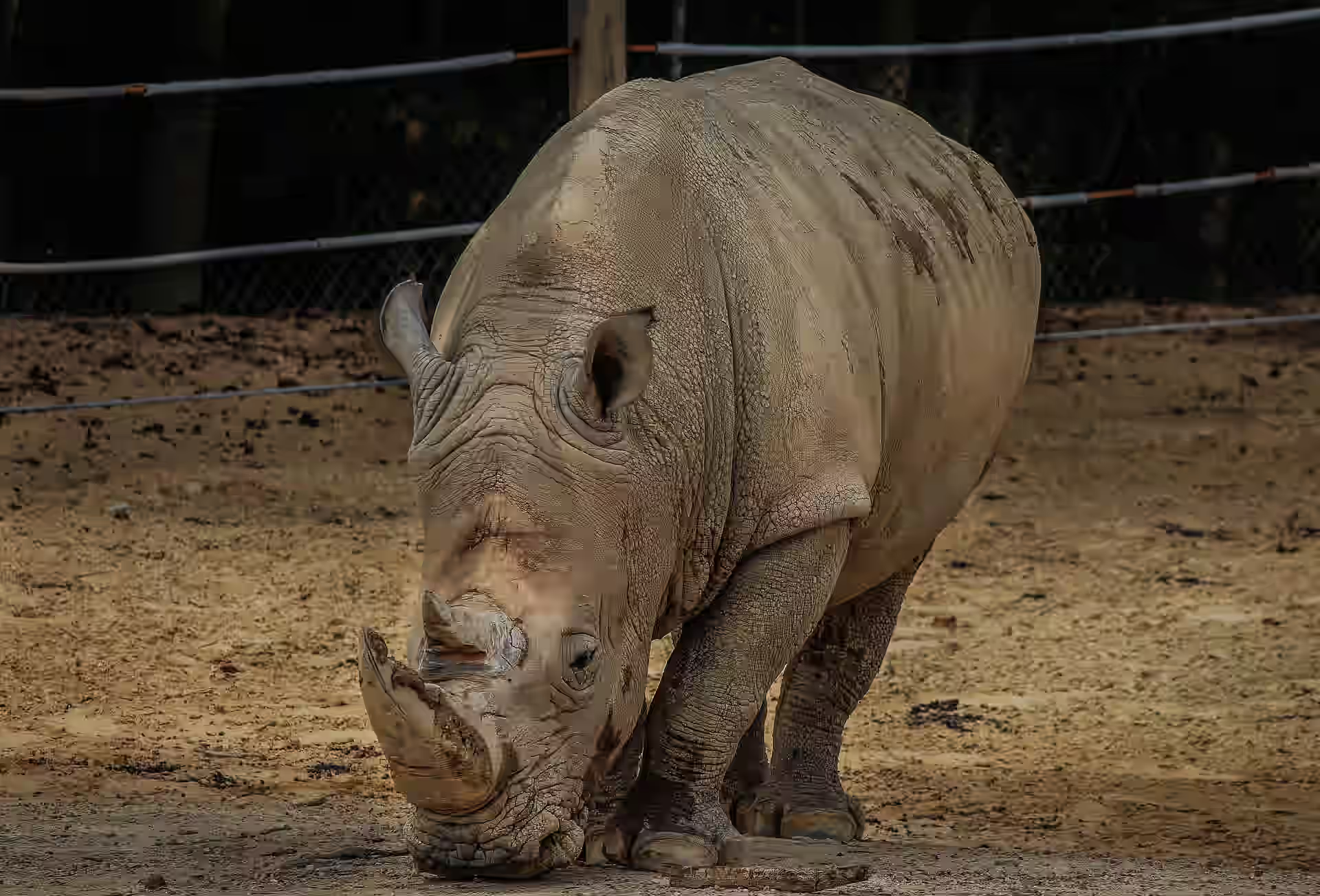
Mkomazi National Park (Zange Gate), Same, Tanzania.
The experience is split into two specialized conservation hubs. At the Mbogo Rhino Sanctuary, you enter a heavily protected, fenced area where you transfer to a park vehicle to track rhinos alongside armed rangers. You will learn about individual rhino histories and the 24/7 anti-poaching surveillance in place. The Wild Dog Breeding Center (George Adamson Wildlife Preservation Trust) allows you to observe these "painted wolves" in large breeding enclosures, where you can learn about their complex pack social structures and the veterinary protocols used to prepare them for reintroduction into the wild.
Learn More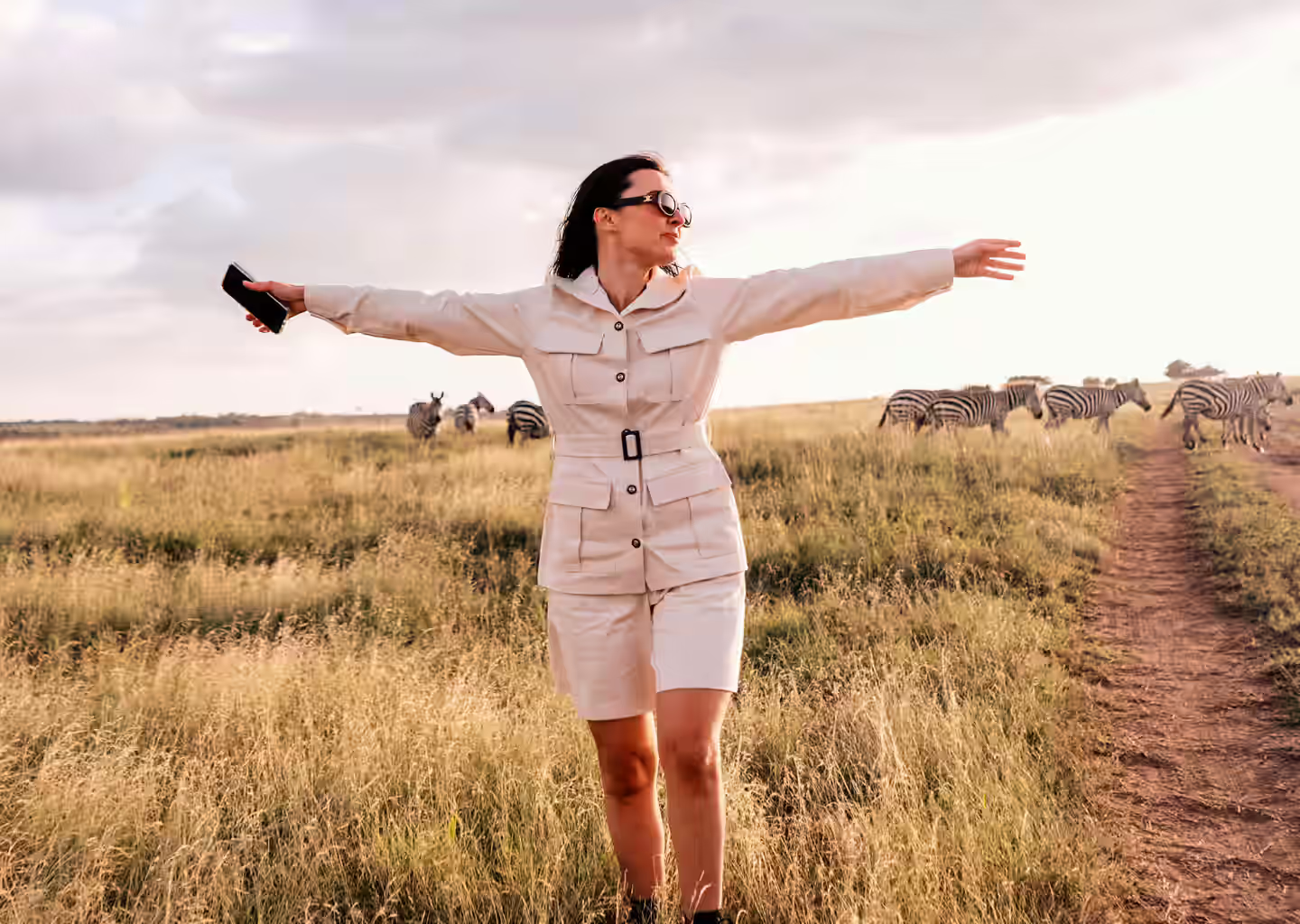
Nyerere National Park (formerly Selous Game Reserve), Tanzania
The experience typically starts in the cool, early morning hours. Accompanied by a professional guide and an armed TANAPA ranger, you will head out into the bush to track wildlife using footprints and dung. The walk focuses on ecology, birdwatching, and the smaller inhabitants of the park, though you may encounter larger animals like giraffes, impalas, and elephants from a safe distance. Your guides will explain the complex relationship between the animals and the Miombo woodland, providing a deep educational layer to the adventure.
Learn More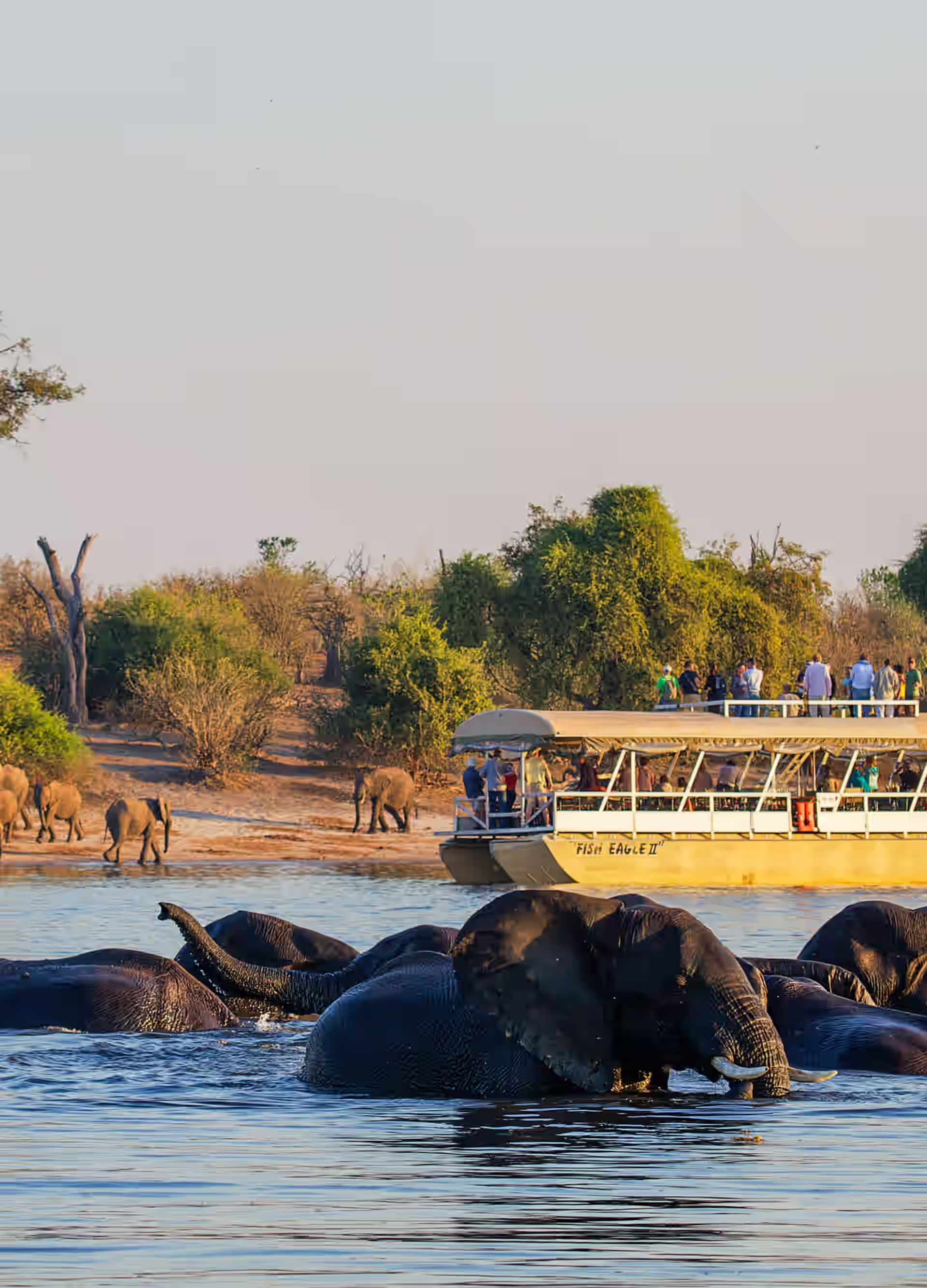
Rufiji River, Nyerere National Park, Tanzania.
Boat safaris primarily take place on the wide, winding Rufiji River and its interconnected lakes, such as Lake Siwandu and Lake Tagalala. There are two main variations: the Short Boat Safari (2–3 hours) and the Full-Day Boat Safari. The short trips are typically scheduled for sunrise or sunset, offering spectacular lighting and active birdlife. The full-day excursion allows for a deeper exploration of the river’s tributaries and lakes, often including a picnic lunch on a sandbank or shaded shore. You will see incredible concentrations of hippos and Nile crocodiles, as well as water-dependent wildlife like buffalo, waterbuck, and occasionally lions or leopards near the water's edge.
Learn More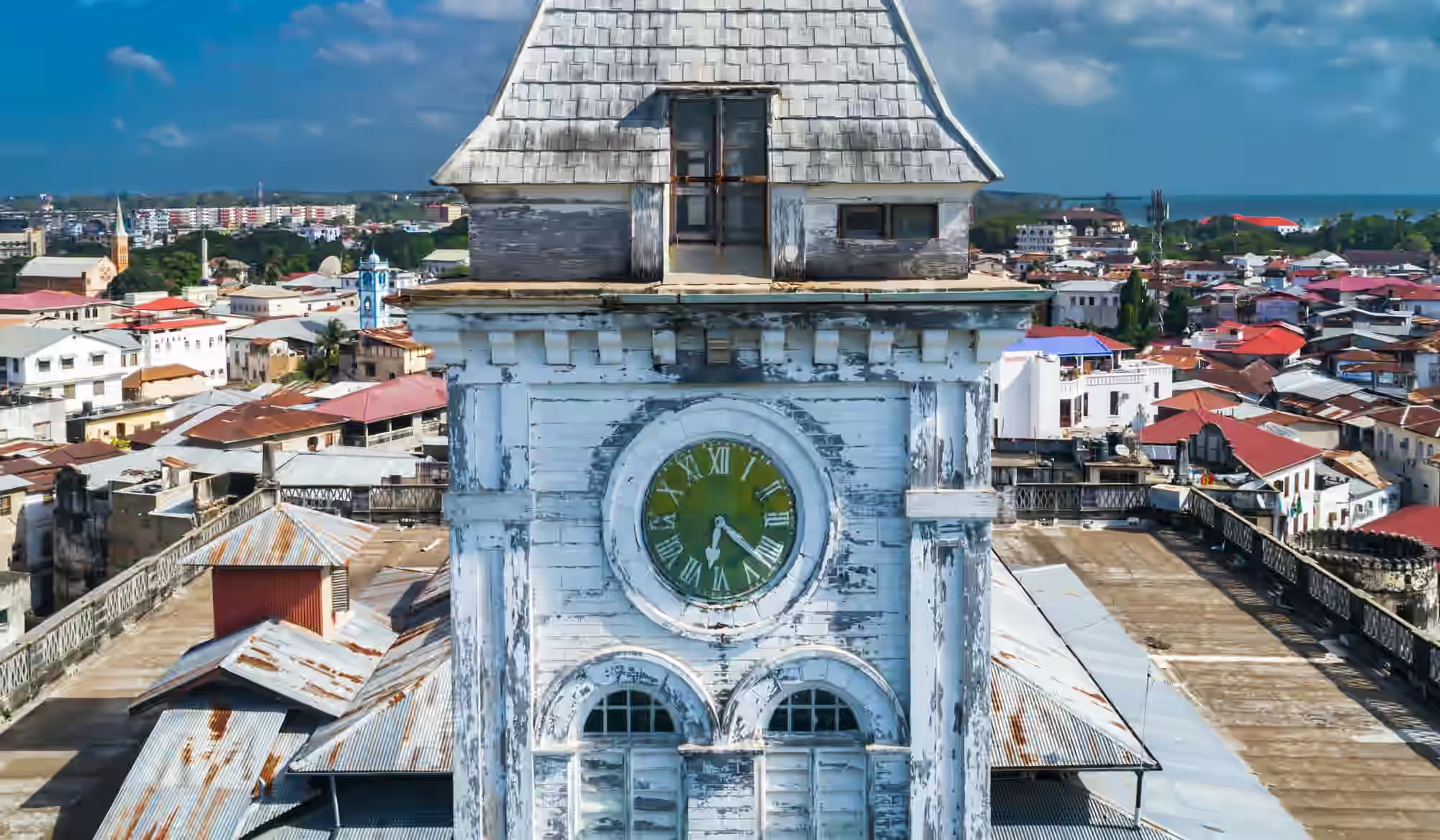
Stone Town & rural Zanzibar Spice Farms.
A full-day tour combining Stone Town and a spice farm is the most popular way to experience the "Spice Island." This itinerary typically starts with a sensory immersion in the countryside and ends with a historical deep-dive into the labyrinthine streets of the UNESCO World Heritage city.Morning: Spice Farm ImmersionYou will typically be picked up from your hotel and driven to the rural spice-growing regions like Kidichi or Kizimbani.Sensory Tour: Walk through lush plantations at sites like SISO SPICE FARM Click to open side panel for more information or Tangawizi Spice Farm Click to open side panel for more information . You’ll touch, smell, and taste fresh cloves, nutmeg, cinnamon, vanilla, and ginger directly from the plants.Traditional Activities: Watch a "Butterfly Man" climb a coconut tree while singing local songs and receive hand-woven accessories made from palm leaves (like hats or rings).Fruit Tasting: Sample seasonal tropical delights such as jackfruit, custard apple, durian, and various Zanzibari bananas.Lunch: Swahili FeastA highlights of the day is a traditional home-cooked lunch served at the farm.Menu: Usually includes Pilau (spiced rice) or Wali wa nazi (coconut rice), served with bean stew, fresh greens, and seasonal fish or chicken.Optional Cooking Class: Some farms like SISO SPICE FARM Click to open side panel for more information offer a mini-lesson where you help prepare the coconut milk for the meal.Afternoon: Stone Town Heritage WalkAfter lunch, you’ll head to Stone Town Click to open side panel for more information for a guided walking tour of its historic center.Major Landmarks: Visit the Former Slave Market and Anglican Cathedral, the Old Fort, and the House of Wonders.Labyrinthine Alleys: Wander through narrow streets too small for cars, admiring the famous carved Zanzibari doors and the childhood home of Freddie Mercury.Market Visit: Stop at the bustling Darajani Market, where the very spices you saw in the morning are sold in bulk alongside fresh seafood and textiles.
Learn More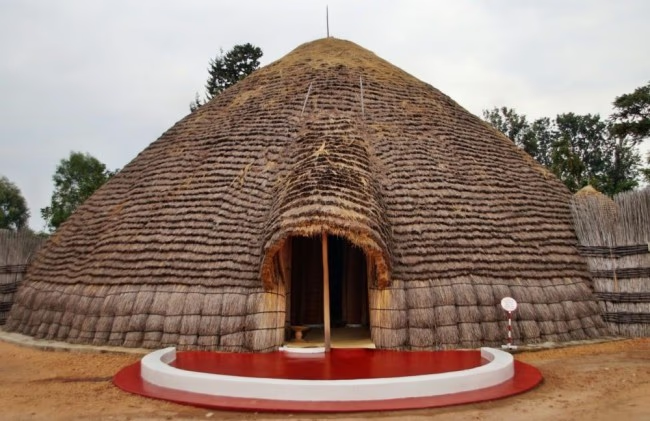
Iby'iwacu Cultural Village, Kinigi, Musanze,
The Iby'iwacu Cultural Village Experience in Musanze offers an authentic and joyful immersion into traditional Rwandan culture, set at the edge of Volcanoes National Park. Originally established as a community initiative to provide alternative livelihoods for former poachers and their families, Iby'iwacu has evolved into one of Rwanda's most celebrated cultural tourism projects. Visitors are welcomed with traditional songs and dances, and are invited to participate in a range of cultural activities including traditional archery, banana beer brewing, medicine-man demonstrations, storytelling sessions, and learning about the domestic life of past Rwandan royalty. Local artisans demonstrate traditional crafts such as basket weaving and pottery. The village experience provides a vivid contrast to the wildlife activities of the Volcanoes area and offers meaningful insight into the customs, values, and daily life of the Rwandan people. All proceeds go directly to the participating families and the broader community conservation fund. A visit to Iby'iwacu is often the cultural highlight of a northern Rwanda itinerary — warm, educational, and deeply engaging.
Learn More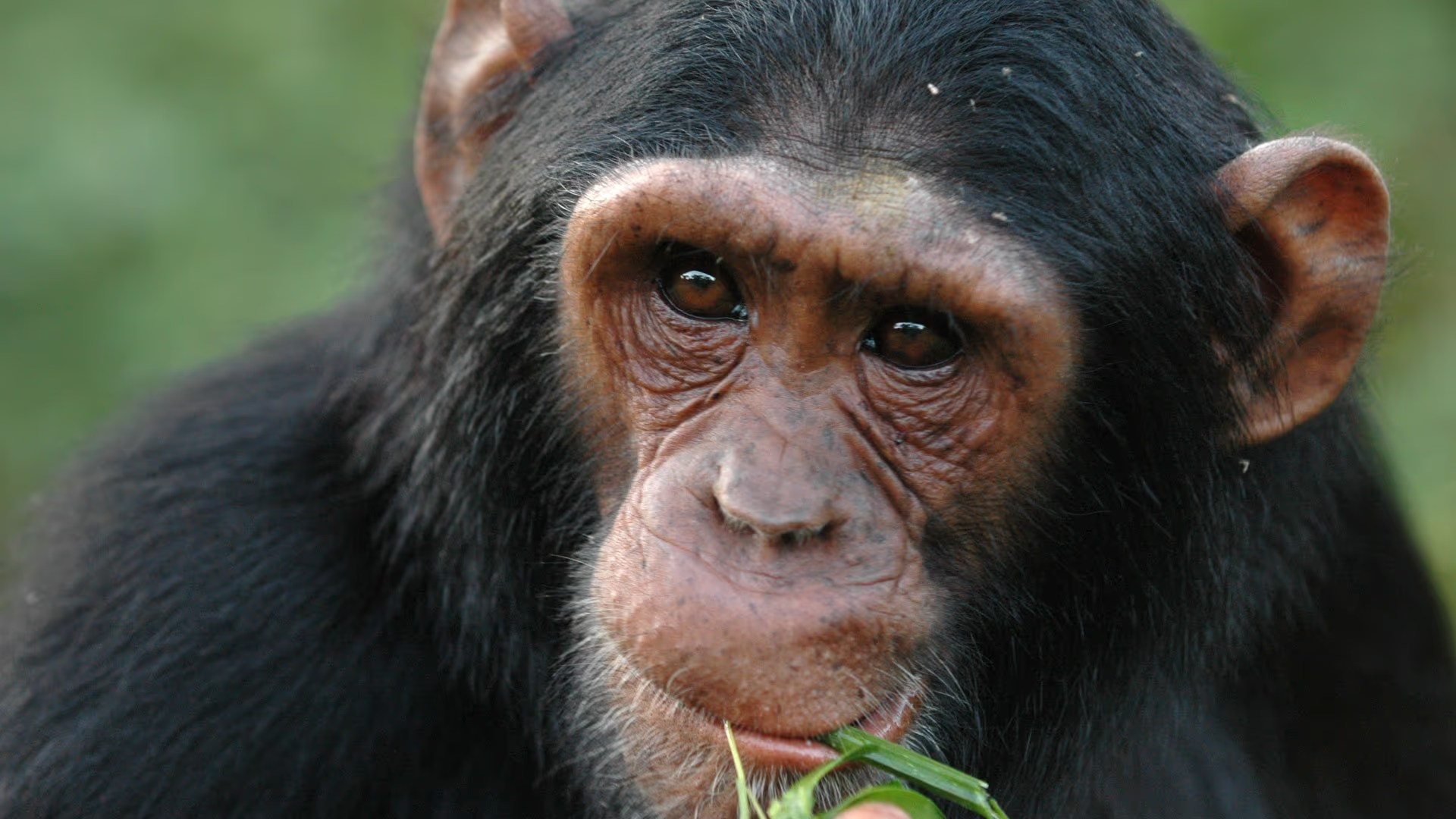
Nyungwe Forest National Park, Rusizi District
Chimpanzee Tracking in Nyungwe Forest National Park places visitors inside one of Africa's oldest and most biodiverse rainforests for an electrifying encounter with our closest living relatives. Nyungwe is home to one of East Africa's largest chimpanzee populations, with habituated communities that allow close observation. Accompanied by experienced trackers and guides, visitors follow the chimps through the forest, listening for their distinctive hoots and cries before locating the group. Once found, the one-hour supervised visit reveals the chimps' rich social lives — grooming, foraging, playing, and occasionally engaging in dramatic displays of dominance. The forest itself is a UNESCO World Heritage Site candidate and shelters 13 primate species, 300+ bird species, and 1,000+ plant species. The trek often begins before sunrise to catch the chimps leaving their sleeping trees. This is a dynamic, unpredictable, and deeply moving wildlife experience for nature lovers and serious wildlife enthusiasts.
Learn More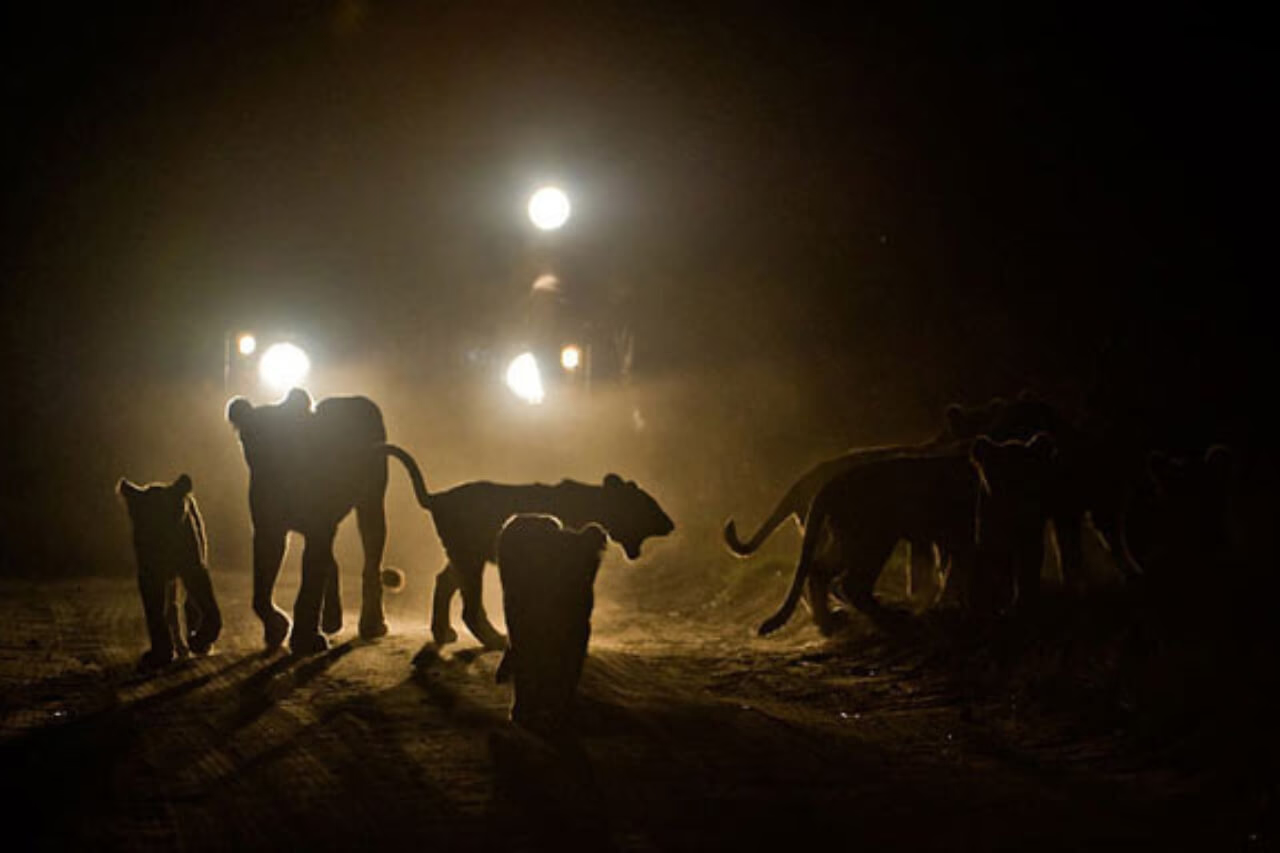
The adventure typically departs from the park gate or your lodge around 8:00 PM. Accompanied by an expert guide and an armed TANAPA ranger, you’ll journey through the dense groundwater forest before heading toward the lake and the Simba River hippo pools. Using specialized spotlights, you’ll scan for the reflective "eye-shine" of nocturnal species. This is the best time to see predators like leopards and lions on the prowl, as well as hippos, which leave the water at night to graze. You may also spot smaller, elusive creatures like genets, civet cats, porcupines, and aardvarks.
Learn More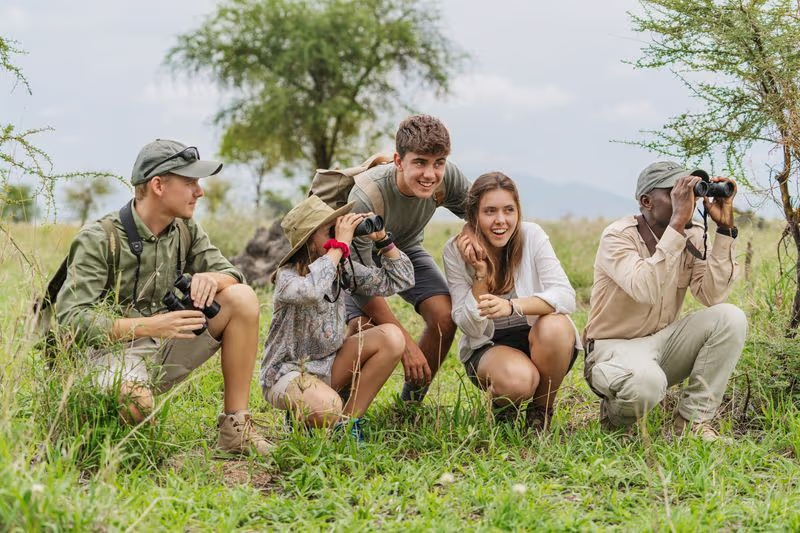
Ruaha National Park, Iringa Region, Tanzania.
Guided by an armed park ranger and often a professional lodge guide, these walks take you through the diverse landscapes of the Great Ruaha River basin. You will navigate ancient baobab forests and sandy riverbeds, learning to read the stories left behind in the soil. The focus is on the "little five" and the complex local ecology, but the thrill of potentially encountering Ruaha's massive elephant herds or iconic greater kudu on foot is ever-present. The experience is highly educational, covering everything from bird identification to the medicinal uses of indigenous plants.
Learn More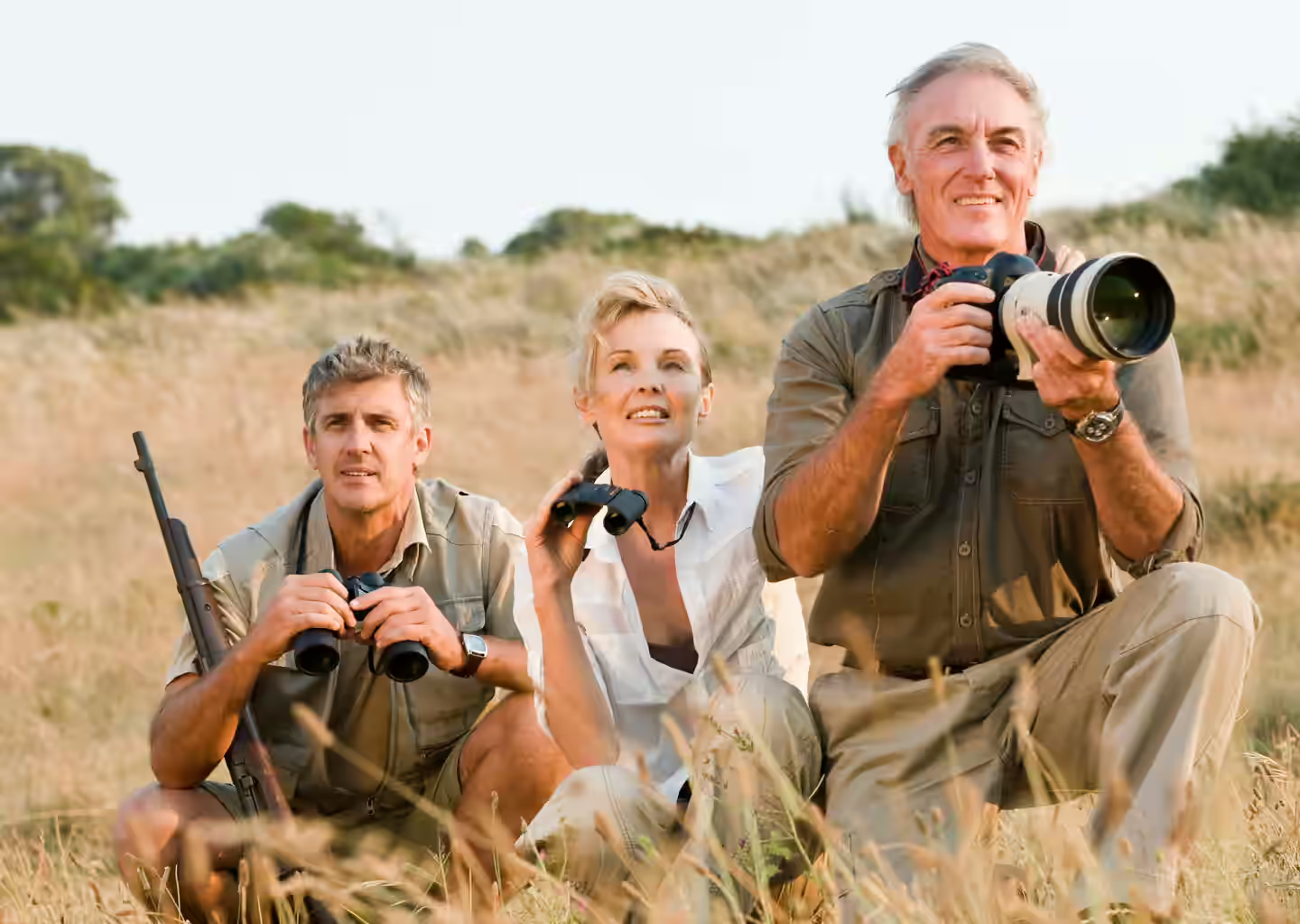
Mikumi National Park, Morogoro Region, Tanzania.
Accompanied by an armed TANAPA ranger, you will explore designated walking zones primarily in the northern reaches of the park. The experience is educational and sensory; your ranger will teach you how to read animal tracks, identify bird calls among the 400 recorded species, and understand the complex relationships within the savannah ecosystem. While you may encounter large herbivores like elephants, buffalo, and giraffes from a safe distance, the focus is on the intricate details of the bush—from termite mounds to the unique "yellow baboons" endemic to this region.
Learn More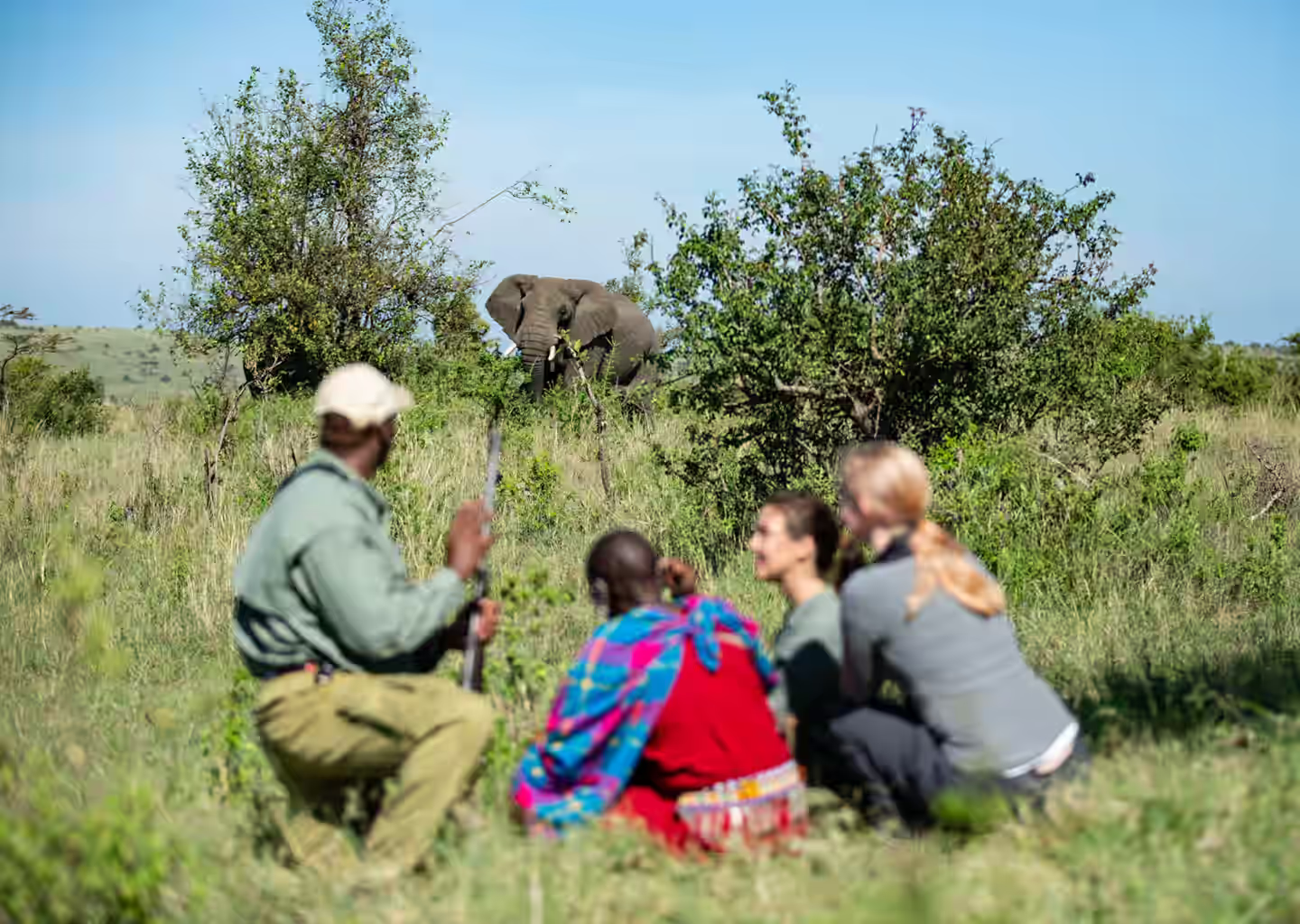
Tarangire National Park, Manyara Region, Tanzania.
Guided by an armed TANAPA ranger and a professional guide, walking safaris in Tarangire typically take place in the more remote southern reaches of the park or within private concessions on the park's borders. The experience is a sensory journey through the Miombo woodlands and along the banks of the Tarangire River. You will focus on animal tracking, dung identification, and the intricate life of the savannah that is often missed from a vehicle. While the focus is on ecology, the thrill of seeing a giraffe or a herd of zebras from ground level provides a completely different perspective on the wilderness.
Learn More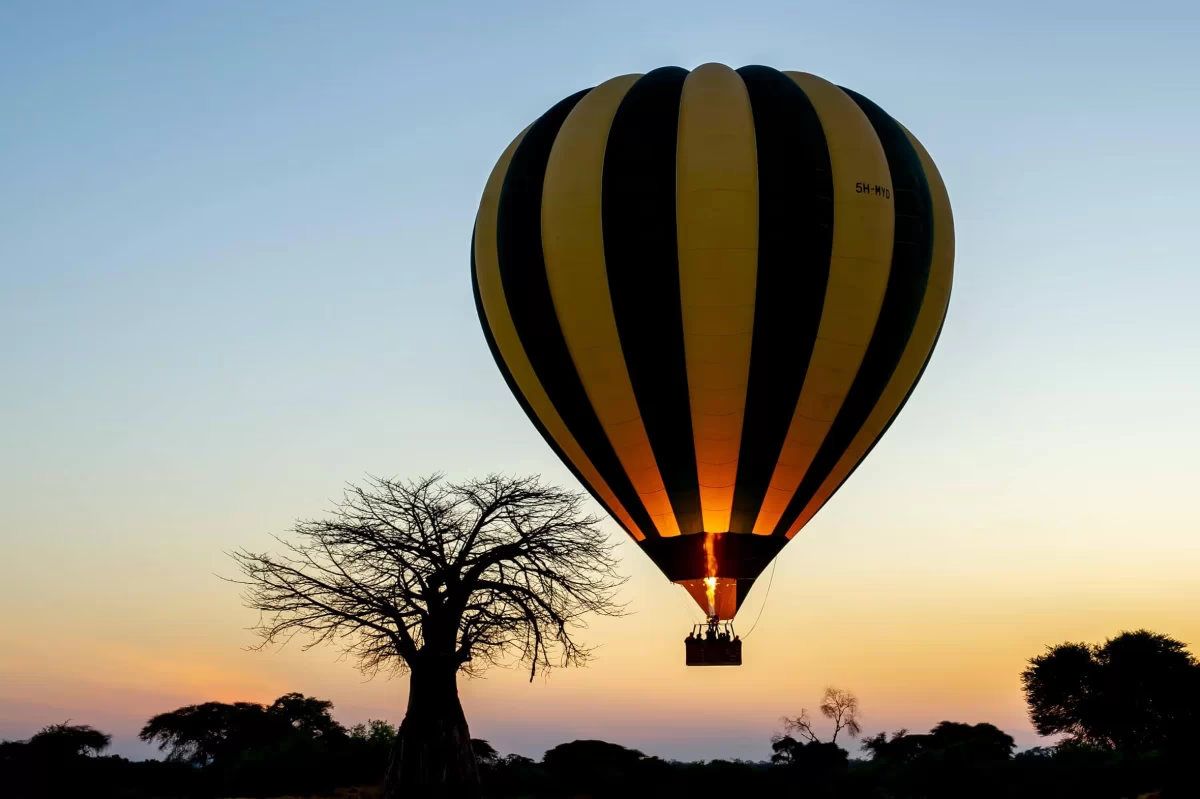
Tarangire National Park, Tanzania.
The experience begins before dawn with a transfer to the launch site, where you can watch the impressive inflation of the balloon as the sun starts to rise. Once airborne, you will float gracefully for about an hour, following the morning winds. The flight offers a 360-degree view of the undulating landscape, from the golden savannah to the riverine forests. After landing, the adventure concludes with a "bush breakfast"—a full cooked meal and a champagne toast in a remote location within the park—followed by a certificate ceremony and a game drive back to your lodge.
Learn More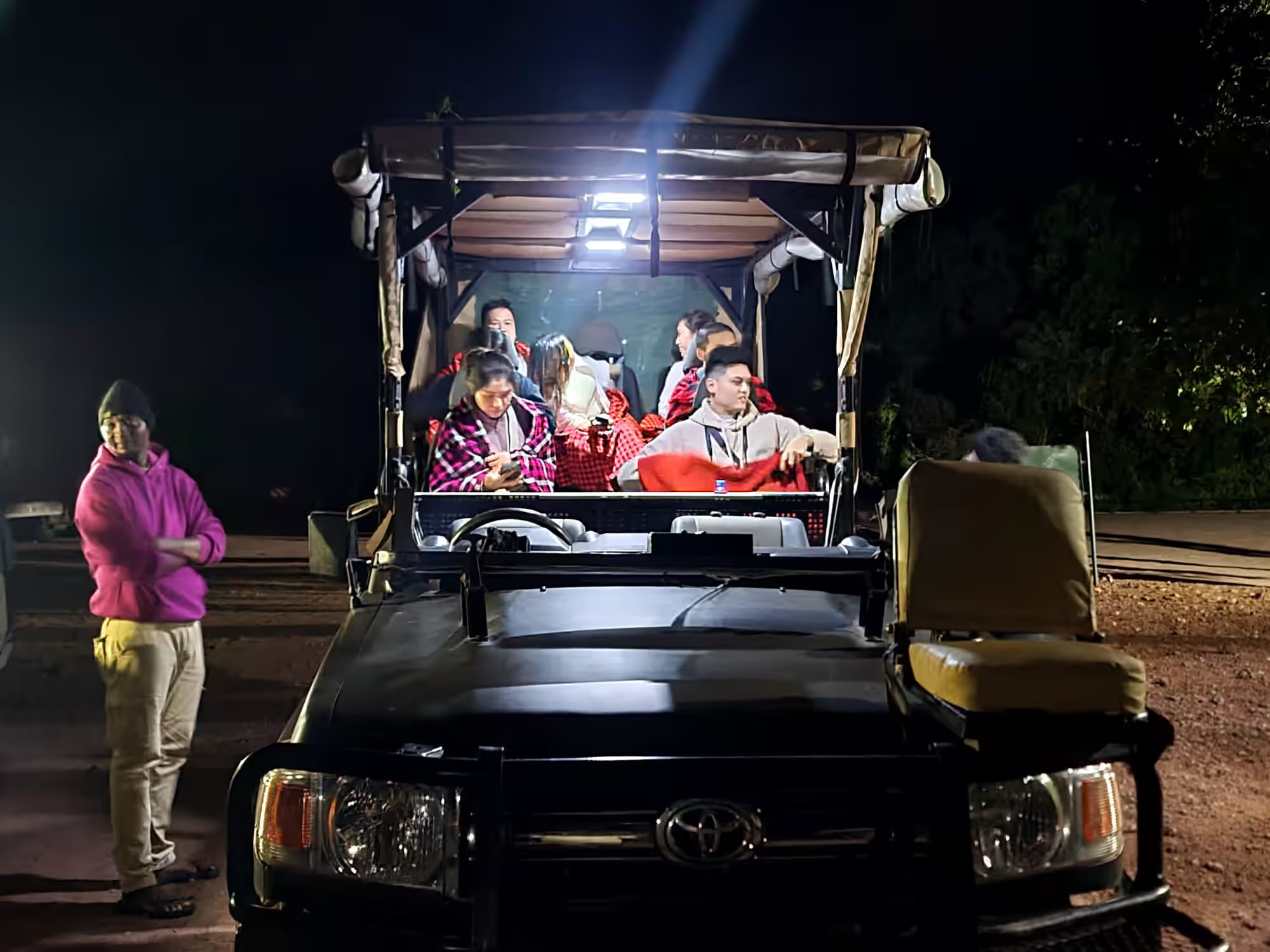
Tarangire National Park, Tanzania.
The safari typically begins after dinner, with specialized 4x4 open-sided vehicles departing from select lodges within the park. Guided by an expert and an armed TANAPA ranger, you’ll use powerful spotlights with red or infrared filters to scan for "eye-shine." The experience focuses on the park's dense baobab and riverine forests, which are particularly active at night. You can expect to hear the haunting calls of hyenas or the roar of lions, while spotting smaller nocturnal creatures like bush babies, genets, civets, and porcupines. The drive often concludes with a nightcap or hot chocolate back at the camp under a brilliant canopy of stars.
Learn More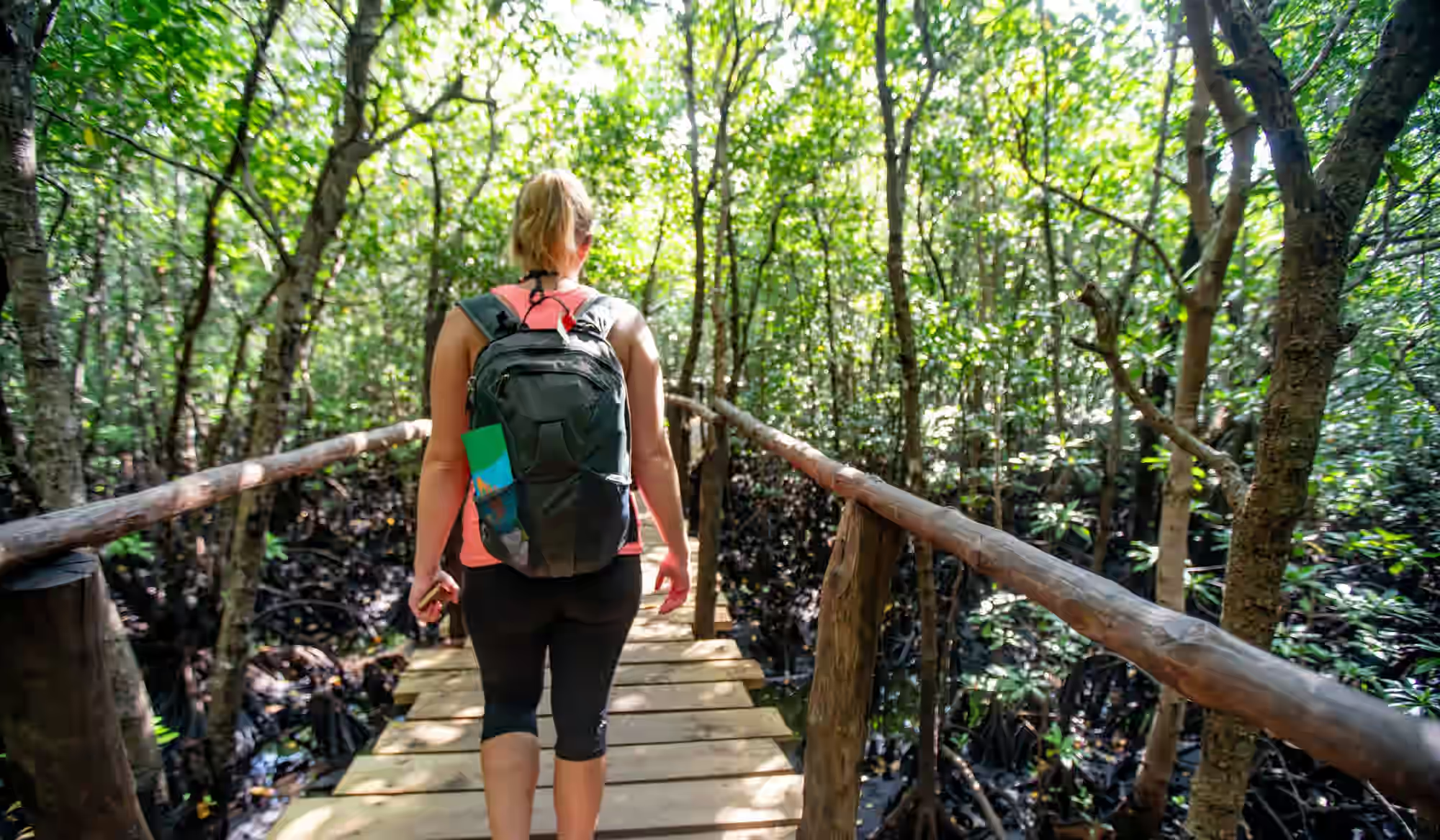
Jozani Chwaka Bay National Park, Central Zanzibar.
The tour typically consists of three distinct parts. First, you will explore the high forest, walking among towering red mahogany, eucalyptus, and wild fig trees while learning about the medicinal properties of various plants used in traditional Swahili healing. Next, you will move to the "monkey sanctuary" area to observe the charismatic Zanzibar Red Colobus monkeys; these primates are habituated to humans and often play or eat just a few feet from the trail. Finally, you will cross the road to the Mangrove Boardwalk, a wooden path through a brackish swamp where you can learn about the vital role mangroves play in coastal protection and spot crabs and monitor lizards.
Learn More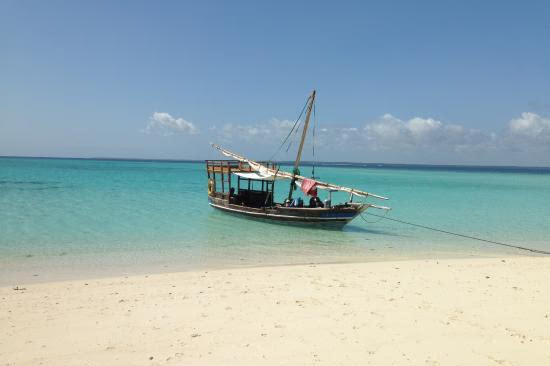
Nungwi / Kendwa Bay, Zanzibar.
The experience typically begins in the late afternoon at the Nungwi Beach shoreline, where you are ferried to a modern luxury catamaran or motor yacht anchored in the bay. As the yacht sets sail, you'll glide past the scenic coastline of Nungwi and Kendwa, often heading toward Tumbatu Island. Guests can relax on expansive trampolines or cushioned decks with chilled drinks and hors d'oeuvres. The highlight is the moment the sun dips below the horizon, painting the sky in shades of violet and gold, often accompanied by live acoustic music or a curated playlist.
Learn More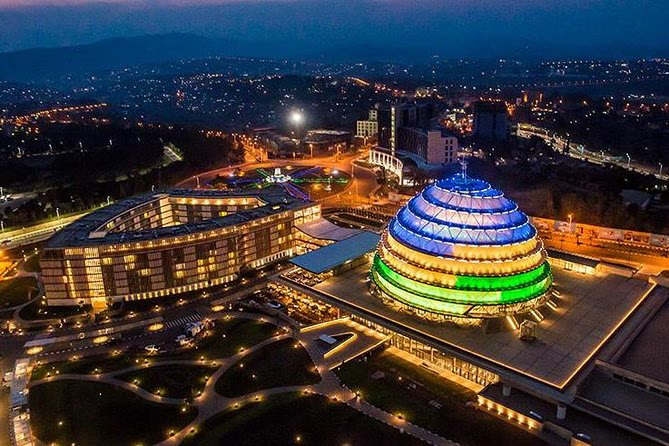
Kigali, Rwanda
The Kigali City Tour is an engaging and often surprising introduction to one of Africa's most modern, clean, and progressive capital cities. Kigali is regularly ranked among Africa's safest, cleanest, and most organized cities, and a guided day tour reveals why Rwanda has become a model for urban development and good governance on the continent. A typical city tour includes visits to the Kigali Genocide Memorial, the bustling Kimironko Market, the Inema Arts Center (celebrating Rwanda's contemporary art scene), the vibrant Nyamirambo neighborhood (Kigali's cultural heartbeat), and panoramic viewpoints over the city's thousand hills. Guides provide rich historical and political context, exploring Kigali's transformation from devastation in 1994 to its current status as a beacon of African renaissance. Stops at local coffee shops and restaurants allow visitors to sample Rwanda's world-class specialty coffee and traditional cuisine. Private and small-group tours can be customized to include gallery visits, cooking classes, architecture tours, and meetings with local entrepreneurs. The city tour is the ideal way to understand modern Rwanda beyond its national parks.
Learn More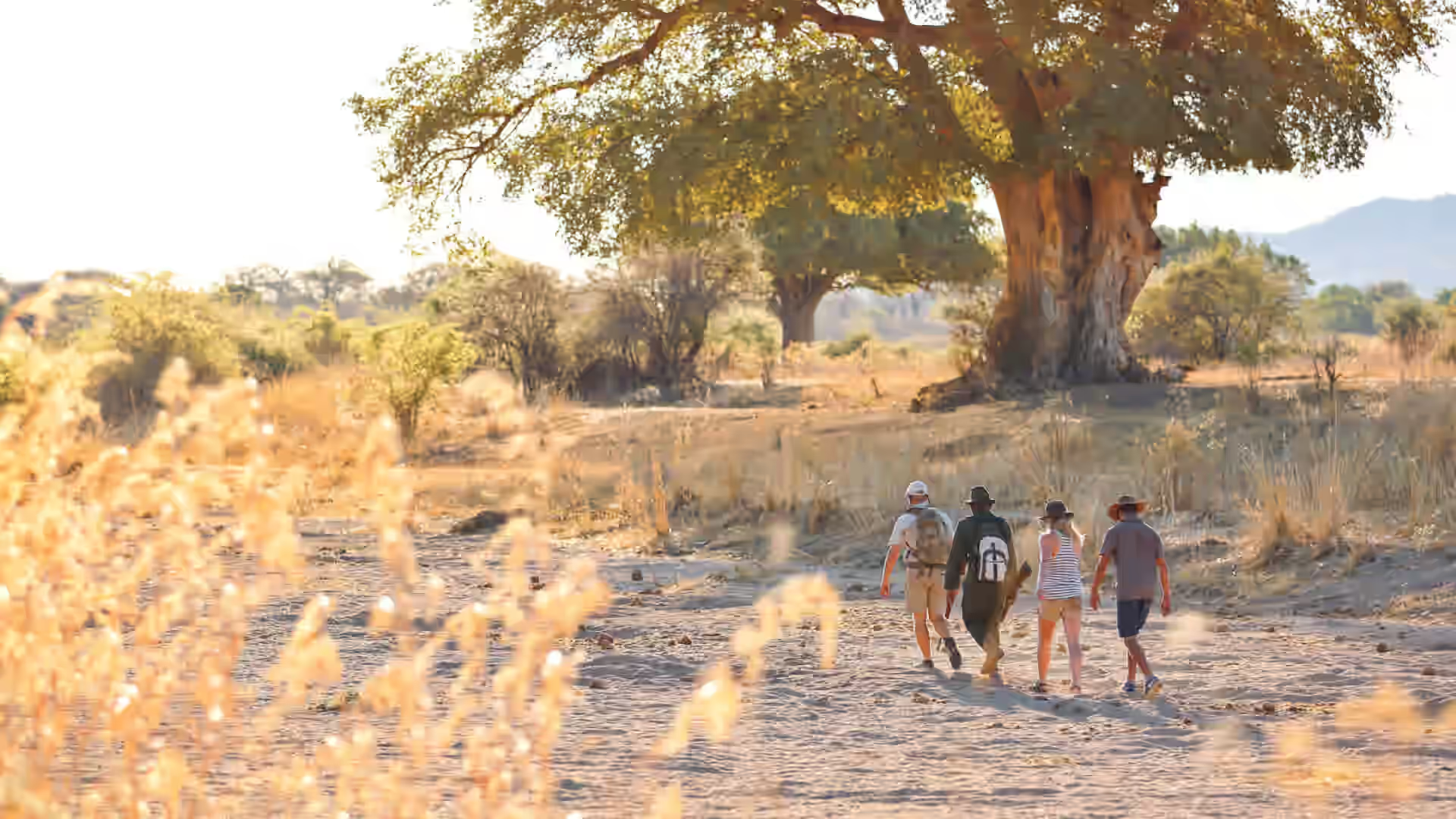
Serengeti National Park, Tanzania.
Guided by an armed TANAPA ranger and a professional guide, walking safaris are typically conducted in designated "wilderness zones" far from the main tourist tracks. These areas, such as the remote regions of Kogatende in the north or the Ikoma region, provide an untouched environment for exploration. The focus is on the "little five," bird identification, and the complex ecology of the savannah. However, the thrill of encountering larger wildlife like giraffes, zebras, or elephants from a safe, respectful distance on foot is a highlight. Many luxury camps, such as those in the Seronera region, offer morning nature walks to complement their vehicle-based activities.
Learn More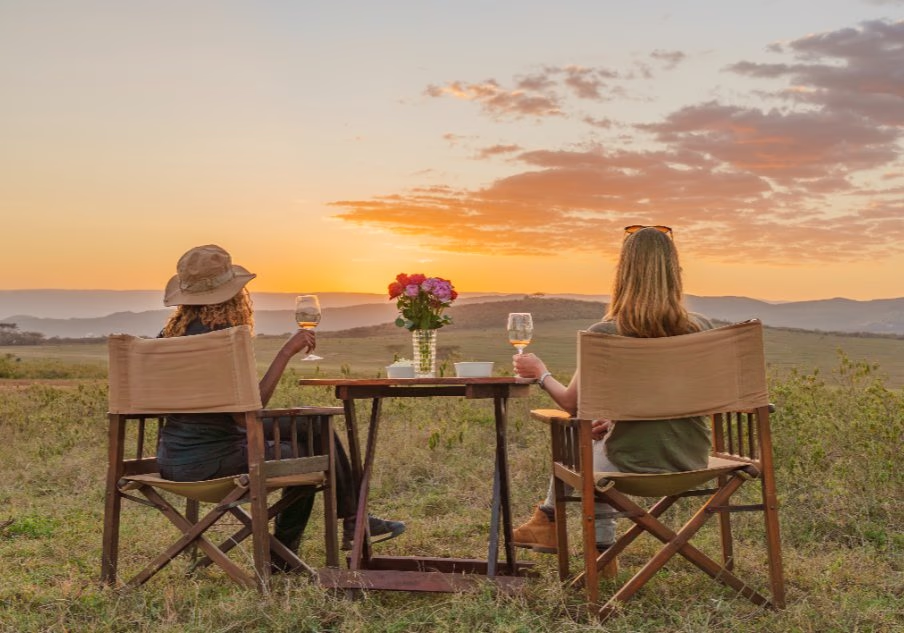
The evening begins with a short drive from your lodge to a specially prepared site, often chosen for its panoramic views or privacy. You are greeted with a "sundowner" drink as the sun sets, followed by a torchlit dinner. Tables are set with white linens, fine glassware, and lanterns to create an elegant contrast with the wild surroundings. Most experiences include a barbecue or "boma" style dinner with live grilling by chefs, sometimes accompanied by Maasai cultural performances or storytelling around the fire.
Learn More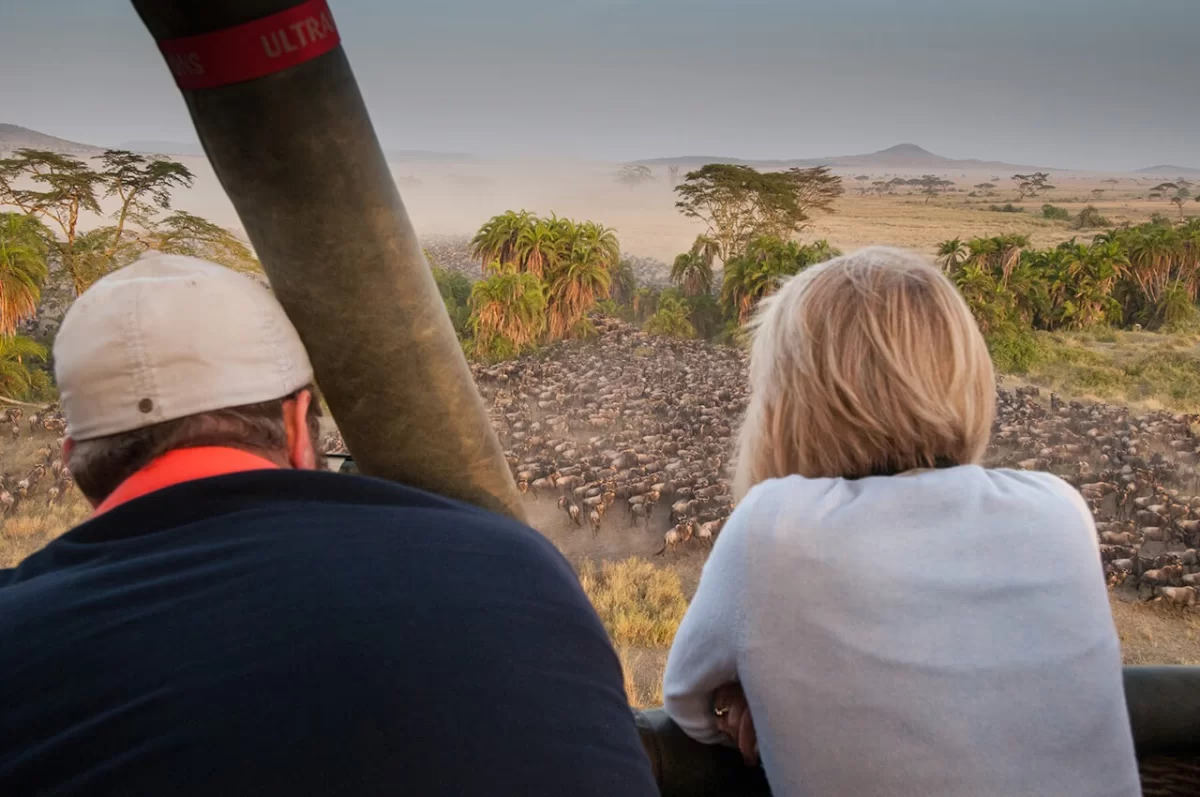
Ndutu Plains (South Serengeti / Ngorongoro), Tanzania.
The Ndutu flight is unique because it takes place over the short-grass plains during the "Green Season." Unlike other areas, the landscape here is wide open, making it exceptionally easy to spot large cheetah populations and lion prides following the massive herds. After a pre-dawn pickup and a safety briefing at the launch site, you ascend as the sun breaks over the horizon. The flight typically lasts an hour, drifting wherever the wind dictates. Upon landing, you are greeted with a traditional champagne toast, followed by a full English "bush breakfast" set up under a flat-top acacia tree.Seasonality (Strict)December 20 – March 31. Because this is a migratory operation, ballooning services only exist in Ndutu during these months to coincide with the Great Migration. Outside of this window, the balloons move to Central or Northern Serengeti.
Learn More
Tengeru, Arusha.
The hiking experience revolves around a circular trail that skirts the perimeter of the lake under the shade of ancient forest canopies. Starting at the , the path leads you through dense vegetation where you can spot monitor lizards sunning themselves on logs and giant kingfishers diving for prey. The forest is a haven for primates, including Sykes' monkeys and vervet monkeys. You’ll navigate soft forest floors and occasionally rocky paths, with frequent openings that offer stunning views of the mirror-like water and, on clear days, the silhouette of Mount Meru.
Learn More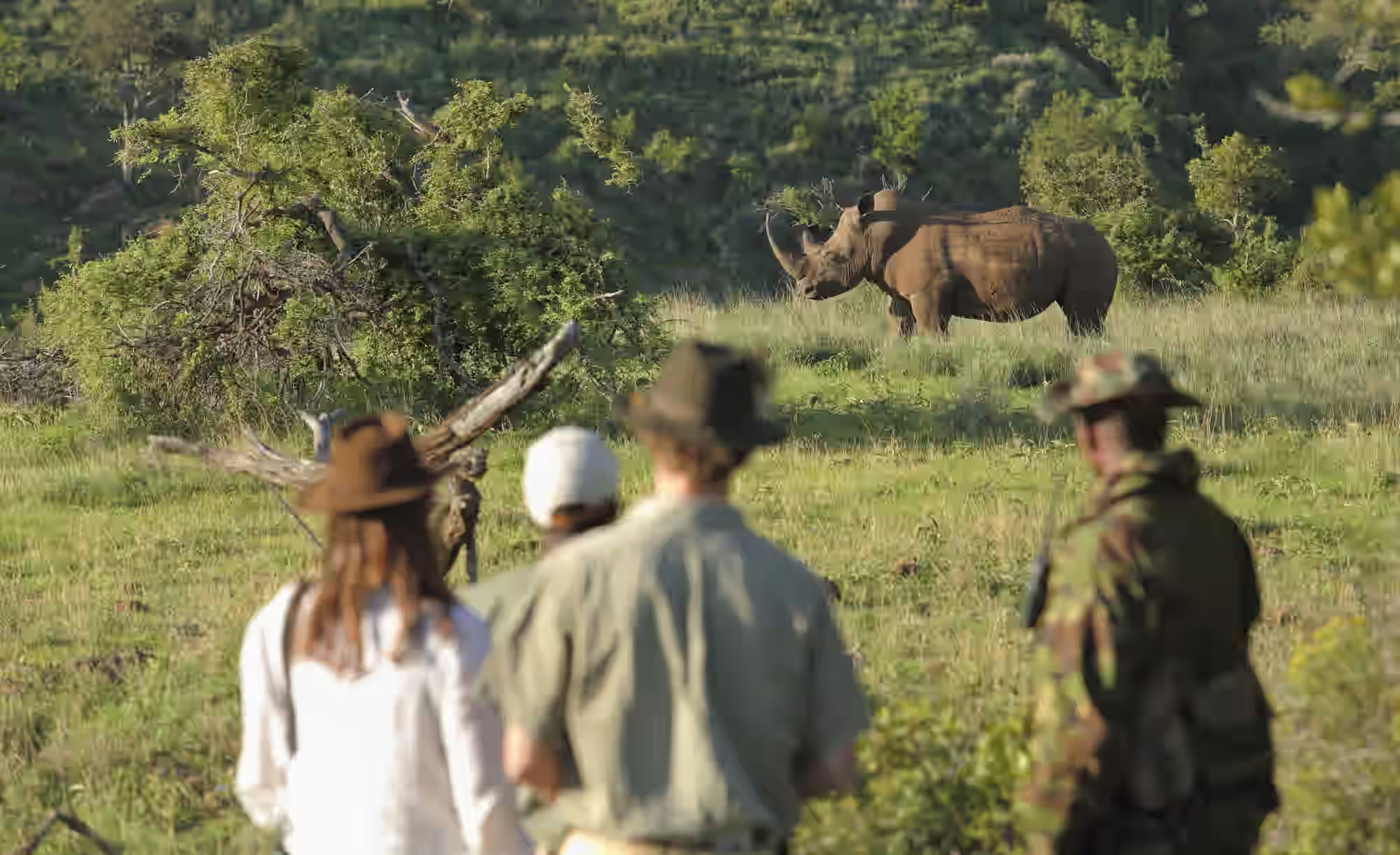
Lewa Wildlife Conservancy
Guided rhino tracking on foot is one of the most intensely personal and emotionally resonant wildlife experiences available in Kenya — a patient, skilled pursuit that culminates in an encounter with one of the most powerful, ancient, and endangered mammals on earth. Kenya is one of the best countries in Africa for rhino conservation, protecting both black rhino (Diceros bicornis) and the more docile white rhino (Ceratotherium simum) across a network of intensively managed sanctuaries. Tracking on foot — as opposed to observing from a vehicle — fundamentally changes the nature of the encounter. With no engine noise, no vehicle between you and the animal, and the full sensory engagement of the African bush underfoot, the experience of approaching a black rhino through dense scrub at a distance of thirty to sixty metres is genuinely humbling and thrilling in equal measure. Expert trackers — many with decades of experience — read footprints, broken vegetation, dung, and body language to locate and safely approach individual rhino. Armed KWS rangers accompany every tracking group, ensuring guest safety while maintaining the integrity of the experience. At Ol Pejeta Conservancy, visitors have the unique and profoundly moving opportunity to visit Najin and Fatu — the world's last two surviving northern white rhinos — accompanied by their dedicated keepers, in an experience that confronts the visitor with the raw reality of extinction and the urgency of conservation at the most immediate human level.
Learn More
Masai Mara National Reserve
A hot air balloon safari is widely regarded as one of the most extraordinary and romantic wildlife experiences available anywhere in Africa — a seamless fusion of gentle adventure, aerial wonder, and intimate wildlife observation that transforms the Kenyan savannah into a living tapestry of colour, movement, and light. Flights depart before first light, typically around 05:30–06:00, when passengers gather at the launch site and watch the enormous balloon inflate in the pre-dawn darkness. As the sun breaks the horizon, the balloon lifts silently and majestically over the plains, drifting with the wind at heights ranging from tree-canopy level to several hundred metres. Expert pilots — licensed to Civil Aviation Authority of Kenya standards — control altitude with extraordinary precision, descending close to elephant herds, hippo pools, giraffe, and lion while passengers watch in hushed awe from the suspended basket. The perspective from above transforms familiar landscapes into something revelatory: the sinuous bends of the Mara River, the geometric patterns of wildebeest herds moving across the plains, and the golden light of an African sunrise painting the savannah in extraordinary colour. After approximately 60–90 minutes aloft, the balloon descends to a pre-arranged landing site where a fully equipped bush breakfast awaits — crisp white linen, sterling silver, champagne, and freshly prepared food served in the middle of the open savannah — an experience of theatrical luxury that has few equivalents anywhere in the world.
Learn More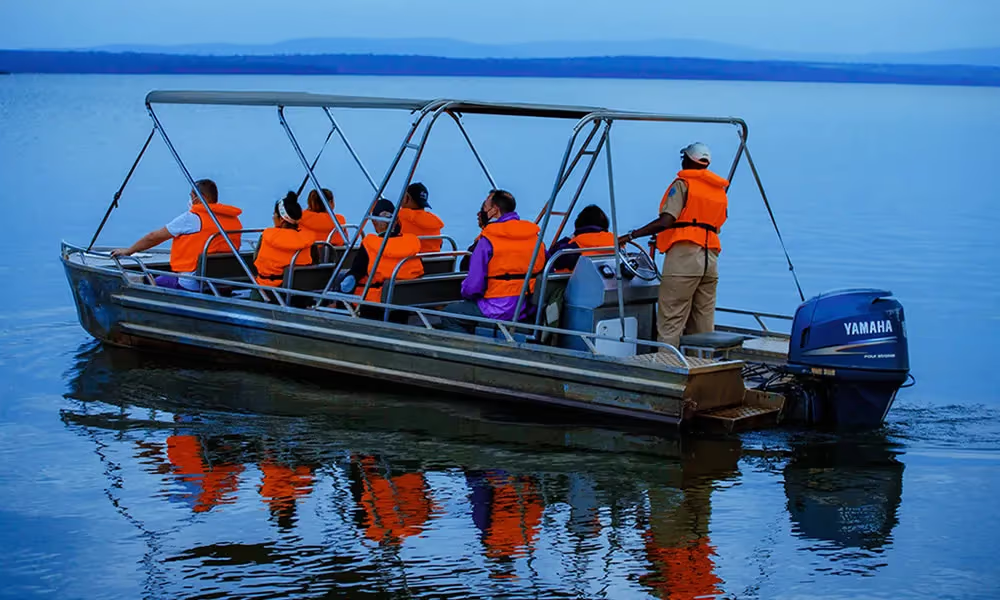
Lake Ihema, Akagera National Park
The Akagera Boat Cruise on Lake Ihema is one of Rwanda's most tranquil and rewarding wildlife experiences, combining spectacular birdwatching, hippo and crocodile encounters, and stunning lake scenery in one relaxing excursion. Lake Ihema is the largest lake in Akagera National Park and one of the most wildlife-rich bodies of water in the region. From the comfort of a guided motorboat, participants drift along the shoreline and through reed channels spotting massive pods of hippos wallowing in the shallows, Nile crocodiles sunning on banks, African fish eagles, open-billed storks, shoe-billed storks (rare sighting), pied kingfishers, herons, and dozens of other bird species. The late afternoon cruise offers spectacular golden-hour photography lighting over the water. The boat ride typically lasts 2–3 hours and can accommodate small to medium-sized groups. It pairs beautifully with a morning game drive for a comprehensive Akagera day experience.
Learn More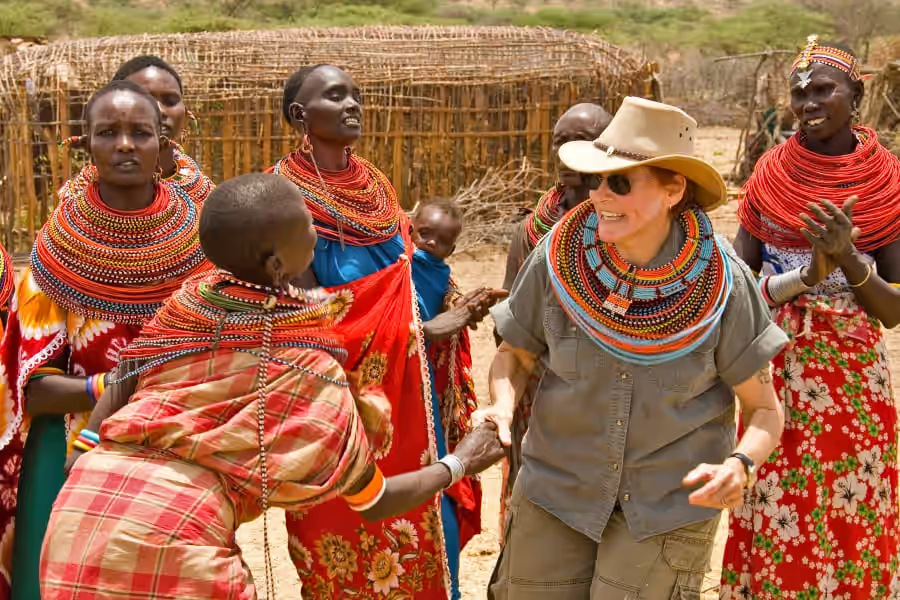
Samburu County, Masai Mara region
Cultural visits to Maasai and Samburu communities are among the most personally enriching and distinctively Kenyan experiences available to international visitors — offering authentic insight into two of East Africa's most resilient, culturally sophisticated, and visually striking indigenous pastoralist civilisations. The Maasai, with their instantly recognisable red-checked shukas, elaborate multi-layered beadwork jewellery, and centuries-old traditions of cattle herding, warrior society, and age-set ceremony, are Kenya's most iconic people — inhabiting the landscapes surrounding the Masai Mara, Amboseli, Laikipia, and the Rift Valley. A well-managed Maasai village (manyatta) visit — arranged through a responsible lodge with genuine long-term community relationships — introduces visitors to the circular structure of the enkiama homestead, the interior of a traditional mud-and-dung house, medicinal plant knowledge, fire-making techniques, and the communal role of cattle in Maasai spiritual and social life. The adumu jumping ceremony — warriors competing in a rhythmic, gravity-defying vertical leap while the group chants in competitive harmony — is one of Kenya's most extraordinary cultural performances. The Samburu, inhabiting northern Kenya around the Samburu and Buffalo Springs reserves, share cultural roots with the Maasai but have developed distinct beadwork traditions, camel-keeping practices, and ceremonial dress that reflect the harsher semi-arid environment they have occupied for centuries. Both communities increasingly integrate tourism revenues into education, healthcare, and women's enterprise programmes, making cultural visits a tangible force for community empowerment.
Learn More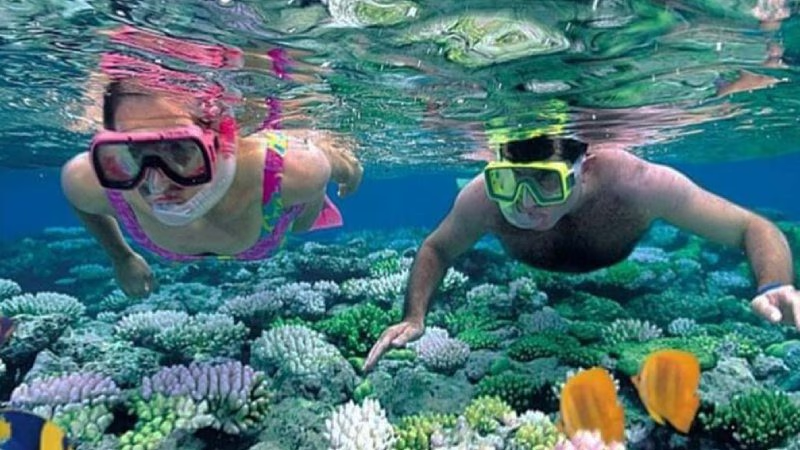
Watamu Marine National Park, Diani Beach
Kenya's Indian Ocean coastline sits above one of the most species-rich and biologically diverse coral reef ecosystems in the western Indian Ocean — a world of extraordinary underwater beauty that remains substantially less explored and less crowded than comparable reef systems in the Red Sea, the Maldives, or the Great Barrier Reef, making it a rewarding and relatively undiscovered destination for both certified divers and snorkellers. The coastline is protected by a series of marine national parks and reserves — Watamu Marine National Park, Malindi Marine National Reserve, Kisite-Mpunguti Marine National Park (Shimoni), and Mombasa Marine National Park — that collectively protect the reef ecosystem from destructive fishing and provide the pristine conditions that make diving and snorkelling exceptional. Watamu is Kenya's premier dive destination, offering warm water (26–28°C year-round), good year-round visibility (15–25 metres on best days), and remarkable biodiversity: green and hawksbill sea turtles are resident and regularly encountered at close range; whale sharks visit seasonally from October to March; manta rays, napoleon wrasse, giant moray eels, and hundreds of coral fish species inhabit the reef. Kisite-Mpunguti on the far south coast is one of Kenya's most pristine marine protected areas, with the added attraction of bottlenose and spinner dolphin swimming excursions from Shimoni. Night dives at Watamu reveal the reef's nocturnal character — sleeping parrotfish, hunting lionfish, and phosphorescent plankton creating an unforgettable underwater light show.
Learn More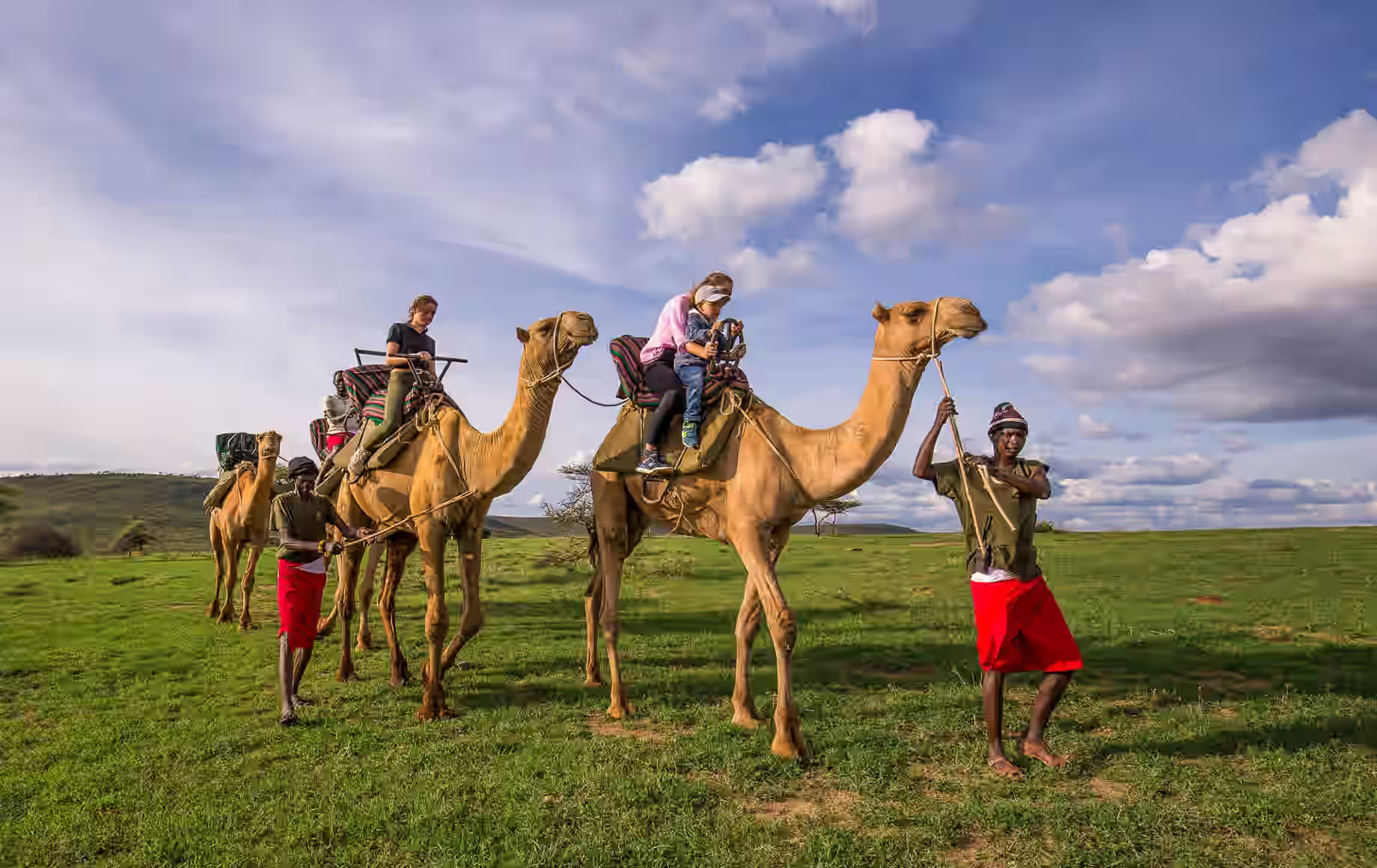
Laikipia — horse & camel, Borana Conservancy,
Horse riding and camel trekking represent two of Kenya's most distinctive, exclusive, and experientially rich alternative safari offerings — each providing a way to move through the wilderness at a pace, proximity, and depth of immersion that no motorised vehicle can approach. Kenya's horse-riding safari tradition is among the oldest and most prestigious in Africa, with the Laikipia Plateau, Chyulu Hills, and Lewa Conservancy home to some of the continent's finest equestrian operations. Riding through the African bush on horseback fundamentally changes the relationship between safari-goer and wildlife — horses are accepted by most plains game as non-threatening, allowing riders to approach herds of zebra, giraffe, wildebeest, and even elephant at remarkably close range that would be impossible on foot or in a vehicle. Multi-day riding safaris — sleeping in luxurious fly camps in remote wilderness — represent the pinnacle of Kenya's adventure safari offering, combining the freedom of wilderness travel with exceptional hospitality, world-class horses, and landscapes of breathtaking scale and beauty. Camel trekking — offered most authentically in Laikipia and Samburu — is an equally transformative experience, moving through Kenya's semi-arid northern wilderness at the ancient, unhurried pace of a camel caravan, accompanied by Samburu herders whose knowledge of the land is generational and profound. Overnight camel expeditions, sleeping on camp beds under unpolluted stars, represent one of East Africa's most extraordinary and least replicated travel experiences.
Learn More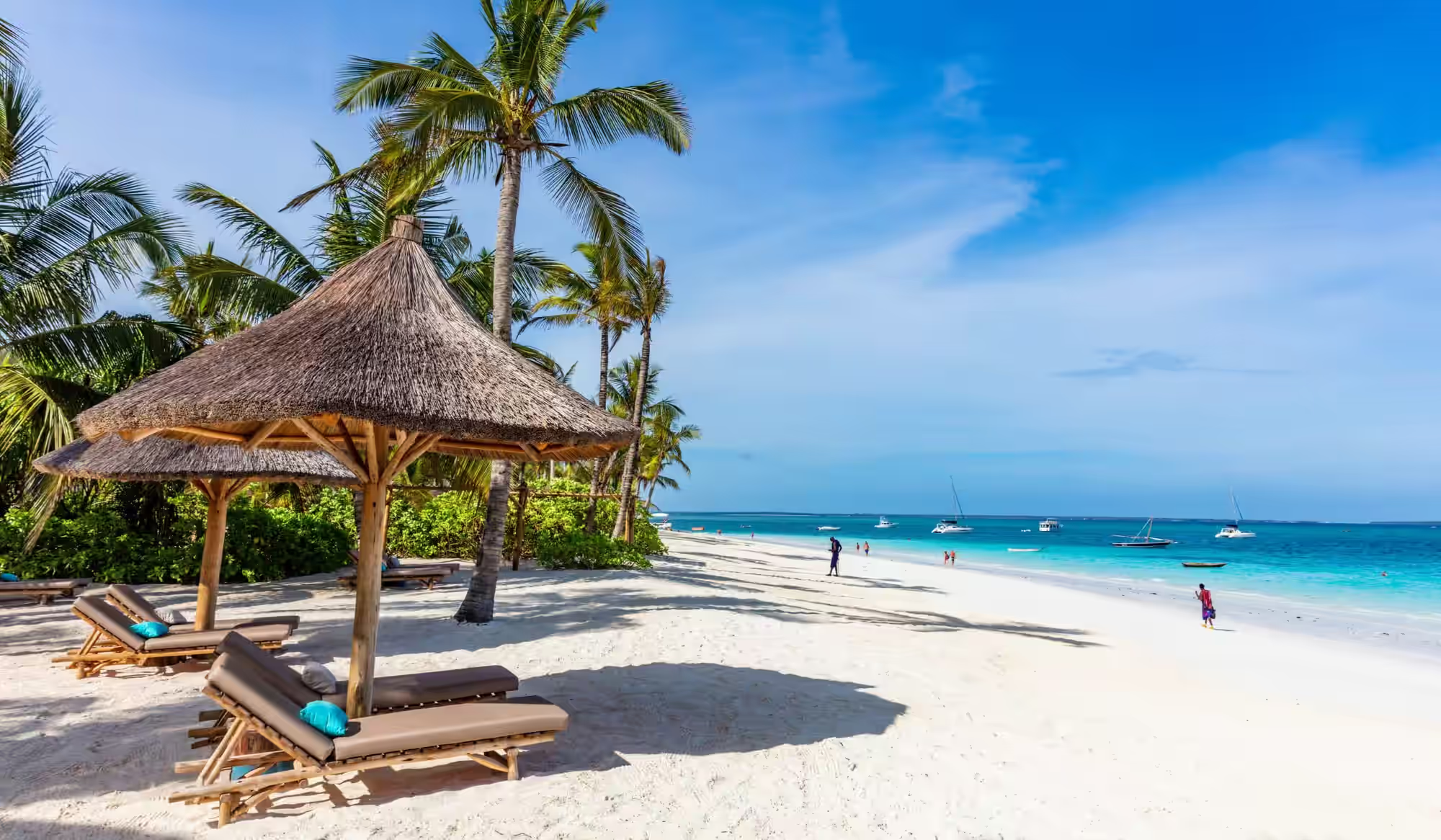
unguja ukuu village, south-central zanzibar.
the adventure begins at the unguja ukuu shoreline, where you board a traditional wooden dhow. unlike the busier hubs, the journey here is quiet and serene. you will sail toward miwi island, an uninhabited coral outcrop surrounded by crystal-clear shallow water, perfect for exploring the small caves and coastal vegetation. next, the tour heads to nyange sandbank, a massive stretch of blindingly white sand that emerges during low tide. here, you can enjoy a secluded lunch, snorkel in vibrant coral gardens teeming with tropical fish, and relax in total privacy. the return journey often involves a "sunset sail" through the mangrove channels that line the unguja ukuu coast.
Learn More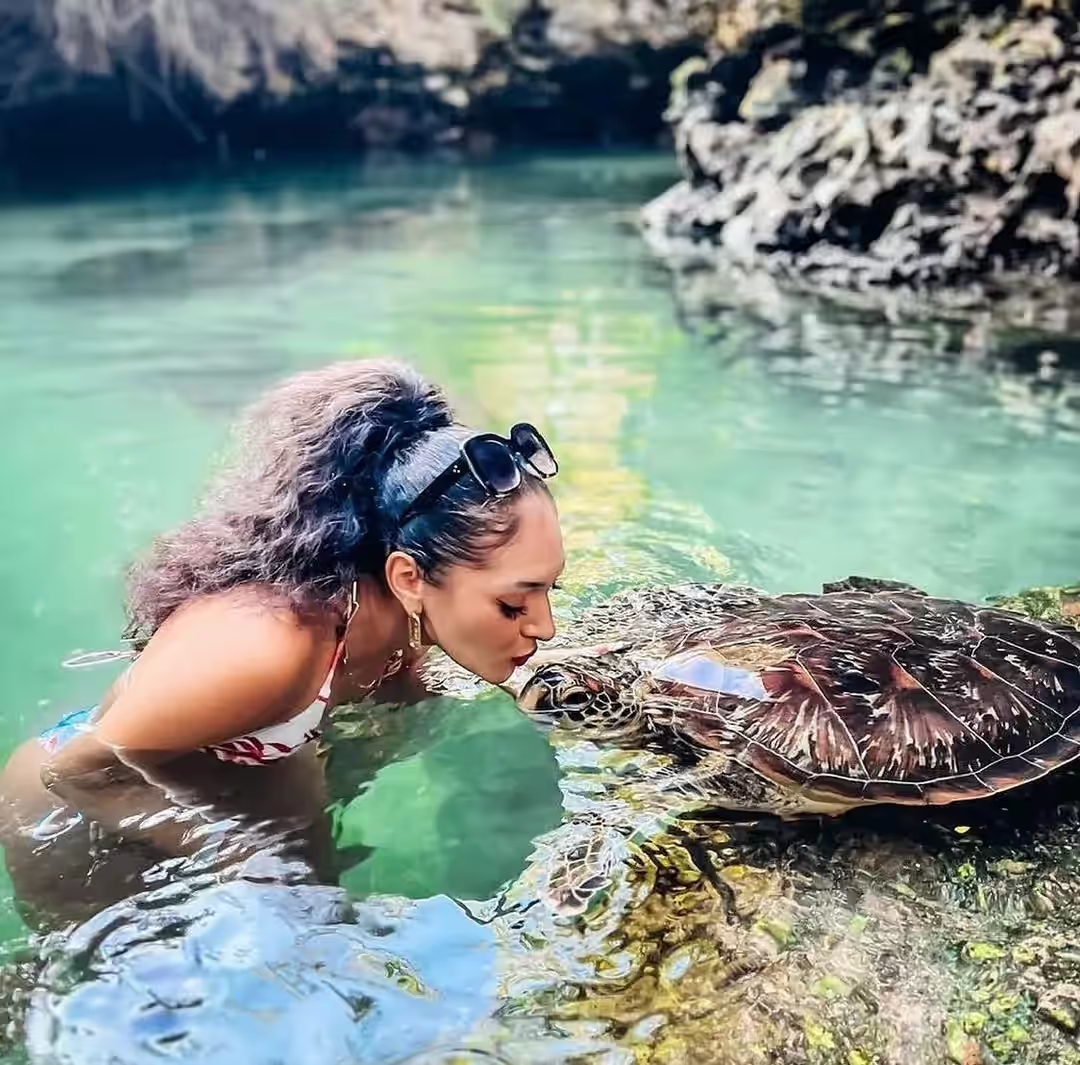
Baraka Natural Aquarium, Nungwi, Zanzibar.
Located in Nungwi, this natural aquarium is filled with turquoise sea water that rises and falls with the tides. The turtles are brought here after being caught in fishermen's nets or as hatchlings to be protected until they reach a safe size for release. Visitors can enter the water to swim alongside the turtles and feed them seaweed. It is a highly tactile experience that provides excellent opportunities for underwater photography.
Learn More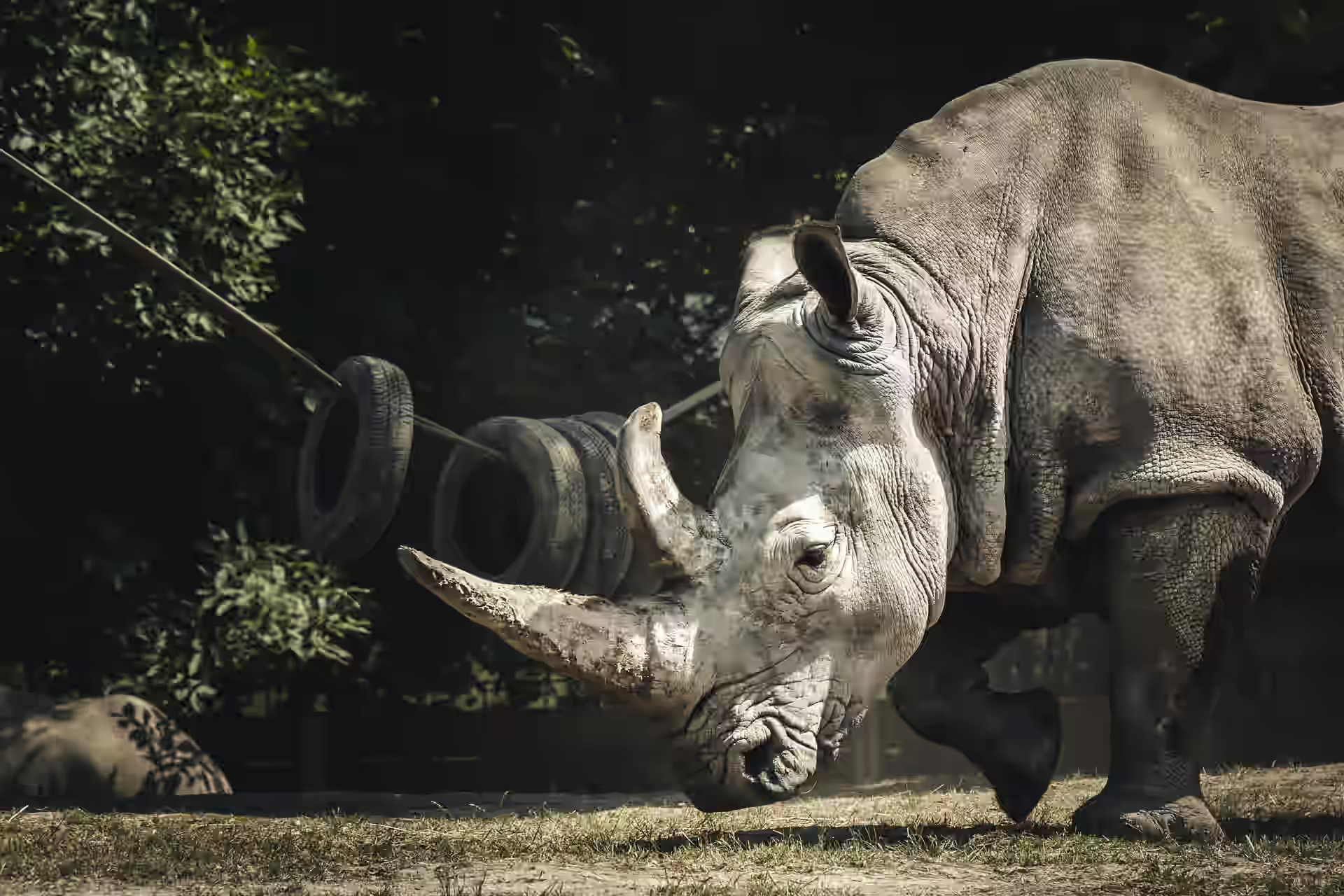
Ziwa Rhino & Wildlife Ranch, Nakasongola District.
Located in Nakasongola, the sanctuary serves as a halfway point between Kampala and Murchison Falls National Park. Upon arrival, you are assigned a ranger who provides a safety briefing before heading into the bush. You will drive to a starting point near the rhinos' current location and then proceed on foot through the savannah and thickets. The rangers are highly knowledgeable about the individual rhinos (who all have names) and their social behaviors. You will typically be allowed to observe them at a safe distance of about 6 to 10 meters, watching them graze, sleep, or interact with their young.
Learn More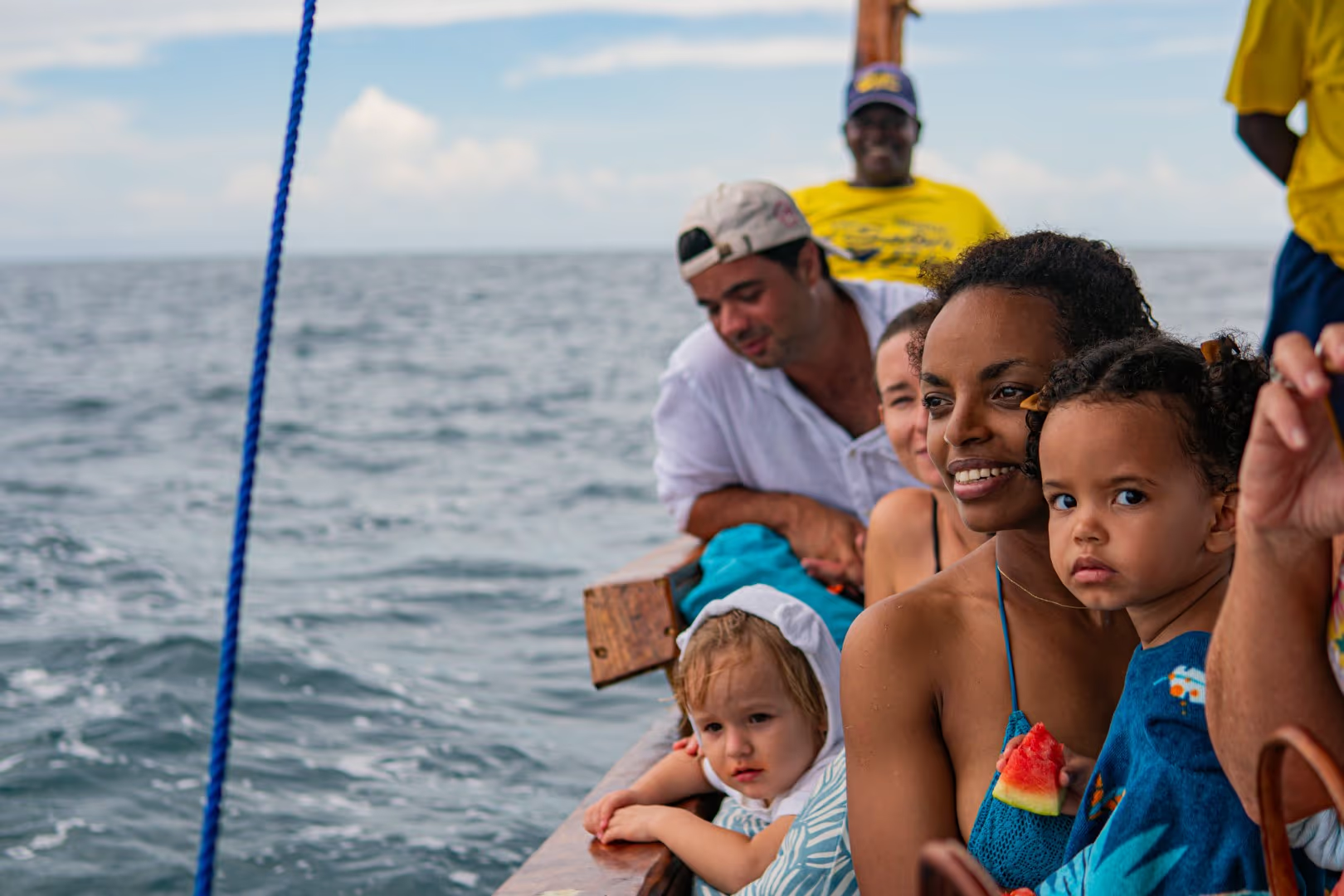
Fumba Village, Menai Bay, Zanzibar.
The day begins at the Fumba seafront, where you board a hand-crafted dhow. The itinerary is tide-dependent but typically starts with a sail into the turquoise waters of Menai Bay, where you have a 90% chance of spotting Indo-Pacific humpback and bottlenose dolphins. You will stop for a guided snorkeling session at two different reefs, teeming with schools of tropical fish and healthy coral. Later, the boat anchors at a pristine sandbank for fresh tropical fruit and swimming. After working up an appetite, you head to Kwale Island for a massive seafood BBQ buffet served in an open-air restaurant. The afternoon includes a visit to an ancient, fallen baobab tree and a swim in a natural "blue lagoon" mangrove pool before sailing back to Fumba as the sun begins to lower.
Learn More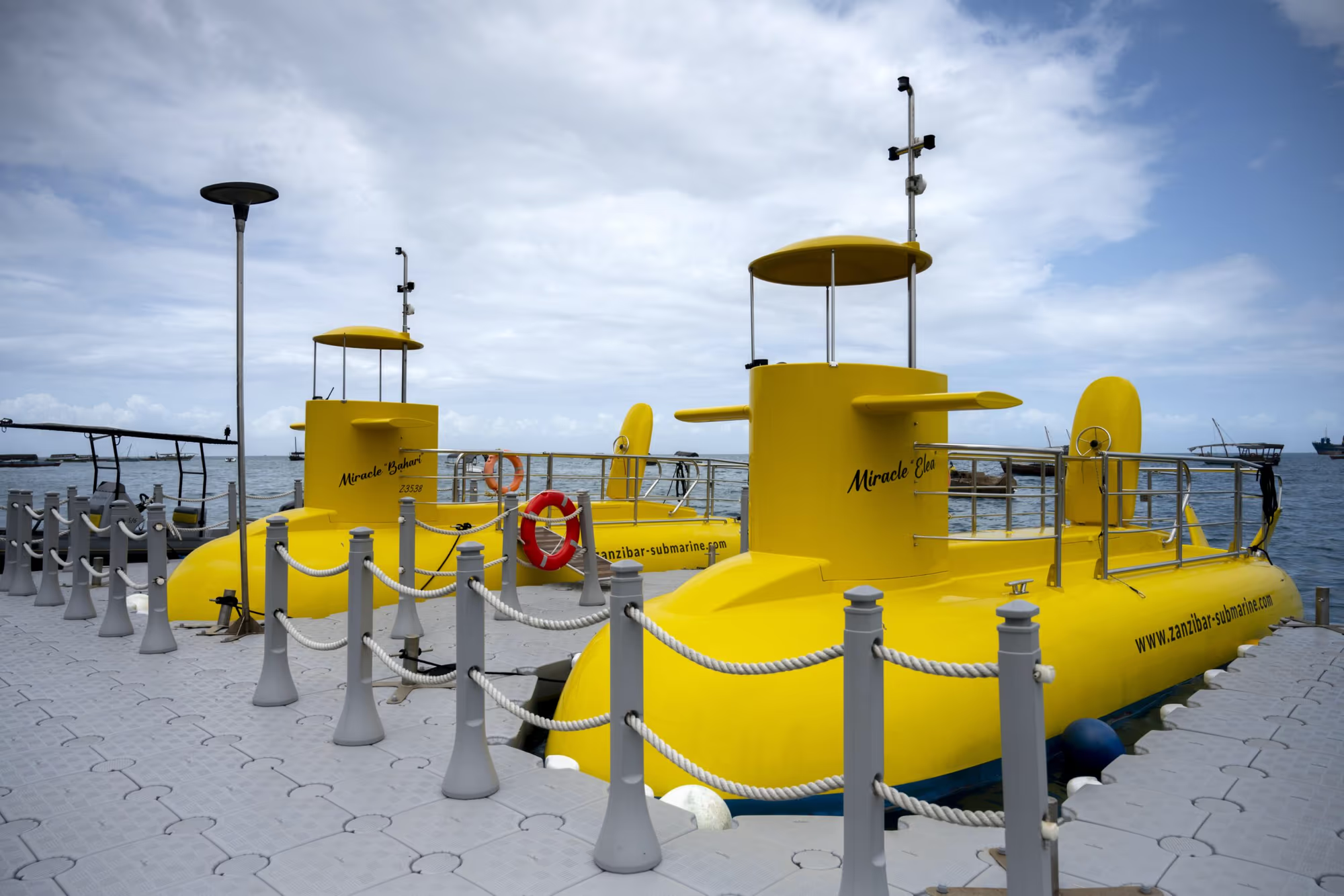
stone town or nungwi waterfront (depending on operator).
operating during the peak daylight hours for maximum visibility, the semi-submarine departs from the shoreline and heads directly to the protected coral gardens. guests are invited into the submerged viewing cabin, positioned roughly two meters below the water’s surface. as the vessel glides slowly over the reef, an on-board guide identifies various species of hard and soft corals, anemones, and a kaleidoscope of tropical fish. the tour provides a unique perspective on the vertical structure of the reef that is often difficult to see from the surface. throughout the journey, you remain in an air-conditioned space, making it an ideal choice for those who want to avoid the midday sun or salt water.
Learn More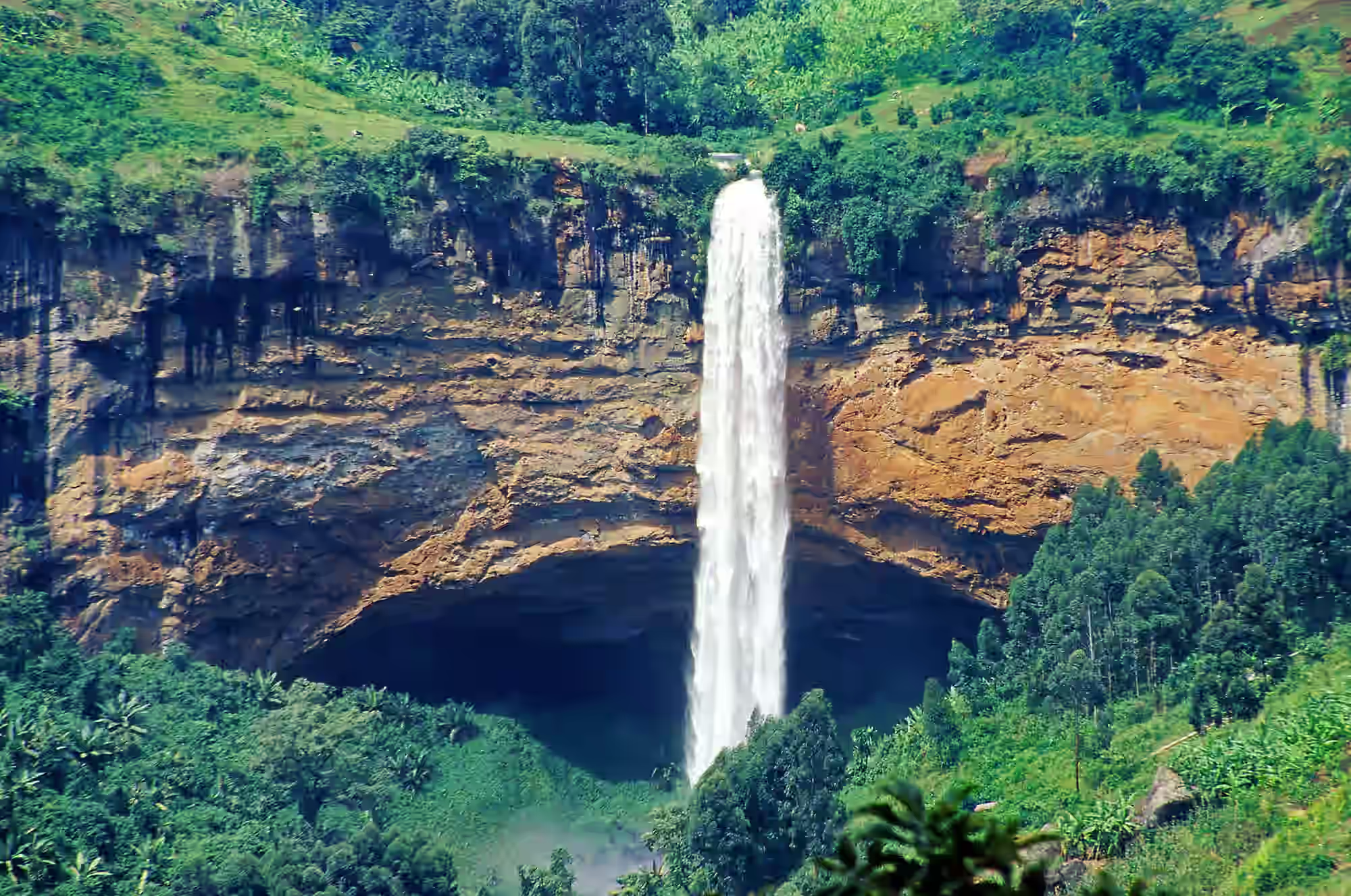
Sipi Village, Kapchorwa District.
The hiking experience typically covers a network of community trails that connect the three distinct tiers of waterfalls. Waterfall 1 (Main Falls): The most iconic, dropping nearly 100 meters. This is the primary site for abseiling. Waterfall 2 (Simba Falls): A 74-meter drop that features a small cave behind the curtain of water, perfect for cooling off. Waterfall 3 (Ngasire Falls): At roughly 85 meters, this tier offers the most expansive views of the Karamoja plains below. The walk takes you directly through smallholder coffee farms and local villages. Most tours include a "crop-to-cup" coffee demonstration where you can help roast and grind your own Arabica beans. Unlike many national park hikes, Sipi is a community-run experience, meaning your guide is usually a resident who can share personal stories about the land and its history.
Learn More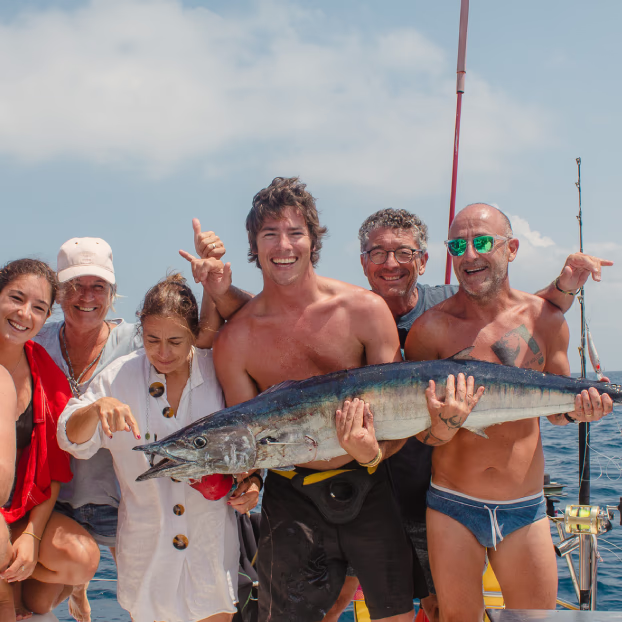
nungwi / kendwa (north coast) or fumba (south coast).
the day starts early at the nungwi or kendwa shoreline, where you meet your professional crew and board a fully equipped sportfishing boat. these vessels are outfitted with high-end rods, reels, and outriggers, along with electronic fish-finders and gps. as you head into deep water, the crew will set a spread of lures or live bait. you'll spend the day trolling the drop-offs where the ocean floor plunges to great depths, attracting massive predators. most charters operate on a "tag and release" policy for billfish to support conservation, though other table fish can often be kept. a packed lunch and plenty of chilled refreshments are served on board while you wait for the reels to scream.
Learn More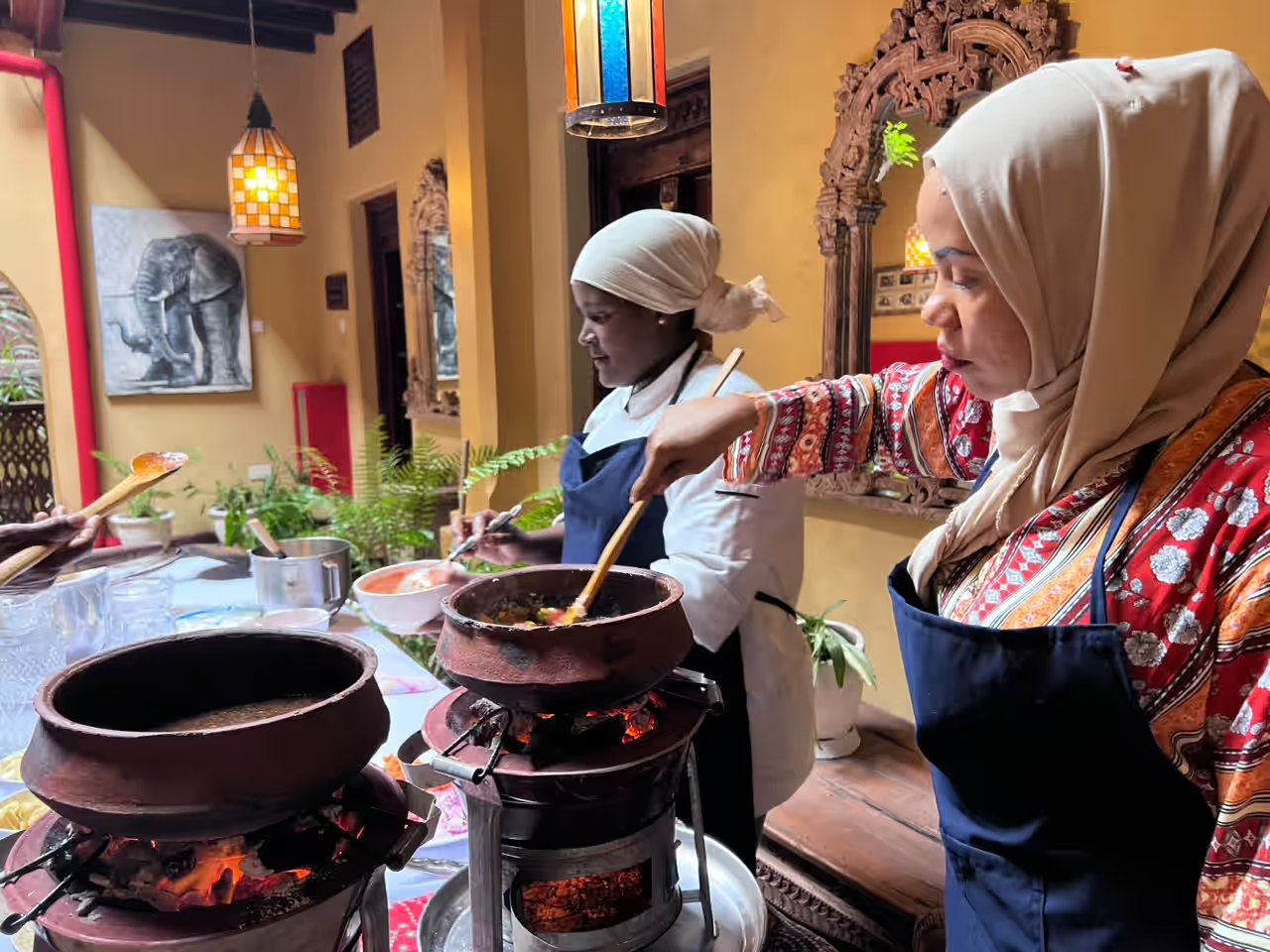
various locations in stone town or rural zanzibar villages.
the experience typically begins with a guided visit to a local market (like darajani market to source fresh, seasonal ingredients such as ginger, turmeric, cardamom, and coconut. you will then head to a traditional outdoor kitchen or a village home. under the guidance of a local chef or "mamma," you will learn the art of hand-grating coconuts, blending fresh spices, and mastering authentic techniques. the session culminates in a communal meal where you enjoy the dishes you've prepared, typically served on large platters in true swahili style.
Learn More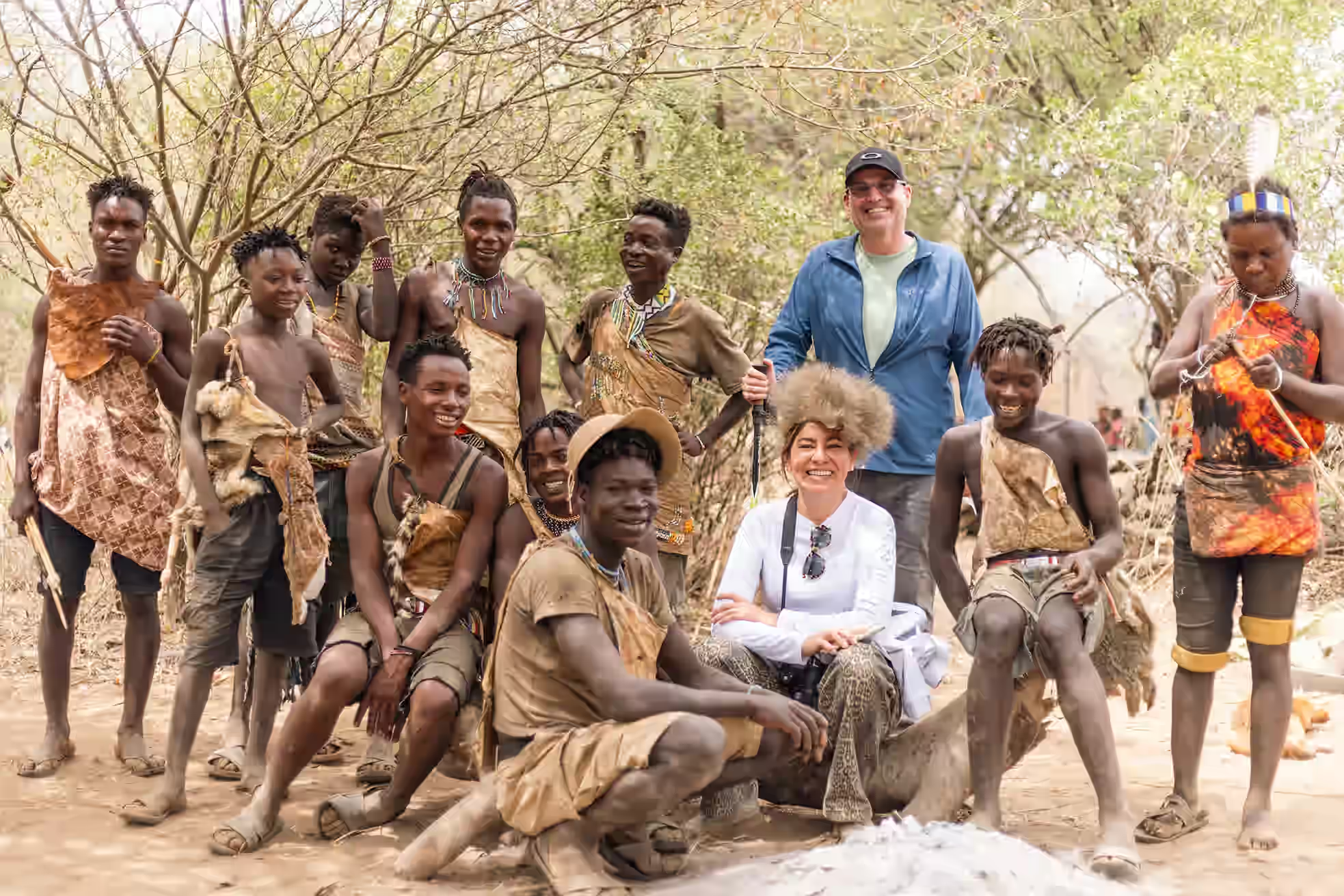
Lake Eyasi, Ngorongoro Conservation Area (Environs), Tanzania.
Step back in time for a morning with the Hadzabe, one of the world's last remaining true hunter-gatherer tribes. This is not a choreographed performance; it is a raw invitation into their daily survival. You will join the men as they track wild game using hand-carved bows or follow the women as they forage for wild tubers and baobab fruit. You will witness the art of making fire from sticks, listen to the rhythmic sounds of their unique click language, and gain a profound understanding of a culture that lives in total harmony with the Tanzanian wilderness.
Learn More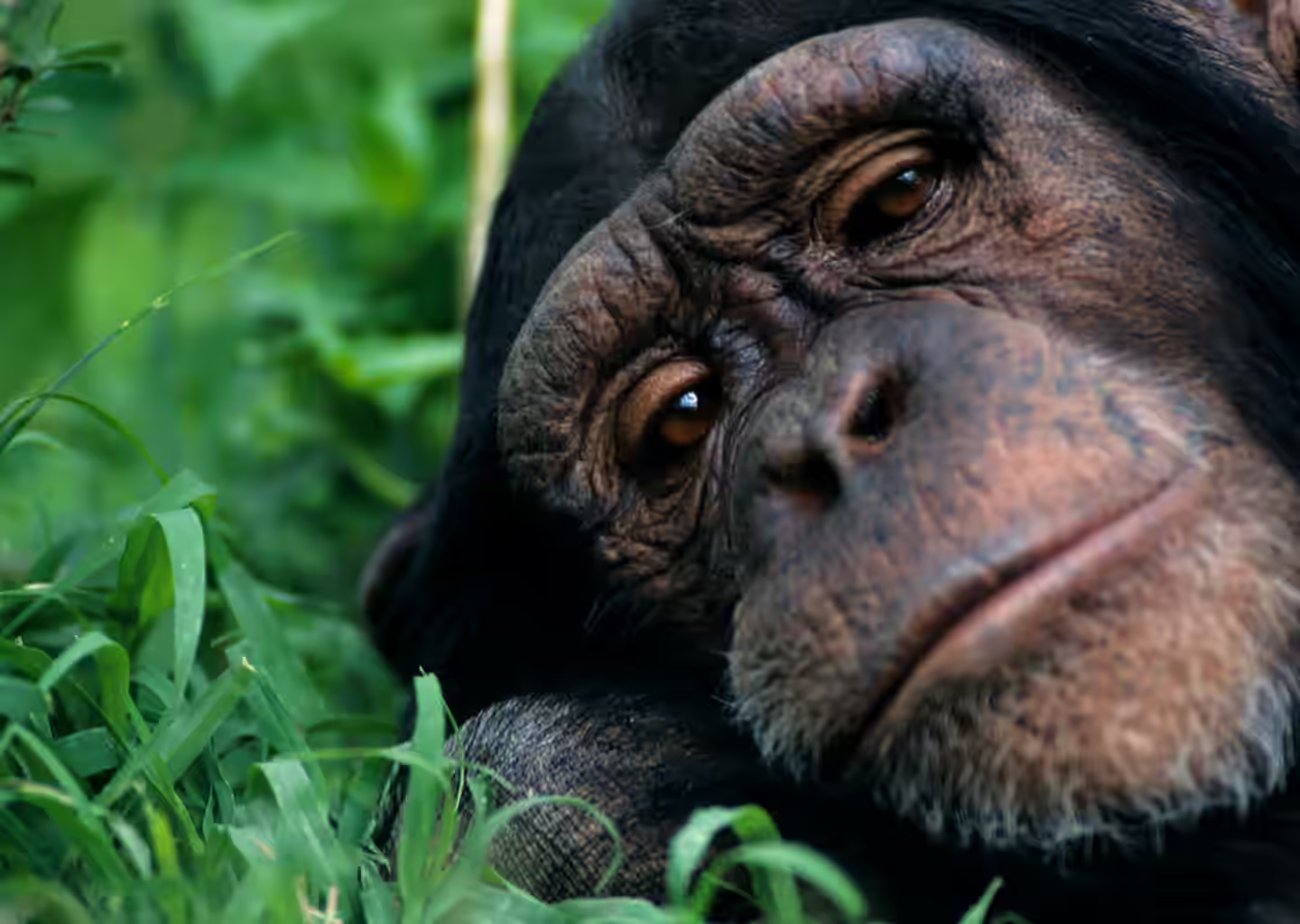
bwindi impenetrable national park
The experience begins at dawn with a briefing at the park headquarters of either bwindi impenetrable national park or mgahinga gorilla national park. you are assigned to a specific habituated gorilla family based on your fitness level. led by expert rangers and trackers, you hike through dense vegetation, steep ridges, and muddy trails. the trek can last anywhere from 2 to 7 hours depending on the gorillas' movement. once found, you spend exactly one hour watching the family groom, feed, and play, maintaining a safe distance of 7 to 10 meters.
Learn More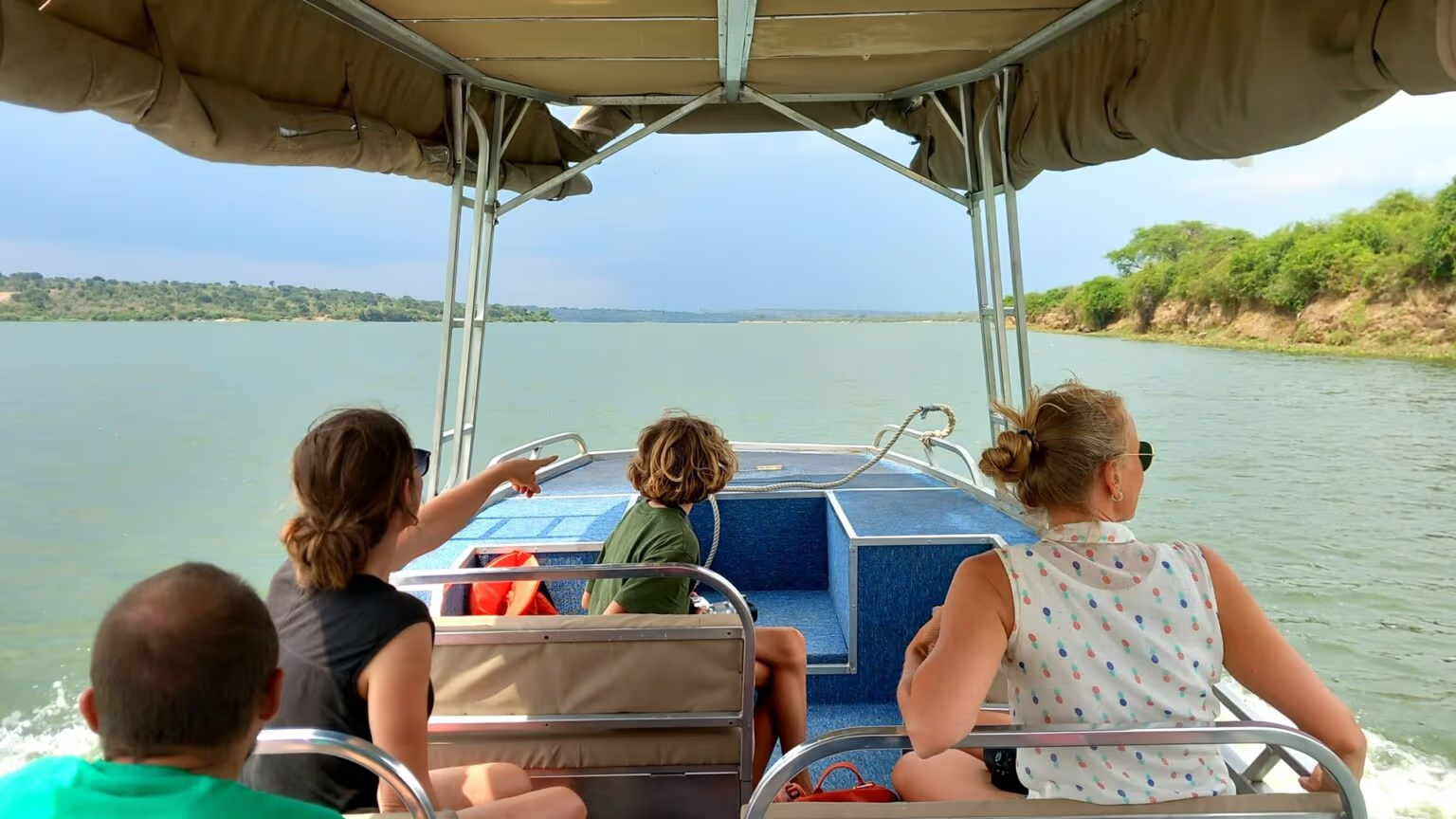
Mweya Peninsula, Queen Elizabeth National Park.
The boat departs from the Mweya Peninsula and cruises slowly along the banks of the channel. This "water safari" offers a unique vantage point that traditional game drives cannot match. You will move within meters of massive pods of hippos and solitary Nile crocodiles sunning themselves on the banks. During the dry season, the shoreline becomes a bustling hub for elephants, buffaloes, and waterbucks that come down to drink and bathe. For bird enthusiasts, the channel is a paradise, featuring over 60 species frequently seen on a single trip, including the African Skimmer, Great White Pelicans, and the iconic African Fish Eagle.
Learn More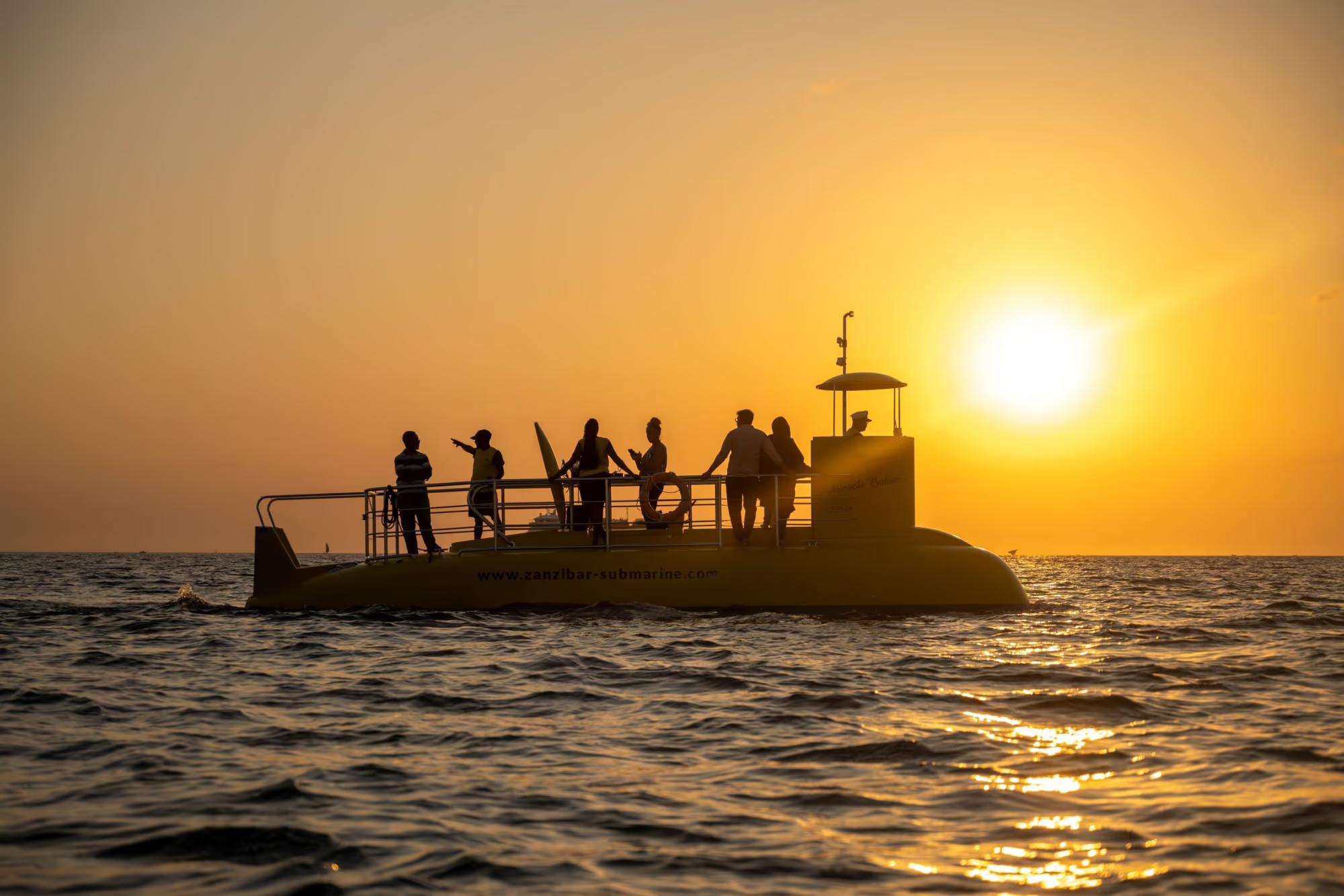
stone town or nungwi waterfront (depending on operator).
departing from the stone town or nungwi waterfront, the semi-submarine features a submerged hull equipped with high-definition glass windows. guests can descend into the air-conditioned underwater cabin to observe the vibrant coral reefs and tropical fish while remaining completely dry. as the tour progresses, you’ll head into deeper water to watch the marine landscape shift under the changing evening light. for the second half of the trip, guests move to the open-air upper deck. here, you can enjoy chilled beverages and appetizers as the sun sets over the indian ocean, providing a perfect 360-degree view of the zanzibar coastline.
Learn More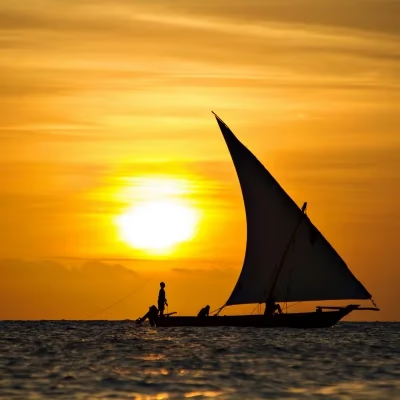
offers views of the historic seafront, the sultan’s palace, and forodhani gardens.
the cruise typically begins in the late afternoon as you board a traditional sailing dhow—a vessel used for centuries by traders across the indian ocean. once the sails are hoisted, the boat glides along the coastline of stone town or nungwi. you can lounge on cushions and rugs across the deck while live musicians often play traditional taarab music or upbeat drumming. as the sun dips toward the horizon, the crew serves swahili snacks and chilled drinks. the highlight is the "golden hour" photography opportunities and the serene atmosphere as the dhow sails back to the shore under the twilight sky.
Learn More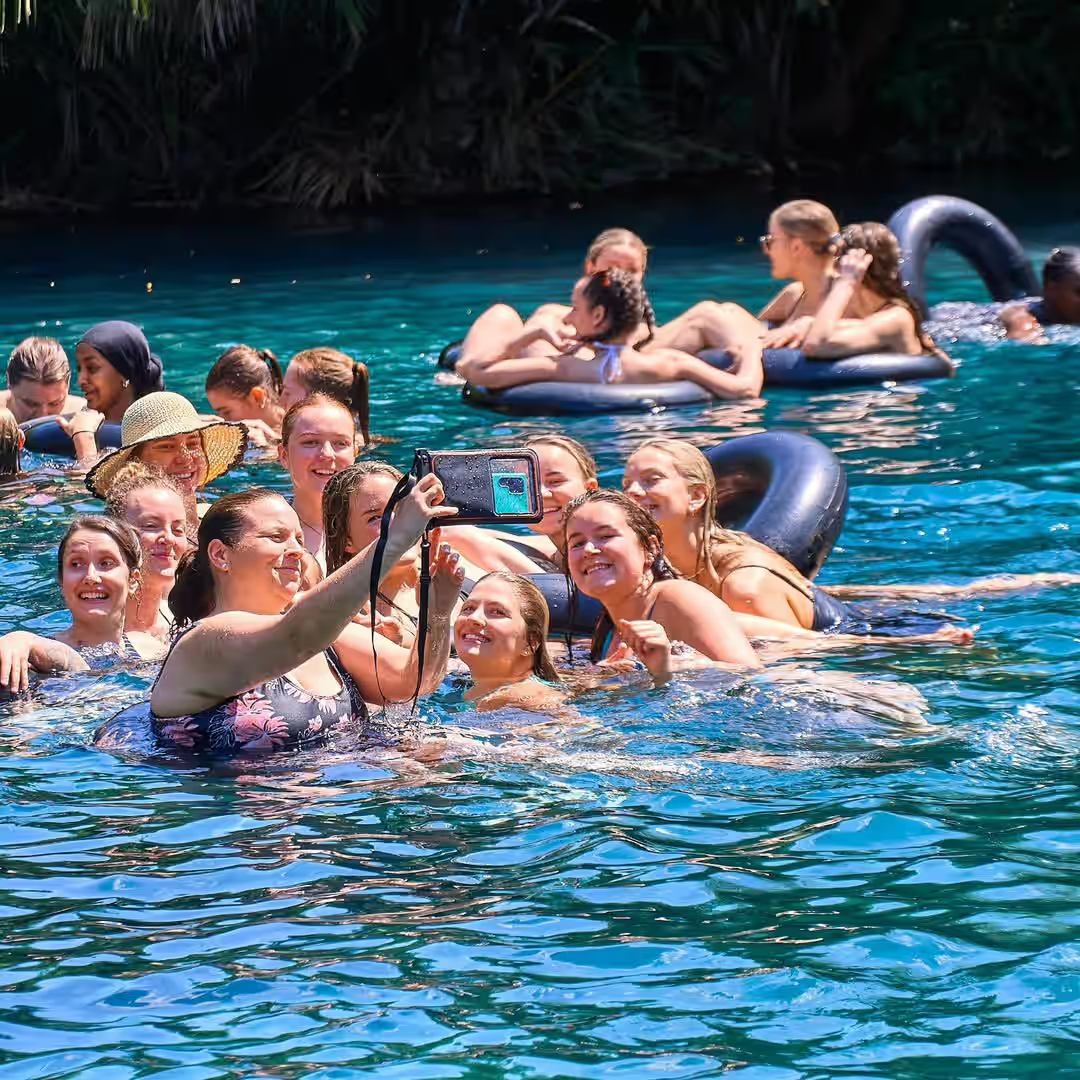
Rundugai, Kilimanjaro Region.
The experience centers on a collection of deep, spring-fed pools surrounded by massive, twisting fig and palm trees. The water maintains a refreshing 27°C (80°F) year-round and is so transparent that you can see all the way to the 10-meter-deep bottom. Visitors can float in the calm currents, use the iconic rope swings to jump into the water, or enjoy a natural "fish spa" as tiny fish nibble at your feet. The area includes shaded picnic spots and local stalls serving grilled meats (Mishkaki), Chips Mayai, and cold beverages.
Learn More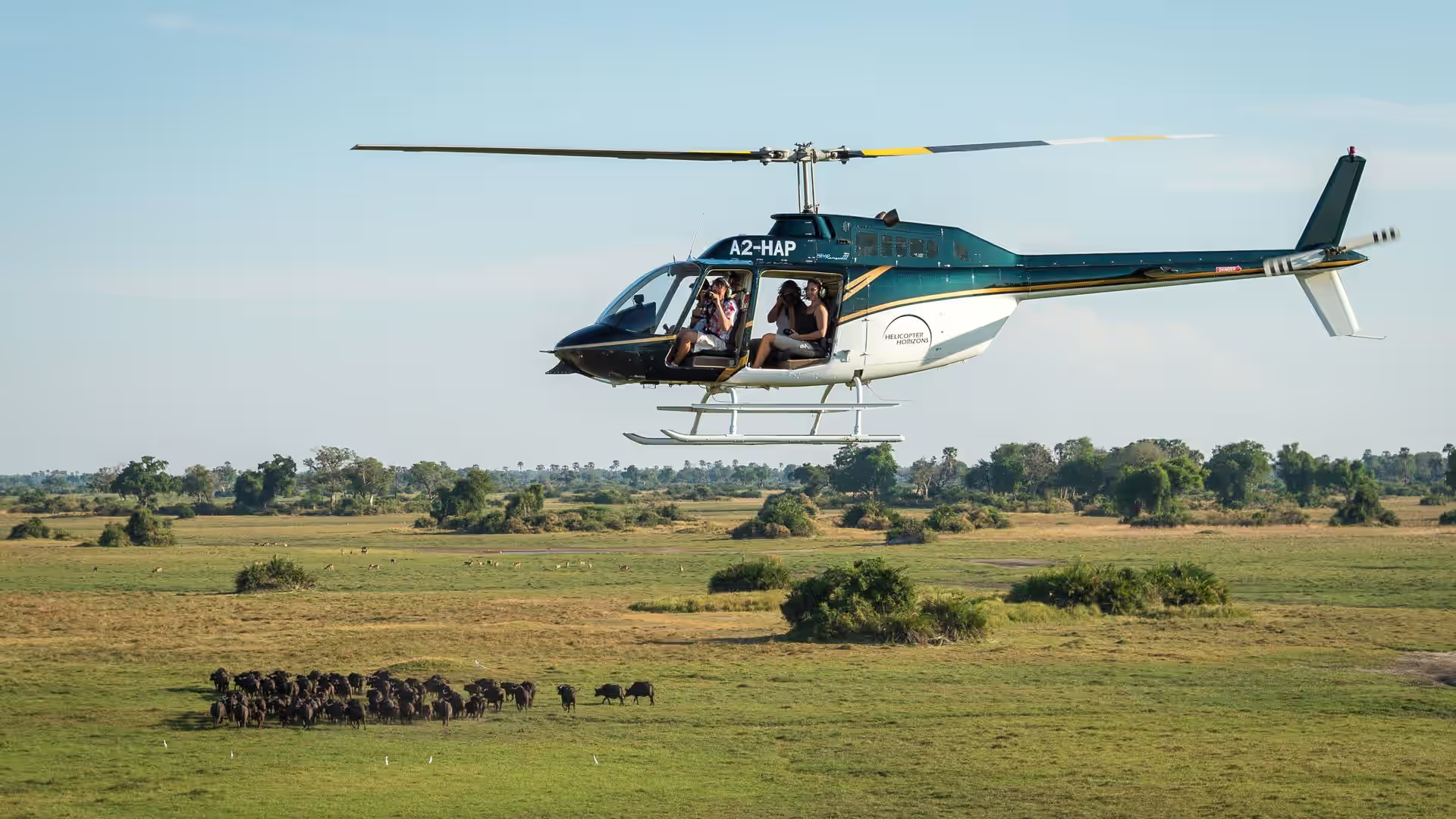
Okavango Delta (departing from Maun or bush airstrips)
No perspective on the Okavango Delta is more dramatic or breathtaking than from the air. Scenic helicopter and charter flights reveal the full magnificence of this UNESCO World Heritage Site — an inland delta of crystalline channels, floodplains shimmering with reflected sky, hippo-filled lagoons, and islands carpeted in fig and palm trees. From altitude, elephant herds appear as orderly processions threading through golden grass, while aerial views expose the geometric beauty of channels and oxbows that are invisible from ground level. Helicopter flights are particularly exhilarating, as the aircraft can hover, descend, and land in remote locations for bush walks or picnics. Charter flights in light aircraft connect remote camps and simultaneously deliver aerial sightseeing. Experienced pilots double as informative guides, identifying wildlife, geographical features, and ecological zones throughout the flight. A quintessential luxury safari add-on and a must-do for photography enthusiasts.
Learn More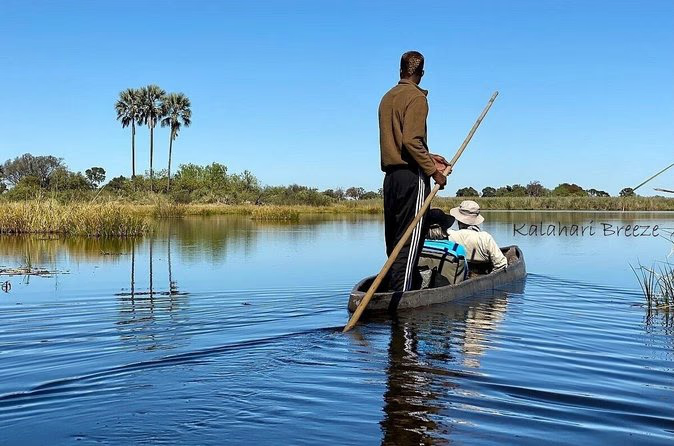
Okavango Delta
Drift silently through the labyrinthine waterways of the Okavango Delta aboard a traditional mokoro — a dugout canoe expertly poled by a local guide. This iconic water safari offers an intimate, ground-level perspective of one of Africa's most pristine freshwater ecosystems. Guests glide past dense papyrus reed beds, lily-covered lagoons, and crystalline channels while spotting hippos, elephants cooling at the water's edge, crocodiles basking on mudbanks, and an extraordinary array of birdlife including malachite kingfishers, African fish eagles, and jacanas. The near-complete silence of the mokoro — no engine, no noise — makes it perfect for photography and deep immersion in the natural environment. Experienced polers narrate the journey, sharing knowledge of plants, tracks, and the Delta's ecology. Excursions can be combined with bush walks on islands for a complete Delta experience.
Learn More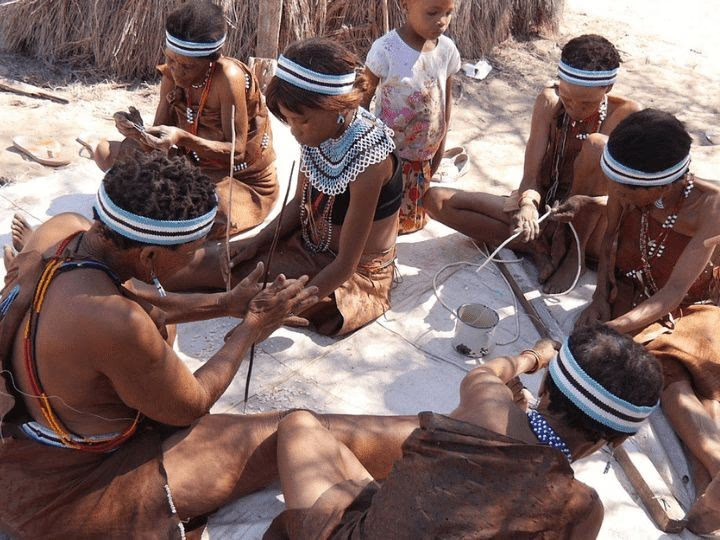
Kalahari Desert Communities, Central Botswana
The San Bushmen — also known as the Basarwa — are among the world's oldest surviving indigenous cultures, with a heritage reaching back more than 70,000 years. Cultural visits to San communities in and around the Central Kalahari Game Reserve offer guests a profound and deeply respectful window into one of humanity's most ancient ways of life. Accompanied by community members and interpreters, guests learn the ancient art of fire-making using hand-spun wooden sticks, witness extraordinary traditional tracking skills as guides read the Kalahari sand like an open book, and observe the preparation of wild plants, roots, and insects as food and medicine. Storytelling sessions around a fire bring to life the spiritual beliefs, folklore, and cosmology of the San people, while traditional music and dance demonstrations reveal an artistic culture of remarkable richness. All visits are organised in partnership with local communities and contribute directly to community livelihoods. This is cultural tourism at its most meaningful and transformative.
Learn More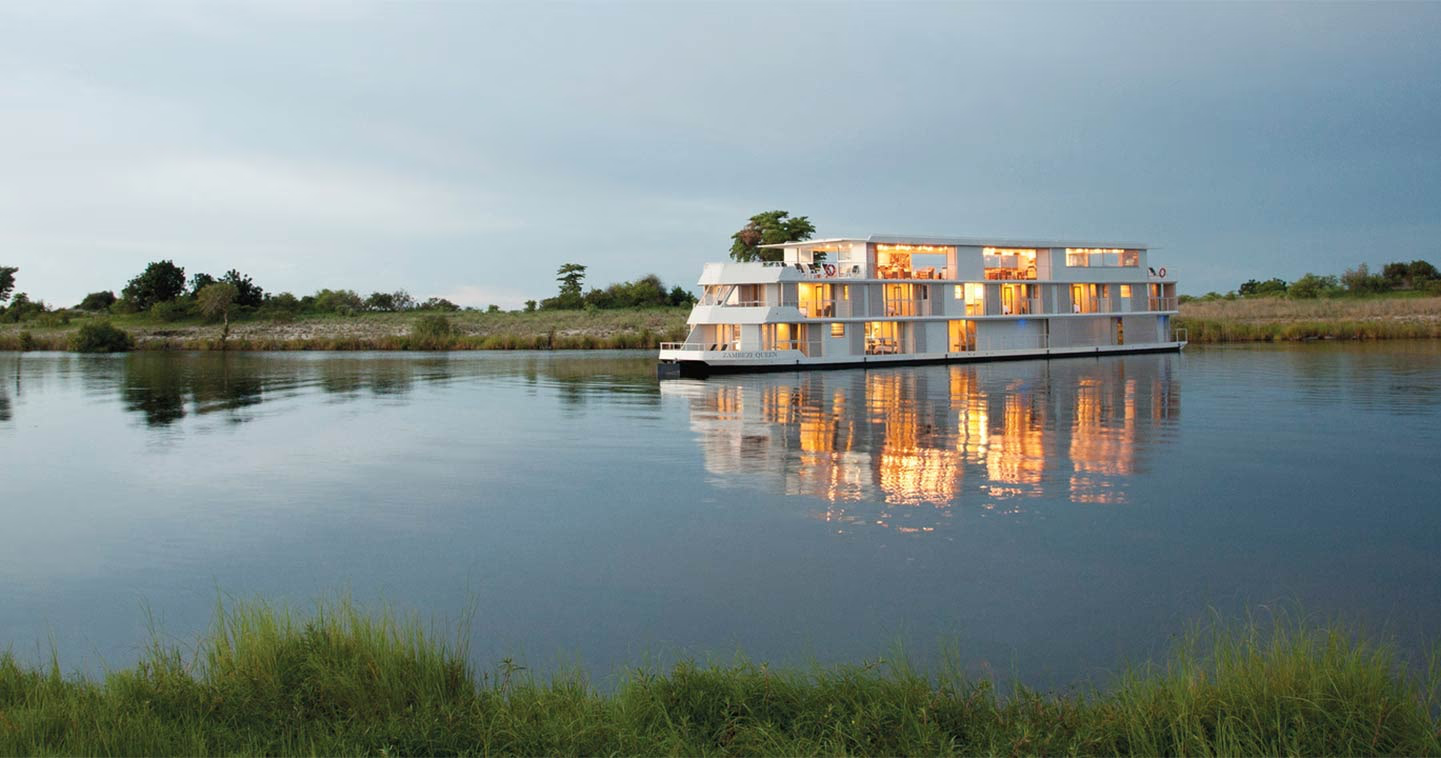
Chobe River, Chobe National Park
The Chobe River boat cruise is consistently rated among the top wildlife experiences in all of southern Africa. Gliding along the banks of the Chobe River — which forms the border between Botswana and Namibia — guests are treated to some of the continent's highest concentrations of elephants, with hundreds regularly crossing the river in impressive herds. Hippos yawn and surface in pods, enormous Nile crocodiles bask on sandy banks, and African fish eagles call from towering fig trees overhead. Sunset cruises bathe the landscape in a warm golden light while guests enjoy drinks on deck, creating a quintessentially African atmosphere. The Chobe is also a world-class birding destination, with thousands of carmine bee-eaters, open-billed storks, kingfishers, herons, and waders along the banks. Professionally crewed vessels — ranging from intimate pontoon boats to larger multi-deck cruisers — navigate close to wildlife safely and quietly, delivering extraordinary close-up photographic opportunities.
Learn More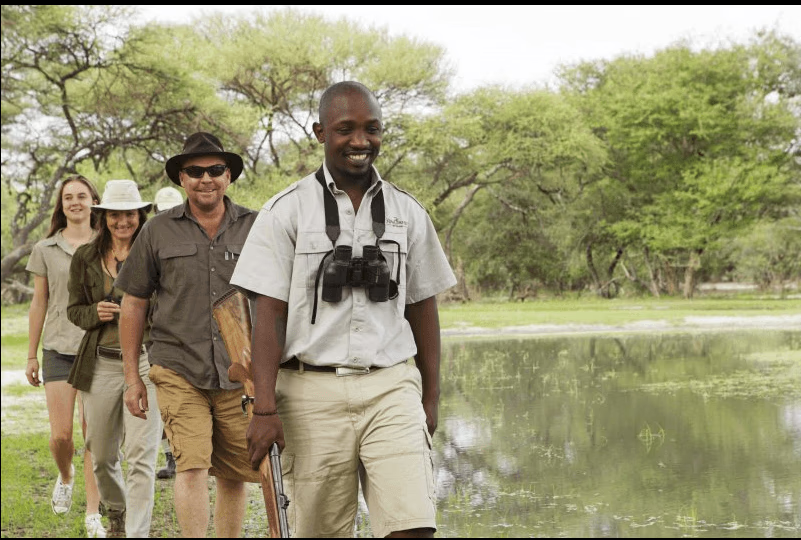
Khwai Concession, Northern Botswana
Walking safaris bring you face-to-face with the African wilderness in the most primal and authentic way possible. Led by highly trained, armed professional guides, bush walks in the Khwai Concession and throughout the Okavango Delta strip away the barrier of a vehicle and immerse guests entirely in the sights, sounds, smells, and textures of the bush. Guides interpret the landscape as a living library — reading lion tracks pressed into soft earth, identifying medicinal plants used by local communities for centuries, explaining the behaviour of dung beetles and termites, and pinpointing the distant alarm calls of birds that reveal a hidden predator. Guests experience the bush at the pace of a walking animal, developing a depth of understanding unavailable from any vehicle. Encounters with elephant, giraffe, and antelope on foot — managed expertly by guides — create memories that endure long after the safari ends. Walking safaris are transformative, intimate, and deeply educational.
Learn More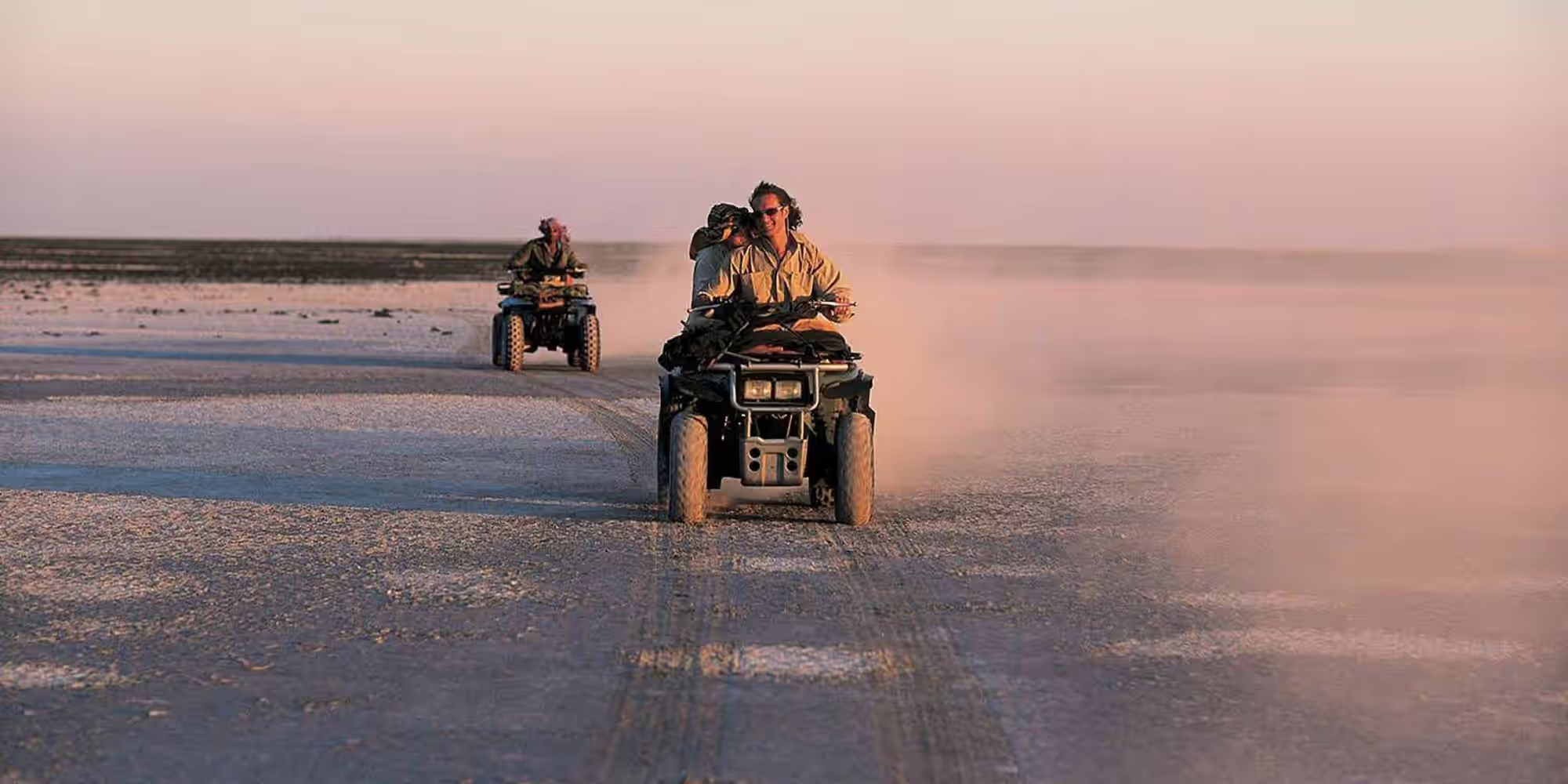
Makgadikgadi Pans National Park & Ntwetwe Pan
The Makgadikgadi Salt Pans form one of the largest salt flat complexes on Earth — an otherworldly, bleached landscape stretching as far as the eye can see, offering an experience utterly unlike any conventional safari. Quad biking across the pans delivers exhilarating freedom as riders traverse the vast white expanse at speed, with nothing but an infinite sky above and a hard, cracked pan surface underfoot. The landscape shifts dramatically with the seasons — in the dry season the pans are blinding white and mirror-flat; during summer rains they fill with shallow water that attracts enormous flocks of flamingos and pelicans. Night rides under the Milky Way are a particular highlight, as Makgadikgadi — far from any light pollution — offers some of the finest stargazing in Africa. Guides accompany all rides, providing safety briefings, leading routes, and sharing the extraordinary natural history of this ancient lakebed, which once held one of the largest lakes on the continent.
Learn More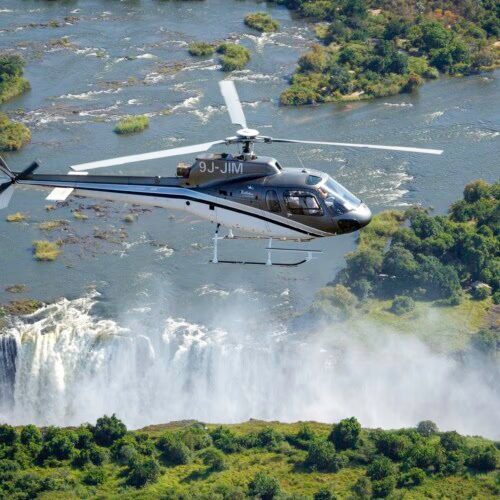
Victoria Falls
Experience one of Africa’s most iconic aerial adventures with a helicopter flight over the legendary Victoria Falls. Known as the “Flight of Angels,” this scenic helicopter tour provides breathtaking panoramic views of the world’s largest curtain of falling water, the mighty Zambezi River, Batoka Gorge, and surrounding wilderness areas. Flights typically depart from helipads near Victoria Falls town or Livingstone and include sweeping circular passes over both the Zimbabwean and Zambian sides of the falls, ensuring all passengers enjoy exceptional photo opportunities. Longer flights continue downstream into the dramatic Batoka Gorge and upstream over the Zambezi River where wildlife such as elephants, hippos, crocodiles, and buffalo may be spotted. The experience includes a safety briefing, hotel transfers from Victoria Falls accommodations, and professional pilots trained to international aviation standards. The helicopter ride is considered one of the best ways to appreciate the immense scale and beauty of Victoria Falls.
Learn More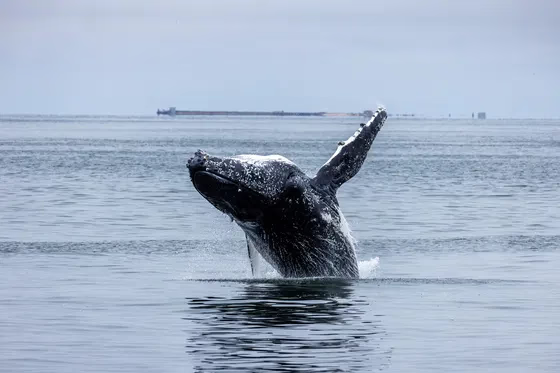
Walvis Bay Waterfront (Atlantic Street / Yacht Club jetty), Walvis Bay, Namibia
Step aboard a spacious, twin-hulled luxury catamaran at the Walvis Bay Waterfront and set sail into the frigid, nutrient-rich waters of the Atlantic Ocean. This elite morning cruise is designed to showcase Namibia's "Marine Big 5"—Cape fur seals, bottlenose and endemic Heaviside’s dolphins, leatherback turtles, elusive sunfish (Mola mola), and majestic migrating whales (such as Humpback and Southern Right whales, primarily spotted between June and November).The adventure begins almost instantly. Before the boat even clears the harbor limits, bold and habituated Cape fur seals will regularly leap right onto the catamaran’s deck, looking for a fish reward and giving passengers an unforgettable up-close encounter. Elegant pelicans and swooping cormorants also glide alongside the vessel, occasionally landing on the railings to greet guests.As the catamaran cruises deeper into the bay, your expert marine guide will share insights into the bustling harbor logistics before steering towards the iconic Pelican Point peninsula. Here, you will view a massive, vocal colony of over 50,000 Cape fur seals splashing in the surf and sunning themselves on the sand beneath the historic cast-iron Pelican Point Lighthouse. Keep a sharp eye on the water trailing the boat; pods of playful dolphins frequently choose this area to surf in the catamaran's bow waves.The climax of the tour unfolds as the engines are dialed back to a gentle drift. Sheltered from the open ocean swells, the crew will serve a decadent, coastal lunch buffet on deck. Sip on perfectly chilled sparkling wine, enjoy light gourmet finger foods, and indulge in world-renowned, freshly harvested Namibian oysters. Savor this luxurious feast while surrounded by the raw, wild beauty of the Namibian coastline before a smooth sail brings you back to the waterfront.
Learn More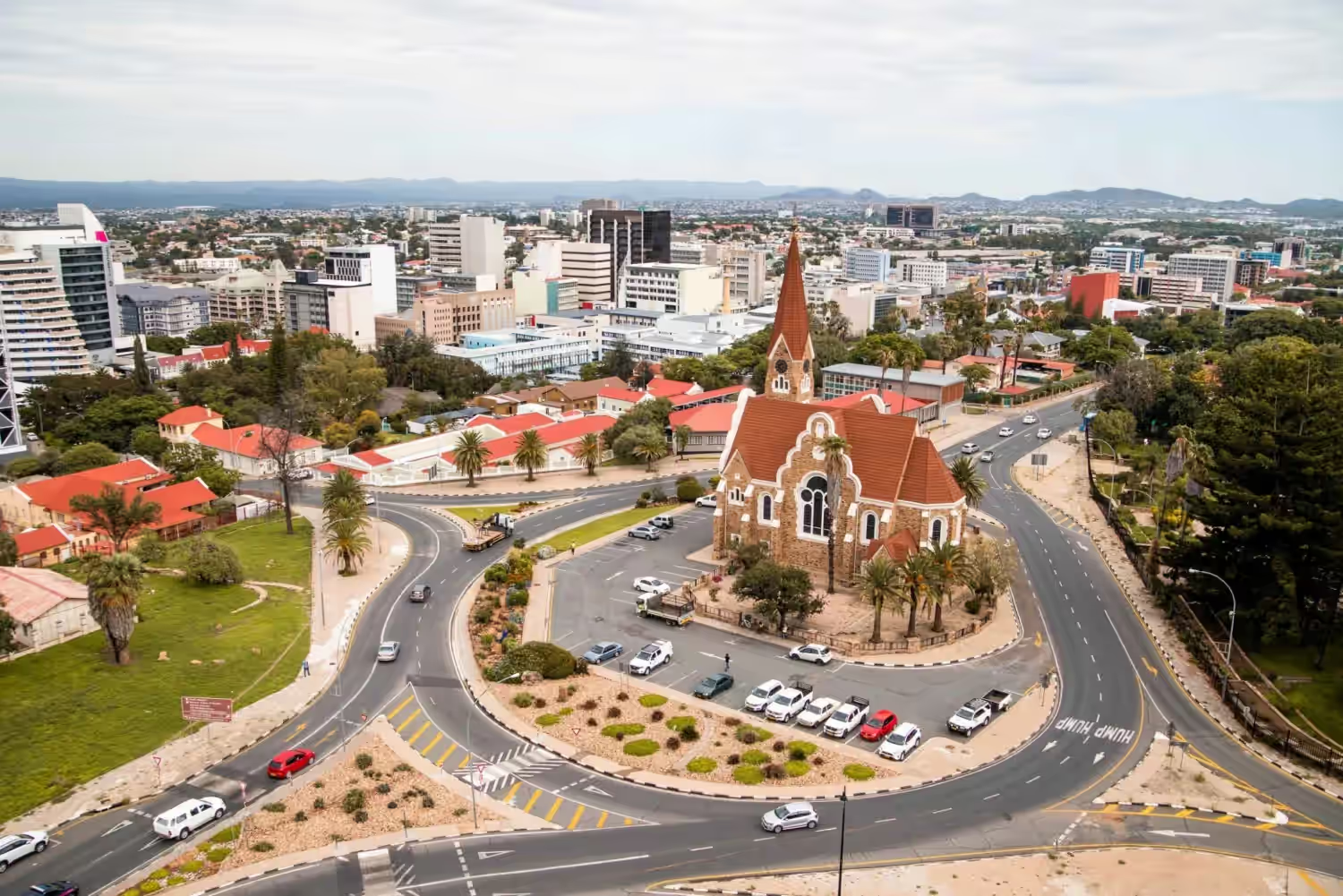
Centrally located Windhoek hotels, or designated operators like Chameleon Safaris (Ferry Street, Windhoek, Namibia)
Discover the dual soul of Namibia’s capital city on a guided journey that masterfully bridges the gap between colonial architecture and vibrant, modern African community life. The Windhoek Historical City & Katutura Township Tour provides an honest, eye-opening exploration of Namibia’s complex past and resilient future.The first half of your tour focuses on the pristine, European-influenced architectural landmarks of central Windhoek. You will stop at the iconic Christuskirche (Christ Church), a whimsical German Lutheran church built from local sandstone that blends neo-Gothic and Art Nouveau elements. Directly adjacent, you'll explore the manicured Parliament Gardens and step outside the imposing Tintenpalast ("Ink Palace"), the historic seat of Namibia's civilian government. Your guide will provide essential context regarding the country’s colonial history beneath the towering Independence Memorial Museum, detailing the road to freedom achieved in 1990.The narrative shifts dramatically as your driver moves north into Katutura Township, whose name translates to "The place where people do not want to live" in the Herero language—a poignant reminder of the forced apartheid relocations of 1950s segregation policies. Today, however, Katutura is an energetic hub of culture, enterprise, and community strength.
Learn More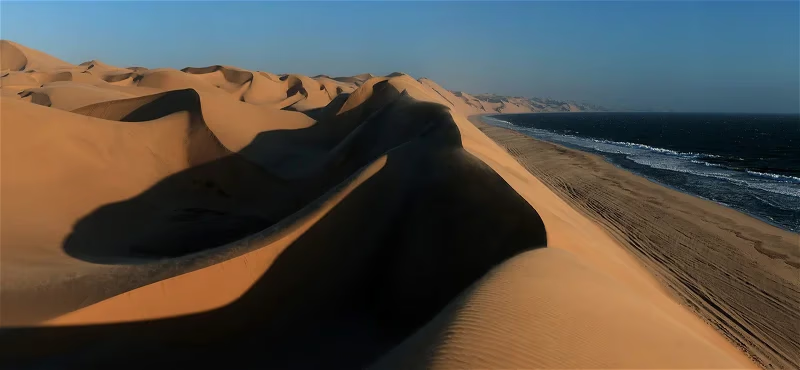
Walvis Bay Waterfront, Atlantic Street, Walvis Bay, Namibia
Embark on an unforgettable journey where the towering, ancient sand dunes of the Namib Desert collide dramatically with the roaring waves of the Atlantic Ocean. This guided 4x4 excursion takes you deep into the pristine wilderness of Sandwich Harbour, a globally recognized Ramsar wetland site isolated from modern development.Your adventure begins at the vibrant Walvis Bay Waterfront. The first stop brings you to the glassy waters of the Walvis Bay Lagoon, a shallow haven hosting up to 300,000 birds, including spectacular flocks of both Greater and Lesser Flamingos. From there, you will bypass the massive pink salt pans of the Walvis Bay Salt Works—the largest solar evaporation facility in Sub-Saharan Africa—before plunging into the untamed Kuiseb River Delta.As your expert guide deflates the vehicle's tires, the real thrill begins. You will navigate narrow strips of beach wedged tightly between rolling walls of sand and crashing surf. If the ocean tides allow, your 4x4 will take you right to the edge of the freshwater Sandwich Harbour Lagoon, home to pelicans, cormorants, and unique desert-adapted flora like the ancient !Nara plant.When the tides block the lower beach route, your driver will expertly ascend the massive sand cliffs, conquering dunes that soar over 100 meters high. At the crest of the desert, you'll step out to a breathtaking, panoramic view of the Atlantic coast. Here, surrounded by absolute silence, you will be treated to a luxurious, windswept lunch featuring fresh, world-class Namibian oysters, light finger foods, and chilled sparkling wine. Keep your eyes peeled throughout the day for iconic desert wildlife, including Oryx antelopes, springboks, black-backed jackals, ostriches, and the elusive "Little 5" of the Namib Desert.
Learn More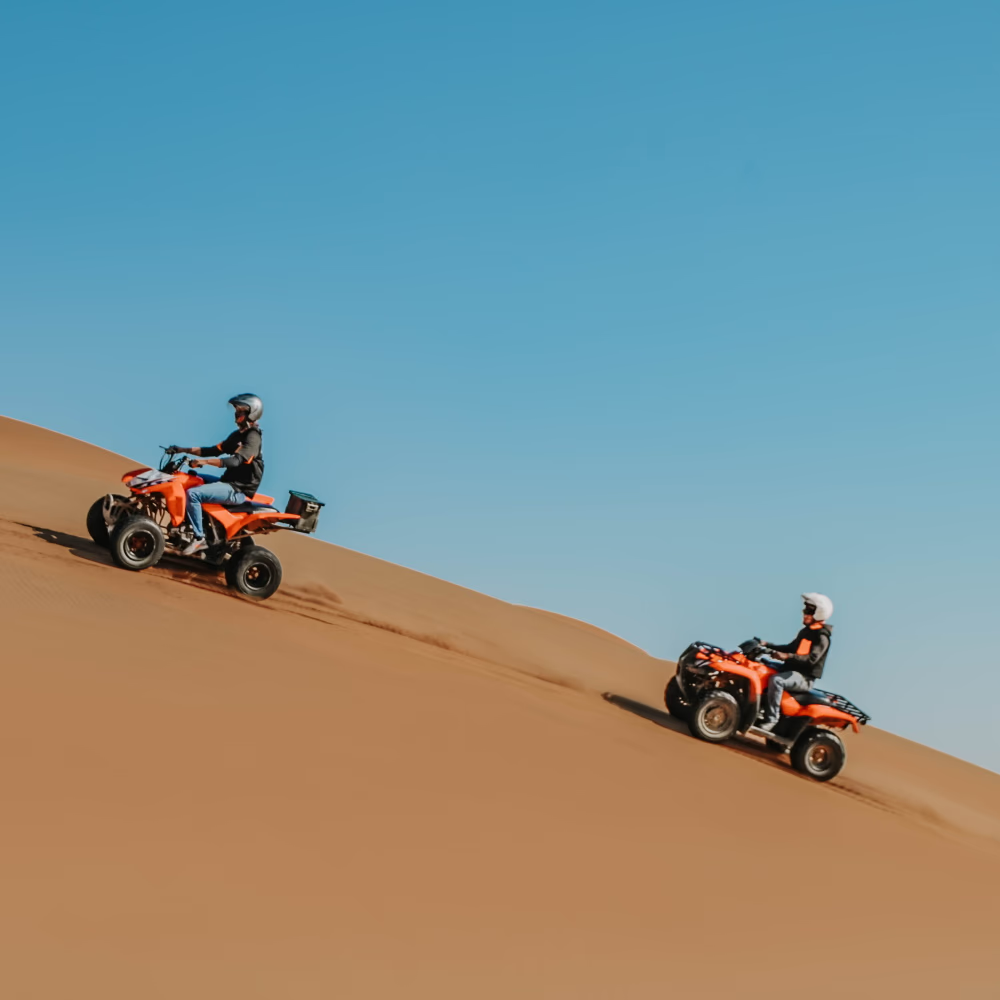
Desert Explorers Adventure Centre, Nathanial Maxuiliri Street, Swakopmund, Namibia
Unleash your inner adrenaline junkie with the ultimate desert playground experience just outside Swakopmund. This high-octane excursion shifts you away from the tarmac and throws you directly into the shifting golden wilderness of the Namib Dune Belt—one of the oldest deserts on Earth.Your journey boots up at the adventure base where you’ll receive a comprehensive safety brief and a hands-on tutorial on how to handle your rugged, quad bike trail machine. No previous riding experience or driver’s license is required; the bikes are highly stable and intuitively responsive. Strapping on your helmet and goggles, you’ll roll out under the guidance of an expert trailblazer, twisting through the scenic flats of the Swakopmund River mouth before aiming your tires directly at the massive walls of sand ahead.Feel the engine roar as you conquer a thrilling series of naturally sculpted desert formations. Your guide will lead you up the dizzying pathways of the "Roller Coasters," slicing along sharp ridges, banking through massive bowls like the "Amphitheater," and taking on the heart-pounding drop of "Devil’s Dip." At the apex of the highest dunes, including the famous "Big Billy" and "Table Top," the engines fall quiet, revealing a stunning panoramic viewpoint where the massive golden sands plunge directly into the deep, cold blue of the Atlantic Ocean.If you’ve selected the Optional Sandboard Add-On, this is where the action doubles down. You’ll have a choice between two styles: Lie-down sandboarding, where you launch yourself down 100-meter slopes headfirst on a polished wooden slide board, reaching speeds of up to 80 km/h; or Stand-up sandboarding, using converted snowboard gear to carve your way down the sandy waves like a pro. After exhausting your legs on the dune climbs and soaking in the stark desert scenery, a scenic cruise carries your convoy smoothly back to base camp to wash off the dust and swap stories.
Learn More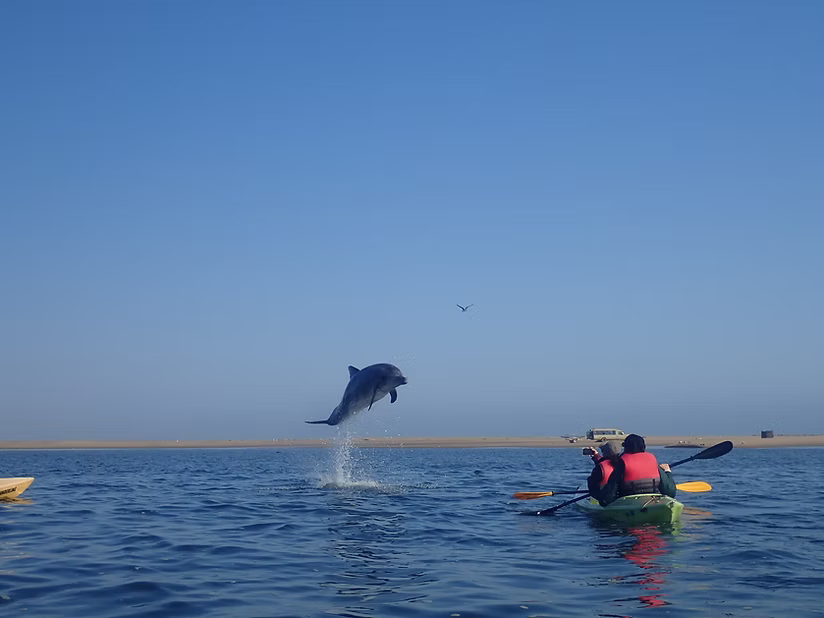
Pelican Point Peninsula (Staging from Walvis Bay Waterfront, Atlantic Street), Erongo Region, Namibia.
Immerse yourself in a raw marine wilderness and experience one of Africa’s most intimate wildlife encounters on the Pelican Point Kayaking Tour. This eco-friendly morning excursion takes you out of the standard tour boats and places you directly at water level, paddling alongside thousands of playful, curious Cape fur seals.Your journey starts at the Walvis Bay Waterfront, where you’ll hop into a 4x4 vehicle for a scenic, 40-minute drive along the edge of the scenic Walvis Bay Lagoon. You’ll bypass bustling salt pans and follow the sandy tracks of the remote Pelican Point peninsula all the way to its tip, marked by a historic cast-iron lighthouse. Here, along the protected beach, you'll gear up in weather-proof jackets, spray skirts, and life vests while receiving a brief safety orientation on basic paddle strokes.The real magic unfolds the moment your kayak slides into the calm Atlantic shallows. Unlike large motorized vessels that can disturb marine life, kayaks are quiet and non-threatening. Almost instantly, hundreds of habituated Cape fur seals will swim out to greet you. These incredibly inquisitive creatures will splash around your bow, nibble playfully on your plastic paddle blades, and pop their heads out of the water just inches away from your seat.As you paddle along the shoreline, keep your eyes trained on the deeper channels. Pods of Heaviside’s and bottlenose dolphins regularly frequent the bay, often surfacing alongside the kayaks. You’ll also spot elegant pelicans soaring overhead or standing along the sandbanks. After a rewarding two-hour paddle, you will head back to the beach to dry off and enjoy a hot cup of coffee, tea, and a light breakfast spread on the dunes before the 4x4 brings you back to civilization.
Learn More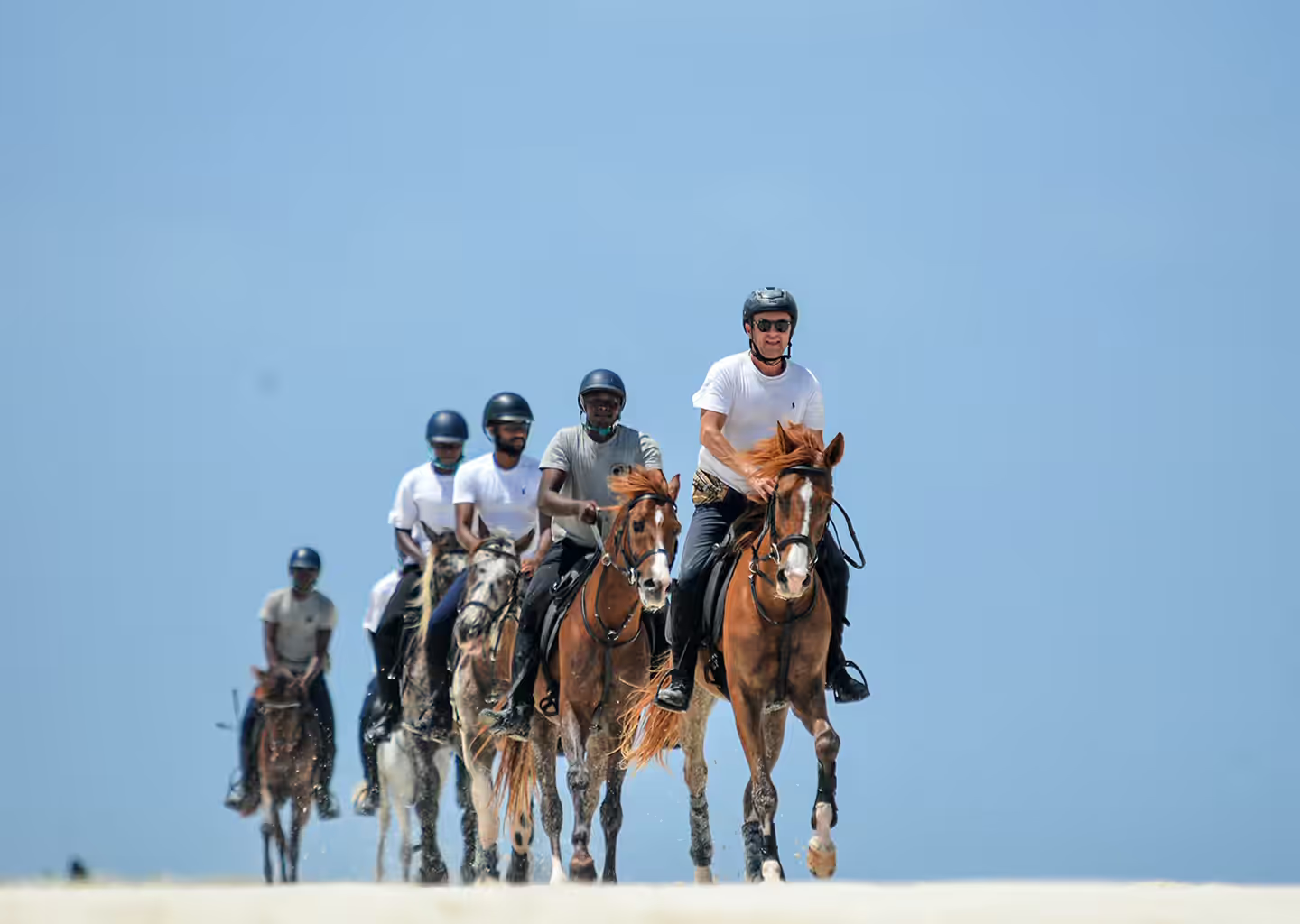
Stone Town
Explore the beauty and culture of Zanzibar on an unforgettable guided bicycle tour. Ride through scenic coastal paths, local villages, and lush countryside while experiencing the authentic daily life of the island. Starting from areas around Stone Town or nearby գյուղs, this tour takes you off the beaten path, where you’ll pass coconut plantations, spice farms, and traditional Swahili homes. Along the way, interact with friendly locals, learn about island culture, and enjoy stunning views of the Indian Ocean. This eco-friendly adventure is perfect for active travelers who want to combine sightseeing, culture, and light physical activity while discovering Zanzibar in a unique and immersive way.
Learn More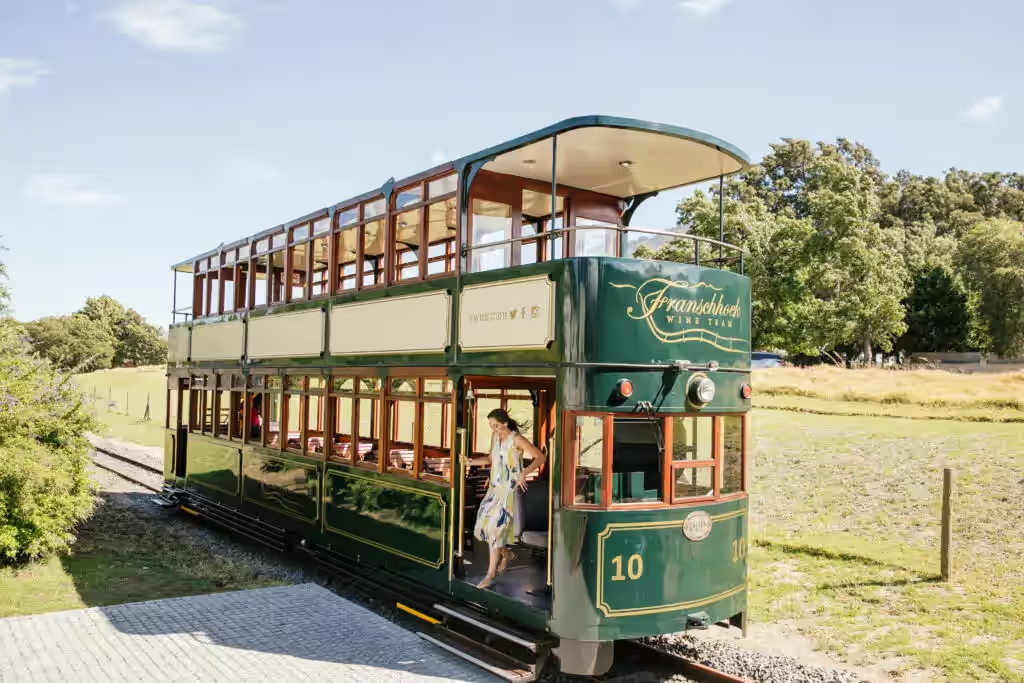
Franschhoek Wine Tram - Official Site (Franschhoek Terminal)
Leave the coastal breezes of the Mother City behind and escape into the heart of the majestic Cape Winelands. The Franschhoek Wine Tram Hop-on Hop-off Day Tour offers a uniquely historic, flexible, and completely stress-free way to explore one of the world's premier wine-producing valleys, famed for its sweeping alpine scenery, centuries-old Cape Dutch architecture, and French Huguenot heritage.Your day begins with a morning pickup from central Cape Town. As you leave the urban skyline behind, enjoy a scenic drive past the rugged peaks of the Hottentots Holland mountains before dropping into the vine-carpeted basin of the Franschhoek Valley. Upon arrival at the central tram terminal, you will step aboard the beautifully restored, vintage-style green double-decker railway tram or an open-air tram-bus, depending on the specific color-coded route line you've selected.The magic of the experience lies in its brilliant, hop-on hop-off freedom. The tram lines weave seamlessly through rows of world-class vineyards, stopping at the doorsteps of up to eight legendary estates per line—ranging from grand historic farms with classic white gables to sleek, modern boutique cellars. You can customize your day perfectly: step off at one estate to experience a formal, guided cellar master tasting; hop back on an hour later to move to the next farm for an artisanal chocolate and wine pairing; or settle into a world-class restaurant terrace for a leisurely, multi-course lunch overlooking the valley floor.With the tram or tram-bus arriving like clockwork every 60 minutes at each platform, you never have to hurry your pace or watch the clock anxiously. Sip award-winning Cabernet Sauvignons, crisp Sauvignon Blancs, and local Methode Cap Classique (MCC) sparkling wines at your own leisure. At the end of a glorious afternoon of tasting and exploring, the tram brings you back to the central station, where your transfer coach waits to safely transport you back to Cape Town.
Learn More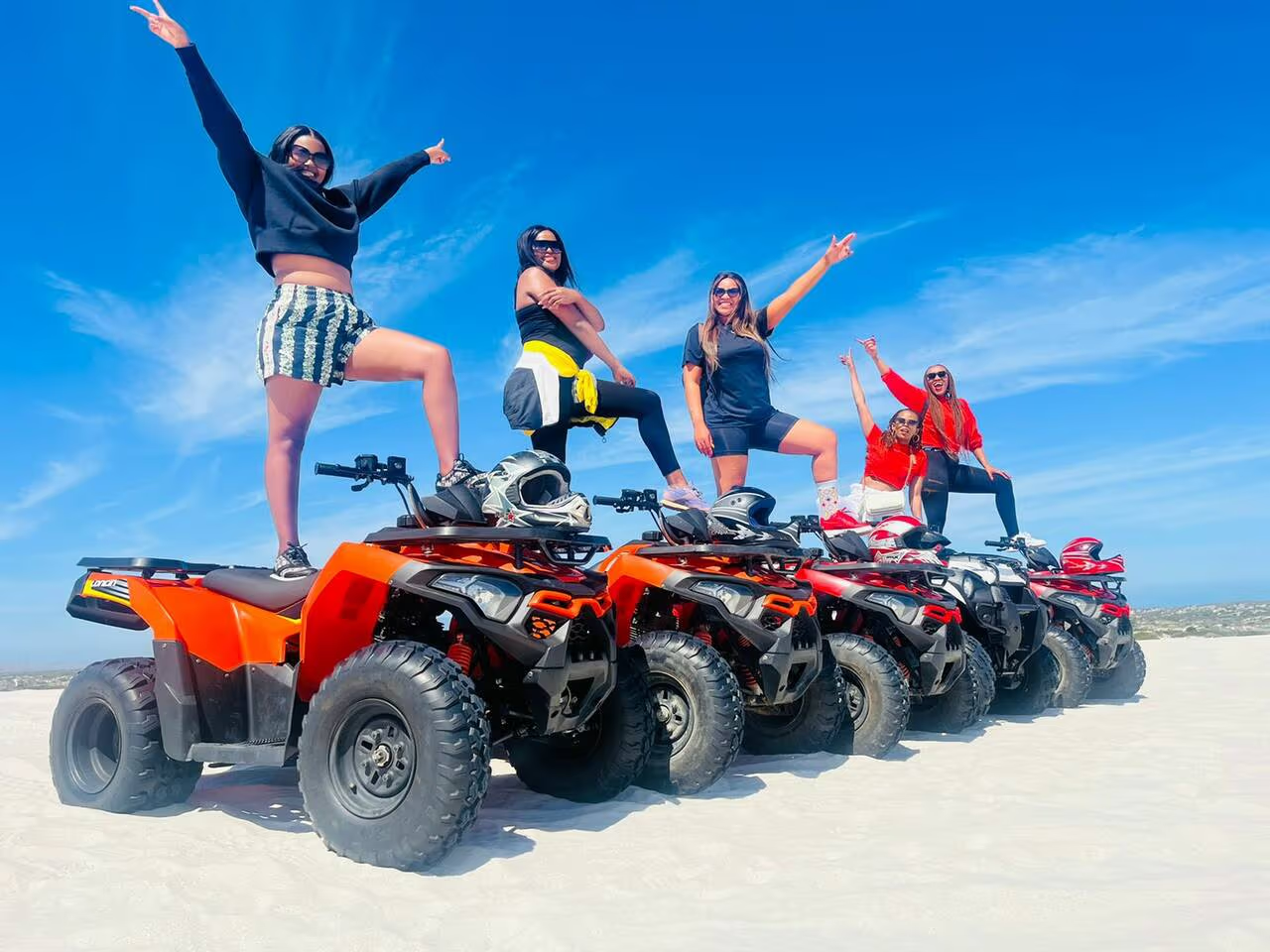
Witzands Aquifer Nature Reserve (Atlantis Dunes), Dassenberg Drive, Atlantis, Cape Town, South Africa.
Trade the coastal cliffs of the Mother City for an adrenaline-fueled escape into a sprawling landscape of pure white sand. The Atlantis Dunes Quad Bike Tour and Photo Session delivers a striking contrast to Cape Town’s traditional green mountain trails, inviting you to conquer the massive, ever-shifting sand crests of the Witzands Aquifer Nature Reserve. Spanning over 30 square kilometers, this protected desert landscape features pristine, wind-sculpted dunes that reach heights of up to 50 meters.Your adventure begins at the trail base with a comprehensive safety brief and vehicle layout demonstration from your expert lead guides. Once you are fitted with your safety helmet and feel comfortable operating your fully automatic 250cc quad bike, you'll fire up the engine and head out into the dunes. Following the track of your guide, you’ll twist through sand bowls, ascend steep ridges, and experience the thrill of coasting down sheer, smooth slip-faces.
Learn More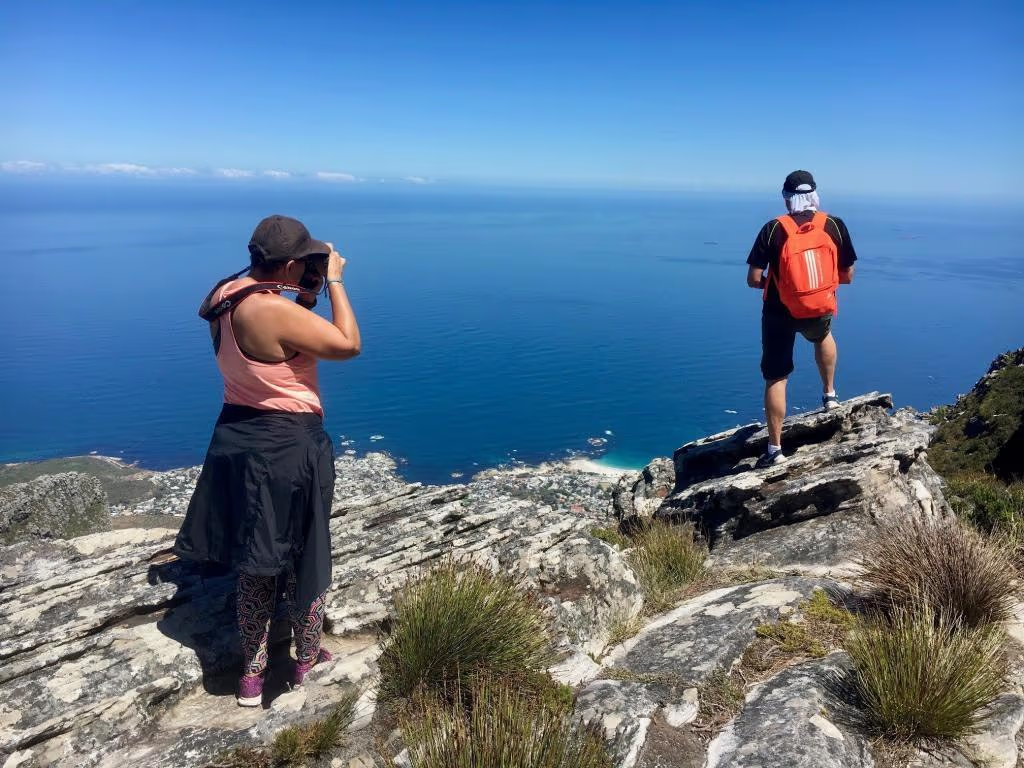
Lion's Head Hike Parking
Conquer Cape Town's world-famous horizons on a premier, private or small-group guided hiking experience. Designed to cater to your specific fitness level, comfort with heights, and sense of adventure, this tour lets you choose between two legendary geological giants: the sweeping, spiral ascent of Lion's Head or the sheer, rugged wilderness of Table Mountain.
Learn More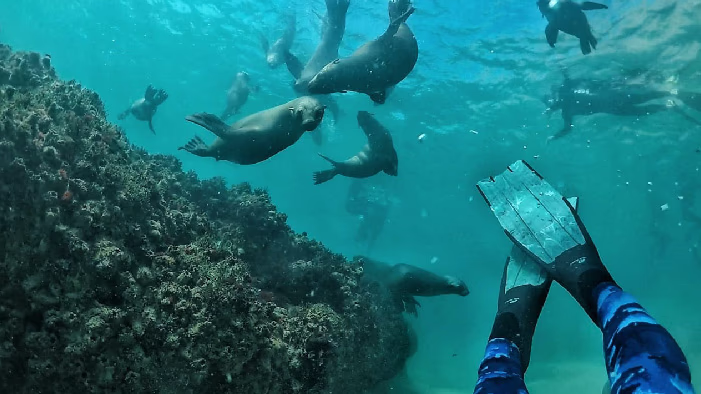
Robberg Marine Protected Area, departing from Central Beach / Hobie Beach, Plettenberg Bay, Western Cape, South Africa.
Immerse yourself in one of the most playful, unfiltered wildlife encounters on the planet. Operating out of the pristine coastal haven of Plettenberg Bay, the Guided Cape Fur Seal Snorkeling Adventure brings you face-to-face with a thriving colony of approximately 8,000 Cape fur seals along the rugged cliffs of the Robberg Nature Reserve. Often called the "puppies of the ocean," these curious marine mammals are just as fascinated by humans as we are by them.Your journey starts at the beachfront base camp, where you'll be kitted out in a thick 5mm neoprene wetsuit to insulate against the crisp Atlantic temperatures. After a short safety overview covering ocean entry protocols and animal interaction ethics, you’ll head down to Central Beach for an exciting surf launch aboard a twin-engine Rigid Inflatable Boat (RIB). Feel the adrenaline as the skipper navigates the breaking surf, transitioning into a smooth coastal cruise alongside the dramatic sandstone headlands of the Robberg Peninsula.
Learn More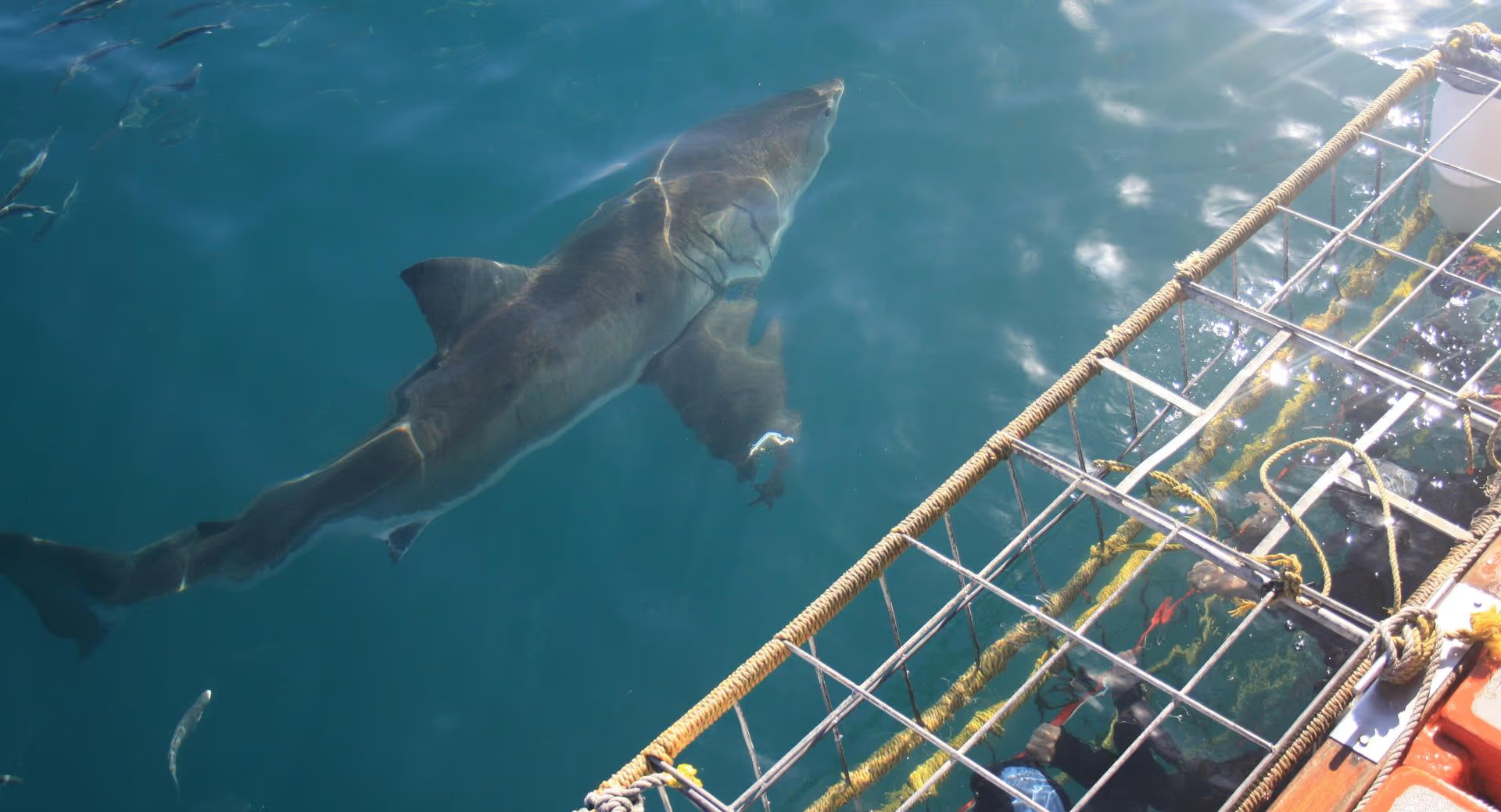
Apex Shark Expeditions Centre
Come face-to-face with the ocean’s apex predators in the world capital of shark conservation. Operating out of Kleinbaai—a rugged fishing harbor near Gansbaai—the Apex Shark Cage Diving Experience takes you directly into the waters of "Shark Alley," a deep-water channel running between Dyer Island and Geyser Rock that acts as a natural hunting ground for diverse shark species.Your journey begins with a scenic overland transfer from either Cape Town or the coastal cliffs of Hermanus. Arriving at the shore base, you'll receive a safety brief and an overview of the regional marine ecosystem from an onboard marine biologist. Boarding a custom-engineered, twin-engine dive catamaran, you will navigate the rolling swells out to the anchoring grounds.
Learn More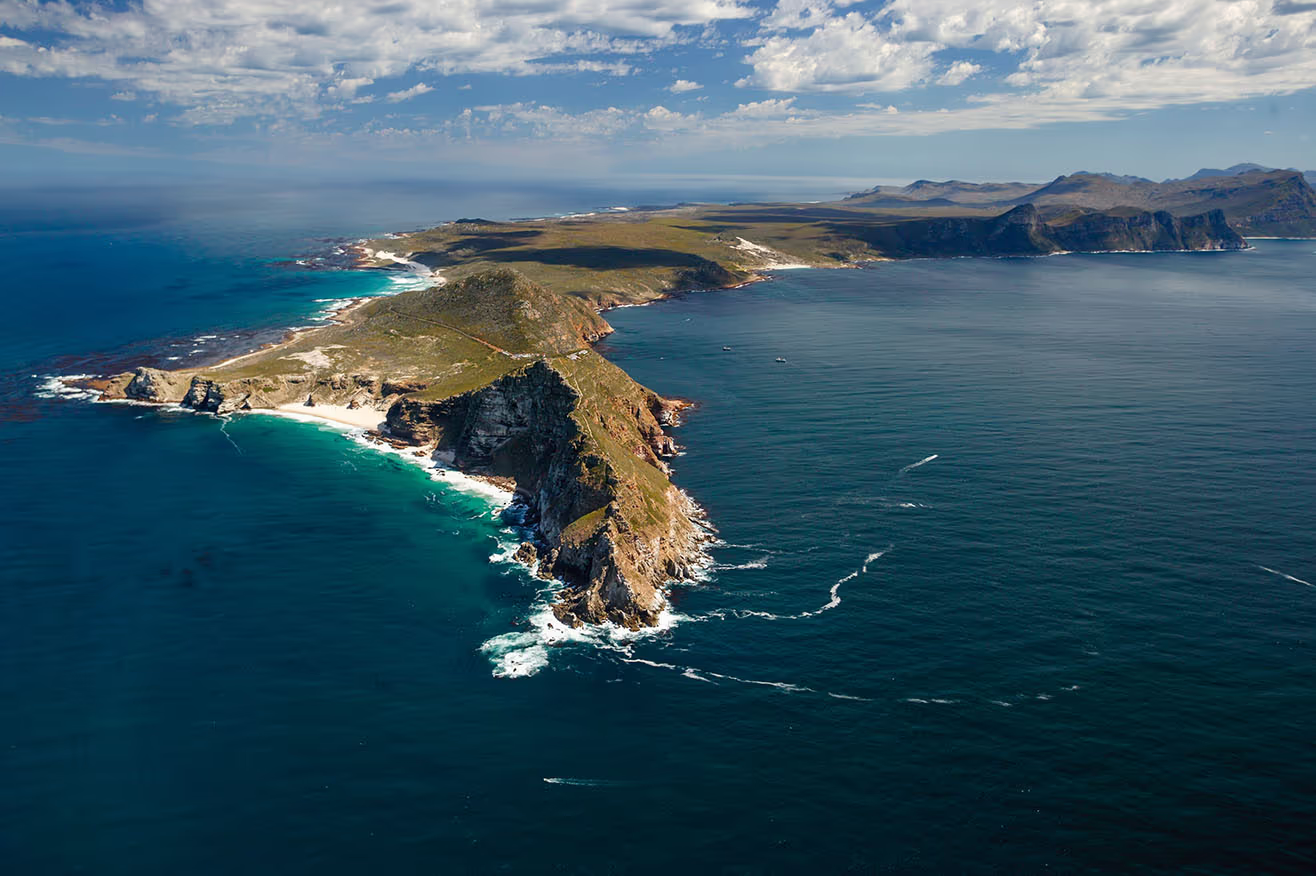
Table Mountain Aerial Cableway, Tafelberg Road, Gardens, Cape Town, South Africa
Experience the ultimate snapshot of South Africa’s Mother City on a dramatic, expertly guided day trip that checks off three of the country's most legendary landmarks. The Ultimate Cape Peninsula & Table Mountain Full-Day Tour winds along spectacular mountain passes and pristine coastlines, blending jaw-dropping scenery with unforgettable wildlife encounters.Your day boots up with a convenient morning pickup directly from your hotel lobby. Beating the heavy tour bus traffic, your guide heads straight up the slopes of the city's iconic guardian to the Table Mountain Aerial Cableway. Step inside a state-of-the-art rotating cable car and glide seamlessly up to the 1,067-meter summit plateau. From the top, you'll be treated to a staggering 360-degree panoramic view over the City Bowl, the glittering Atlantic seaboard, and Robben Island anchored out in the bay.Returning to sea level, the route traces the Atlantic edge, sweeping through the affluent coastal suburbs of Clifton and Camps Bay beneath the sharp ridges of the Twelve Apostles peaks. You’ll cruise down the spectacular Chapman’s Peak Drive—hailed as one of the world's most breathtaking marine drives—carved straight into vertical sea cliffs. The journey continues to the historic naval outpost of Simon's Town to visit Boulders Beach. Here, specialized wooden boardwalks allow you to walk safely within inches of a wild, thriving colony of thousands of endangered African Penguins as they waddle across the white sands and splash in the clear turquoise shallows.The grand finale unfolds within the raw wilderness of the Cape Point Nature Reserve, a sanctuary protected within Table Mountain National Park. Keep a lookout for wild Chacma baboons, Cape mountain zebras, ostriches, and bontebok antelopes as you traverse the fynbos-blanketed headlands. You will stand at the iconic Cape of Good Hope monument—the southwesternmost point of the African continent—and take the pathway up to the historic clifftop lighthouse at Cape Point. Watch the dramatic ocean swells crash against the rocks far below before a relaxing, scenic drive along the False Bay coast safely delivers you back to your city hotel.
Learn More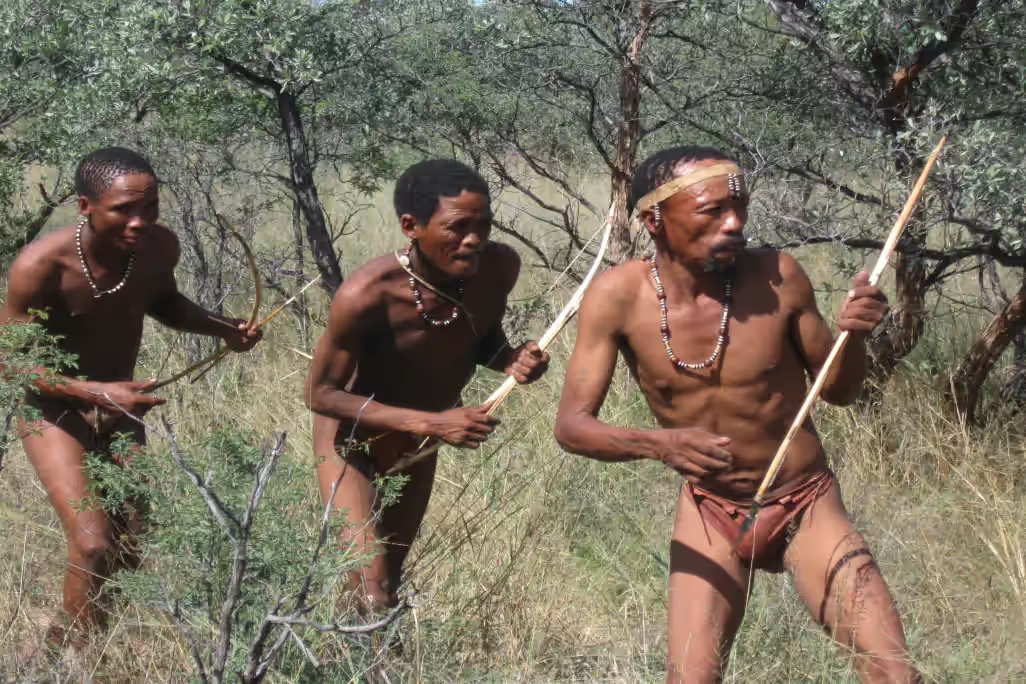
N/a'an ku sê Wildlife Sanctuary, Travel East on the B6 Trans-Kalahari Highway, Windhoek, Namibia (Located approx. 45 km outside Windhoek city center).
Immerse yourself in Africa’s oldest continuous culture without traveling deep into the Kalahari Desert. Located just a short drive from Namibia's capital city, the Ancient San Bushman Wilderness Walk offers a rare, respectful window into the traditional lifestyle, ancient wisdom, and matchless tracking skills of the San people.Your excursion begins at the tranquil bushveld sanctuary, where you will be introduced to your local San guides. Clad in traditional, softened hide garments and intricate ostrich-eggshell beadwork, the elders will welcome you into their circle. Accompanied by a bilingual translator who seamlessly decodes their beautiful and complex click-consonant language, you will set foot into the wild African veld.As you walk, the landscape completely transforms through the eyes of your trackers. They will show you how to read the earth like a map—pointing out nearly invisible disturbances in the sand to identify which animal passed by, how long ago it occurred, and its specific behavior. You will learn about the "veld pharmacy" as the guides uncover hidden tubers and plants, explaining how they harvest natural remedies for headaches, snakebites, and stomach ailments, alongside finding hidden water reservoirs locked beneath the parched soil.The walk culminates in a fascinating look at primitive survival skills. Watch in awe as the elders rub two specialized wooden sticks together, effortlessly coaxing a live ember from dry grass using raw friction in under a minute. You'll also learn about their traditional bow-and-arrow hunting gear, the organic recipes used to formulate their potent arrows, and the non-lethal traps used to catch small game. It is a profoundly moving, educational journey that highlights an indigenous worldview built entirely on sharing, conservation, and deep respect for Mother Nature.
Learn More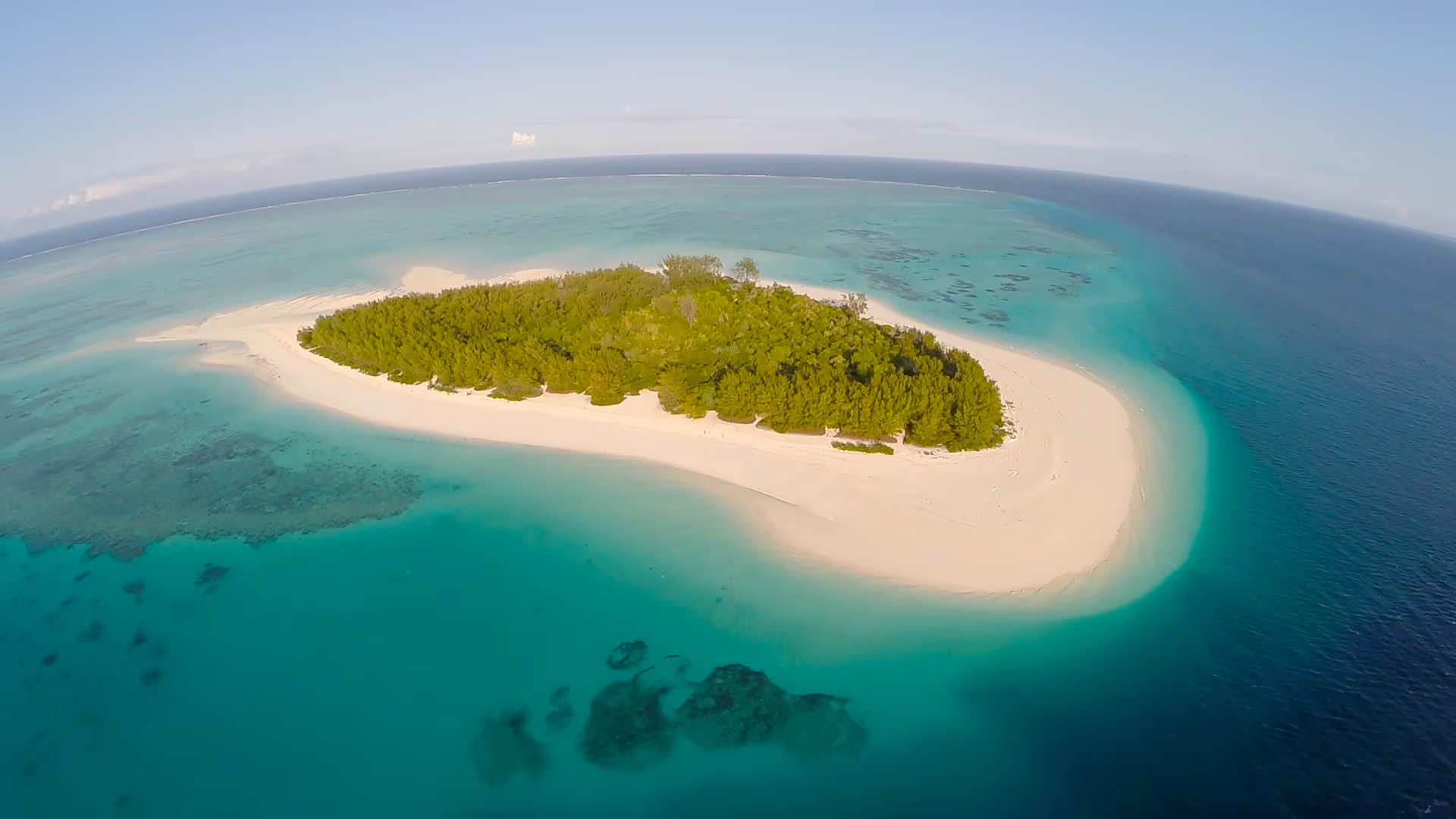
Mnemba Island
Discover the vibrant marine world surrounding Mnemba Island on an exclusive private boat excursion. This tailor-made journey takes you to the heart of Zanzibar’s most famous marine conservation area, where the water is so clear it often feels like a natural swimming pool.Snorkel above colorful coral reefs, swim among clouds of tropical fish, and, with a bit of luck, encounter playful wild dolphins in their natural habitat. Guided by experienced instructors, this experience suits both beginners and seasoned snorkelers, perfectly combining underwater exploration with moments of pure relaxation on pristine, sun-drenched shores.
Learn More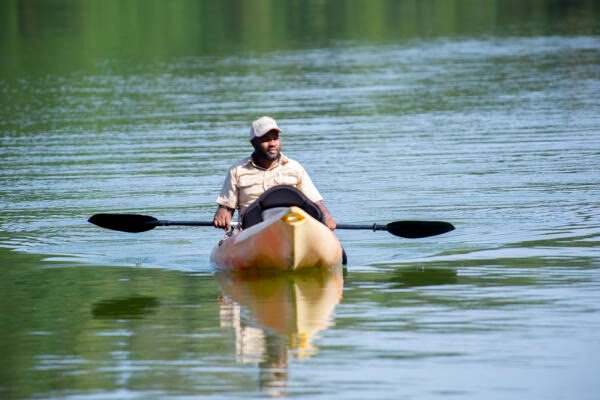
Lake Duluti, Tengeru, Arusha, Tanzania.
The experience begins at the lakeside, where you will be fitted with a life jacket and receive a brief safety orientation. You’ll glide across the calm, deep waters (estimated at up to 700 meters deep) in stable two-person canoes. As you paddle along the shoreline, you can spot diverse birdlife including Giant Kingfishers, Fish Eagles, and hundreds of Cattle Egrets. The surrounding forest is also home to monitor lizards, butterflies, and occasional small mammals like monkeys and bushbucks. Most trips offer the choice of a morning or afternoon departure, often paired with a guided forest walk.
Learn More