Rhino Tracking on Foot
Back to Activities
Activity

Rhino Tracking on Foot

Lewa Wildlife Conservancy 2 Hours

Experience Overview

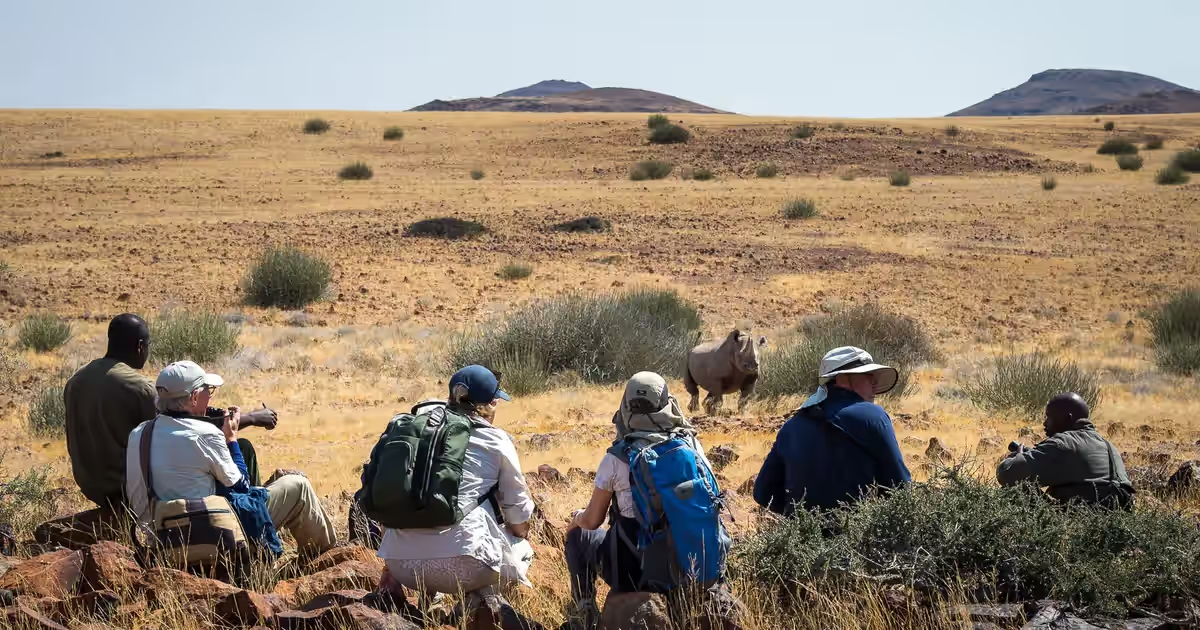
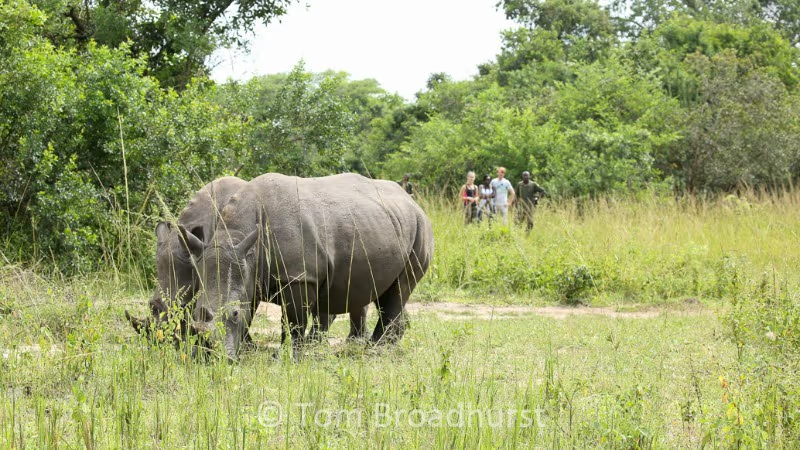
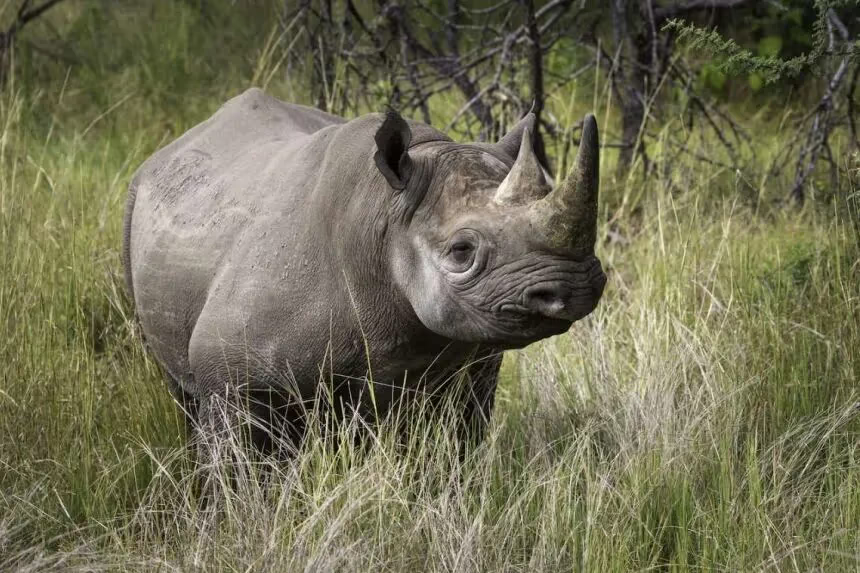
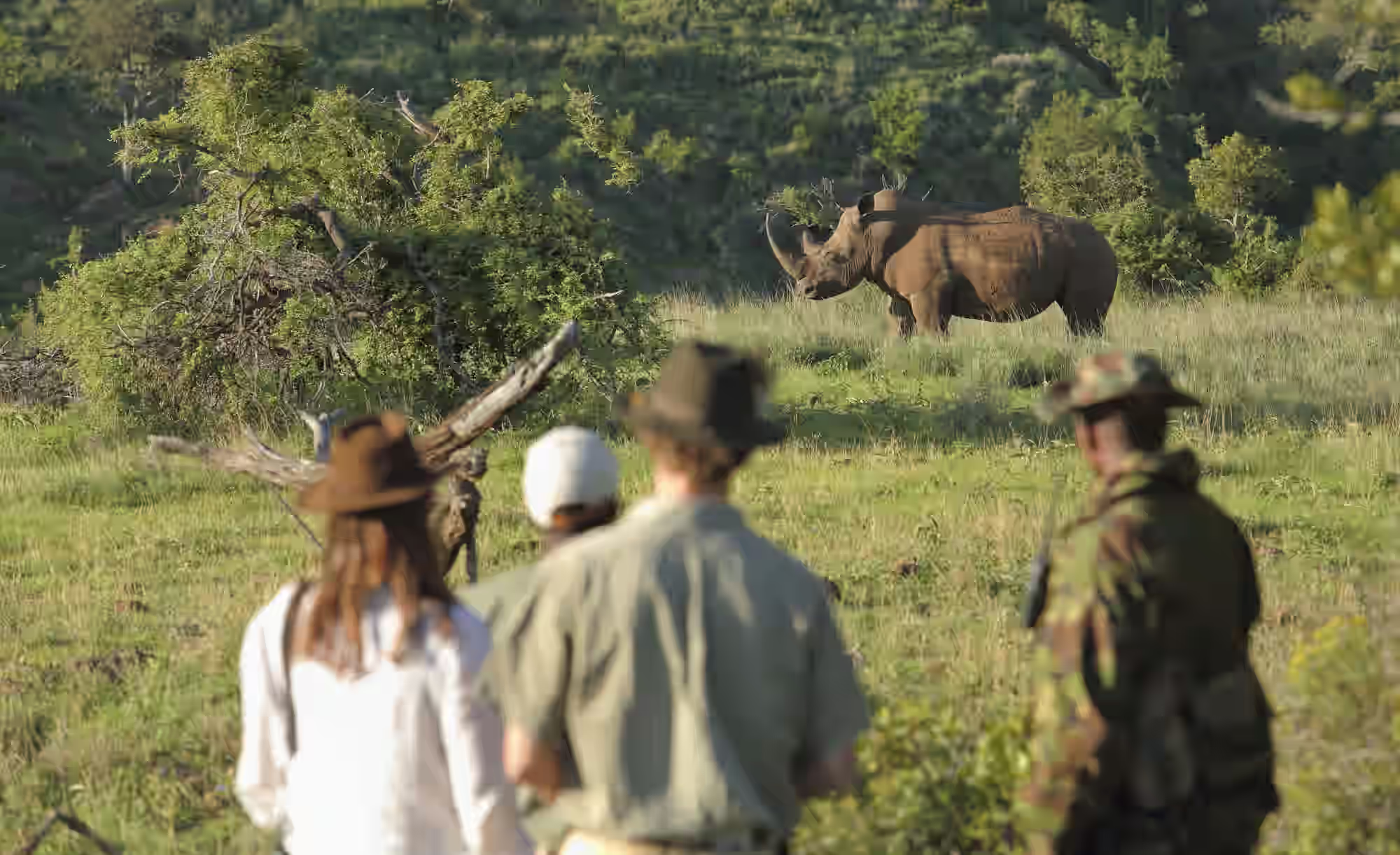
Guided rhino tracking on foot is one of the most intensely personal and emotionally resonant wildlife experiences available in Kenya — a patient, skilled pursuit that culminates in an encounter with one of the most powerful, ancient, and endangered mammals on earth. Kenya is one of the best countries in Africa for rhino conservation, protecting both black rhino (Diceros bicornis) and the more docile white rhino (Ceratotherium simum) across a network of intensively managed sanctuaries. Tracking on foot — as opposed to observing from a vehicle — fundamentally changes the nature of the encounter. With no engine noise, no vehicle between you and the animal, and the full sensory engagement of the African bush underfoot, the experience of approaching a black rhino through dense scrub at a distance of thirty to sixty metres is genuinely humbling and thrilling in equal measure. Expert trackers — many with decades of experience — read footprints, broken vegetation, dung, and body language to locate and safely approach individual rhino. Armed KWS rangers accompany every tracking group, ensuring guest safety while maintaining the integrity of the experience. At Ol Pejeta Conservancy, visitors have the unique and profoundly moving opportunity to visit Najin and Fatu — the world's last two surviving northern white rhinos — accompanied by their dedicated keepers, in an experience that confronts the visitor with the raw reality of extinction and the urgency of conservation at the most immediate human level.

What to Expect & Prepare

What's Included

  • Contact us for details.

What to Bring

  • Standard travel gear.

Frequently Asked Questions

Is rhino tracking on foot safe?
Yes, when conducted by experienced armed guides and KWS rangers following strict protocols. Black rhino have a reputation for unpredictability, which is precisely why tracking is conducted in small groups under expert supervision. Guides maintain safe distances (typically 30–60 metres from black rhino), approach downwind to avoid detection, and have clear protocols for all animal behaviour scenarios. No guest has been seriously injured on a correctly managed rhino tracking experience in Kenya.
What is the difference between black and white rhino tracking?
Black rhino are browsers — they eat leaves and twigs from bushes — and tend to be more solitary, shy, and potentially reactive when surprised. Encounters require more patience and careful approach. White rhino are grazers — more placid and social, often found in small groups — and can be approached more closely. Both species are equally rewarding to encounter on foot, but black rhino tracking carries a more intense, wild character.
Can I see the last northern white rhinos at Ol Pejeta?
Yes. Najin and Fatu — the world's last two northern white rhinos — live under 24-hour armed guard within a special section of Ol Pejeta Conservancy. Visitors can observe them at close range during designated keeper-led sessions, during which keepers explain the extraordinary story of the subspecies' decline and the ongoing scientific programme using assisted reproductive technology in a last attempt to preserve their genetics.
Which is the best conservancy for rhino tracking in Kenya?
Solio Ranch offers the highest rhino density of any property in Kenya — both black and white rhino are present in large numbers in a relatively compact area, making sightings virtually guaranteed on every activity. Ol Pejeta is the best for combining rhino tracking with the northern white rhino experience and the broadest wildlife diversity. Lewa is ideal for those seeking rhino combined with Grevy's zebra and a UNESCO heritage context.
How many rhino are left in Kenya?
Kenya is home to approximately 1,000 black rhino — representing roughly 12% of the global wild black rhino population — and over 900 white rhino. Both populations have grown significantly as a result of Kenya's intensive conservation efforts. The northern white rhino is effectively extinct as a wild subspecies with only two individuals remaining, both at Ol Pejeta.

Activity Location

Location & Access

Lewa Wildlife Conservancy

Physical Intensity

Moderate
Loading Map...
Experience Investment
$500.00Total Valuation
Adults
2
Children
0
Infants
0
Total Investment$500.00

Inclusive of all taxes & fees

Assistance

+255 754 004 223

Ethical

Standards

Safe &

Secure

Need Assistance?

Our experts are here to help you plan.

+255 754 004 223