
Recent · By John Smith
Your Comprehensive Guide to Planning, Costs, Packing & Safety for Tanzania
Address Comprehensive User Questions & Comparative Safari Intent
Embarking on an African safari is a dream for many, but planning one can bring a host of questions. At EsiringetCLOUD CMS, we understand that prospective travelers seek detailed information to make informed decisions. This comprehensive guide aims to address the most common inquiries and comparative considerations, ensuring you feel confident and prepared for your Tanzanian adventure with Tanzania Safari TOurs.
Tanzania Safari Cost Breakdown: What to Expect
A safari in Tanzania is an investment, and understanding the costs involved is crucial for budgeting. Prices vary significantly based on several factors, including the type of safari, duration, accommodation level, and included activities.
- Accommodation Level: Budget (camping), Mid-range (tented camps, lodges), Luxury (exclusive camps, five-star lodges).
- Safari Duration: Longer safaris naturally incur higher costs.
- Park Fees: National park entry fees are a significant component and are standardized.
- Transportation: Shared group tours typically cost less than private vehicle safaris.
- Activities: Special excursions like hot air balloon rides, cultural visits, or walking safaris will add to the total cost.
Generally, a 7-day mid-range safari can range from $2,500 to $4,500 per person, while luxury options can exceed $8,000. Budget safaris, often involving basic camping, might start from $1,500 per person. These figures usually include accommodation, meals, transport, and game drives.
What to Pack for an African Safari in Tanzania
Packing smart is key to a comfortable and enjoyable safari. Consider the varied climates and practicalities of bush travel when preparing your luggage.
Clothing Essentials
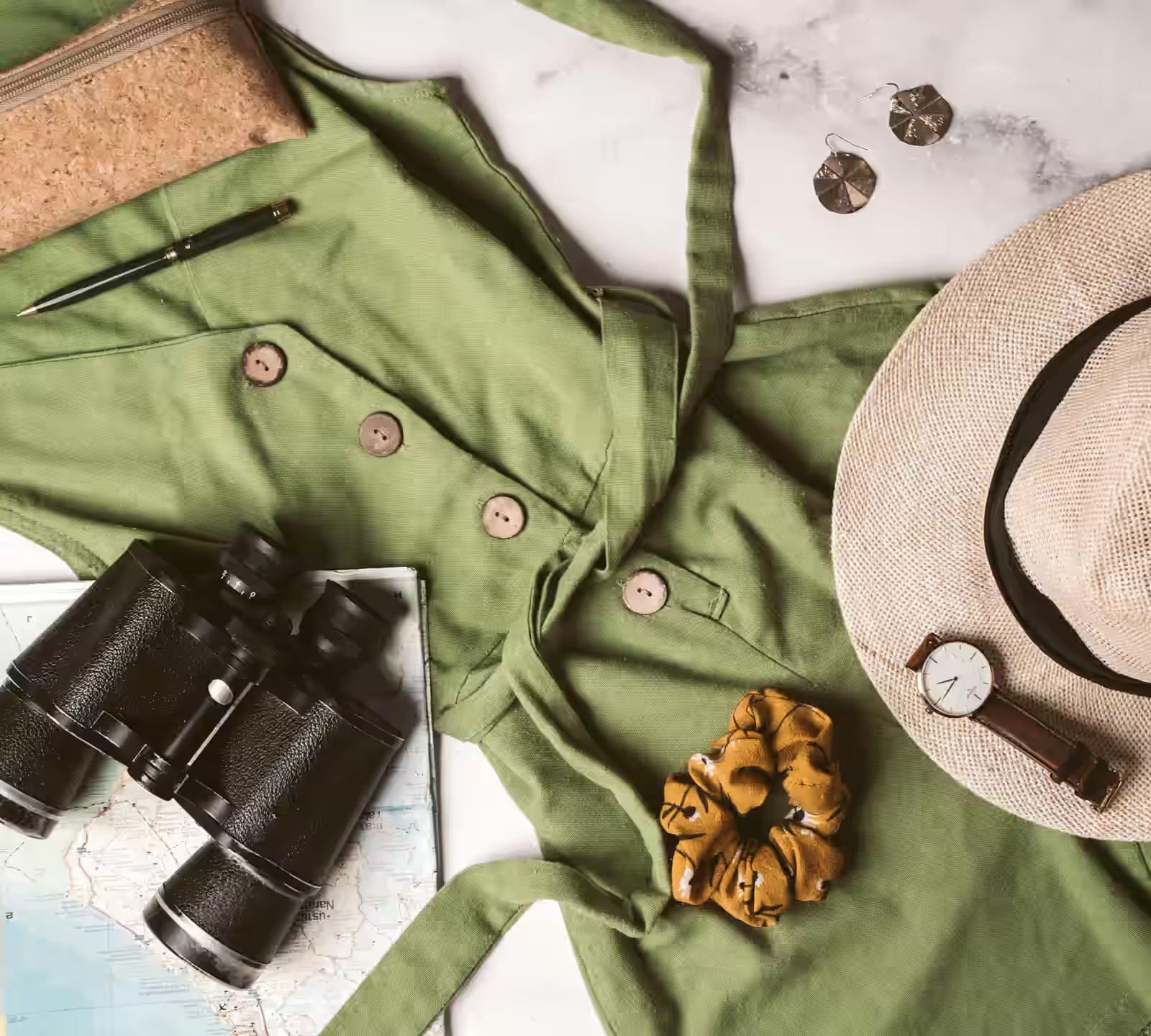
- Lightweight, breathable clothing in neutral colors (khaki, olive green, brown, grey) to blend in with the environment and deter tsetse flies. Avoid bright colors, camouflage, and dark blue/black.
- Long-sleeved shirts and trousers for sun protection during the day and warmth/insect protection in the evenings.
- A warm fleece or jacket for chilly mornings, evenings, and higher altitudes (e.g., Ngorongoro Crater).
- Comfortable walking shoes or hiking boots that are well broken-in.
- Sandals or flip-flops for relaxing at camp or lodge.
- Swimsuit (if your accommodation features a pool).
Health and Personal Items
- Wide-brimmed hat or cap for sun protection, sunglasses.
- High-factor sunscreen, lip balm with SPF, and effective insect repellent (DEET recommended).
- All personal medications, plus a basic first-aid kit (pain relievers, anti-diarrhea medication, antiseptic wipes).
- Hand sanitizer and personal toiletries.
Gear and Documents
- Camera with extra batteries and plenty of memory cards, binoculars.
- Power bank/portable charger, universal travel adapter (Type G and D are common).
- Passport, visa (if required), vaccination certificates (e.g., Yellow Fever, if applicable), and travel insurance details.
- Copies of all important documents, stored separately or digitally.
Tanzania vs. Kenya Safari: Which is Better for You?
Both Tanzania and Kenya offer incredible safari experiences, but they cater to slightly different preferences and priorities.
Wildlife and Landscapes
- Tanzania: Renowned for the vast plains of the Serengeti, hosting the dramatic Great Migration (especially the calving season in the Ndutu region). The Ngorongoro Crater offers unparalleled wildlife density within a stunning caldera. Tarangire National Park is famous for its large elephant herds and baobab trees. Tanzania often provides a more remote and less crowded feel in its northern circuit parks.
- Kenya: Famous for the Masai Mara National Reserve, a key location for the Great Migration's river crossings. Amboseli National Park offers iconic views of elephants against the backdrop of Mount Kilimanjaro. Kenya boasts diverse ecosystems, from savannas to lakes and mountains, and often has more established tourism infrastructure.
Crowds and Experience
- Tanzania tends to offer a more exclusive and less crowded experience, particularly in its southern parks like Ruaha and Selous. The focus is often on longer game drives and a feeling of being truly immersed in the wilderness.
- Kenya, especially the Masai Mara during peak migration, can be busier, but it offers excellent game viewing, often with shorter travel times between parks and a wider range of lodge options.
Cost Considerations
- Tanzania is sometimes perceived as slightly more expensive due to higher national park fees and longer travel distances between prime locations. However, this varies significantly based on tour operator, itinerary, and luxury level chosen.
- Kenya can sometimes offer more budget-friendly options, particularly for shorter safaris or tours with larger group sizes.
Choosing between Tanzania and Kenya ultimately depends on your priorities: For an iconic, vast wilderness experience with fewer crowds, the opportunity to witness the full cycle of the Great Migration, and unique geological wonders, Tanzania often holds an edge. For a classic African safari with varied landscapes, excellent game viewing, and potentially more budget-friendly options, Kenya is an excellent choice. Many operators, like Tanzania Safari TOurs, can help you decide which destination best aligns with your safari dreams.
Is Tanzania Safe for Solo Female Travelers?
Tanzania is generally considered safe for solo female travelers, provided common sense precautions are taken and reputable tour operators are used. The country's tourism industry is well-established, and guides are experienced professionals accustomed to ensuring traveler safety and comfort.
Tips for Solo Female Travelers in Tanzania
- Choose Reputable Operators: Always book your safari, transfers, and major excursions through trusted and highly-reviewed companies like Tanzania Safari TOurs to ensure reliable transport, accommodation, and professional guiding.
- Stay Informed and Aware: Be aware of your surroundings, especially in urban areas like Dar es Salaam or Arusha. Avoid walking alone at night, particularly in poorly lit or unfamiliar areas.
- Dress Modestly: While on safari, casual neutral clothing is perfectly acceptable. However, in towns and villages, dressing modestly (shoulders and knees covered) is respectful of local culture and can help avoid unwanted attention.
- Maintain Communication: Keep open lines of communication with your guide, lodge staff, or hotel management. They are valuable resources for local information and ensuring your safety and comfort.
- Trust Your Instincts: If a situation feels uncomfortable or unsafe, remove yourself from it. It's always best to err on the side of caution.
By taking these sensible precautions, solo female travelers can enjoy a safe, enriching, and unforgettable safari experience in Tanzania.
Responsible Tourism & Wildlife Conservation in Tanzania
Tanzania is a global leader in wildlife conservation, with a significant portion of its land dedicated to national parks, game reserves, and protected areas. Responsible tourism plays a vital role in supporting these efforts, ensuring the sustainability of its natural heritage for future generations.
How Travelers Can Contribute to Conservation
- Support Local Communities: Choose tour operators and accommodations that visibly support local communities through employment, purchasing local goods, or community development projects.
- Respect Wildlife and Environment: Always maintain a safe and respectful distance from animals, never feed them, and do not disturb their natural behavior. Adhere strictly to your guide's instructions regarding wildlife interactions.
- Minimize Your Environmental Footprint: Dispose of all waste properly, preferably by taking non-biodegradable items with you. Conserve water and electricity, and avoid single-use plastics where possible.
- Adhere to Park Rules and Regulations: Stay on designated tracks, respect speed limits within protected areas, and never take anything from the parks (e.g., bones, feathers, plants).
- Learn and Educate: Engage with your guides and local experts to learn about conservation challenges and initiatives. Share your experiences to promote responsible travel practices among others.
By choosing a safari with a company committed to ethical and sustainable practices, you directly contribute to the preservation of Tanzania's incredible biodiversity, its unique ecosystems, and the well-being of its local communities.
Conclusion
Planning a Tanzanian safari can seem daunting, but by addressing these key questions, we hope to have demystified the process. From understanding costs and packing essentials to comparing destinations and ensuring safety, being well-informed enhances your journey significantly. Tanzania Safari TOurs is dedicated to providing unforgettable, safe, and responsible safari experiences tailored to your dreams. Contact us today to begin planning your ultimate African adventure!