

Experience Bwabwata-National Park
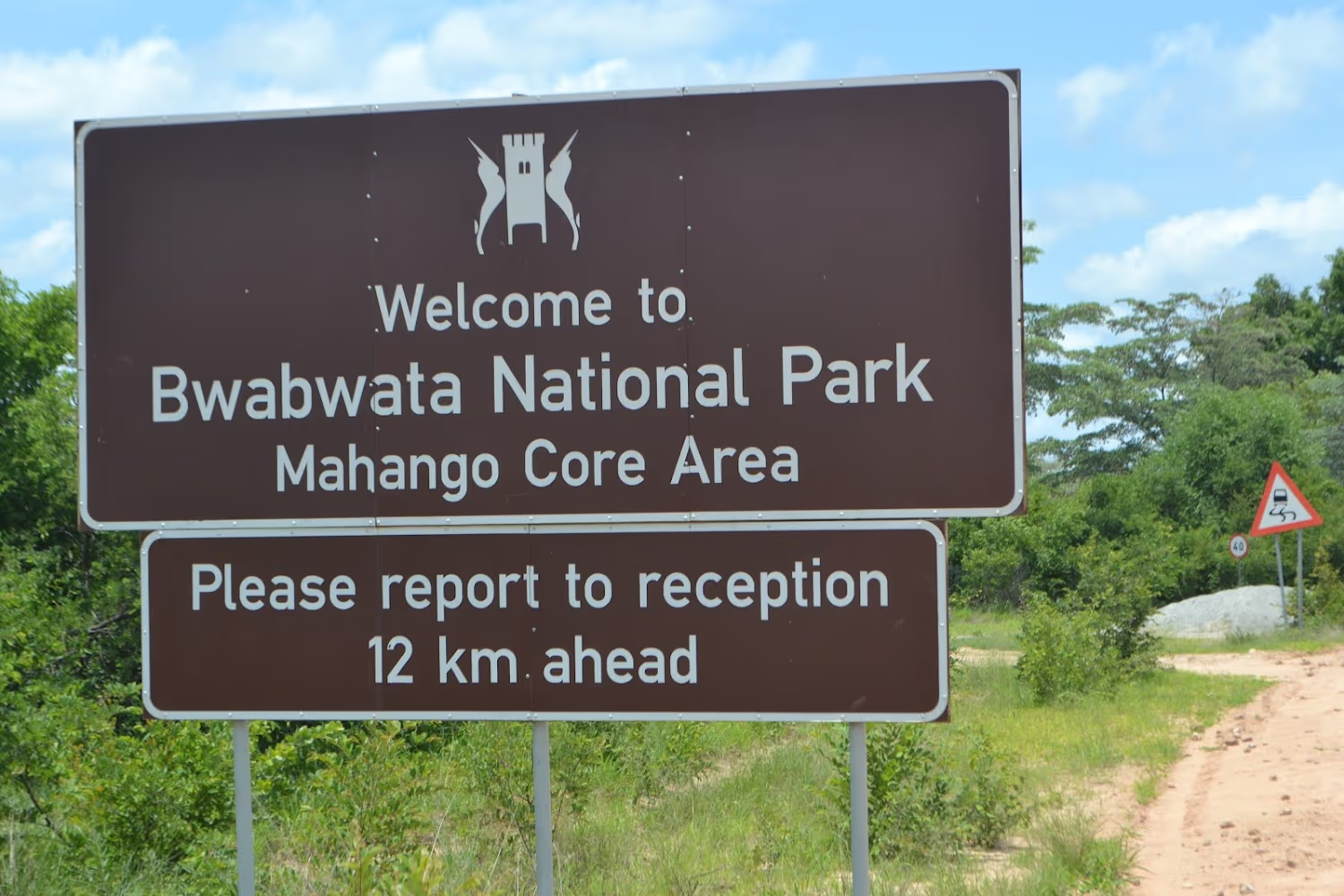
Proclaimed in 2007, Bwabwata-National Park covers an expansive 6,274 square kilometers across the narrow Caprivi Strip. It was created by merging the former Caprivi Game Park and Mahango Game Reserve. The park is a vital transfrontier ecological corridor, allowing massive herds of elephants, buffaloes, and antelopes to migrate freely between Botswana, Namibia, Angola, and Zambia. Unlike traditional African national parks that exclude human habitation, Bwabwata accommodates thousands of local residents, mostly of San descent, who actively participate in the park's management and benefit directly from tourism revenue. The landscape is a vibrant mix of Kalahari woodlands, dense teak forests, and sprawling reed-lined riverbanks along the Kwando and Okavango river systems.
Explore on Map
Iconic Highlights
1
The Horseshoe Bend: A breathtaking perennial oxbow lake on the Kwando River that serves as a magnet for hundreds of elephants during the dry season.
2
Mahango Core Area: A highly accessible western section featuring majestic Baobab trees and excellent driving tracks right along the Okavango River.
3
Buffalo Core Area: A pristine wilderness sector situated on the eastern bank of the Okavango, renowned for its wild, off-the-beaten-path atmosphere and predator tracking
4
Cultural Coexistence: Opportunities to visit local villages and learn how communities manage sustainable farming alongside free-roaming wildlife.
Wildlife & Nature
Elephant
Buffalo
Wild Dogs
Lion
Leopard
Hippo
Photo Gallery
Climate & When to Visit
Best Time to Visit
Jan
Feb
Mar
Apr
May
Jun
Jul
Aug
Sep
Oct
Nov
Dec
Monthly Averages
| Month | Temp High | Temp Low | Rainfall |
|---|---|---|---|
| Apr | 29°C | --°C | -- mm |
| Aug | 28°C | --°C | -- mm |
| Dec | 31°C | --°C | -- mm |
| Feb | 30°C | --°C | -- mm |
| Jan | 31°C | --°C | -- mm |
| Jul | 25°C | --°C | -- mm |
| Jun | 25°C | --°C | -- mm |
| Mar | 30°C | --°C | -- mm |
| May | 27°C | --°C | -- mm |
| Nov | 33°C | --°C | -- mm |
| Oct | 35°C | --°C | -- mm |
| Sep | 33°C | --°C | -- mm |
Travel Requirements
Passport: Must be valid for at least 6 months beyond your date of entry with 2 blank pages.
Visa: Follows standard Namibian entry policies (most Western, European, and SADC nationalities are visa-exempt for up to 90 days).
Health: Bwabwata is a high-risk Malaria area due to its extensive wetlands. Taking prescription prophylaxis and using insect repellent are highly recommended year-round.
Park Fees: Conservation fees are paid upon entry at either the Susuwe or Mahango park stations. Rates are highly reasonable and charged per person and per vehicle daily.
Frequently Asked Questions
Do I need a 4x4 vehicle to visit Bwabwata National Park?
Yes and no. The main Trans-Caprivi Highway (B8) cuts straight through the middle of the park and is perfectly smooth tar accessible by any sedan. The Mahango section can also be partially navigated in a 2WD high-clearance vehicle. However, reaching the iconic Horseshoe Bend or exploring the deep, soft sands of the Buffalo Core Area strictly requires a true 4x4.
Can you camp inside the park boundaries?
Formal camping directly managed by the state inside the core wildlife zones is limited. However, there are incredible community-run campsites (like Nambwa) and several elite private luxury lodges situated on concessions inside or directly bordering the park along the riverbanks.
Is it safe to walk around the riverbanks?
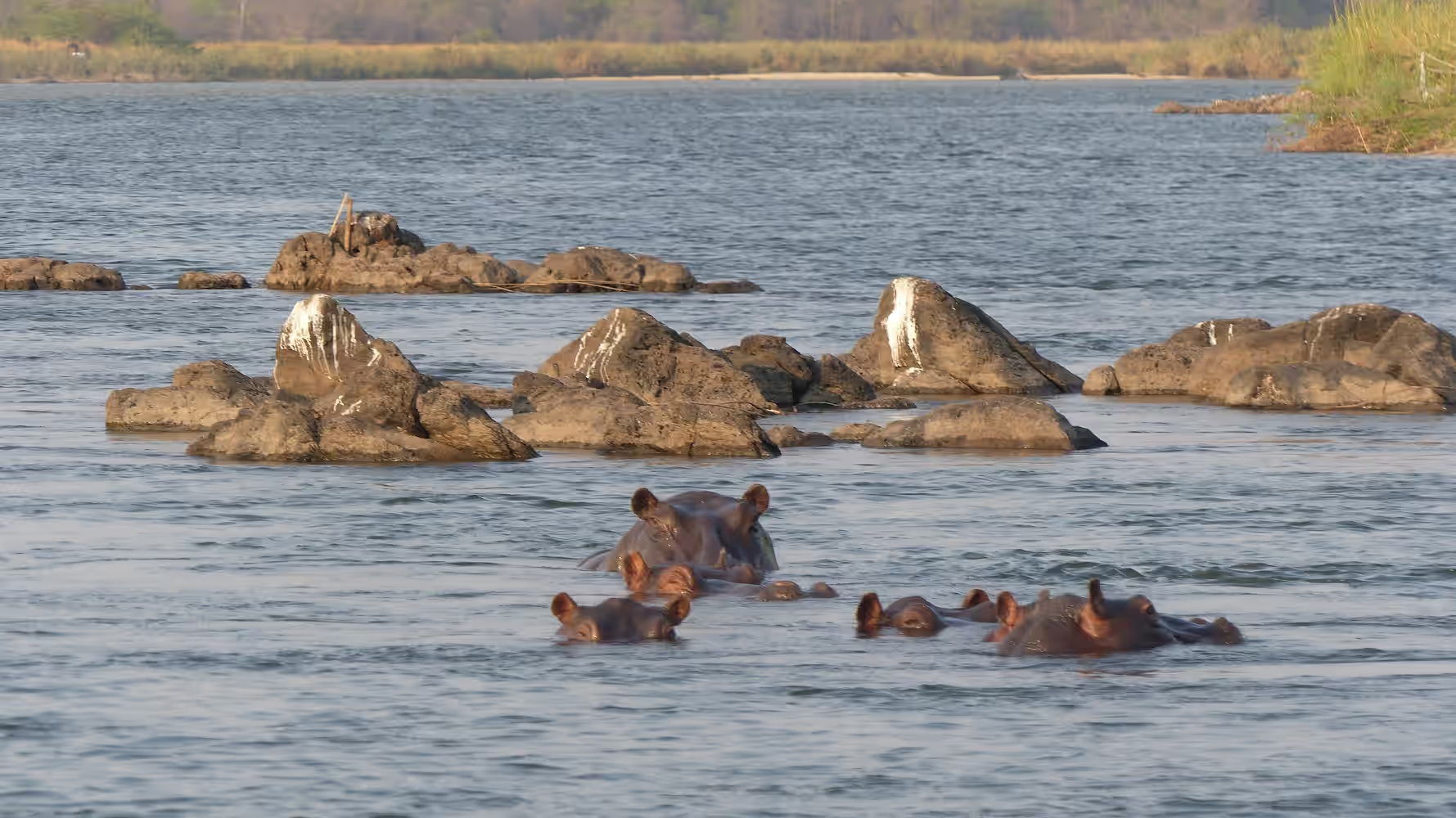
Absolutely not. The rivers in Bwabwata are wild and contain high numbers of aggressive Nile crocodiles and hippos, which are responsible for more human conflict than large cats. Always stay inside your vehicle or on designated lodge boardwalks when close to the water.