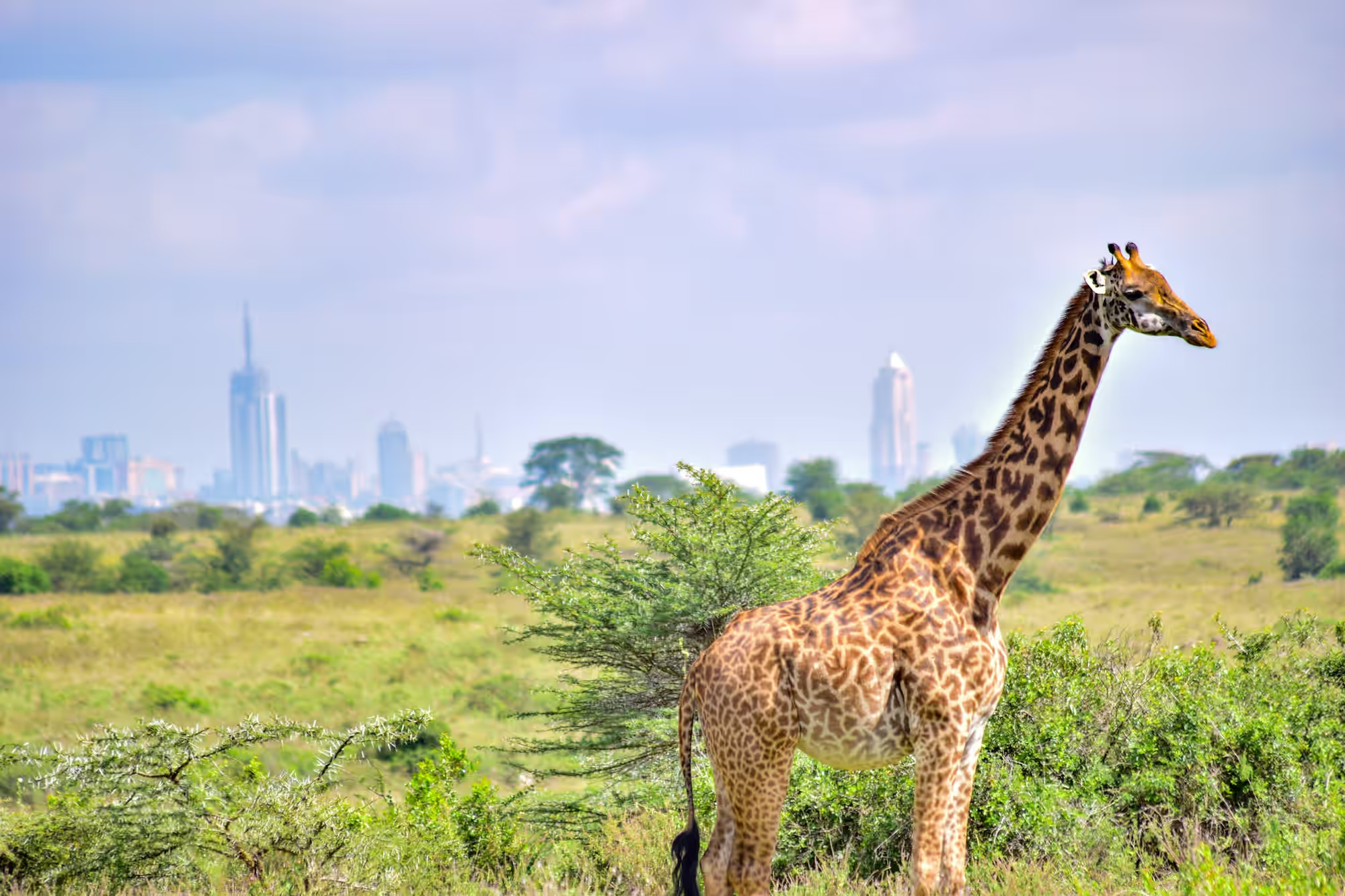
Nairobi National Park
Back to Destinations
Kenya

Nairobi National Park

Kenya

Experience Nairobi National Park

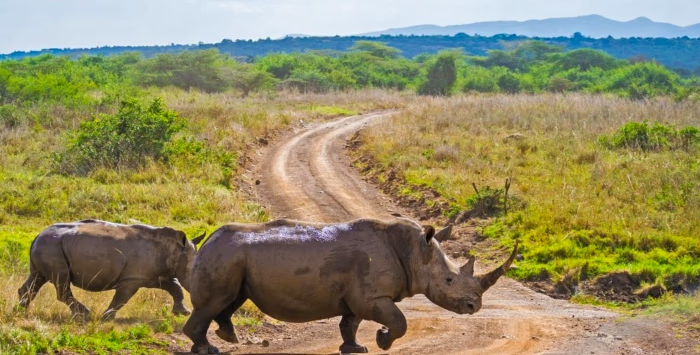
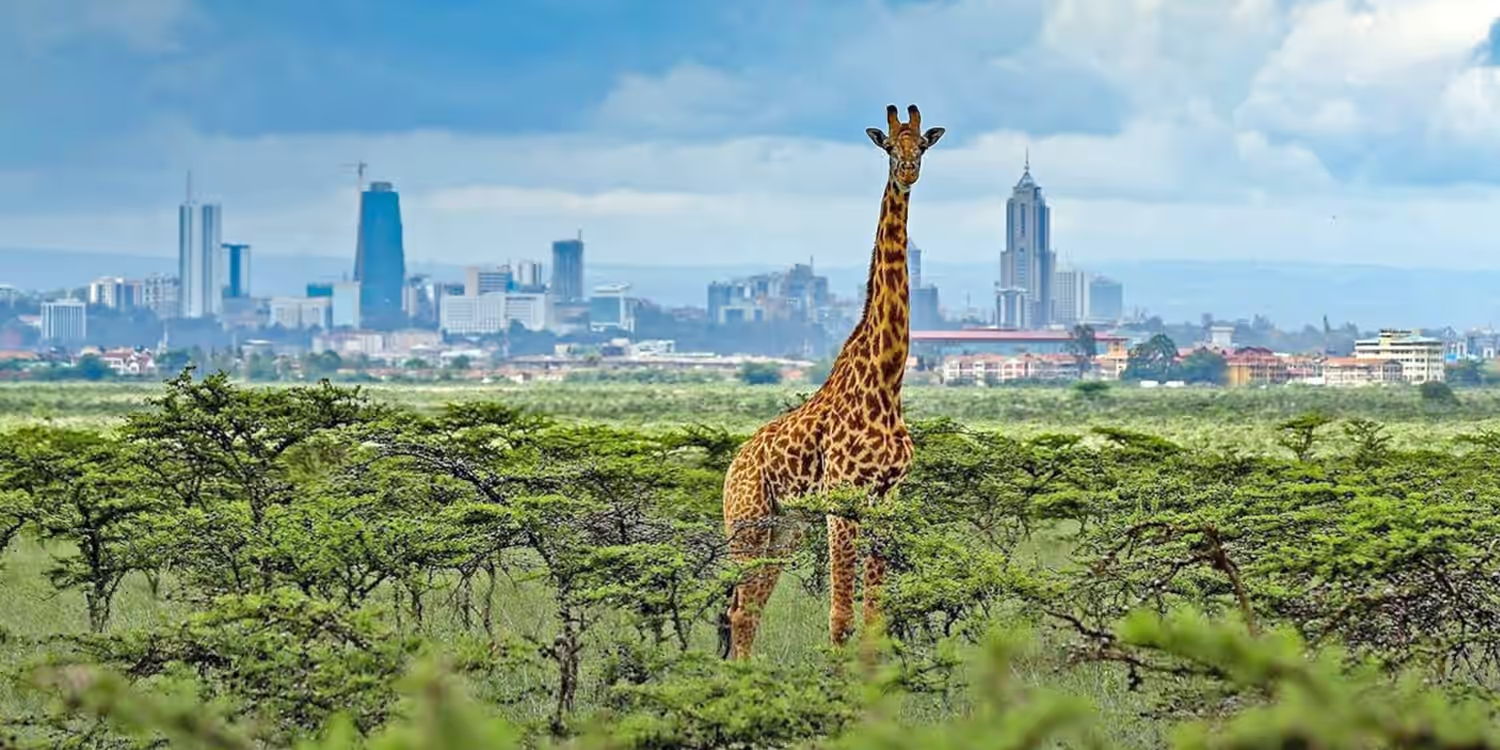
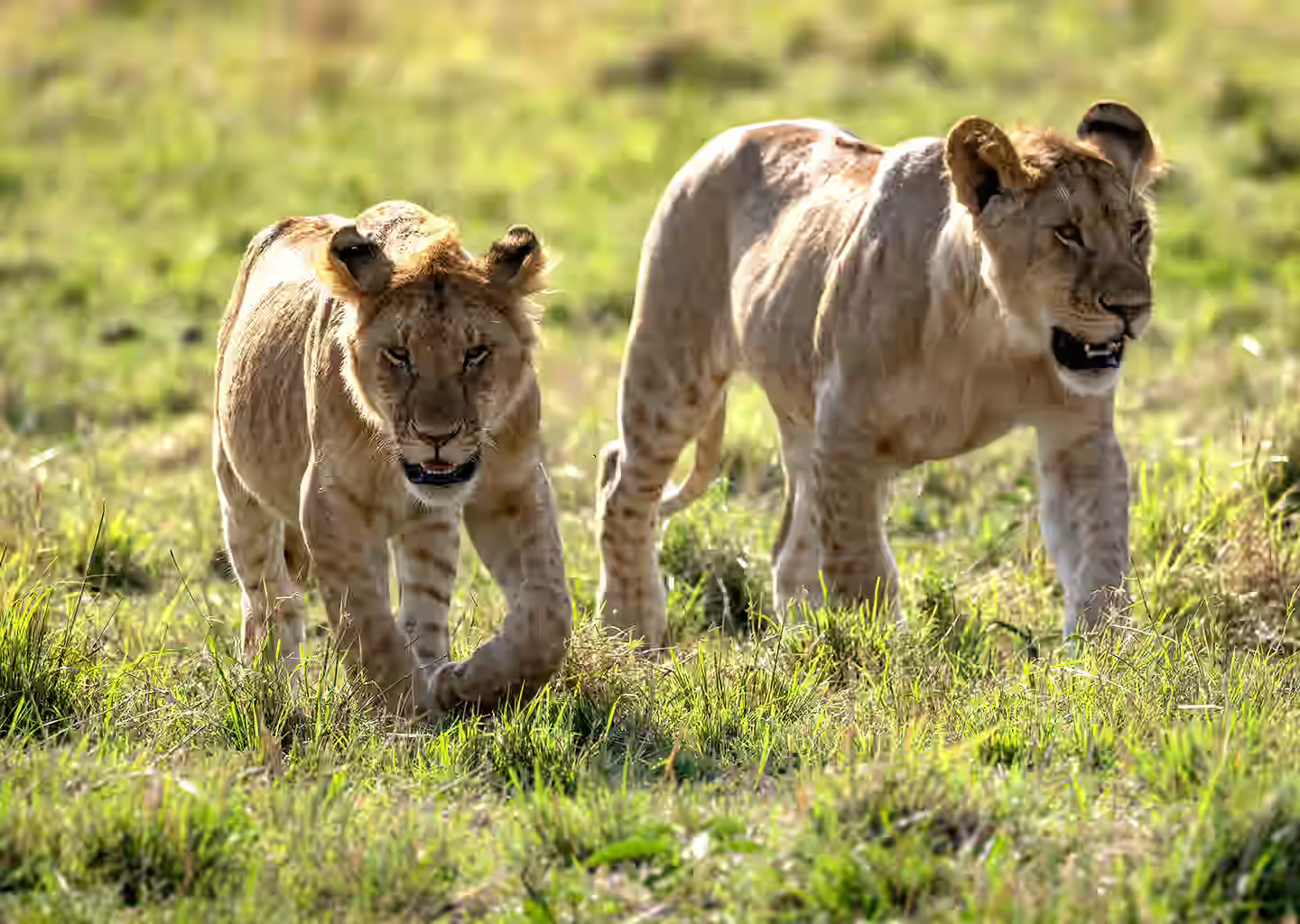
Nairobi National Park is one of Africa's most extraordinary conservation achievements and one of the world's great wildlife anomalies — a 117-square-kilometre national park harbouring authentic wildlife populations including lion, leopard, cheetah, black rhino, buffalo, hippopotamus, giraffe, and zebra, situated just 7 kilometres from the centre of one of Africa's largest and fastest-growing cities. The park's iconic image — a lion lounging against the backdrop of Nairobi's glittering skyline — has become one of the most recognisable symbols of Kenya's wildlife heritage and of the profound challenge of protecting wild spaces in a rapidly urbanising world. The park is fenced on three sides, with its southern boundary remaining open to allow wildlife to migrate onto the Athi-Kapiti plains — a remaining wildlife corridor of critical importance that is itself under increasing pressure from development. Established in 1946 as Kenya's first national park, Nairobi National Park continues to serve as a refuge for wildlife and as an incomparably accessible introduction to East African safari for transit visitors, business travellers, and residents of the city. The adjacent Nairobi Animal Orphanage and Safari Walk provide additional wildlife viewing and conservation education experiences.

Explore on Map

Iconic Highlights

1

• World's only national park within a capital city

2

• Black rhino — one of Kenya's most accessible rhino viewing sites

3

• Lion, leopard, cheetah, and Big Five against Nairobi's skyline

4

• Accessible in 15–20 minutes from central Nairobi

5

• Nairobi Animal Orphanage and Safari Walk adjacent to the park

6

• Perfect half-day or full-day excursion for transit passengers

Wildlife & Nature

Lion

Leopard

Rhino

Buffalo

Cheetah

Giraffe

Zebra

Hippo

Climate & When to Visit

Best Time to Visit

Jan
Feb
Mar
Apr
May
Jun
Jul
Aug
Sep
Oct
Nov
Dec

Monthly Averages

MonthTemp HighTemp LowRainfall
Apr21°C--°C-- mm
Aug23°C--°C-- mm
Dec24°C--°C-- mm
Feb25°C--°C-- mm
Jan24°C--°C-- mm
Jul22°C--°C-- mm
Jun20°C--°C-- mm
Mar24°C--°C-- mm
May20°C--°C-- mm
Nov23°C--°C-- mm
Oct24°C--°C-- mm
Sep24°C--°C-- mm

Travel Requirements

Nairobi National Park charges KWS entry fees of approximately USD 43 per person per day for non-resident adults, payable via eCitizen. Self-drive is possible with any vehicle on the park's maintained roads. A valid passport or national ID is required. International visitors need a Kenya eTA. Malaria risk is low in Nairobi given its elevation (1,700m) but insect repellent is advisable. The park is located on Langata Road, approximately 7 km from the city centre — a 15 to 20-minute drive. The park opens at 06:00 daily. Sunrise game drives are particularly rewarding for light and predator activity.

Frequently Asked Questions

Is Nairobi National Park worth visiting?
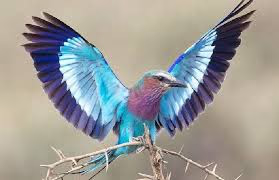
Absolutely. For transit passengers, business travellers, or visitors limited on time, Nairobi National Park offers a genuinely impressive wildlife experience with black rhino, lion, cheetah, giraffe, and over 400 bird species — all within 20 minutes of the city centre. The unique urban-wilderness backdrop creates memorable and distinctive photographic opportunities
When should I visit Nairobi National Park?
The park is productive year-round, but the dry months of June to October and January to February offer better game viewing as vegetation is shorter and wildlife is easier to spot. Dawn game drives (the park opens at 06:00) offer the best light for photography and the highest predator activity.
Can I self-drive in Nairobi National Park?
Yes. Self-drive is permitted and popular — any vehicle can use the park's well-maintained road network. A KWS guide can be hired at the gate for a more informed experience. Several tour operators also offer guided half-day and full-day safaris from Nairobi hotels.
What is the Nairobi Safari Walk?
The Nairobi Safari Walk is a botanical and wildlife walk adjacent to the Animal Orphanage at the park entrance. Elevated boardwalks pass through landscaped habitats housing rescued and non-releasable wildlife, providing close encounters with species including rhino, hippo, serval, and various antelope. It is an excellent educational attraction for families.
Is Nairobi National Park fenced?
The park is fenced on its northern, eastern, and western boundaries — which border the city — but the southern boundary remains open, allowing wildlife to migrate seasonally between the park and the Athi-Kapiti plains. This open corridor is vital for maintaining the park's wild character but is increasingly threatened by urban expansion.

Ready to Explore?

Dest Type

National Parks

Status

Entry Permits Required

Need Expert Advice?

Speak with a Safari Specialist

Learn More