
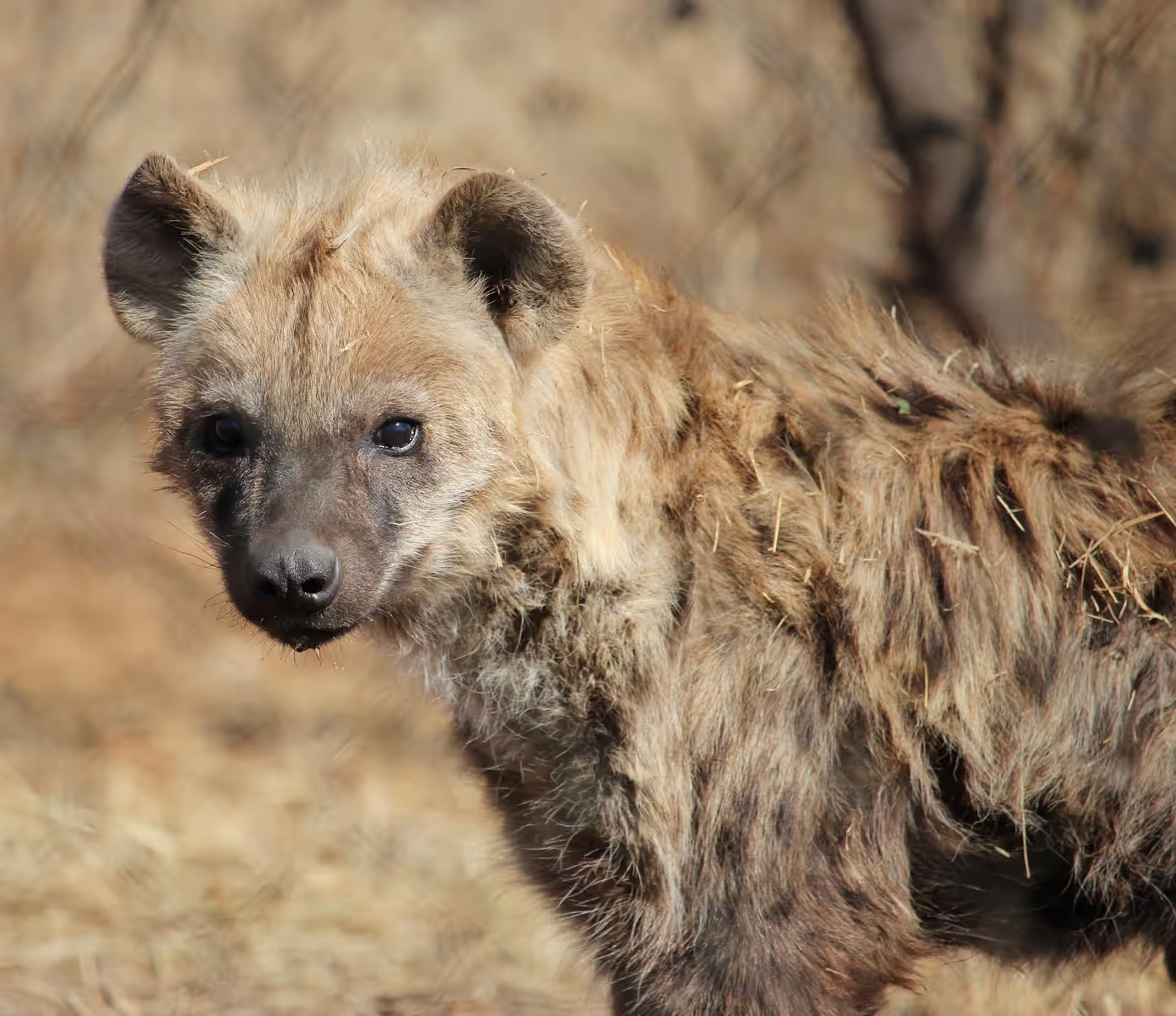
Experience Ruaha National Park
Spanning roughly 20,226 square kilometers, Ruaha is the heart of a much larger ecosystem that includes Rungwa and Kizigo Game Reserves. The park is named after the Great Ruaha River, which flows along its southeastern margin and serves as the lifeblood for wildlife during the dry season. The terrain is a dramatic mix of rolling hills, rocky outcrops (kopjes), and vast open plains punctuated by ancient, towering baobabs. Because of its location in a transition zone where eastern and southern African flora and fauna overlap, Ruaha boasts a unique biological diversity—it is one of the few places where you can see both Greater and Lesser Kudu, as well as both Sable and Roan antelope.
Explore on Map
Popular Safaris in Ruaha National Park
Things to Do
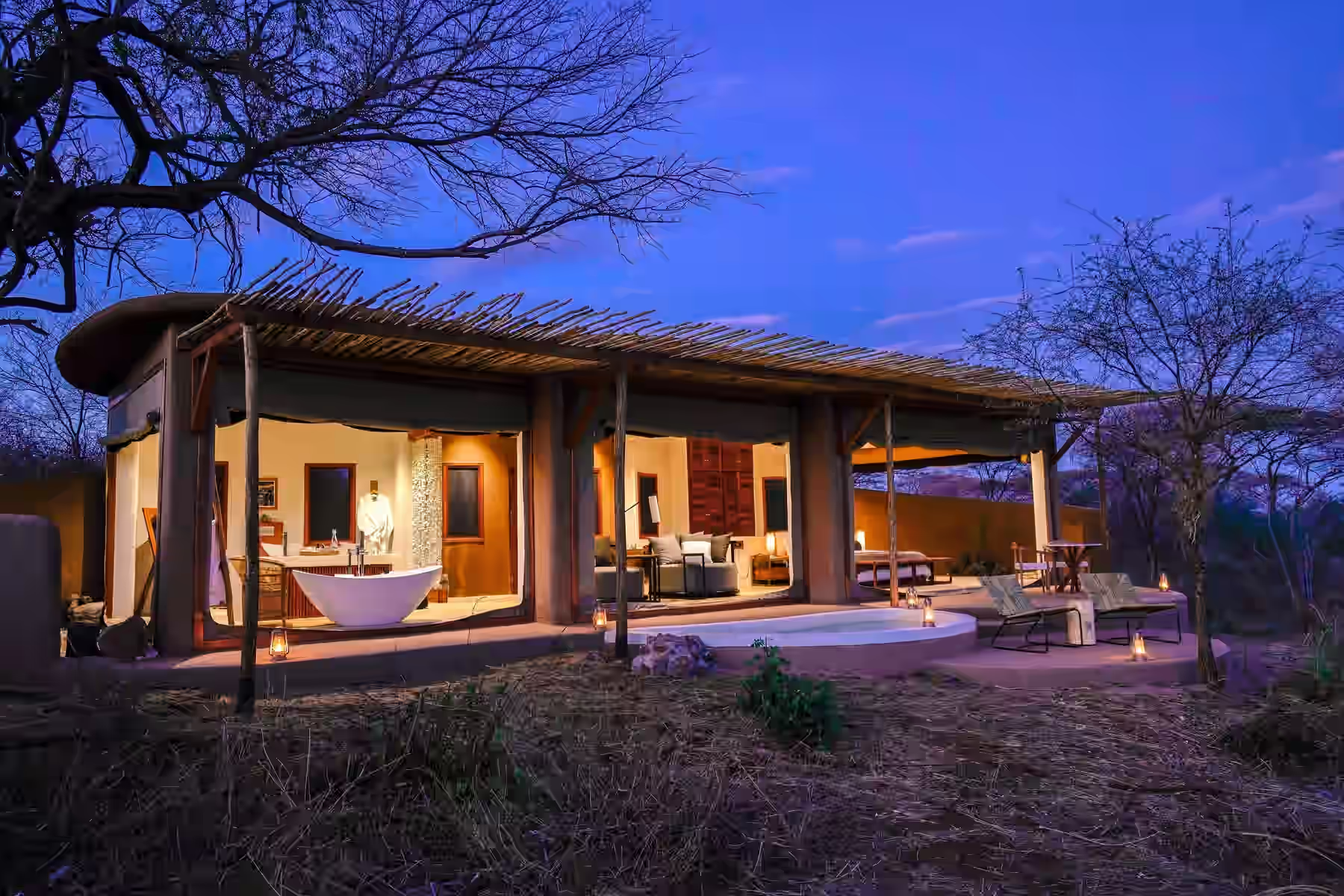
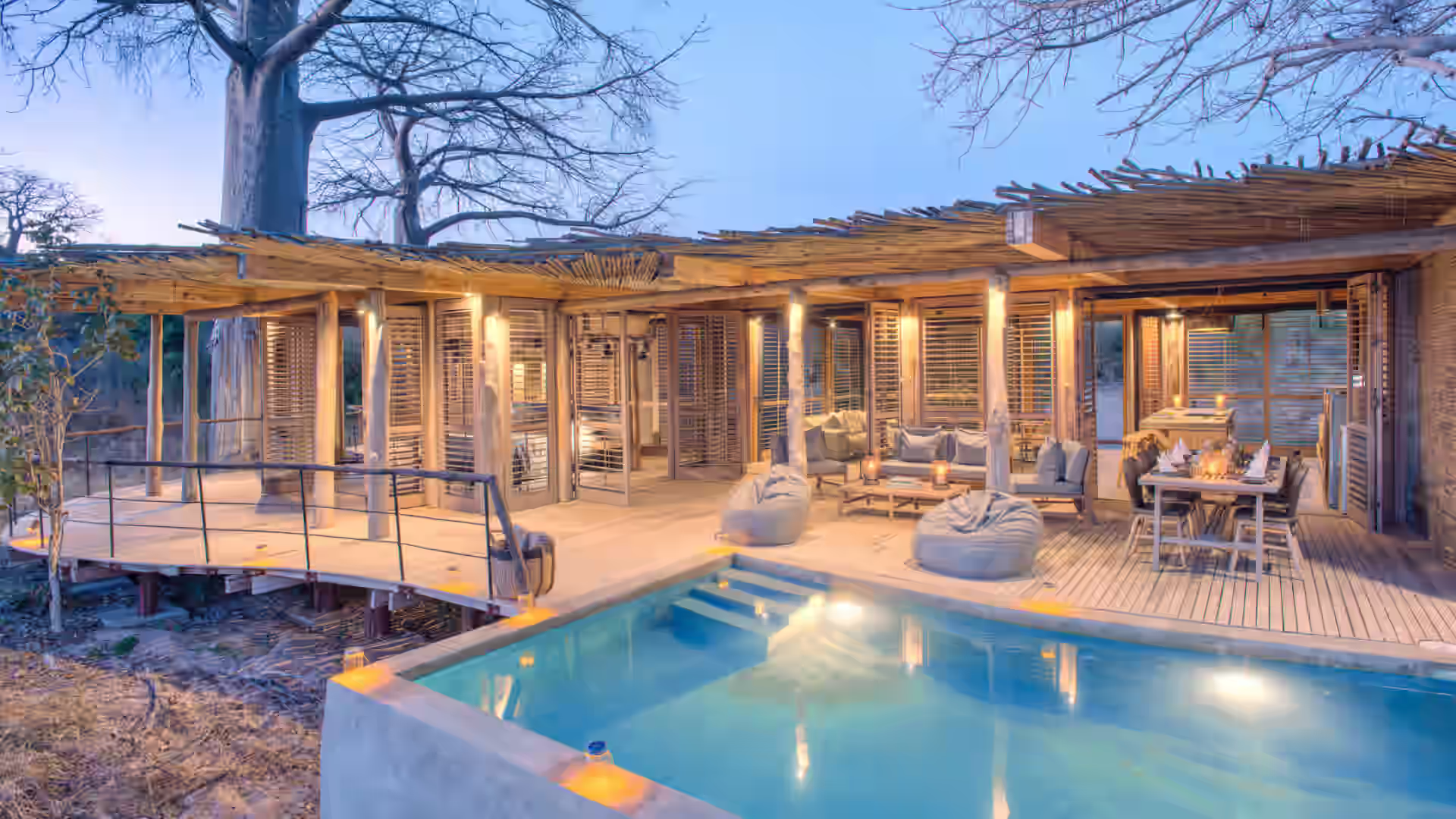
Where to Stay
4
5
Iconic Highlights
1
The Great Ruaha River: The ultimate stage for wildlife drama, where predators lie in wait for thirsty herds.
2
Baobab Forests: One of the highest concentrations of these "upside-down trees" in Africa, creating a prehistoric-looking landscape.
3
Massive Elephant Herds: Home to one of the largest elephant populations in East Africa.
4
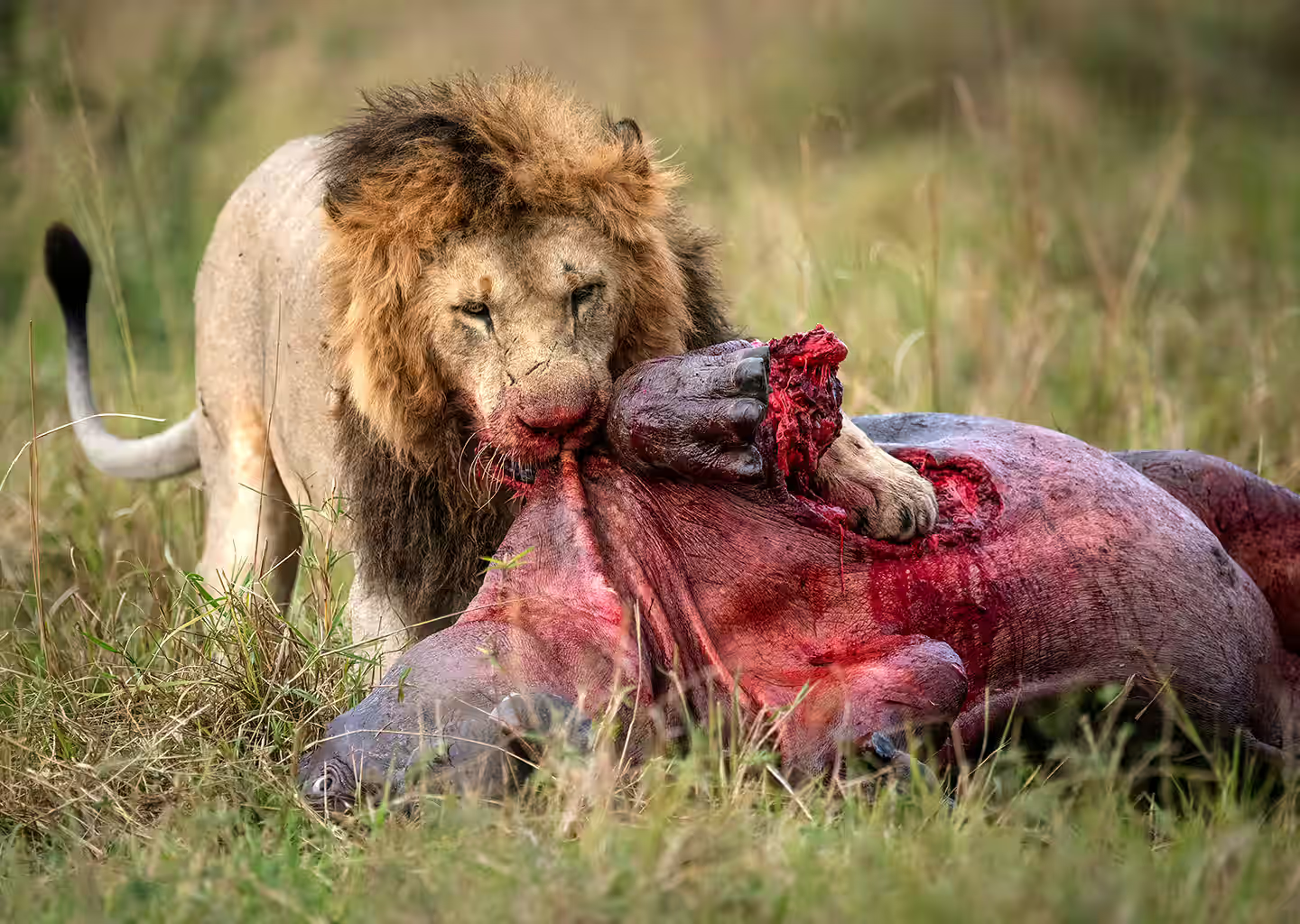
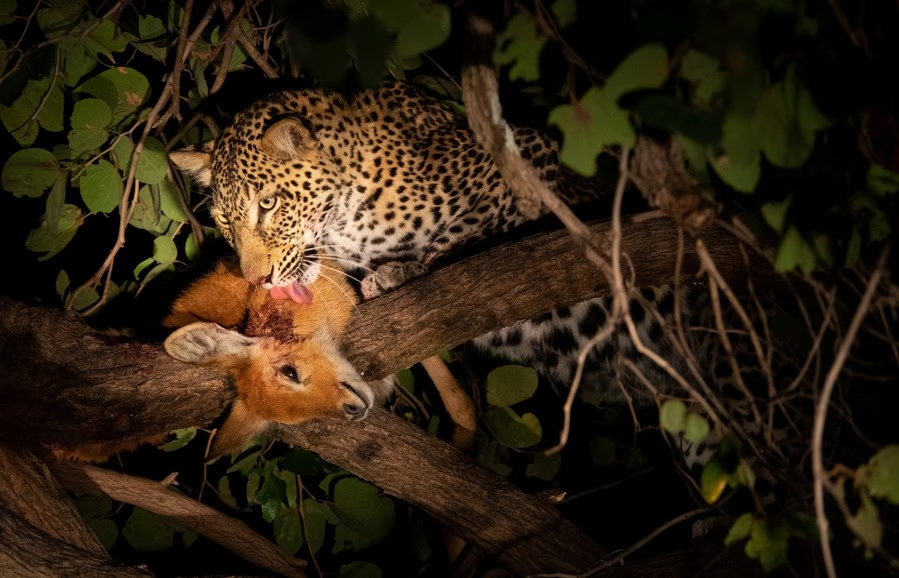
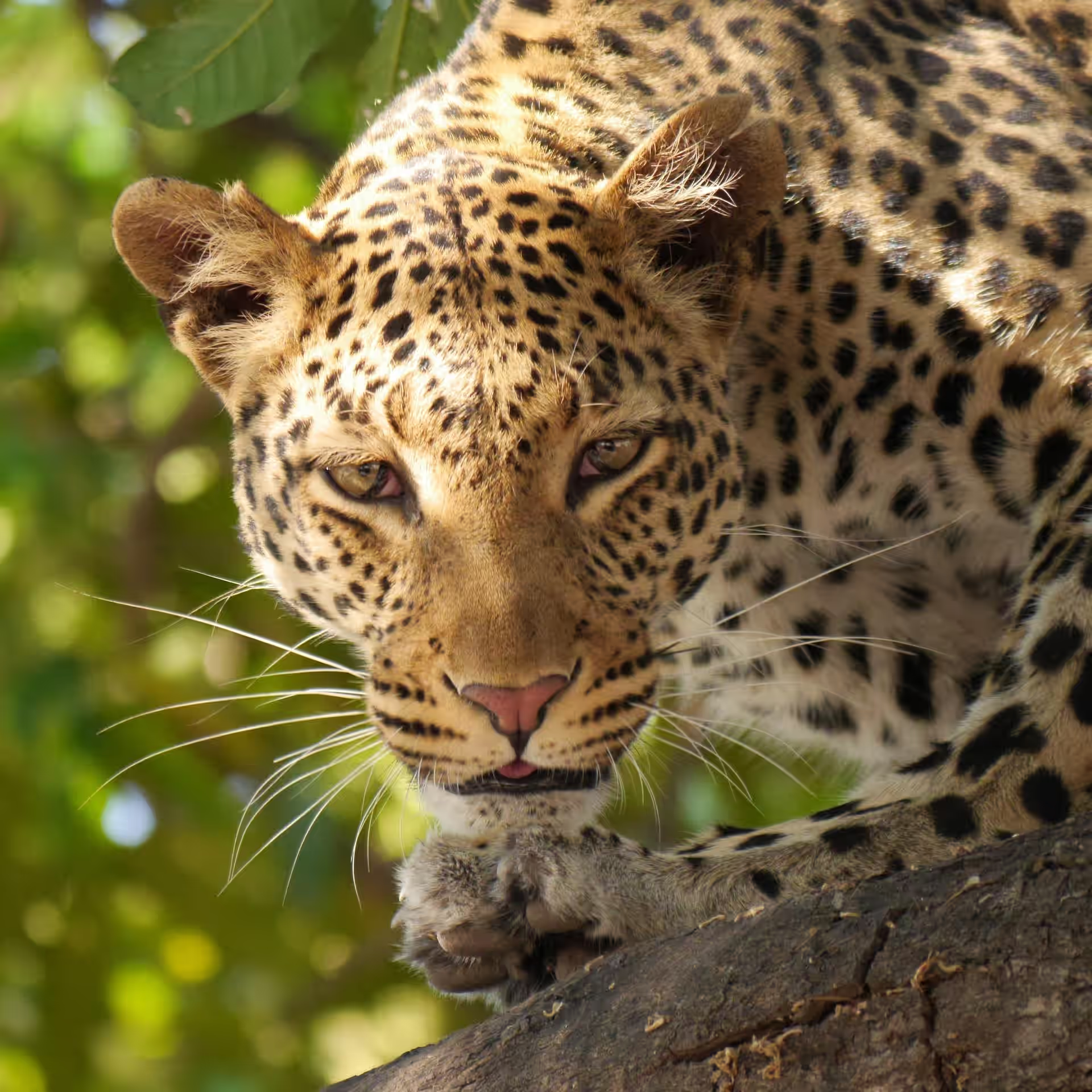
Predator Powerhouse: Exceptional lion sightings (hosting roughly 10% of the world's remaining wild lion population) and frequent leopard and cheetah encounters.
5
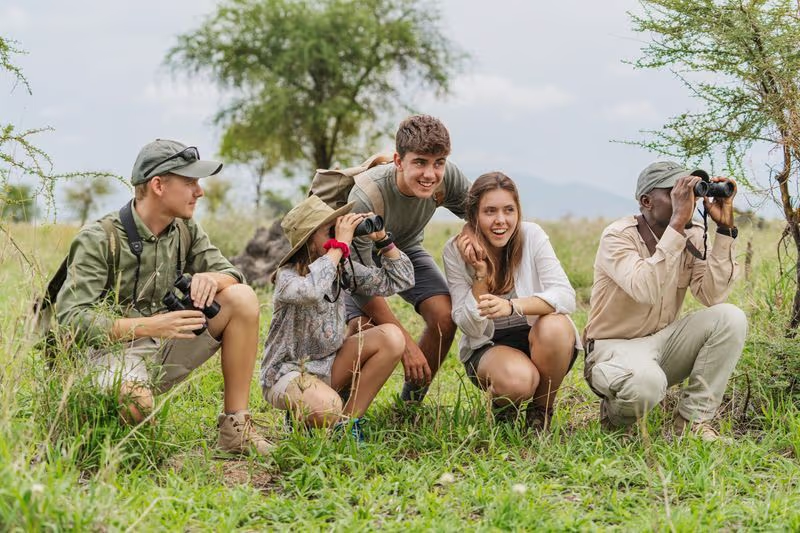
Walking Safaris: Renowned as one of the best places for multi-day fly-camping and walking treks in deep wilderness.
Wildlife & Nature
Lion
Elephant
Leopard
Buffalo
Wildebeest
Zebra
Giraffe
Cheetah
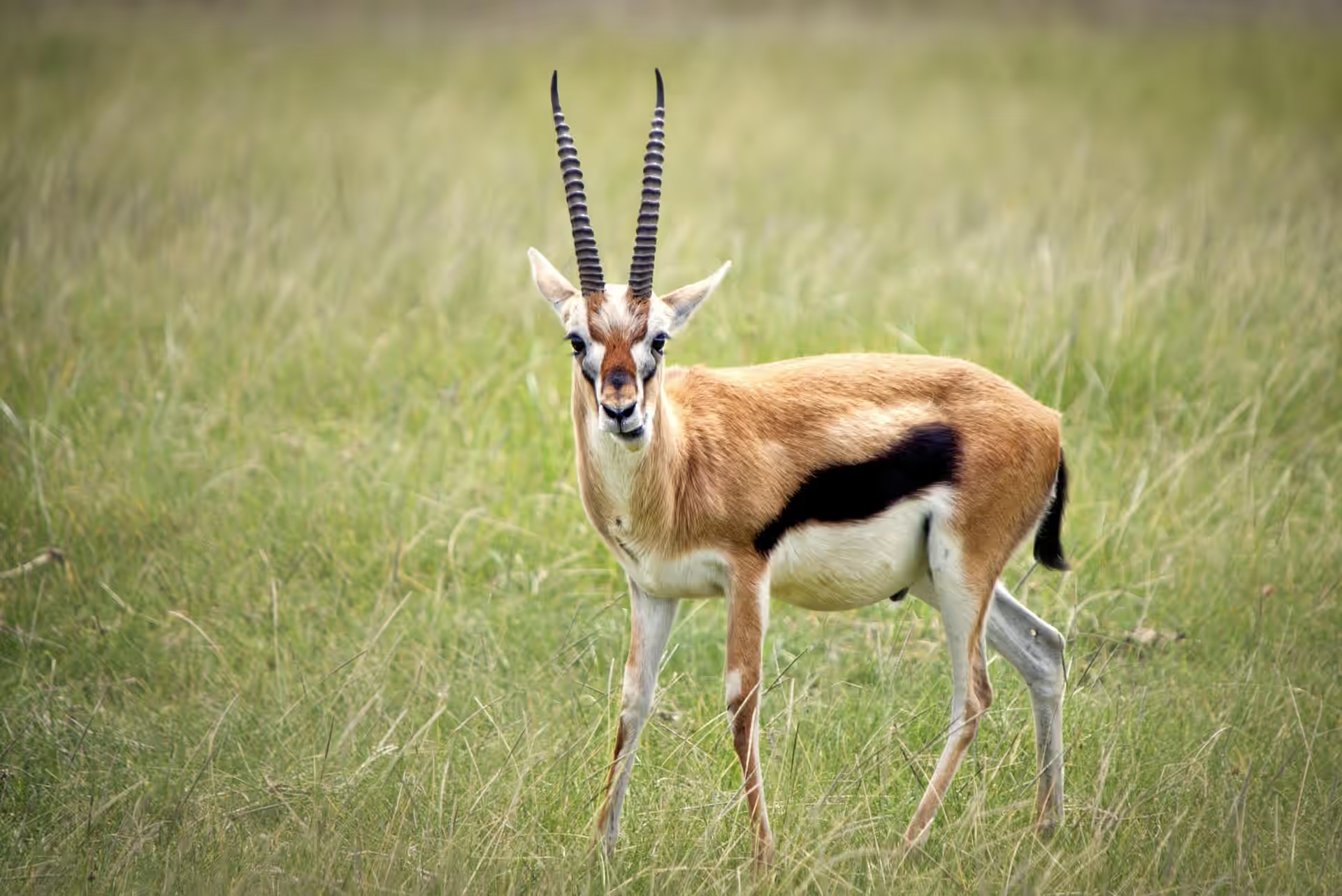
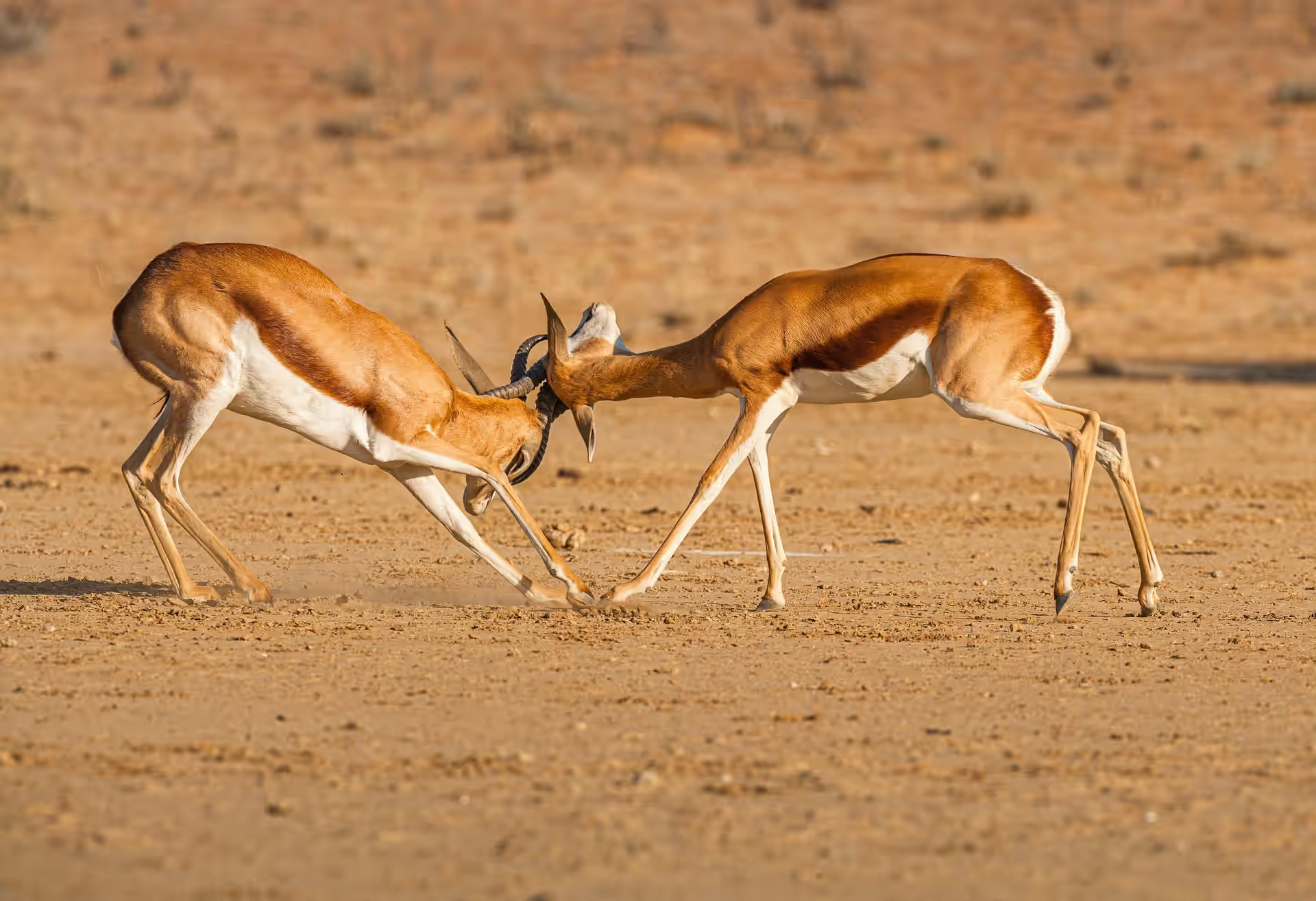
Photo Gallery

Climate & When to Visit
Best Time to Visit
Jan
Feb
Mar
Apr
May
Jun
Jul
Aug
Sep
Oct
Nov
Dec
Monthly Averages
| Month | Temp High | Temp Low | Rainfall |
|---|---|---|---|
| Apr | 27°C | --°C | -- mm |
| Aug | 27°C | --°C | -- mm |
| Dec | 29°C | --°C | -- mm |
| Feb | 28°C | --°C | -- mm |
| Jan | 28°C | --°C | -- mm |
| Jul | 26°C | --°C | -- mm |
| Jun | 27°C | --°C | -- mm |
| Mar | 28°C | --°C | -- mm |
| May | 27°C | --°C | -- mm |
| Nov | 31°C | --°C | -- mm |
| Oct | 30°C | --°C | -- mm |
| Sep | 29°C | --°C | -- mm |
Travel Requirements
Visa: Standard Tanzania Tourist Visa required for most nationalities.
Access: Most visitors arrive via light aircraft from Arusha or Dar es Salaam to Msembe or Jongomeru airstrips. Road access is possible from Iringa (approx. 2–3 hours).
Health: Malaria prophylaxis is essential. Yellow Fever certificate required if coming from an endemic zone.
Fees: Conservation fees are paid via Government Control Number or credit card at the Msembe gate.
Frequently Asked Questions
Why is Ruaha called a "transition zone"?
It lies where the southern African Miombo woodland meets the East African acacia savannah. This creates a unique overlap where species from both regions (like different types of kudu and hornbills) live together.
Is Ruaha crowded with tourists?
Not at all. Due to its remote location and vast size, it is common to go an entire game drive without seeing another vehicle, offering a very private experience.
Can I see rhinos in Ruaha?
No, there are currently no rhinos in Ruaha National Park.
Is it safe to do a walking safari with lions around?
Walking safaris are led by highly trained, armed rangers and professional guides who understand animal behavior. They maintain a safe distance and ensure the environment is secure before proceeding.
How do I get to Ruaha from Dar es Salaam?
The most efficient way is a 1.5-hour bush flight. Driving is an option but takes roughly 10–12 hours, usually requiring an overnight stop in Iringa.