
Experience Borana Conservancy
Borana Conservancy is one of
Kenya's most distinguished private wildlife sanctuaries, set on the sweeping
Laikipia Plateau in central Kenya at elevations of around 2,000 metres.
Covering approximately 32,000 acres of rugged semi-arid savannah, rocky outcrops,
and acacia scrubland, Borana forms part of the interconnected Laikipia
ecosystem — a mosaic of private ranches and community conservancies that
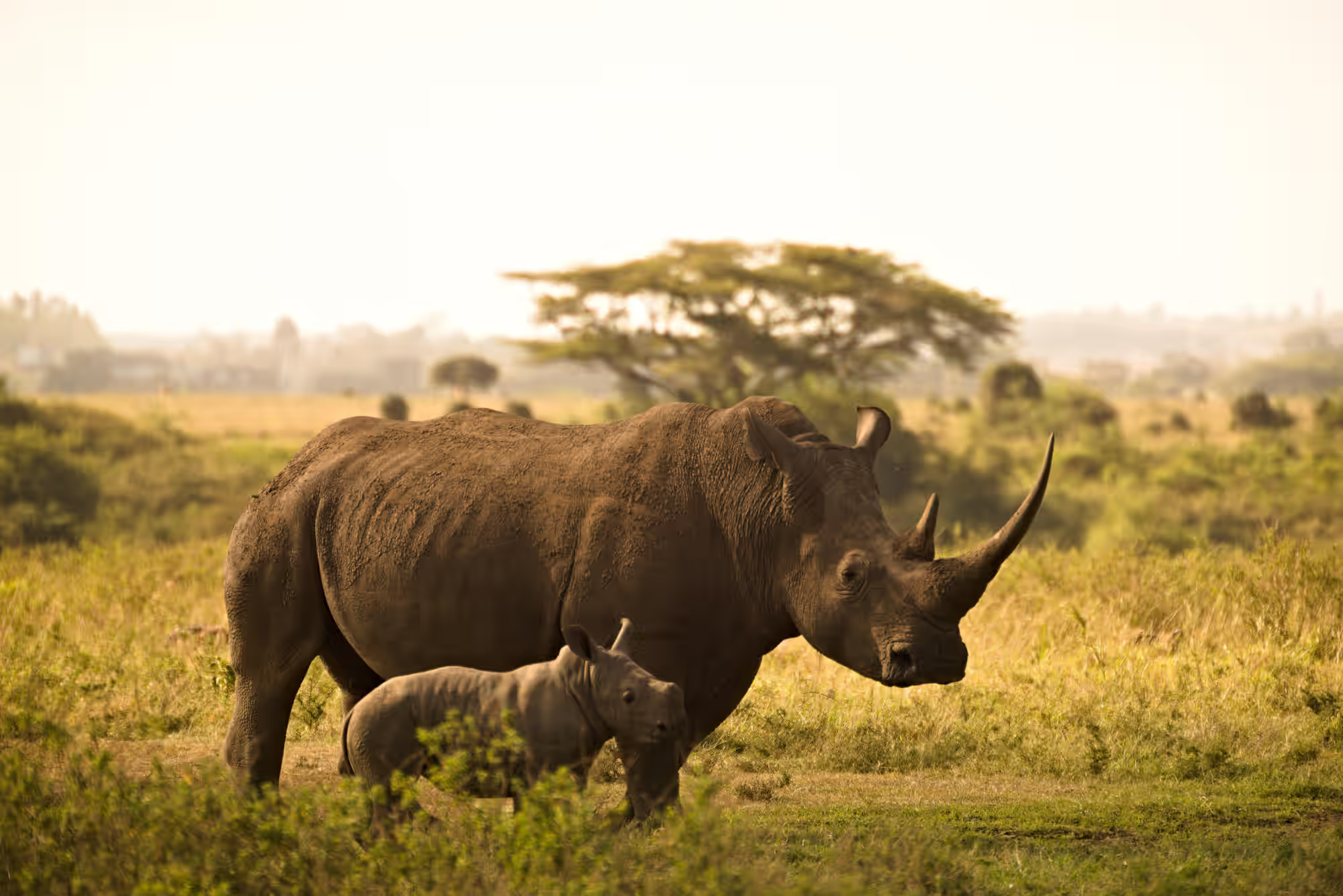
collectively protect Africa's second-largest population of black rhino and one
of Kenya's highest concentrations of endangered wildlife species outside
national parks. Borana's landscape is dramatic and varied, offering panoramic
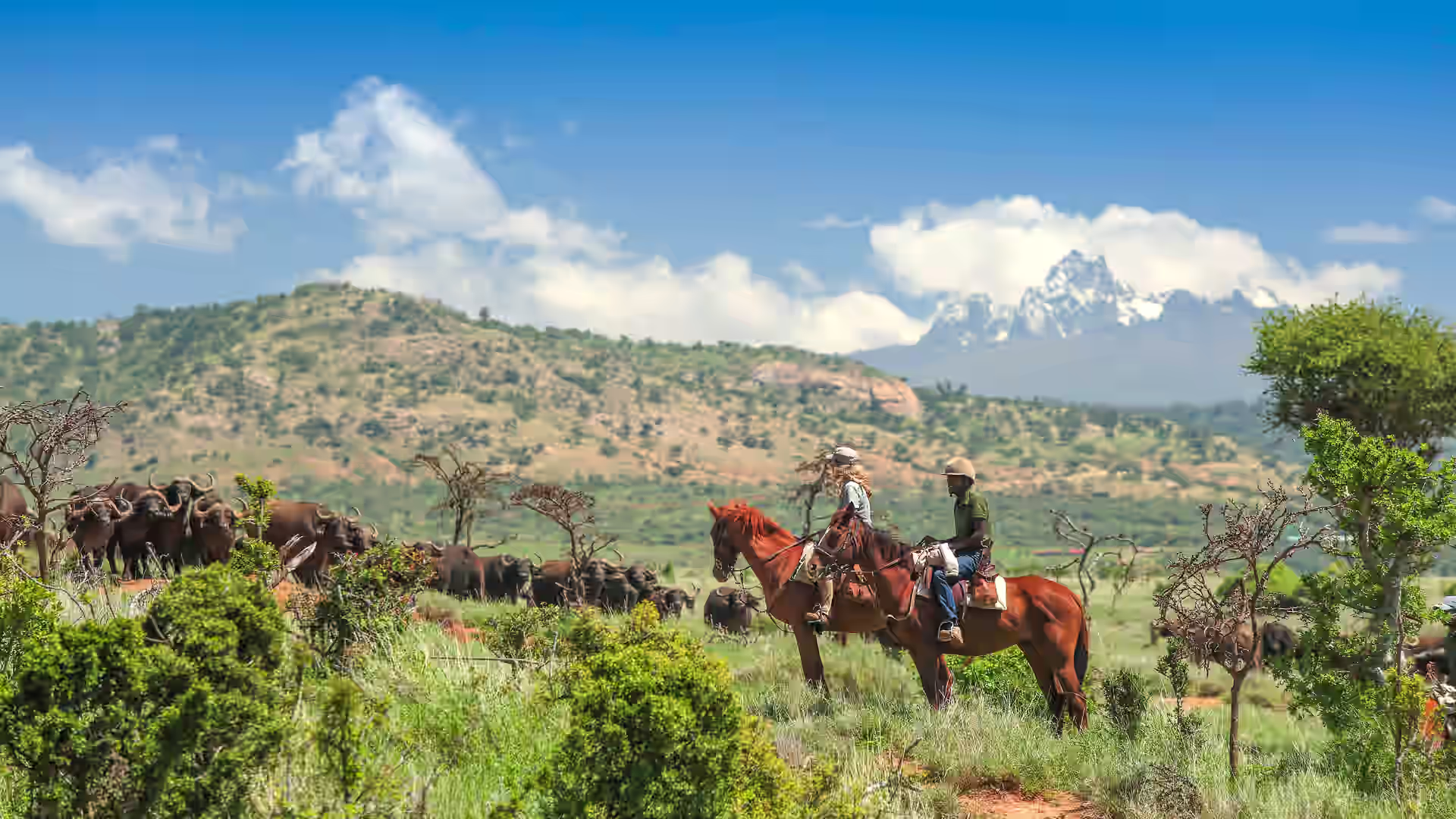
views stretching to Mount Kenya and the Northern Frontier. The conservancy's
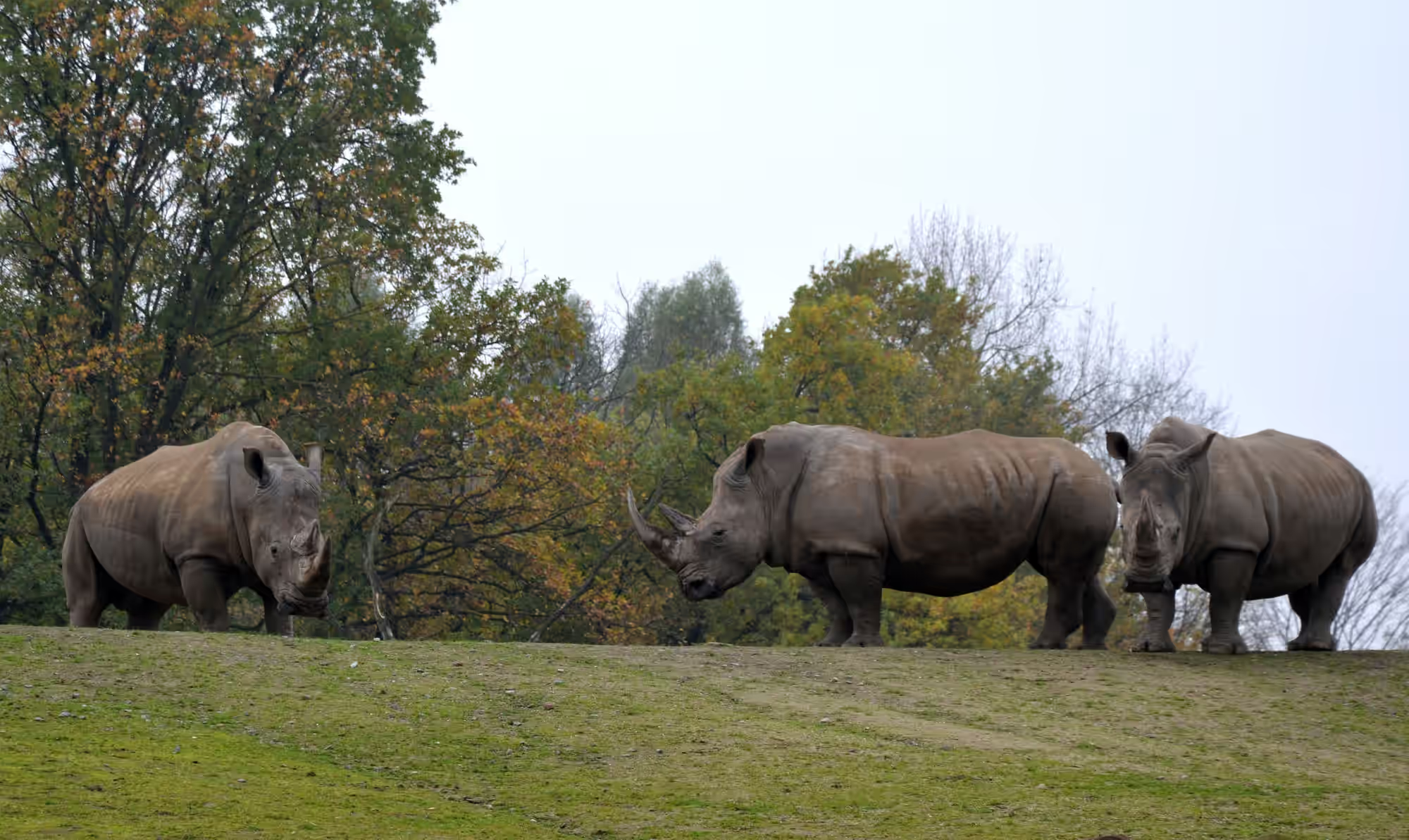
successful rhino breeding and protection programme has made it a key sanctuary
for both black and white rhino, and its populations have contributed restocking
animals to parks across Kenya. Unlike national parks, Borana permits off-road
driving, night game drives, guided walking safaris, horse riding, camel trekking,
and exclusive wildlife encounters tailored to individual guests. The property's
single luxury lodge ensures a private, intimate atmosphere with highly
personalised service.
Explore on Map
Iconic Highlights
• Successful black and white rhino conservation programme
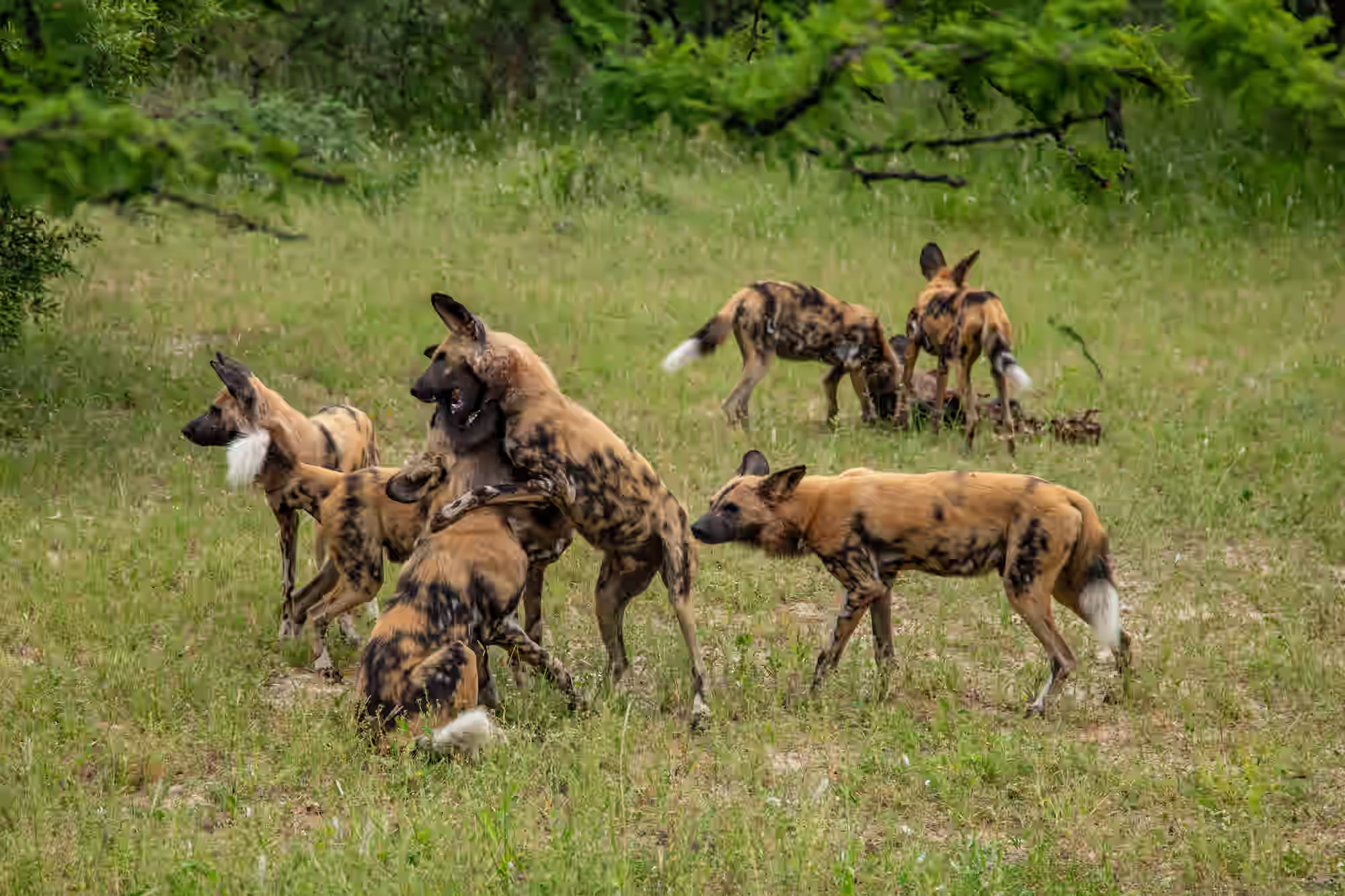
• Big Five plus wild dog and cheetah year-round
• Walking safaris, horse riding, and camel trekking
• Dramatic Laikipia Plateau scenery with Mount Kenya views
• Night game drives not available in national parks
• Exclusive low-density safari with single luxury lodge
• Part of the greater Laikipia wildlife ecosystem
Wildlife & Nature
Lion
Leopard
Rhino
Buffalo
Giraffe
Zebra
Wildebeest
Wild Dogs
Cheetah
Photo Gallery
Climate & When to Visit
Best Time to Visit
Monthly Averages
| Month | Temp High | Temp Low | Rainfall |
|---|---|---|---|
| Apr | 24°C | --°C | -- mm |
| Aug | 25°C | --°C | -- mm |
| Dec | 26°C | --°C | -- mm |
| Feb | 28°C | --°C | -- mm |
| Jan | 27°C | --°C | -- mm |
| Jul | 24°C | --°C | -- mm |
| Jun | 23°C | --°C | -- mm |
| Mar | 27°C | --°C | -- mm |
| May | 23°C | --°C | -- mm |
| Nov | 26°C | --°C | -- mm |
| Oct | 26°C | --°C | -- mm |
| Sep | 25°C | --°C | -- mm |
Travel Requirements
Frequently Asked Questions
Ready to Explore?
Dest Type
Conservation Areas
Status
Entry Permits Required