
Experience Etosha National Park
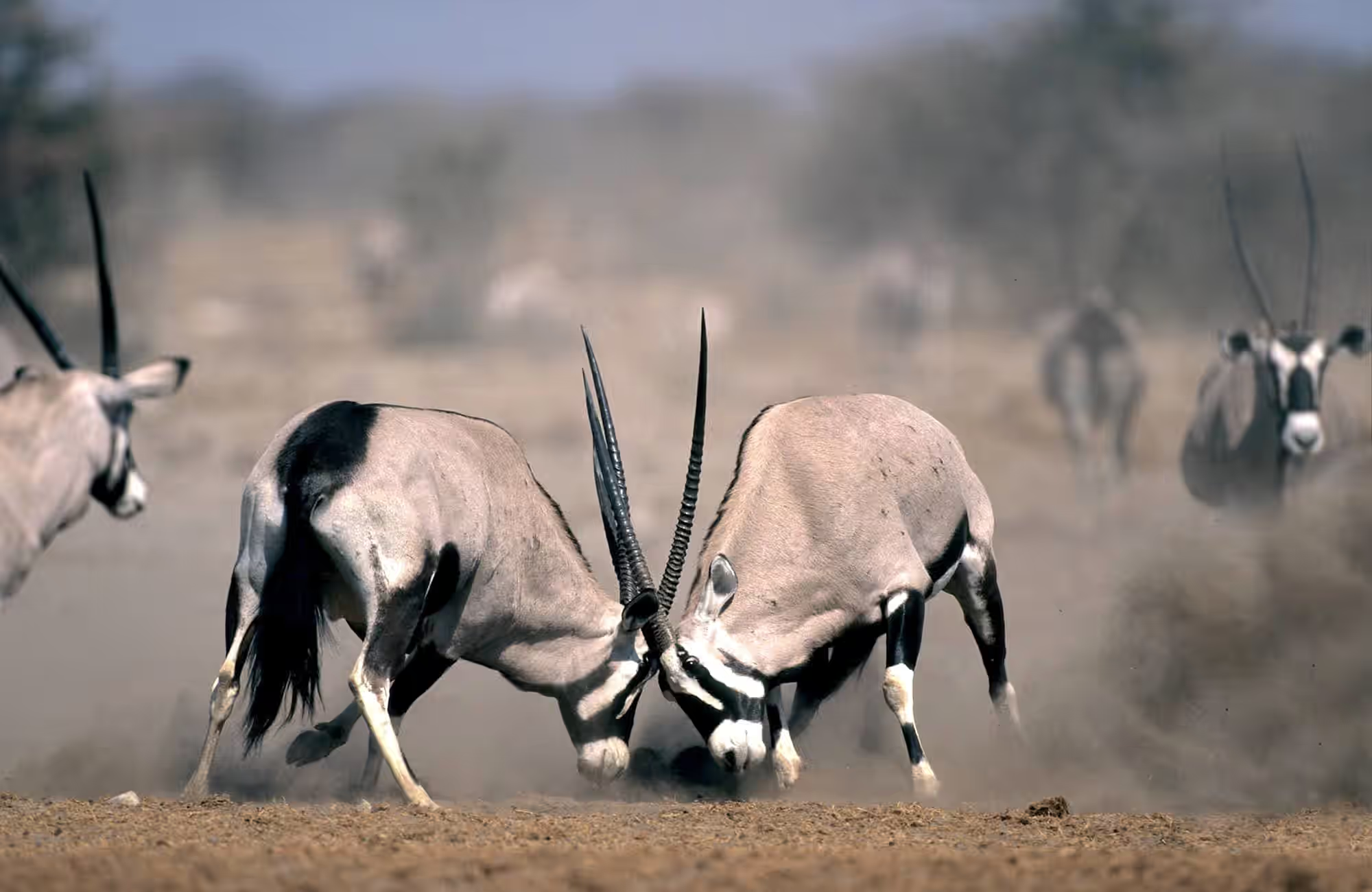
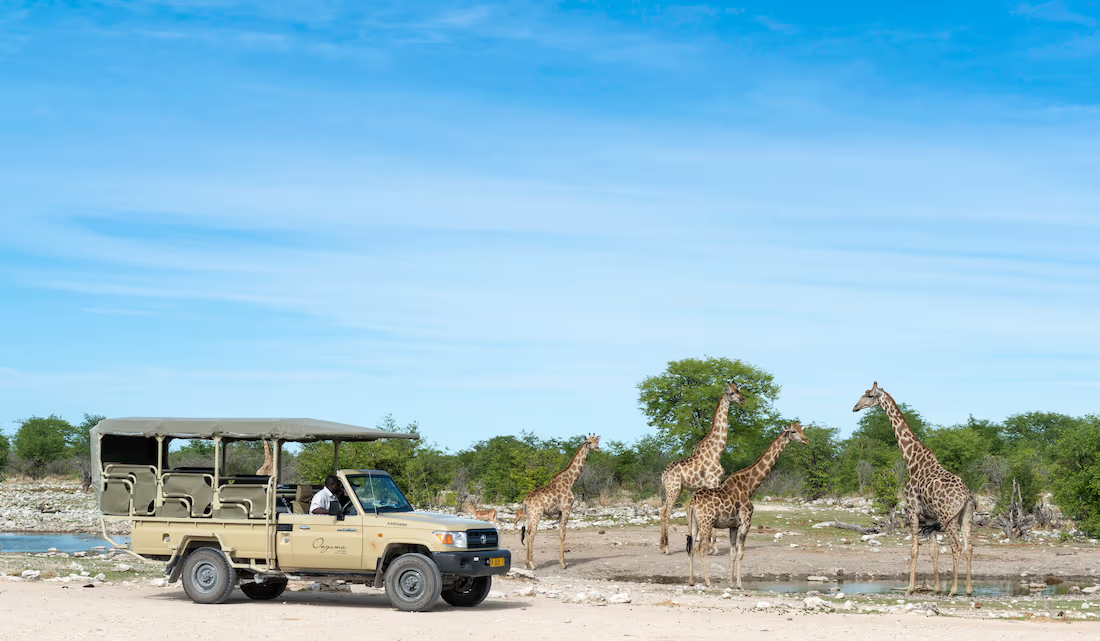
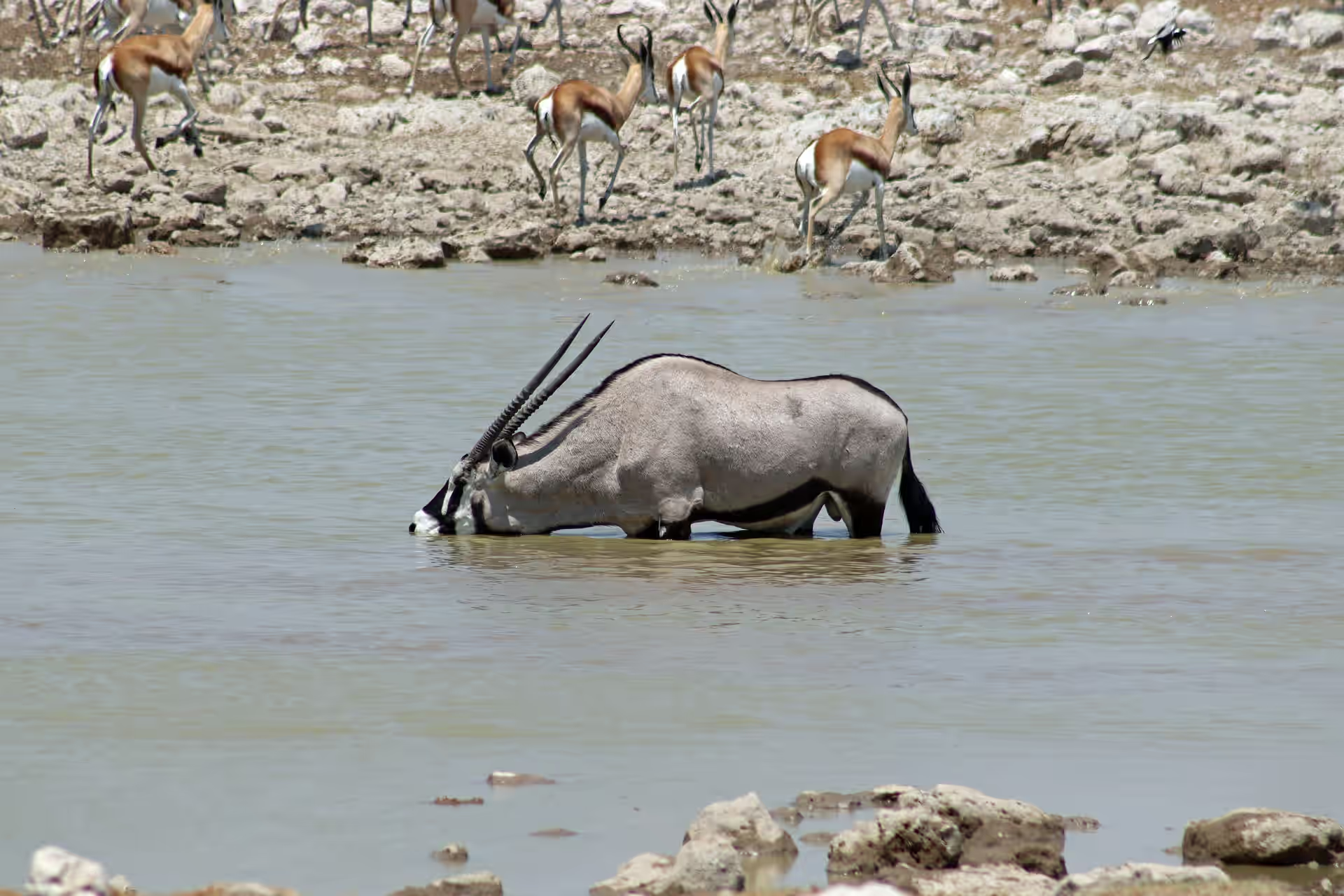
Etosha, meaning "Great White Place," is centered around the 4,800 $km^2$ Etosha Pan—a salt crust that covers nearly a quarter of the park. Proclaimed in 1907, it is one of Africa's oldest and largest reserves. The landscape is a mix of saline desert, savanna, and mopane woodlands. Because the park is largely arid, wildlife is forced to congregate at a network of over 80 waterholes, making game viewing exceptionally easy and predictable, especially in the dry season. While the pan is usually a dry, white expanse, it can transform into a shallow lake after heavy rains, attracting thousands of flamingos.
Explore on Map
Popular Safaris in Etosha National Park
Where to Stay
4
4
5
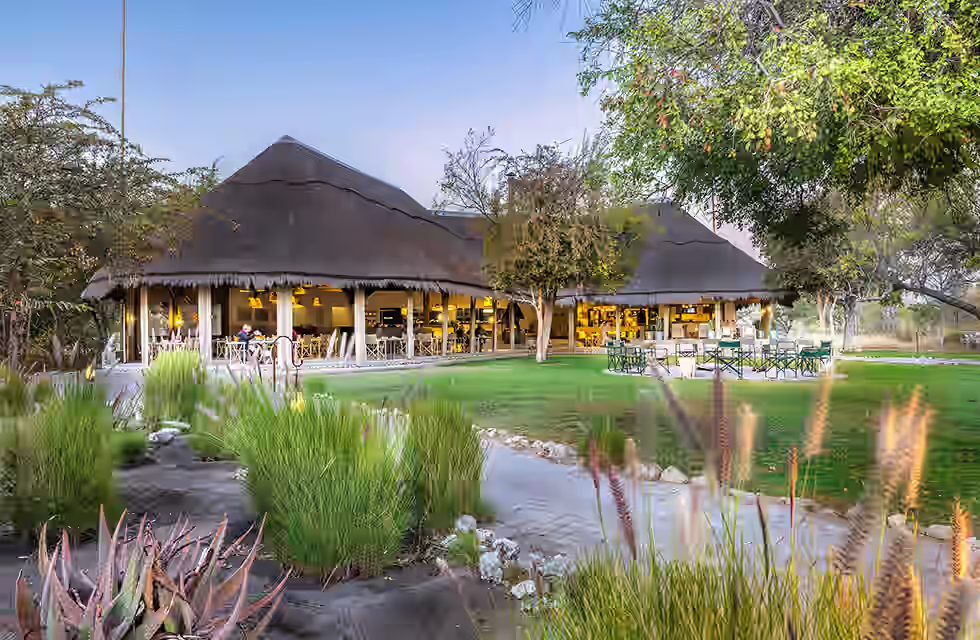
4
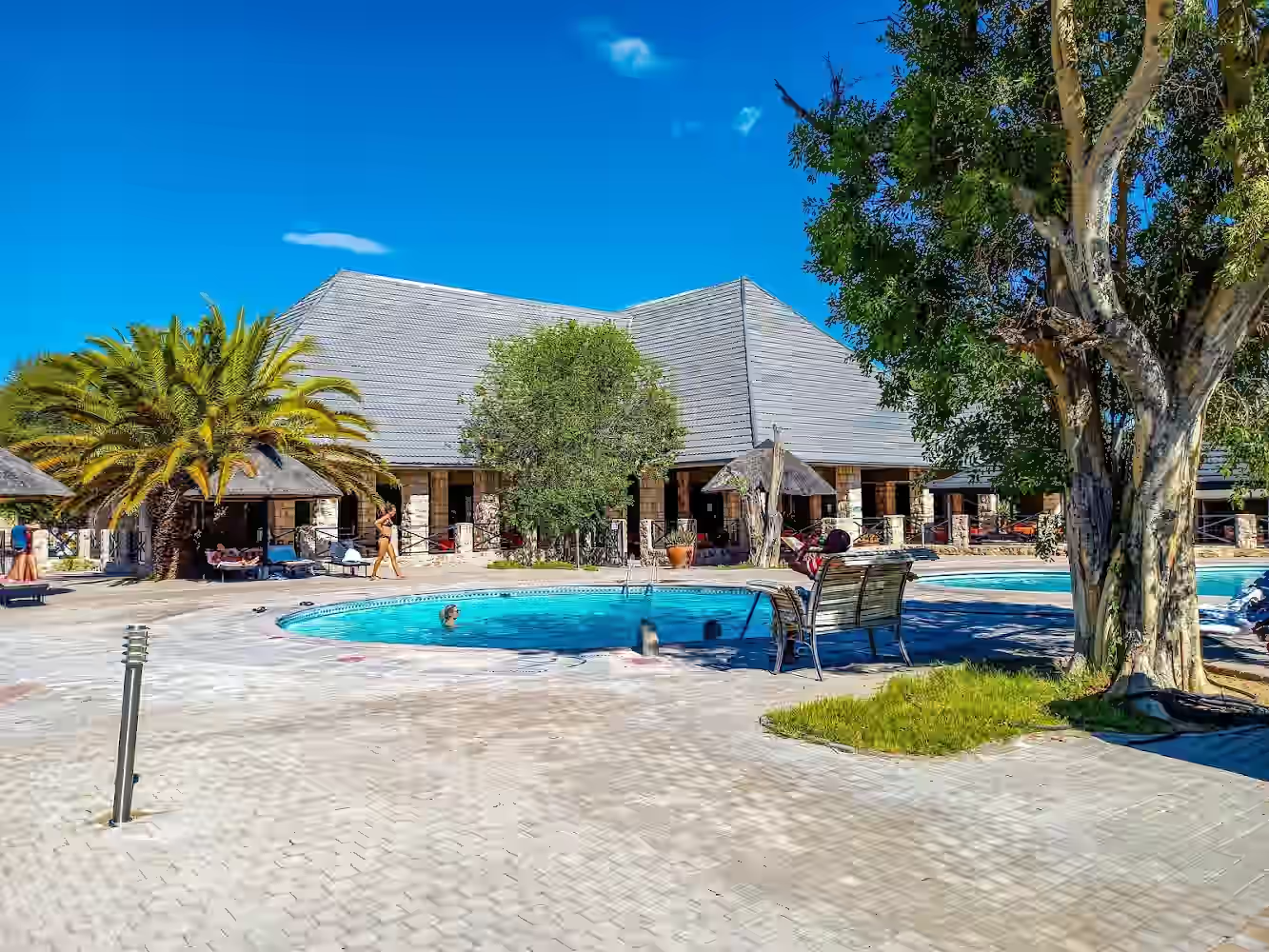
3
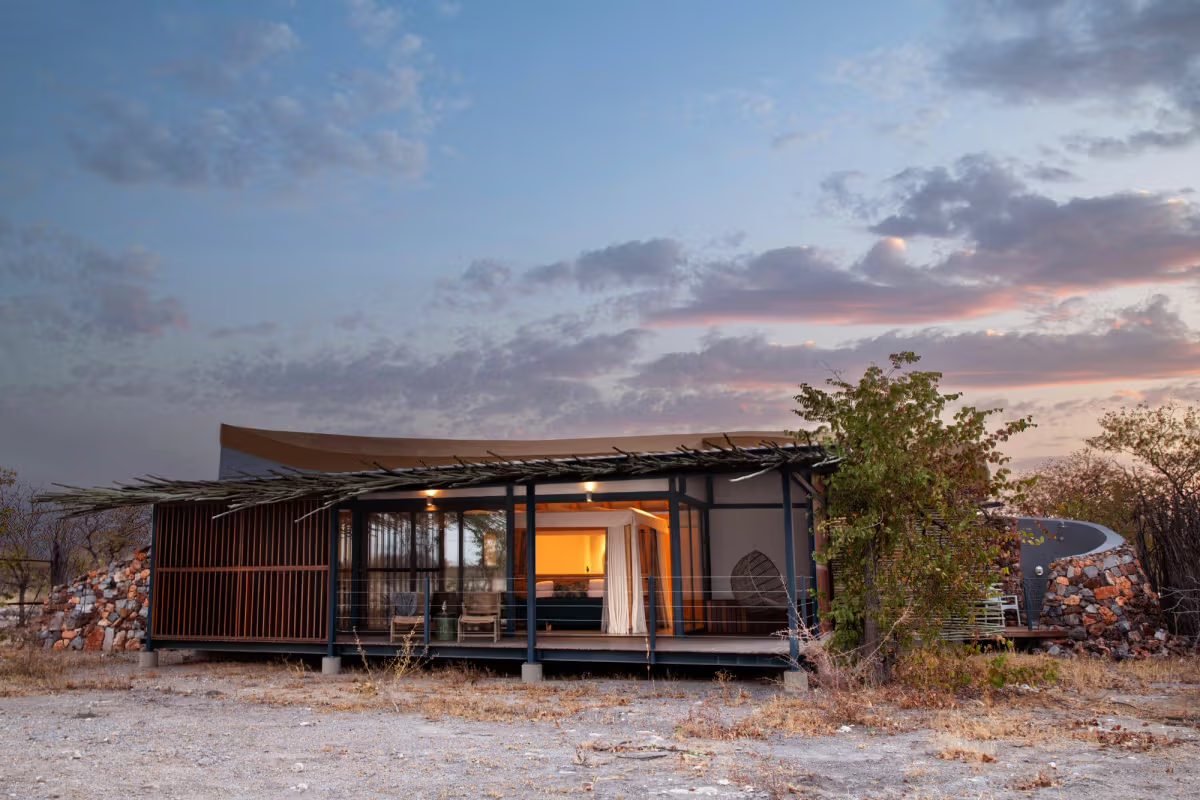
5
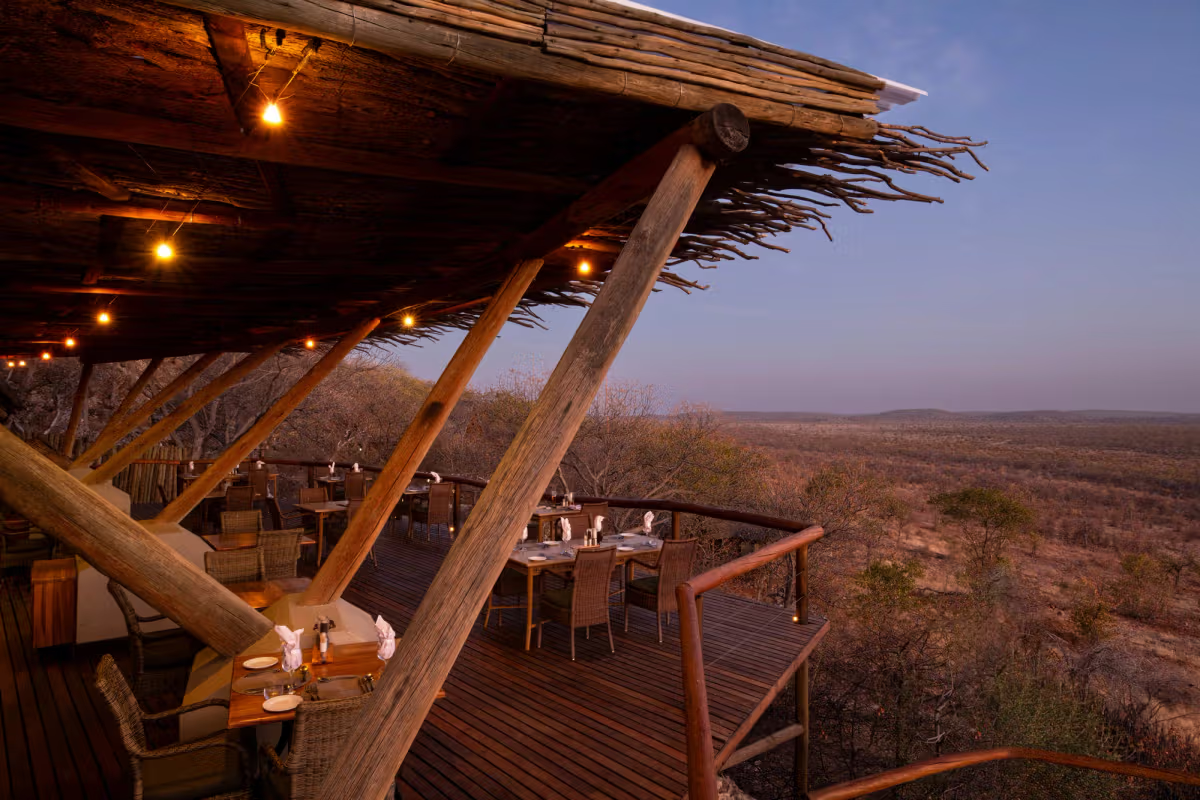
5
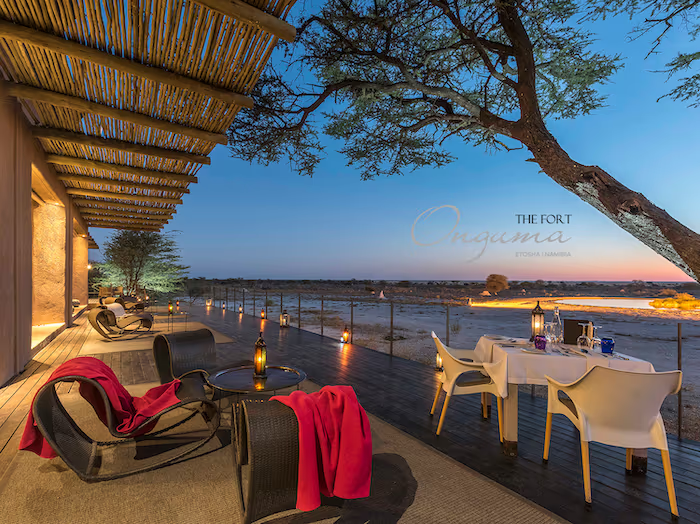
5
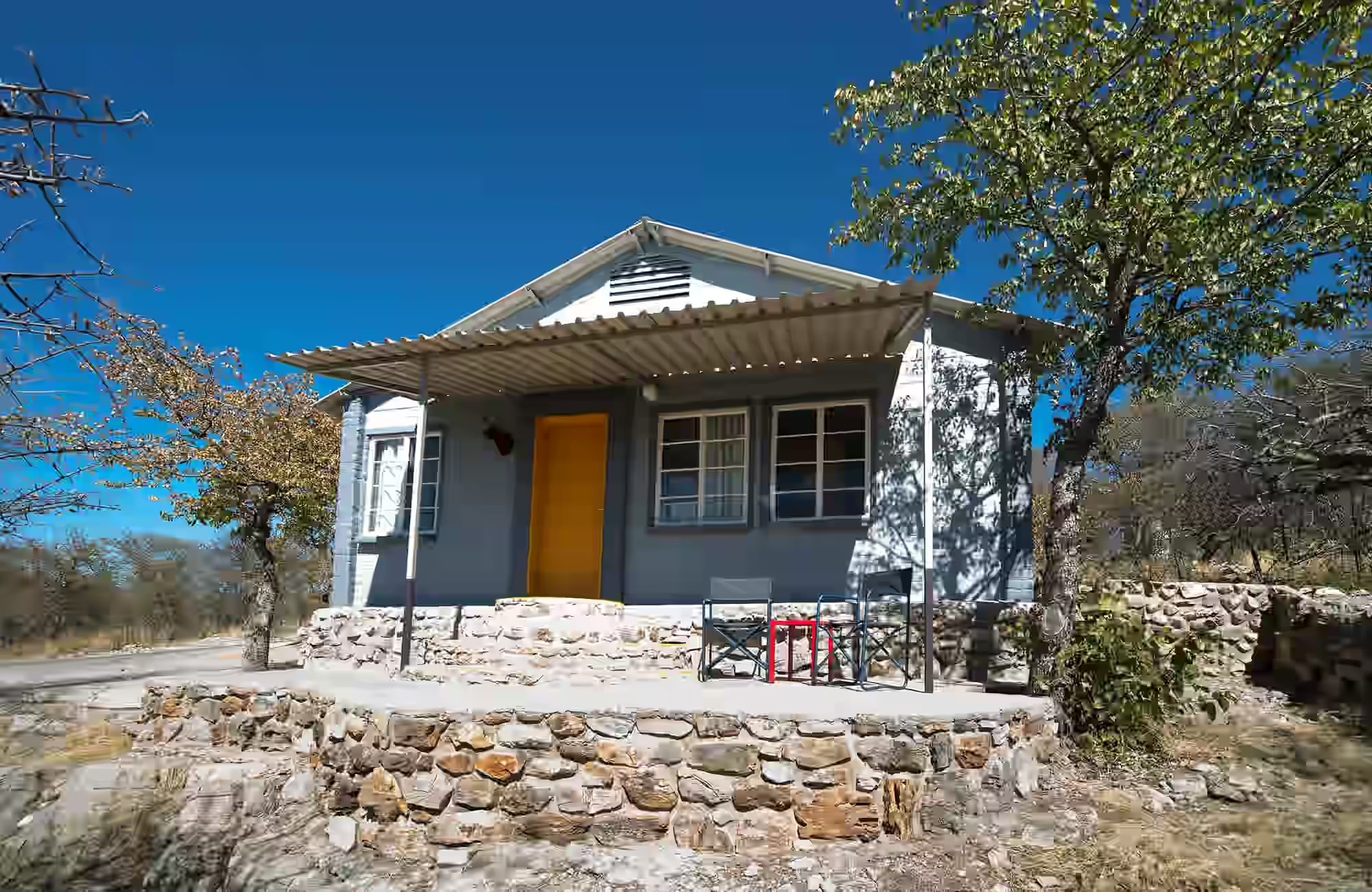
3
Iconic Highlights
1
The Etosha Pan: A massive, silvery-white salt flat that provides a surreal backdrop for photography.
2
Fischer’s Pan: A prime birding spot that becomes a breeding ground for flamingos and storks during wet years.
3
Ghost Tree Forest: A unique cluster of Moringa ovalifolia trees that look like they belong in a fairytale.
4
Floodlit Game Viewing: Several main camps offer lit waterholes, allowing for 24-hour wildlife observation.
Wildlife & Nature
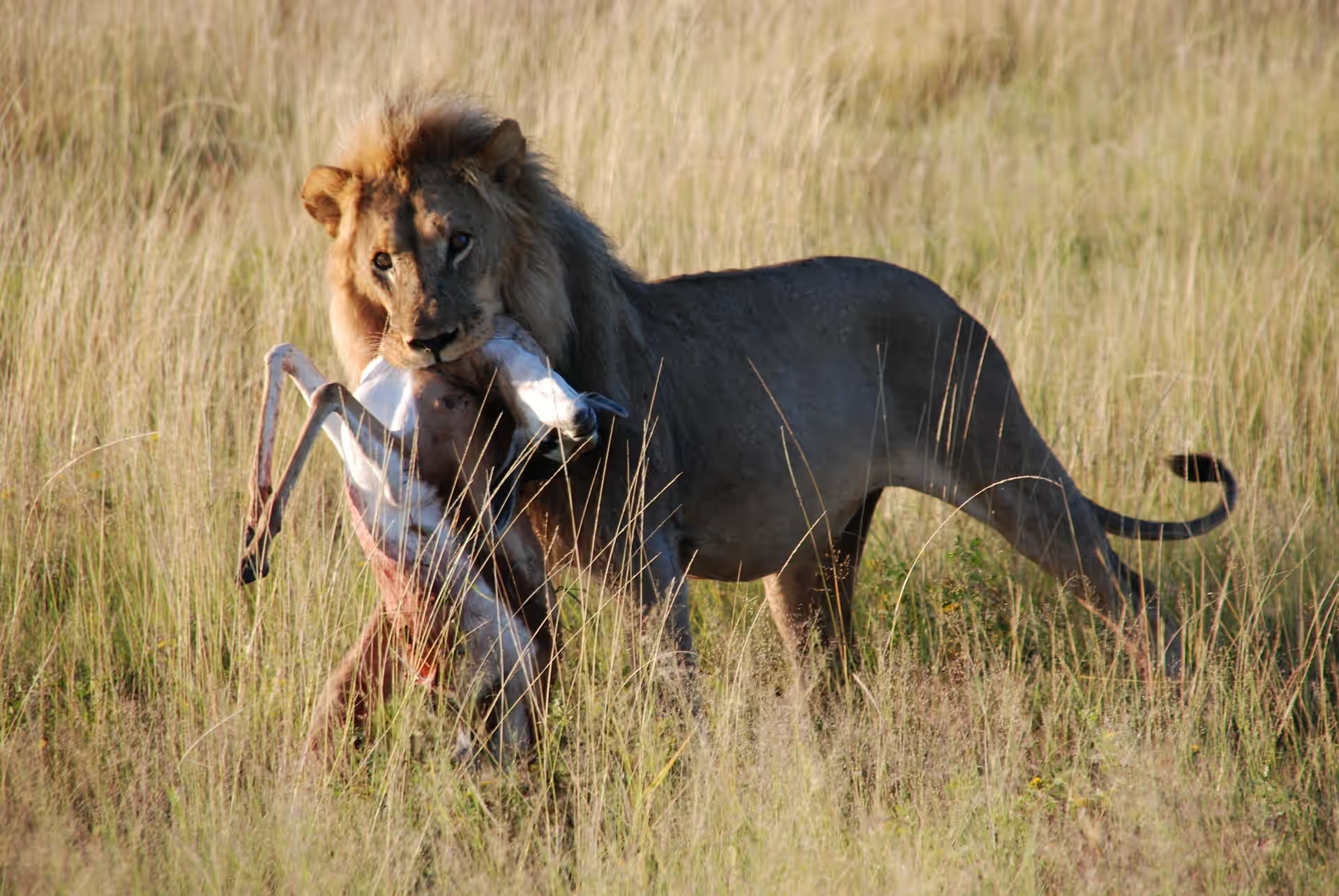
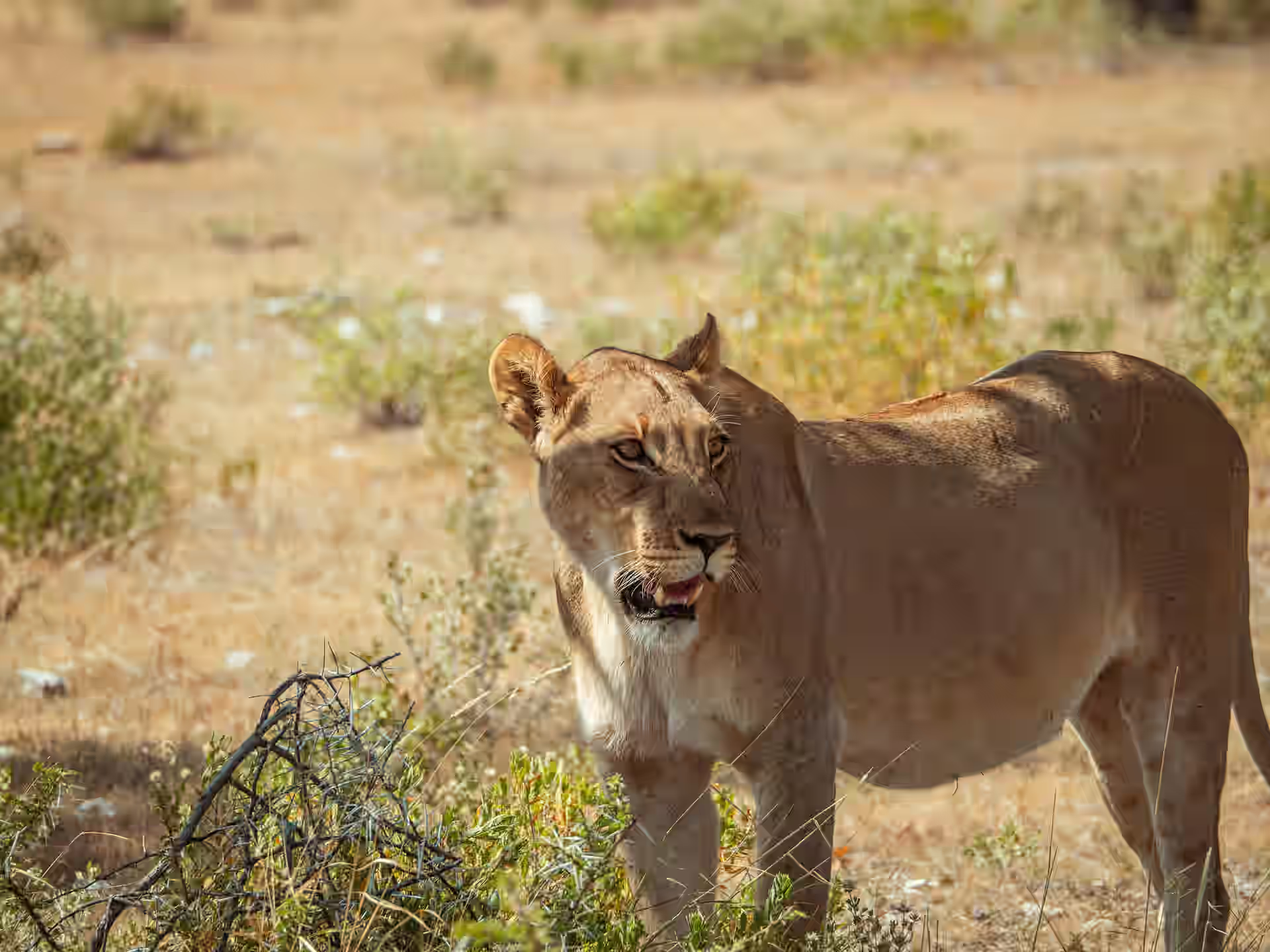
Lion
Leopard
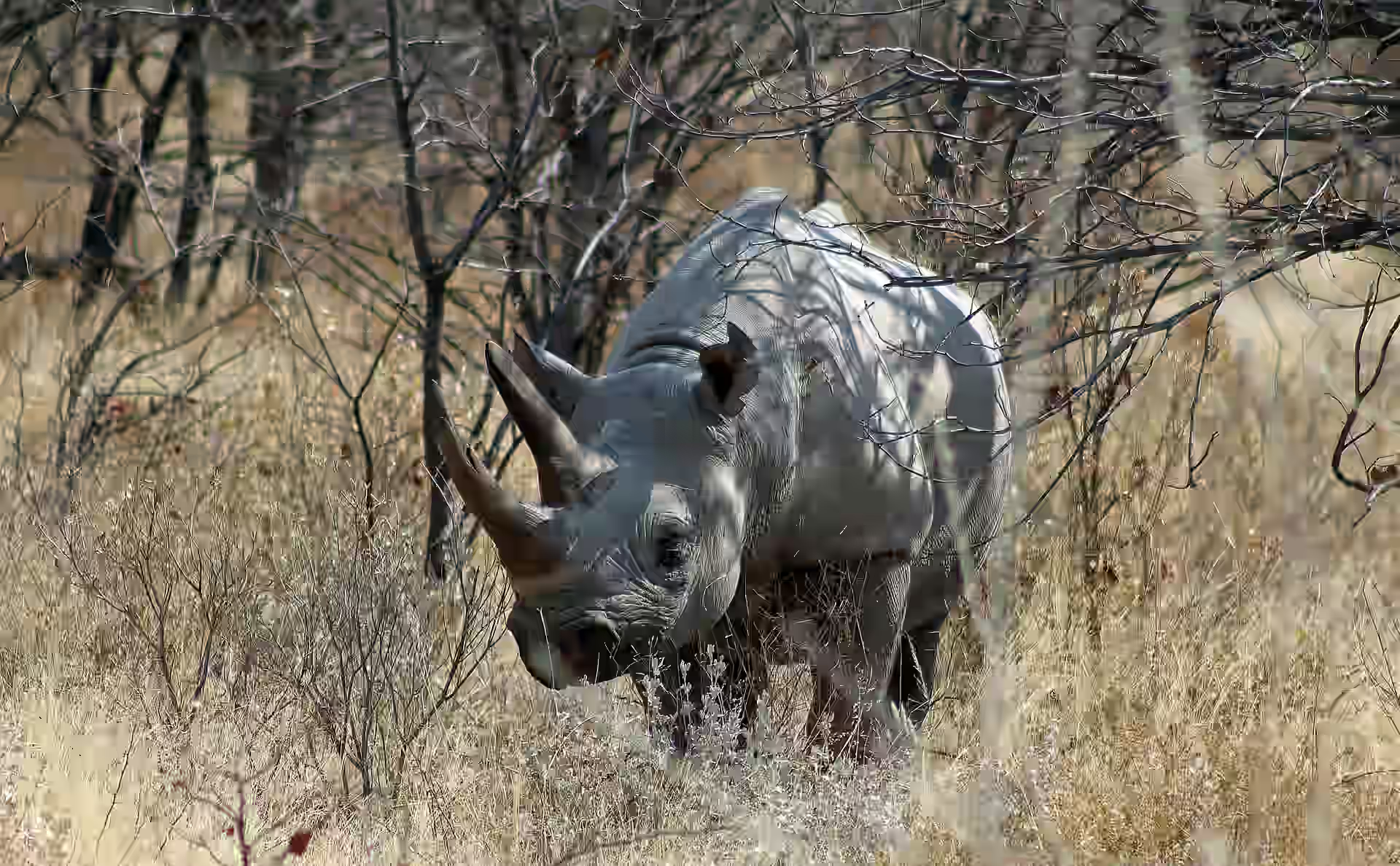
Rhino
Elephant
Wildebeest
Photo Gallery
Climate & When to Visit
Best Time to Visit
Jan
Feb
Mar
Apr
May
Jun
Jul
Aug
Sep
Oct
Nov
Dec
Monthly Averages
| Month | Temp High | Temp Low | Rainfall |
|---|---|---|---|
| Apr | 31°C | --°C | -- mm |
| Aug | 29°C | --°C | -- mm |
| Dec | 34°C | --°C | -- mm |
| Feb | 34°C | --°C | -- mm |
| Jan | 34°C | --°C | -- mm |
| Jul | 26°C | --°C | -- mm |
| Jun | 26°C | --°C | -- mm |
| Mar | 33°C | --°C | -- mm |
| May | 29°C | --°C | -- mm |
| Nov | 36°C | --°C | -- mm |
| Oct | 37°C | --°C | -- mm |
| Sep | 33°C | --°C | -- mm |
Travel Requirements
Passport: Must be valid for at least 6 months beyond the date of entry.
Visa: Many nationalities (US, UK, most EU) do not require a visa for tourist stays up to 90 days.
Health: Etosha is considered a Malaria-risk area, primarily during the wet summer months (Nov–April). Prophylaxis is recommended.
Park Fees: A daily conservation fee is payable per person and per vehicle at the park gates.
Frequently Asked Questions
Can I drive my own car in Etosha?
Yes, Etosha is a popular self-drive destination. Most roads are well-maintained gravel, though a high-clearance vehicle is recommended for comfort and better visibility.
Is there a shop or restaurant inside the park?
Yes, the main camps (Okaukuejo, Halali, and Namutoni) have restaurants, shops for basic groceries, fuel stations, and swimming pools.
Why are there no buffalo in Etosha?
Etosha is too dry for the Cape Buffalo, which requires a significant amount of water and lush grazing. In Namibia, they are primarily found in the wetter Caprivi Strip (Zambezi Region).