

Experience Lake Kivu
Lake Kivu is one of Africa's Great
Lakes, stretching 89 km from north to south and up to 48 km wide along the
border between Rwanda and the Democratic Republic of Congo (DRC). At an
altitude of 1,460 metres above sea level, it is one of the world's highest
large lakes, fed by rivers from both sides and drained southward by the Ruzizi
River into Lake Tanganyika. The lake sits in the western arm of the East
African Rift System and is geologically extraordinary: its depths contain vast
dissolved reserves of methane and carbon dioxide gas, which Rwanda has begun
harnessing for energy generation through an innovative methane extraction
facility at Kibuye (Karongi). The Rwandan shore is lined with charming lakeside
towns — Gisenyi (Rubavu) in the north, Kibuye (Karongi) in the centre, and
Cyangugu (Rusizi) in the south — each with distinct character and accommodation
options ranging from backpacker lodges to world-class beach resorts. The lake's
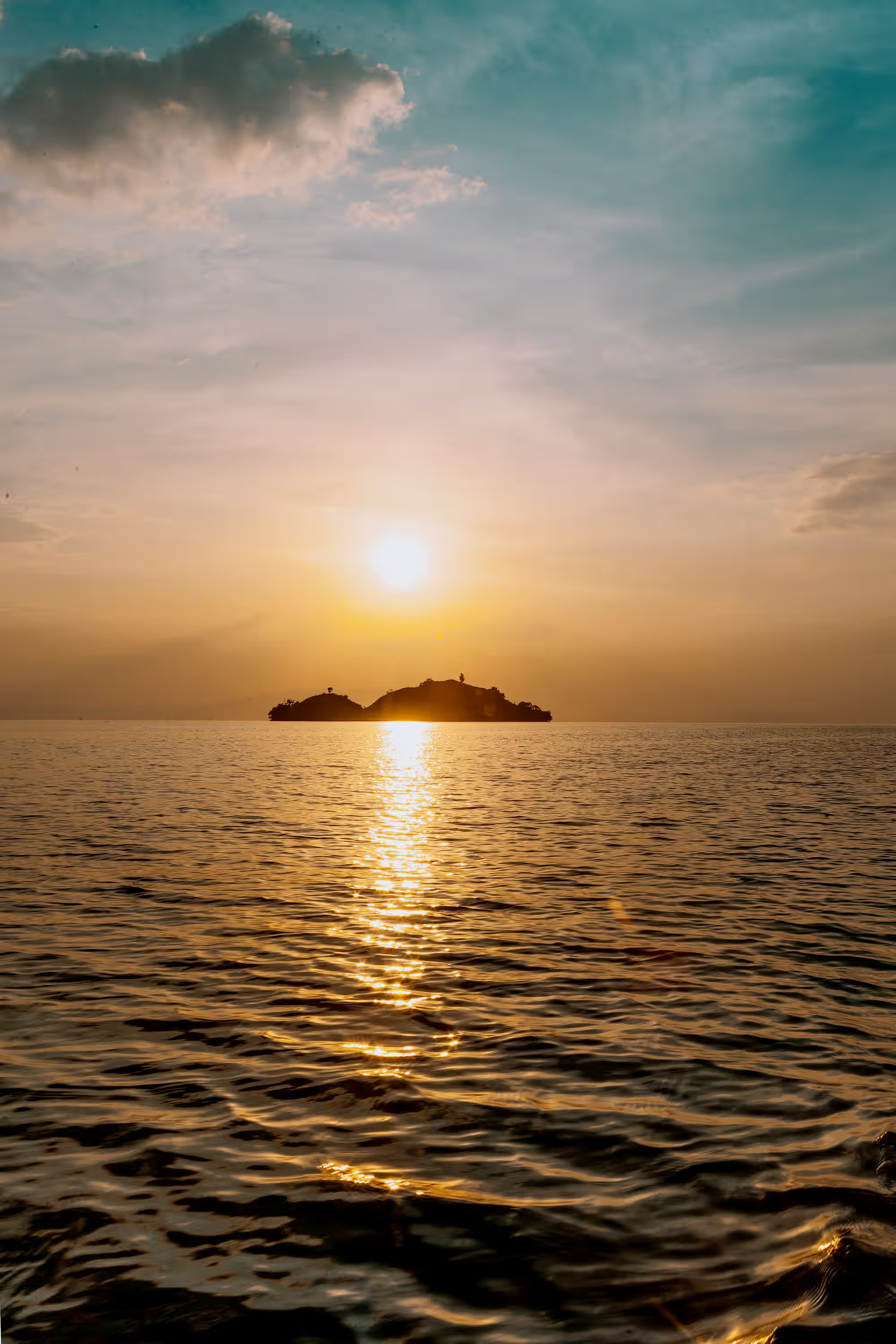
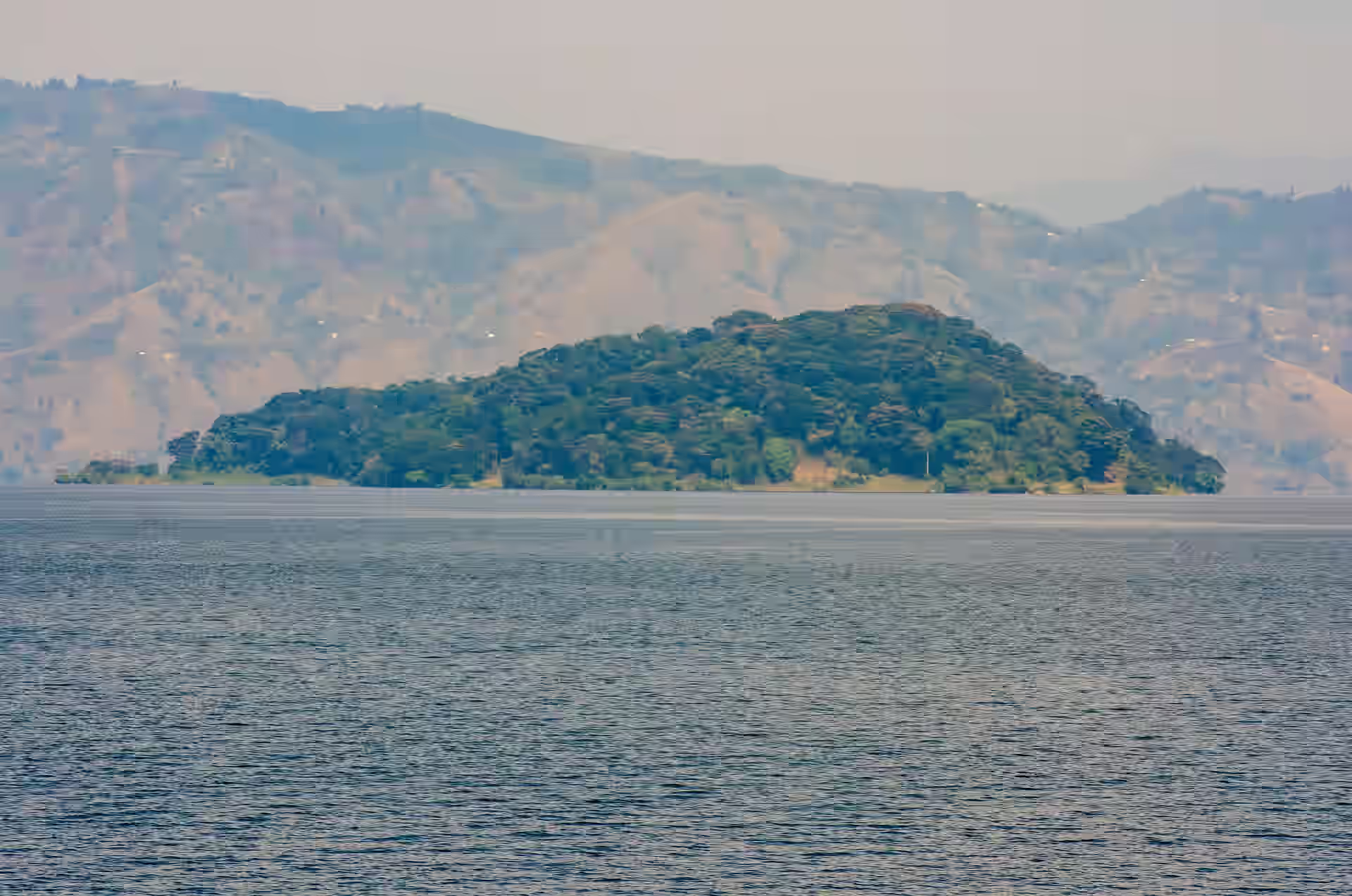
interior is dotted with over 150 islands, including Napoleon Island (home to
Africa's largest fruit bat colony) and Idjwi Island (the second-largest inland
island in Africa, on the DRC side). The surrounding landscape of deeply
terraced hillsides, banana groves, coffee farms, and fishing villages creates a
visual richness unlike anywhere else in Rwanda.
Explore on Map
Popular Safaris in Lake Kivu



Things to Do
Where to Stay

Iconic Highlights
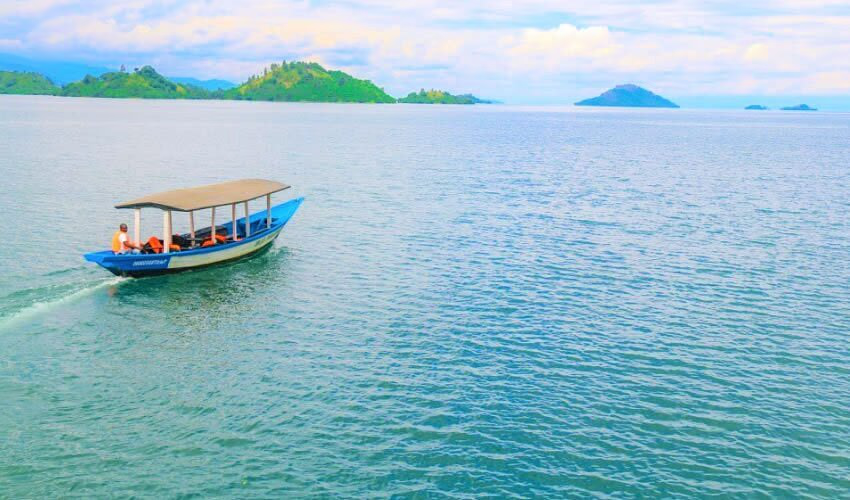
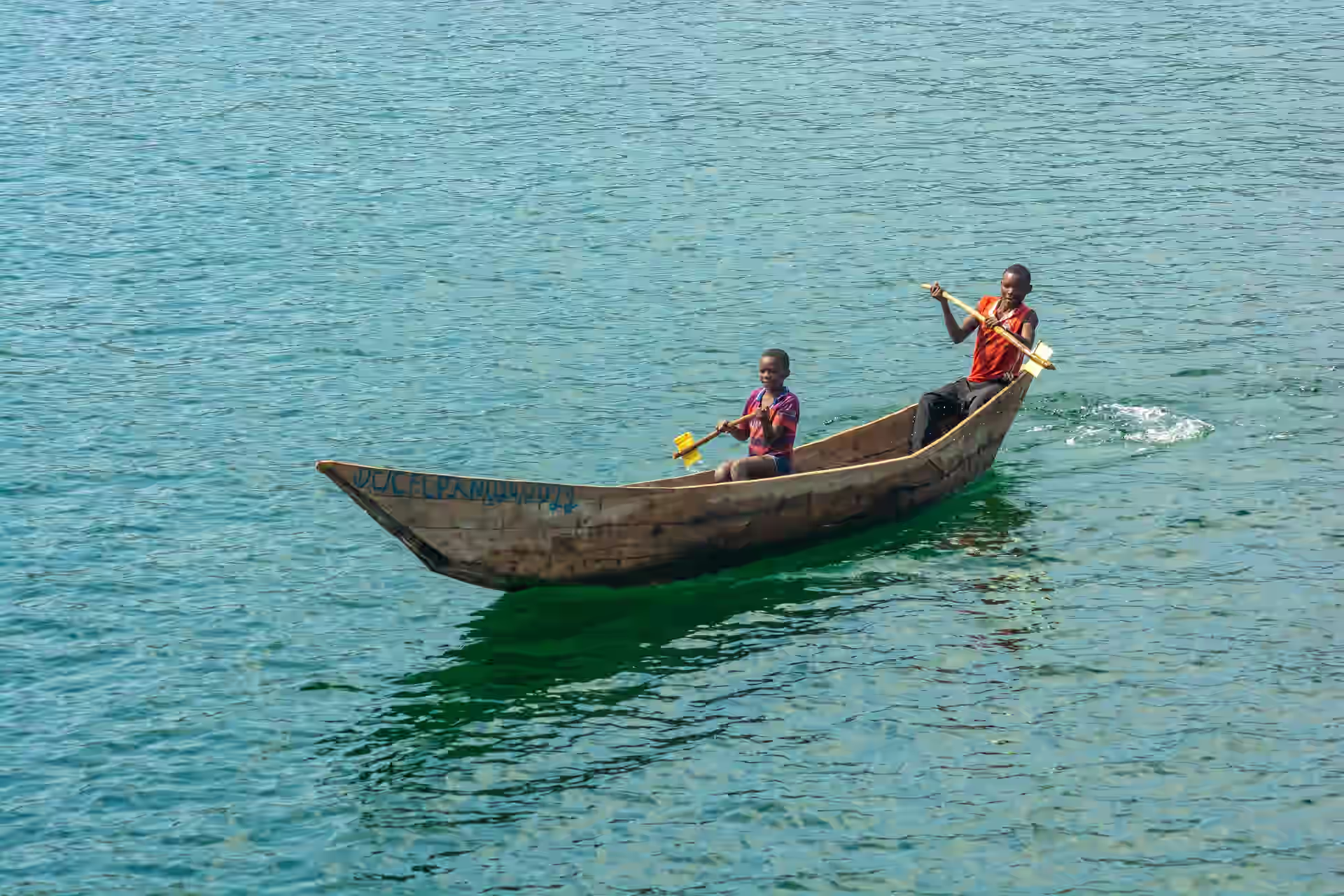
• Boat trips and kayaking across Lake Kivu's stunning island-studded waters
• Napoleon Island bat colony — millions of straw-coloured fruit bats at dusk
• Gisenyi beach town — Rwanda's most popular lake resort destination
• Coffee farm tours in the hills above Kibuye — taste Rwanda's world-class specialty coffee
• Kibuye's quiet coves and peninsulas ideal for swimming and stand-up paddleboarding
• Sunset sailing trips in traditional or motorised wooden boats
• Fishing village interactions and fresh tilapia meals by the waterside
• Methane power plant boat tour — unique industrial heritage on the lake
Photo Gallery
Climate & When to Visit
Best Time to Visit
Monthly Averages
| Month | Temp High | Temp Low | Rainfall |
|---|---|---|---|
| Apr | 26°C | --°C | -- mm |
| Aug | 27°C | --°C | -- mm |
| Dec | 27°C | --°C | -- mm |
| Feb | 28°C | --°C | -- mm |
| Jan | 27°C | --°C | -- mm |
| Jul | 26°C | --°C | -- mm |
| Jun | 25°C | --°C | -- mm |
| Mar | 27°C | --°C | -- mm |
| May | 25°C | --°C | -- mm |
| Nov | 26°C | --°C | -- mm |
| Oct | 27°C | --°C | -- mm |
| Sep | 27°C | --°C | -- mm |
Travel Requirements
No specific permits or fees are
required to visit Lake Kivu's shoreline towns. A valid passport and Rwanda
entry visa are required. Yellow fever vaccination is mandatory. Gisenyi
(Rubavu) is approximately 3 hours from Kigali by road — a very scenic drive
through the Virunga foothills. Kibuye (Karongi) is about 2.5 hours from Kigali
via the RN3 southern route. Express buses (Volcano Express, Virunga Express)
connect Kigali to Gisenyi multiple times daily. Boat charters for island
excursions are arranged through hotels or local operators in each lakeside
town. Visitors should note that the DRC border crossing at Goma/Gisenyi is
subject to varying restrictions and should not be crossed without proper DRC
visa documentation.
Frequently Asked Questions
Ready to Explore?
Dest Type
Conservation Areas
Status
Entry Permits Required