
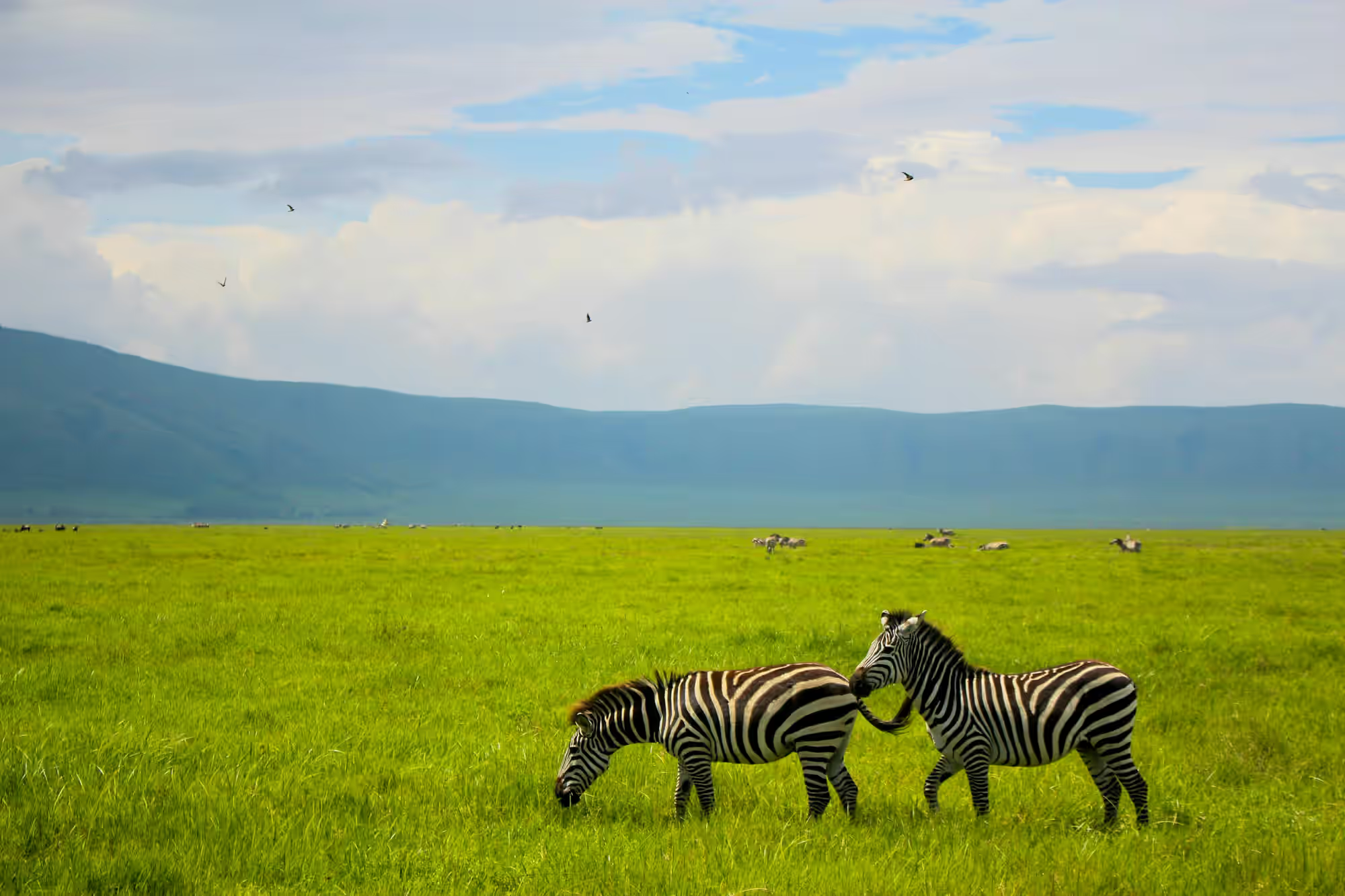
Experience Ngorongoro Conservation Area
The Ngorongoro Conservation
Area is one of Africa's most celebrated destinations — a UNESCO World Heritage
Site that uniquely blends the world's greatest wildlife arena with living
Maasai culture and remarkable archaeological heritage. At its heart is the
Ngorongoro Crater, the world's largest intact volcanic caldera: 19 km wide, 600
m deep, and sheltering approximately 25,000 large animals including all of the
Big Five. Beyond the crater, the NCA encompasses the Olduvai Gorge, Empakaai
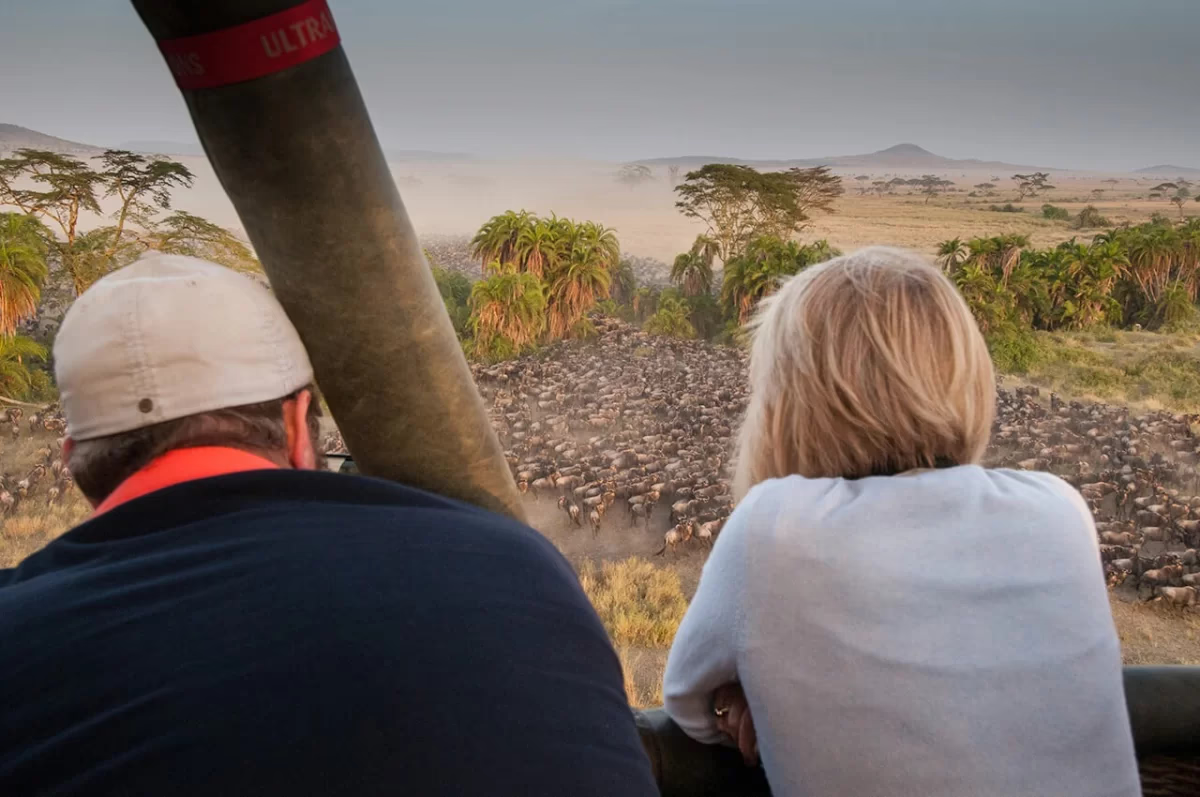
Crater, and the vast Ndutu plains where the Great Migration calves each year.
Explore on Map
Popular Safaris in Ngorongoro Conservation Area
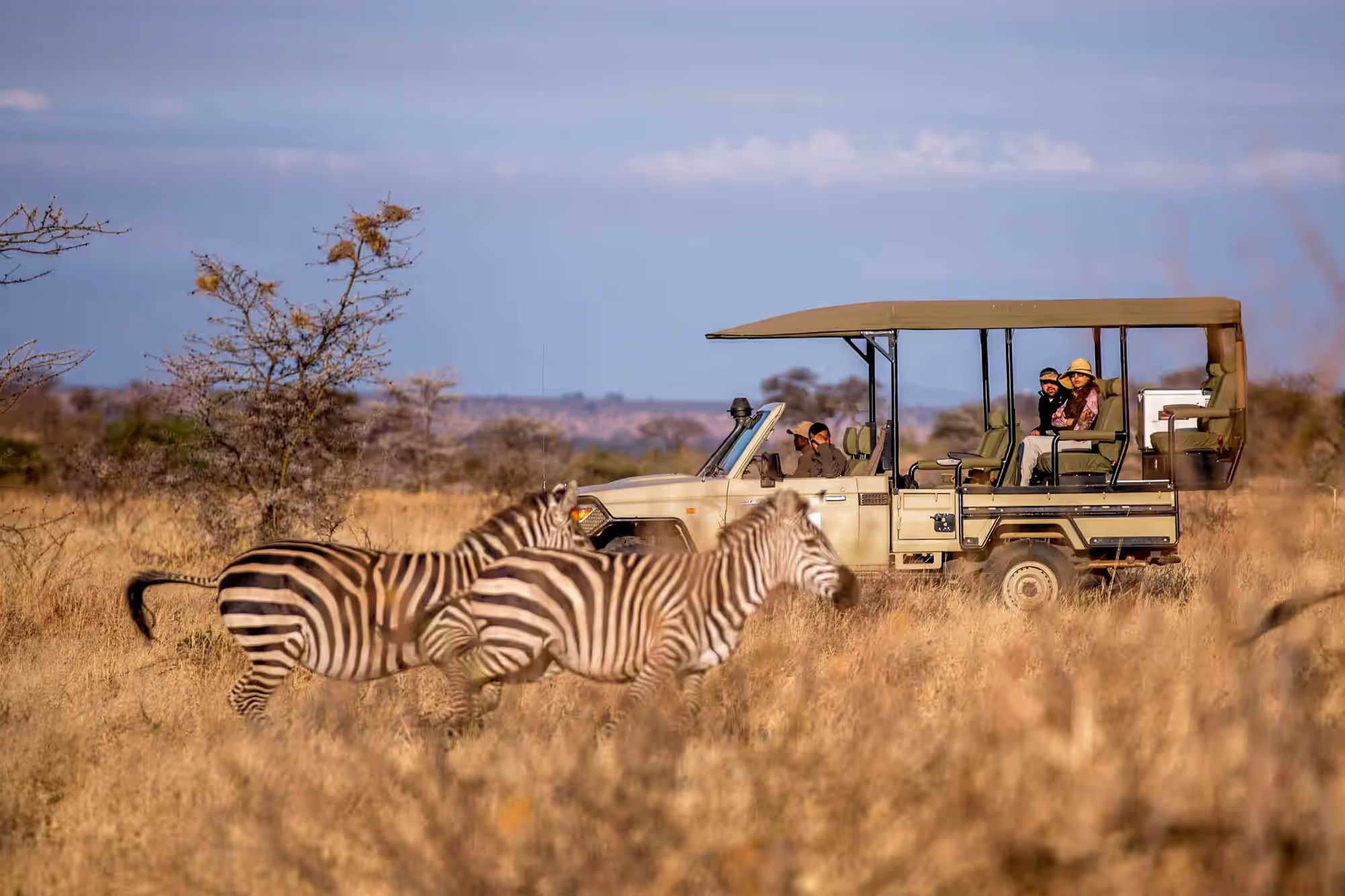
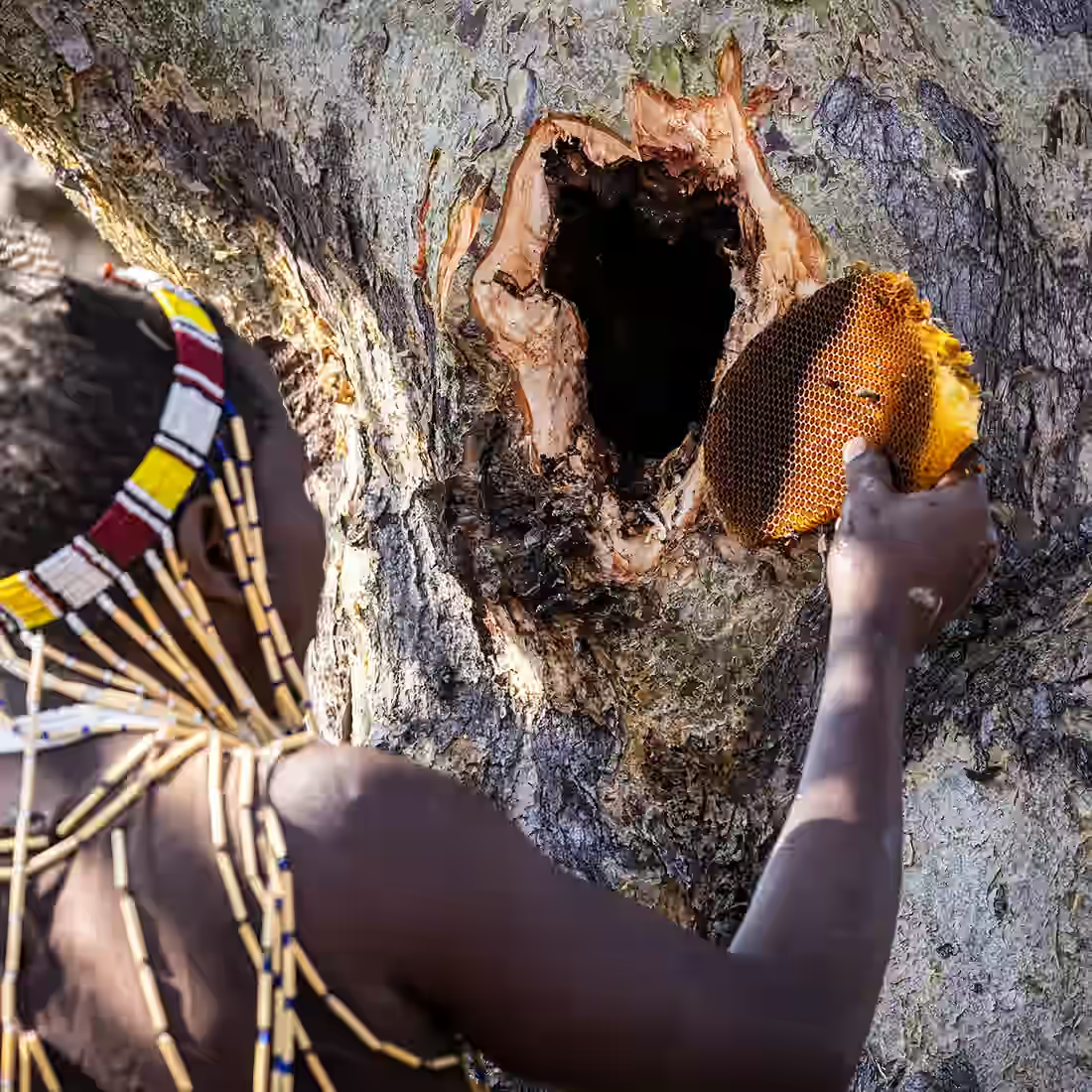
Things to Do
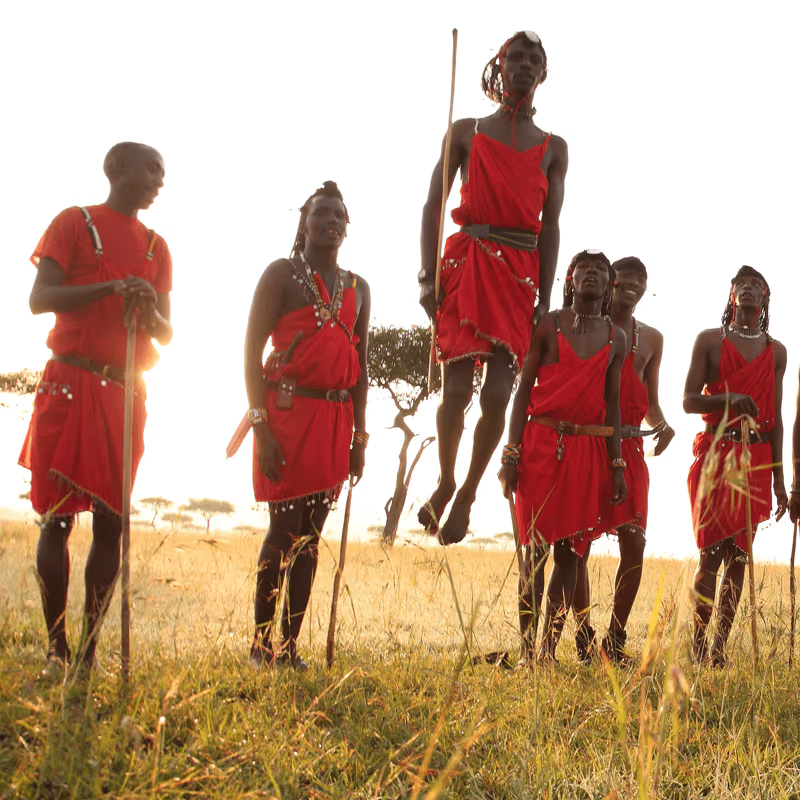
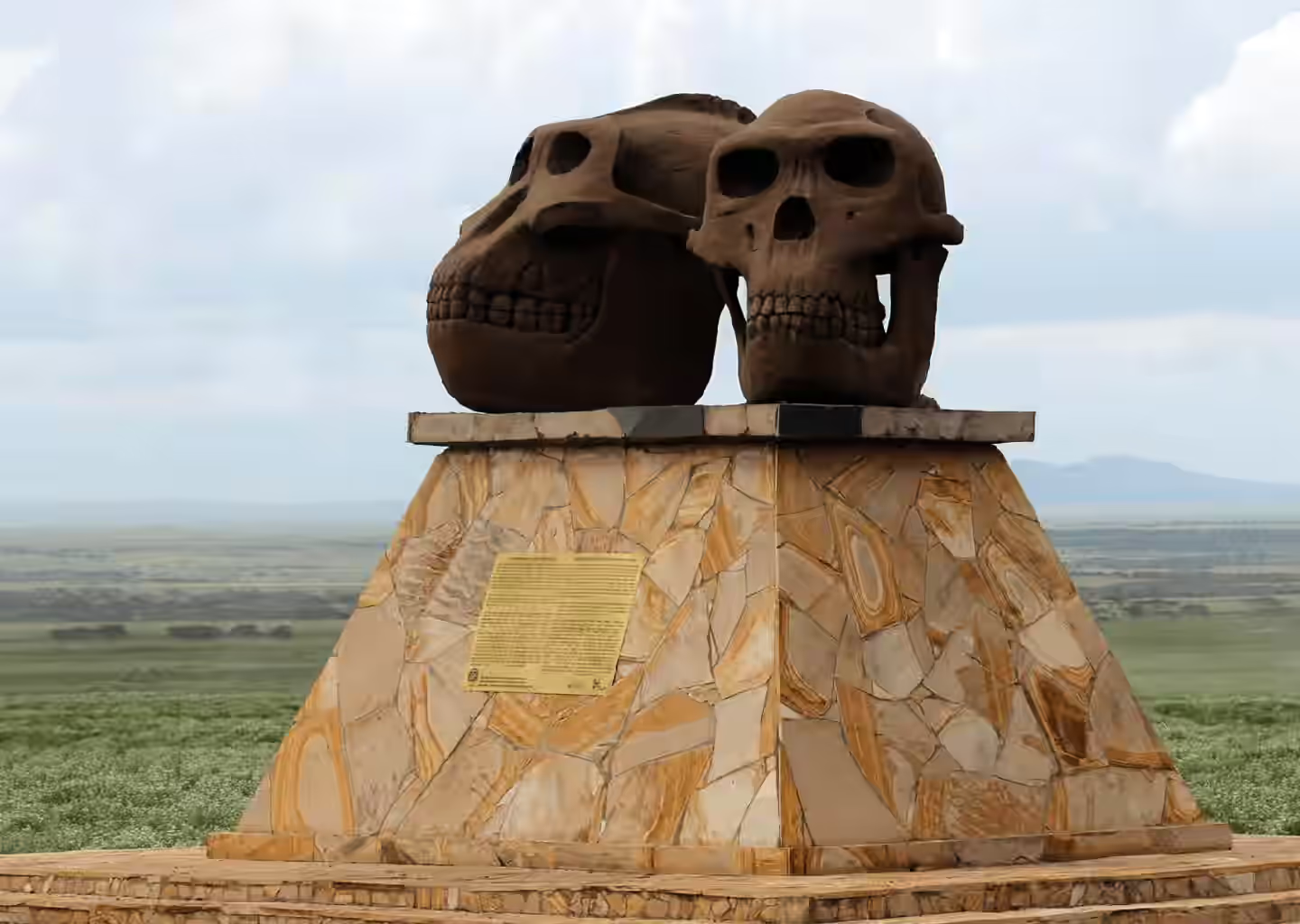
Where to Stay
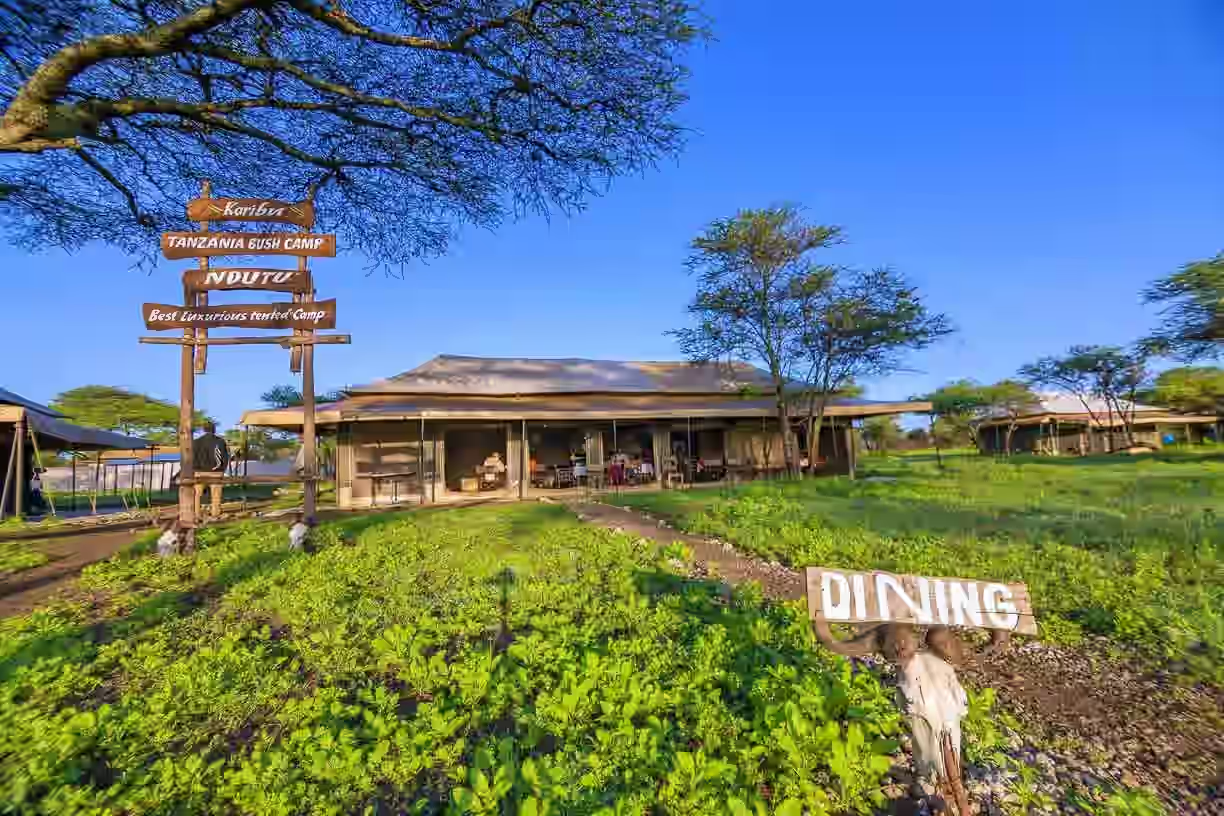
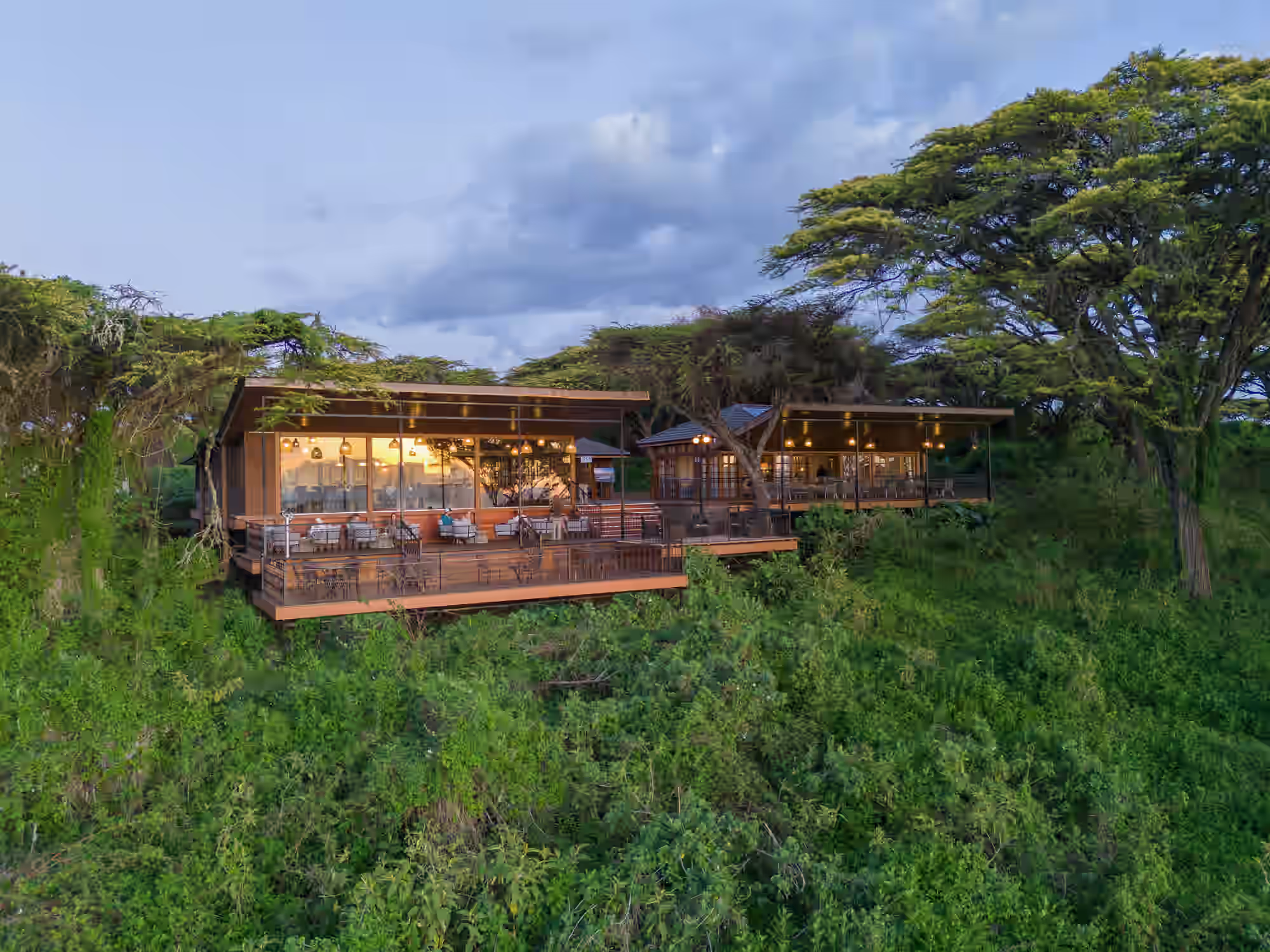
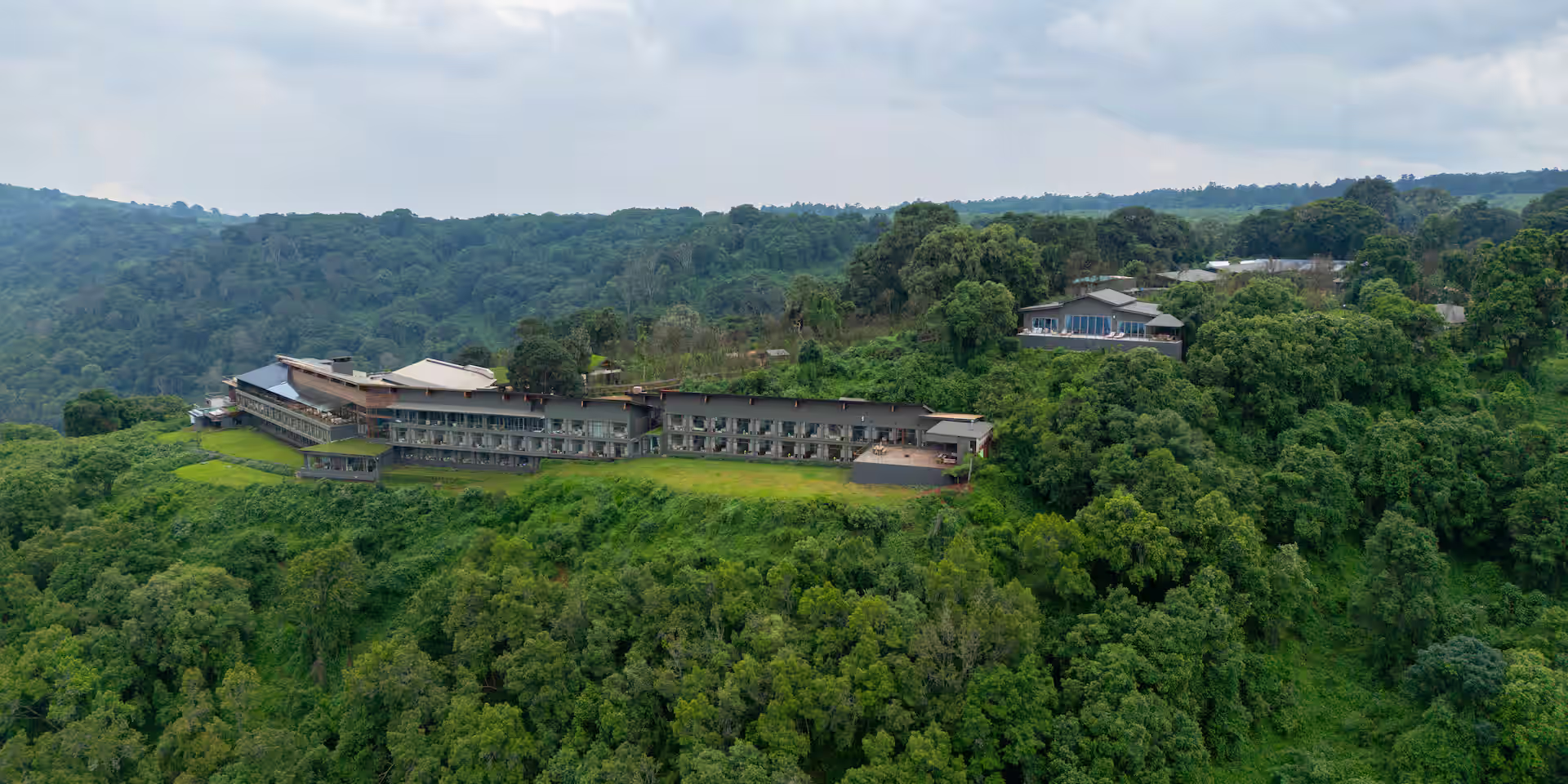
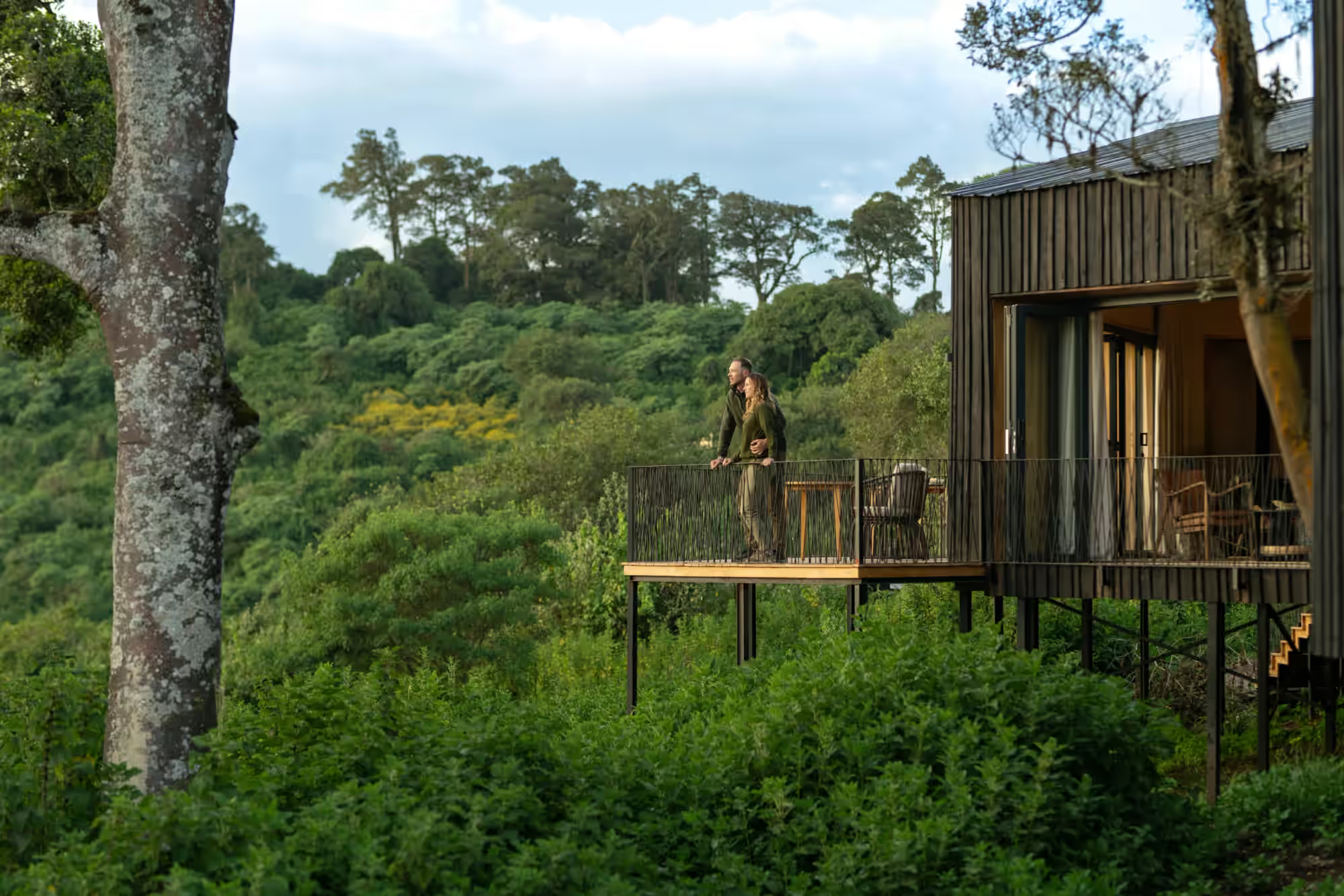
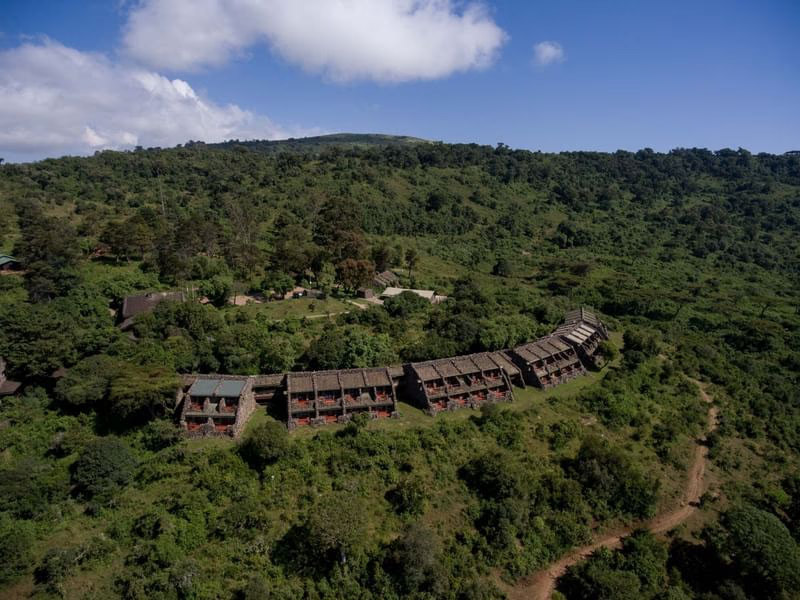
Iconic Highlights
• The Ngorongoro Crater — the world's greatest game-viewing arena, 19 km wide and 600 m deep
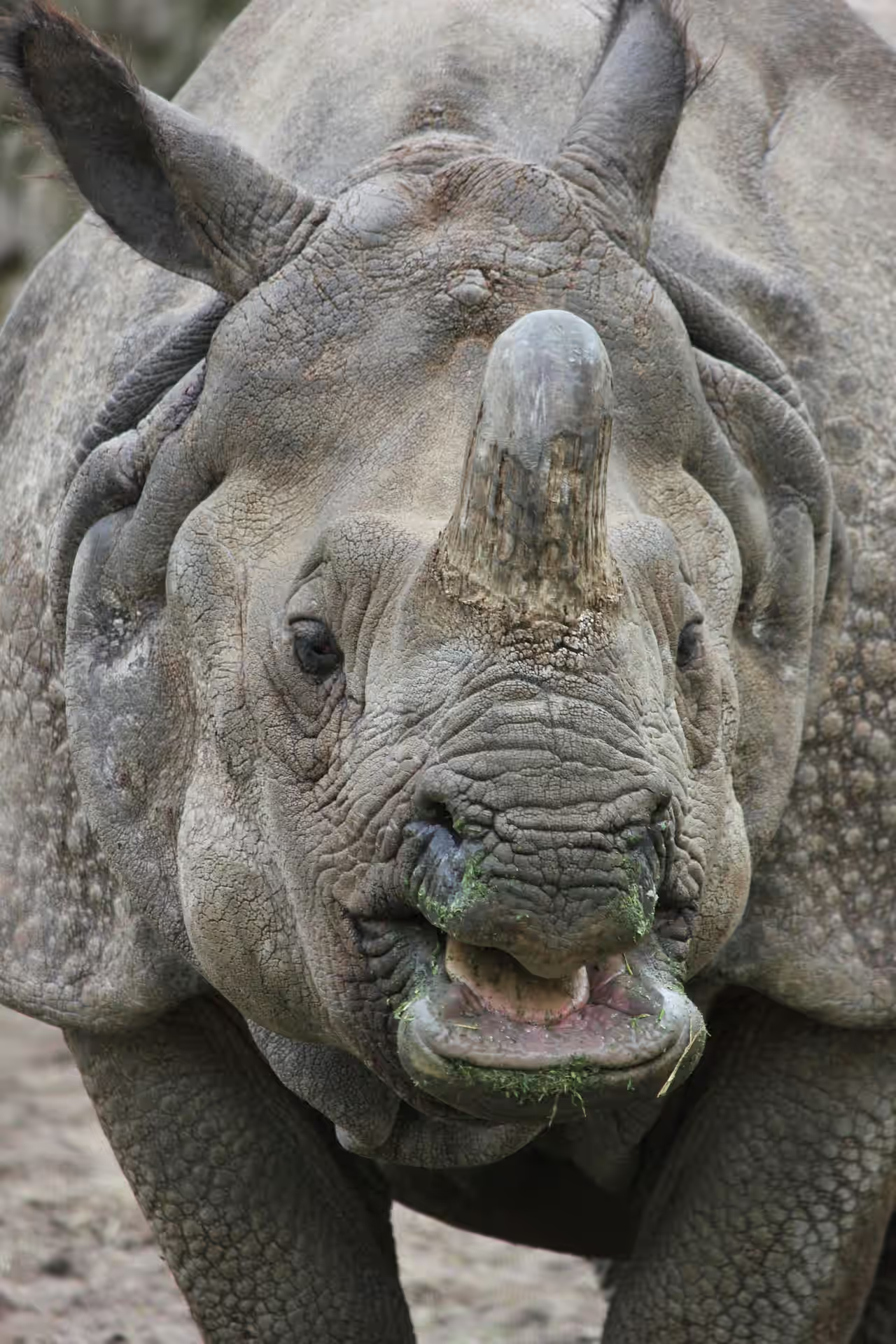
• Black Rhinoceros — one of Africa's last stable black rhino populations in the wild
• All Big Five in a single day's game drive — a rare and reliable achievement
• Olduvai Gorge — palaeontological site yielding some of the earliest human fossil remains
• Maasai cultural encounters — Maasai pastoralists coexist with wildlife across the NCA
• Empakaai Crater — a remote, forest-rimmed crater lake filled with flamingos
• Ndutu Plains — calving ground of the Great Migration (January–February)
• Crater Rim Viewpoints — spectacular panoramic views over the caldera at dawn
Wildlife & Nature
Lion
Elephant
Rhino
Buffalo
Hippo
Wildebeest
Zebra
Giraffe
Cheetah
Flamingo
Photo Gallery
Climate & When to Visit
Best Time to Visit
“[]”
Climate Overview
The Ngorongoro Conservation Area experiences two main seasons: the dry season (June to October) with cooler temperatures and clear skies, and the wet season (November to May) characterized by short rains (November-December) and long rains (March-May). Temperatures within the crater are generally cooler, especially at night, due to its altitude, while the plains can be warm during the day.
Monthly Averages
| Month | Temp High | Temp Low | Rainfall |
|---|---|---|---|
| Apr | 9°C | --°C | -- mm |
| Aug | 7°C | --°C | -- mm |
| Dec | 10°C | --°C | -- mm |
| Feb | 10°C | --°C | -- mm |
| Jan | 10°C | --°C | -- mm |
| Jul | 6°C | --°C | -- mm |
| Jun | 7°C | --°C | -- mm |
| Mar | 10°C | --°C | -- mm |
| May | 8°C | --°C | -- mm |
| Nov | 10°C | --°C | -- mm |
| Oct | 9°C | --°C | -- mm |
| Sep | 8°C | --°C | -- mm |
Travel Requirements
Conservation & Crater Fees
•
Conservation fee: Handled by a Tour Operator
Crater Descent Rules
•
All vehicles must exit
the crater by 18:00. A maximum of 60 vehicles are permitted inside the crater
simultaneously. Booking essential in peak season.
Access
•
Road: 3–4 hours from
Arusha. Fly-in to Manyara or Ndutu airstrip, then road transfer. A licensed guide
is mandatory for all crater descents.
Accommodation
•
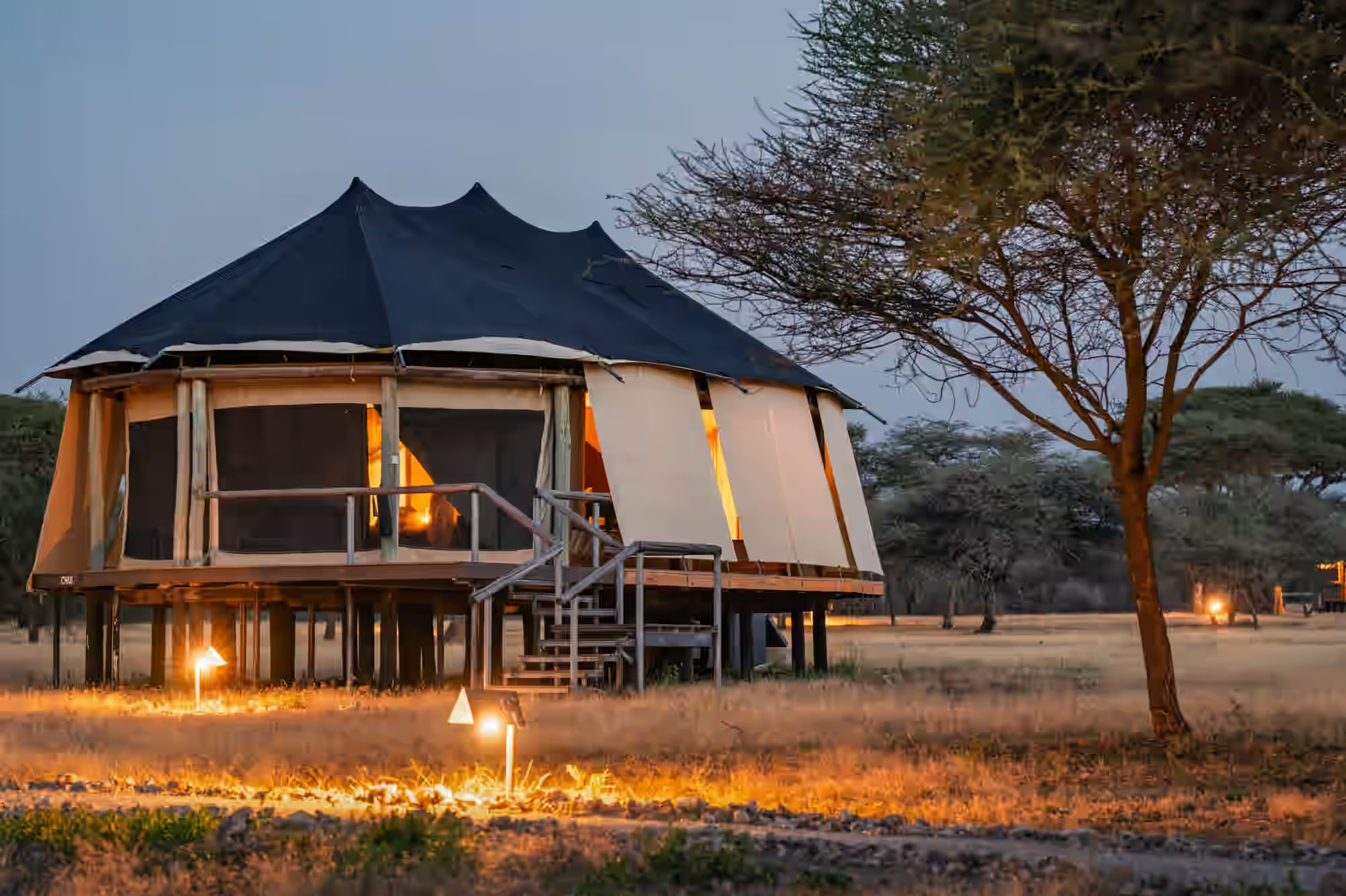
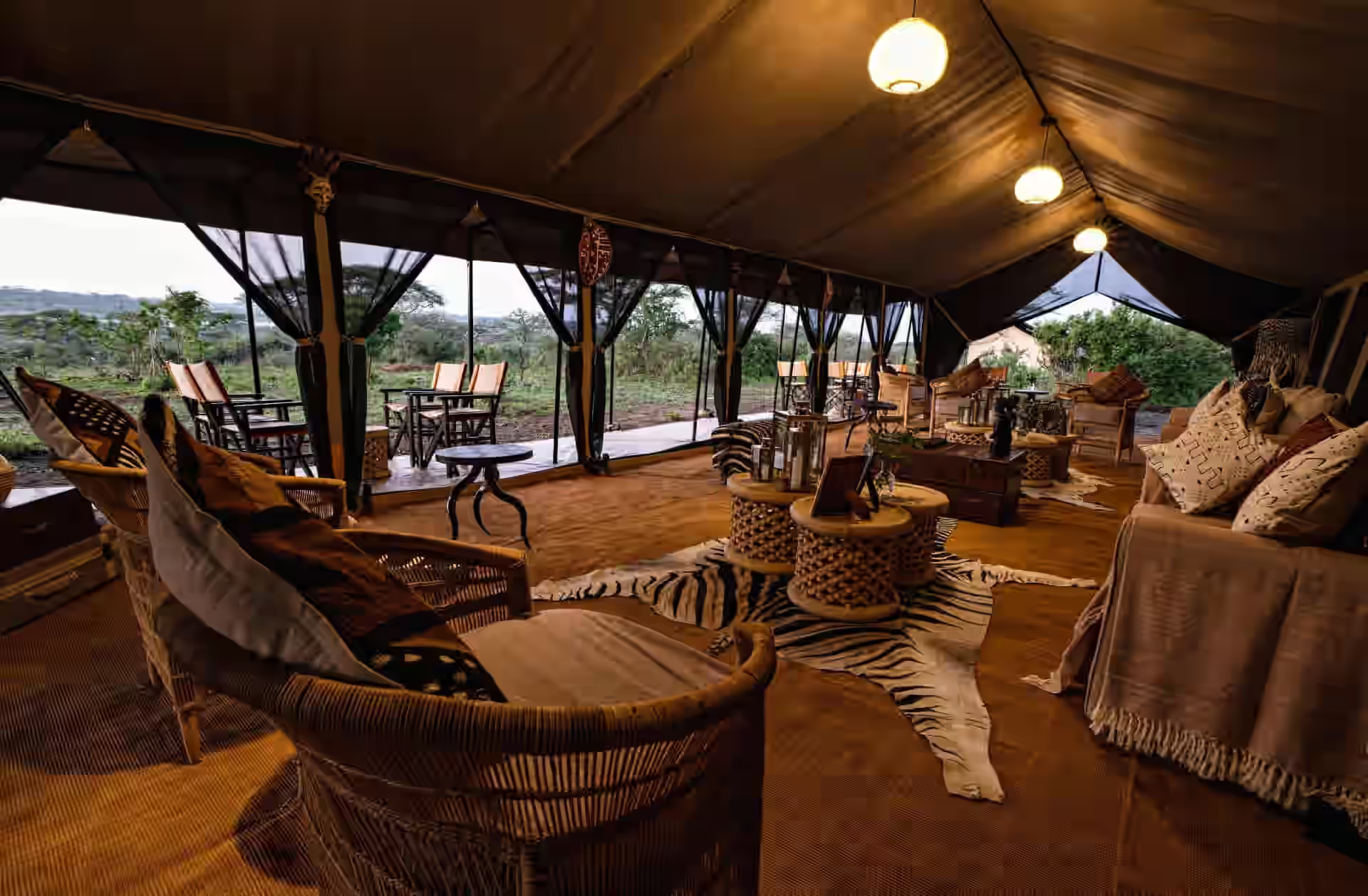
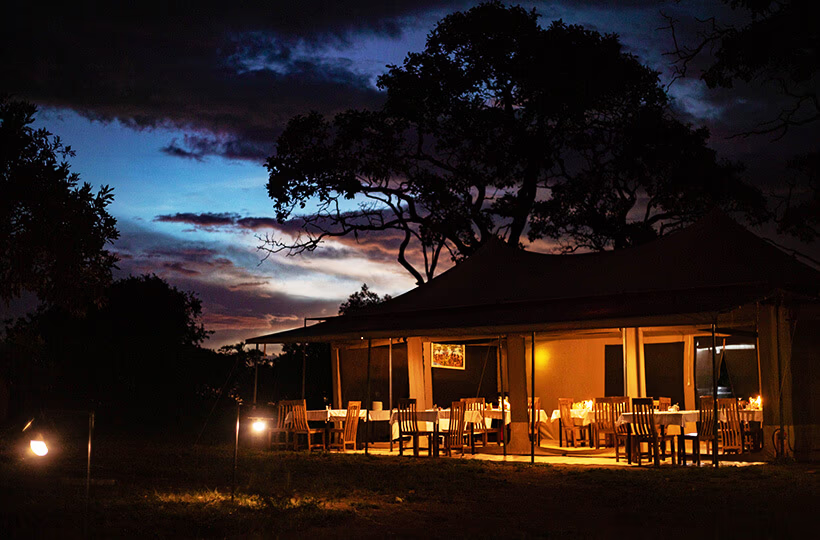
Crater rim lodges only
(no accommodation inside crater): &Beyond Crater Lodge, Ngorongoro Serena,
Ngorongoro Farm House, Rhino Lodge.
Altitude Advisory
•
Crater rim: approx.
2,286 m. Nights can drop to 7°C. Pack warm layers and rain gear regardless of the season.
Park Rules & Regulations
Exit by 18:00
•
All vehicles must be out
of the crater before 18:00. No exceptions. Operators who violate this rule face
suspension of crater access permits.
Vehicle Limit
•
Maximum 60 vehicles
inside the crater at any time. Rangers manage entry — early descent (07:00)
strongly recommended.
No Off-Road
•
Off-road driving inside
the crater is strictly prohibited. Crater floor is sensitive wetland — tyre
tracks cause lasting damage.
No Feeding or Littering
•
Feeding any wildlife or
littering anywhere within the NCA is a serious offence with on-the-spot fines.
Stay in Vehicle
•
Passengers must remain
inside vehicles at all times on the crater floor except at designated picnic
sites.
Maasai Cultural Respect
•
The NCA is a shared
landscape with Maasai communities. Do not photograph Maasai individuals without
permission. Respect their land and livestock.
What to Pack
Warm Layers
•
Fleece jacket, light
down jacket, beanie/warm hat, gloves, thermal base layer.
–
Crater
rim nights and early mornings are cold year-round (7–15°C). The crater floor is
warmer but cool in mornings.
Clothing
•
Safari neutrals (khaki,
beige, olive). Waterproof rain jacket. Smart-casual for lodge evenings.
–
Layer
system is essential — start warm on the crater rim, peel off as you descend.
Footwear
•
Comfortable trail shoes.
Warm socks for cold mornings.
–
Rim
walks available from some lodges — ankle support recommended.
Sun & Insect Protection
•
Sunscreen SPF 50+, hat,
UV sunglasses. Insect repellent DEET 30%.
–
UV at
altitude is intense even on cool days.
Health & Medical
•
Anti-malarial
medication, altitude headache relief (paracetamol or ibuprofen), personal
first-aid kit.
–
Mild
altitude symptoms possible at 2,286m. Stay hydrated.
Camera & Optics
•
300–600mm zoom lens,
binoculars, extra batteries (cold drains batteries fast).
–
Dawn
descent produces stunning low-angle light over crater mist.
Documents & Fees
•
Passport, visa, Yellow
Fever certificate (if applicable), insurance documents, TANAPA booking
confirmation.
–
Crater
vehicle fee (USD 300) usually pre-paid by operator — confirm before travel.
MANDATORY — VISA
•
All visitors must
hold a valid tourist visa before or upon arrival into Tanzania.
Tourist Visa Cost
•
Most nationalities: USD
50 (single entry). US citizens: USD 100. East Africa Tourist Visa (Tanzania +
Kenya + Uganda): USD 100. Apply online at immigration.go.tz or obtain on
arrival at Kilimanjaro International Airport (JRO) or Julius Nyerere International
Airport (DAR).
Passport Validity
•
Passport must be valid
for at least six months beyond your intended date of entry into Tanzania and
contain at least one completely blank page for entry and exit stamps.
MANDATORY — VI-TAX (PFF)
•
Passenger
Facilitation Fee — mandatory for all non-EAC/SADC international travellers
effective 1 November 2025.
VI-Tax Amount
•
One-way international
journey: USD 45 per person. Return international journey: USD 90 per person.
Applicable to all non-EAC and non-SADC nationals travelling on international
flights to/from Tanzania. This fee is in addition to your airline ticket and is
typically collected at check-in or through your tour operator.
MANDATORY — YELLOW FEVER
•
Yellow Fever
vaccination certificate requirements for entry into Tanzania.
Yellow Fever Certificate
•
A valid Yellow Fever
vaccination certificate (Carte Jaune) is MANDATORY only if you are arriving
directly from, or transiting through, a country with risk of Yellow Fever
transmission (including most sub-Saharan African and South American countries).
Travellers arriving without a required certificate may be vaccinated at the
port of entry (fee applies) or refused entry. Consult your travel health clinic
at least 10 days before departure.
MANDATORY — TRAVEL INSURANCE
•
Comprehensive travel
insurance is mandatory for all Tanzania safari and tourism packages.
Insurance Coverage
•
Policy must include:
emergency medical treatment and hospitalisation, emergency medical evacuation
and repatriation, trip cancellation and curtailment, personal liability, loss
of baggage and personal effects, and 24-hour emergency assistance. For remote
parks, AMREF Flying Doctors cover (approx. USD 25 per person per trip) is
strongly recommended.
Mandatory Insurance — Tanzania
& Zanzibar
•
Adults: USD 44 per
person. Children (3–17 years): USD 22 per person. This is in addition to your
standard comprehensive travel insurance.
Frequently Asked Questions
Ready to Explore?
Dest Type
Conservation Areas
Status
Entry Permits Required