
Experience Akagera National Park
Akagera National Park stretches across
approximately 1,122 square kilometres of eastern Rwanda along the Tanzanian
border, named after the Akagera River that flows along its eastern flank and
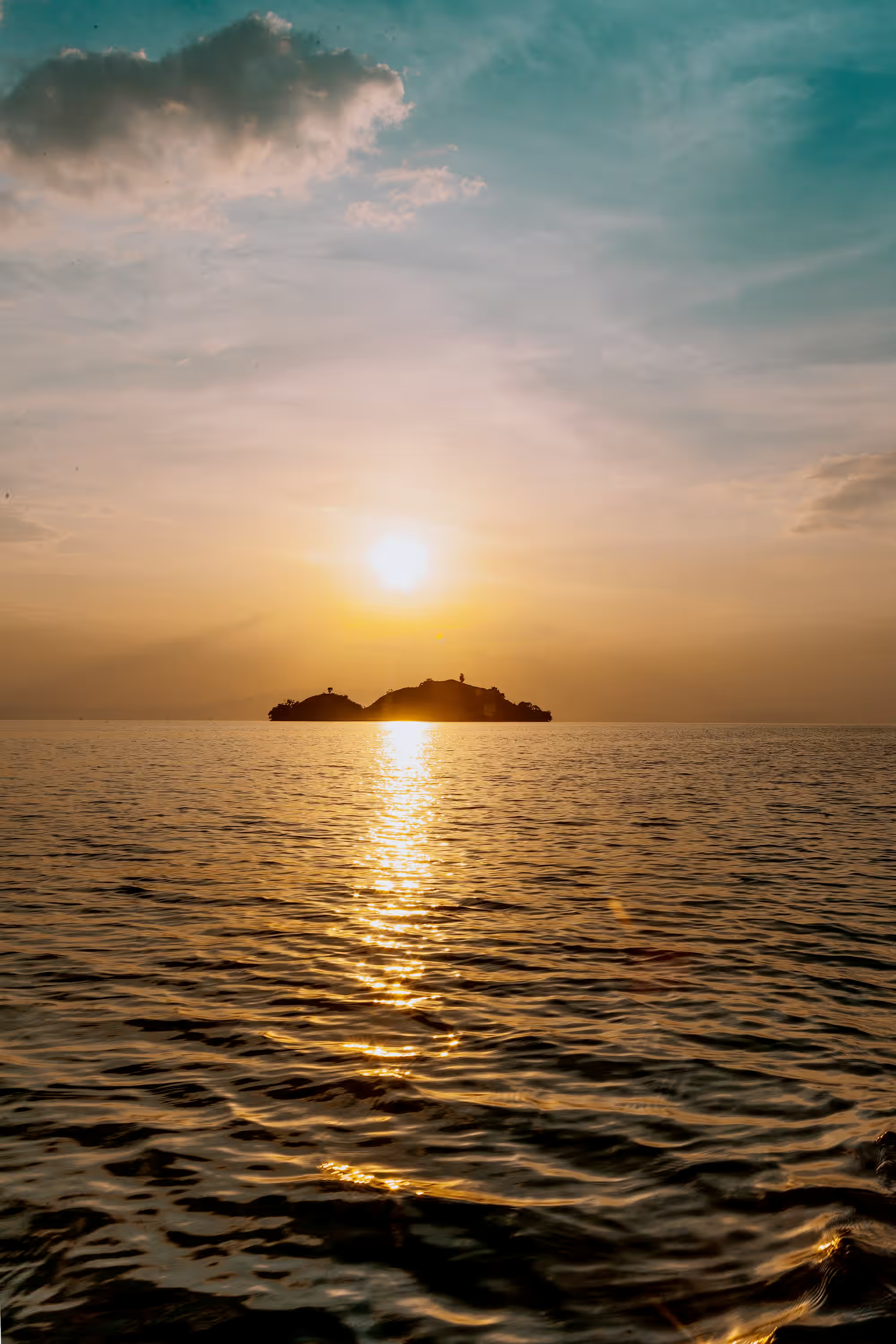
feeds a system of interconnected lakes including Lake Ihema, Lake Shakani, and
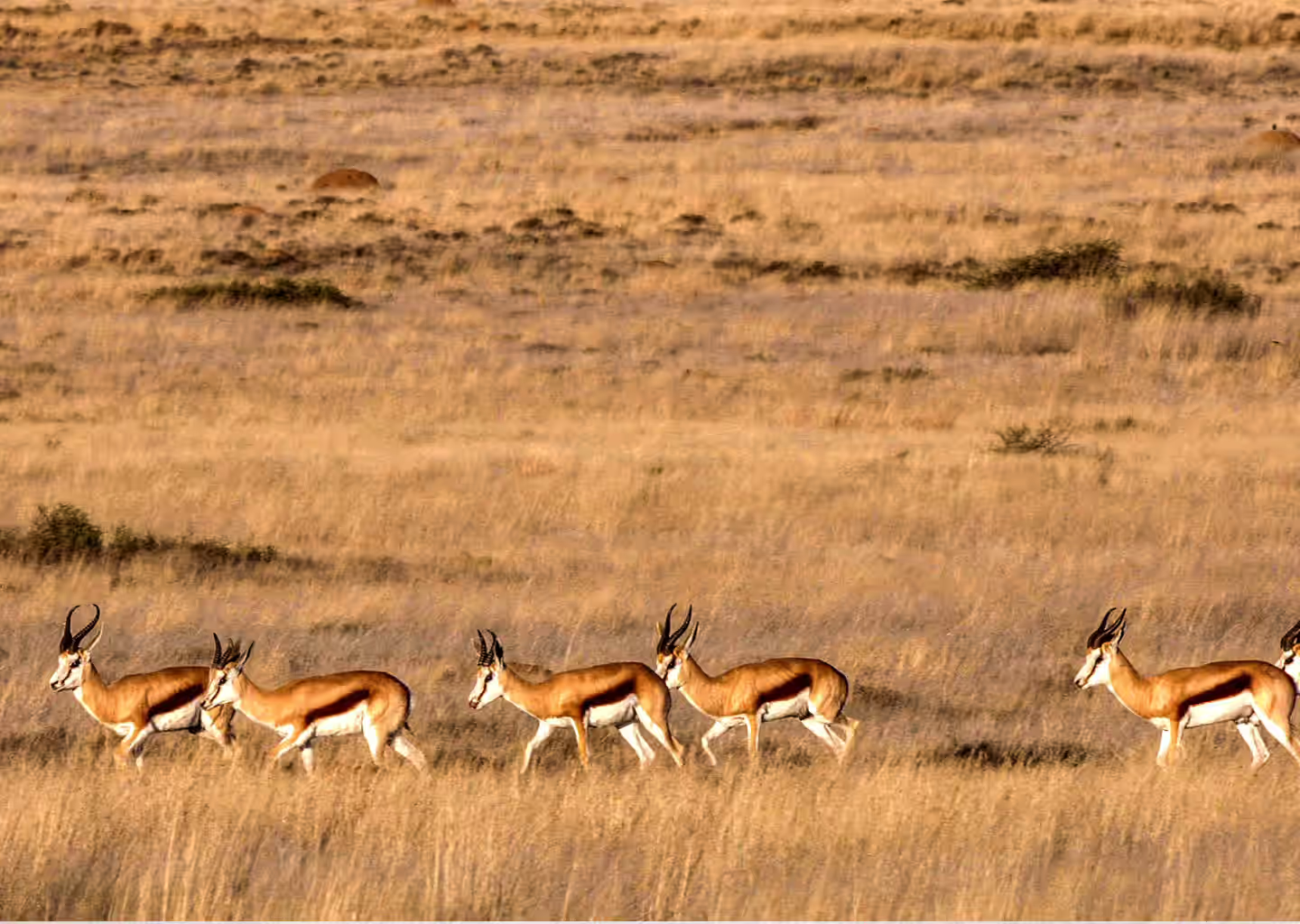
Lake Rwanyakazinga. This is Rwanda's only savannah park and its largest
protected area, offering an ecosystem that combines open grasslands, woodland,
acacia scrub, swamps, and lakeside habitats into a remarkably diverse Big Five
destination. Akagera's story is one of Africa's most inspiring conservation
turnarounds: after the 1994 genocide, much of the park was settled and wildlife
populations collapsed. Since 2010, co-management between the Rwanda Development
Board and African Parks has driven a spectacular recovery, culminating in the
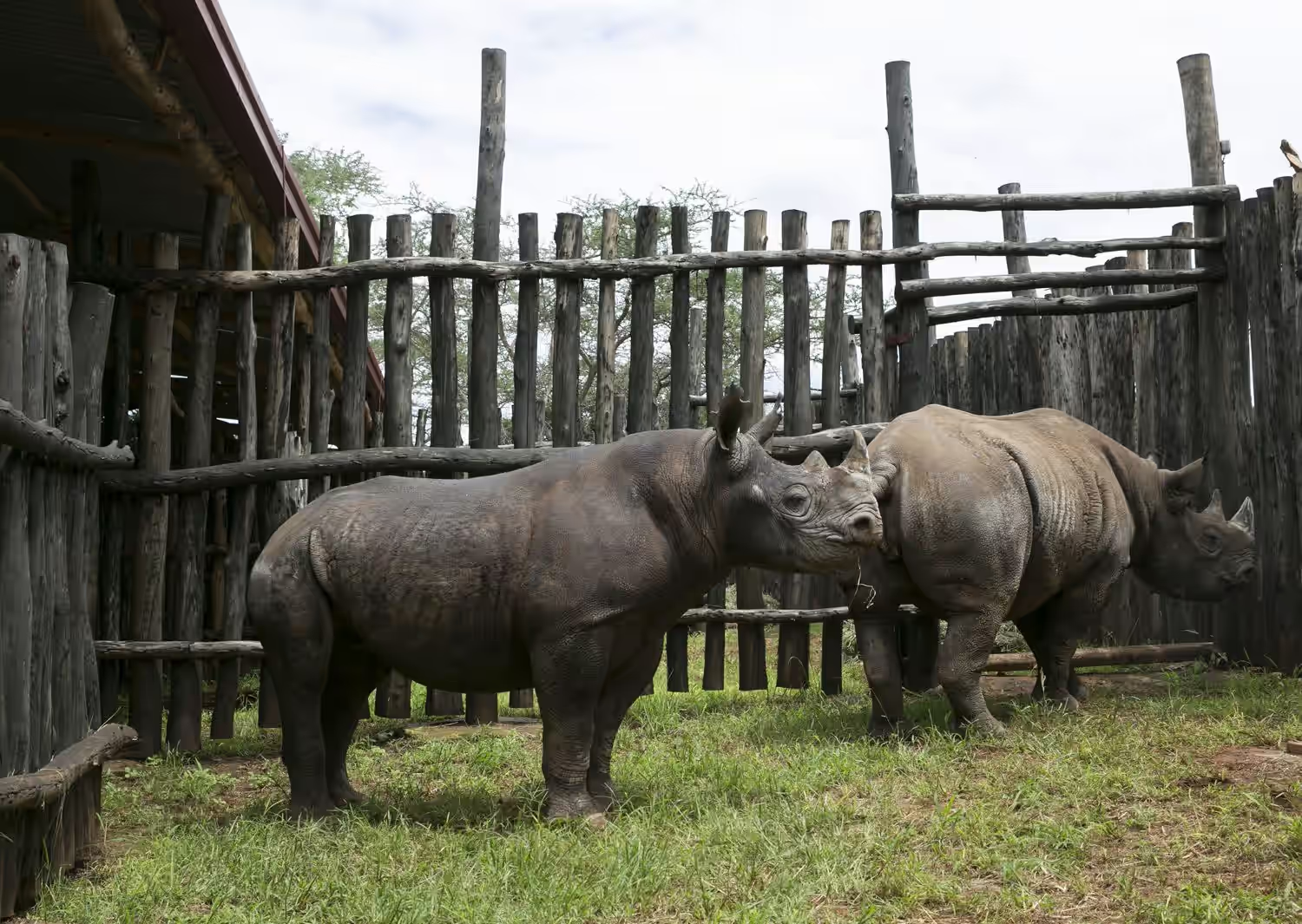
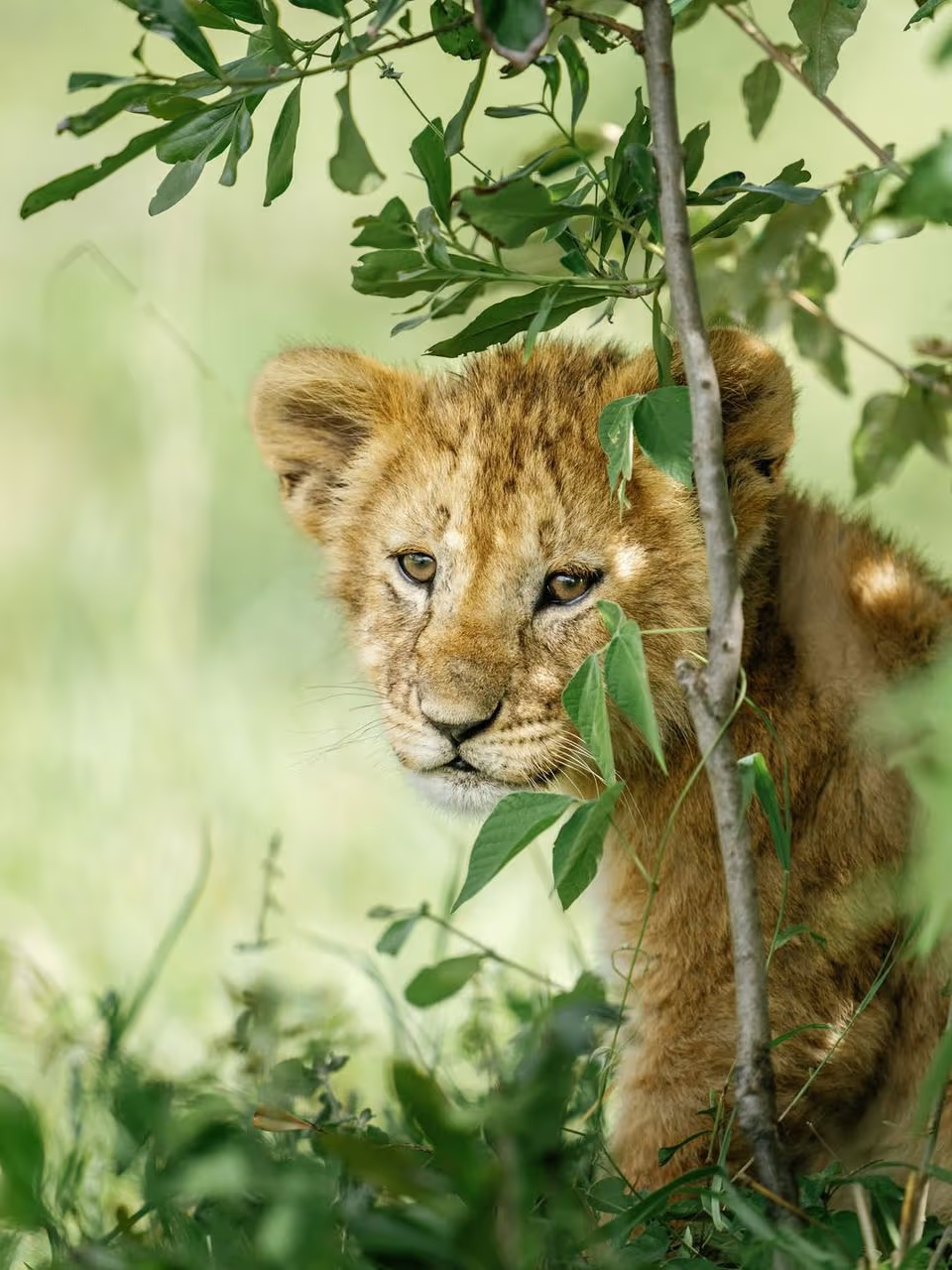
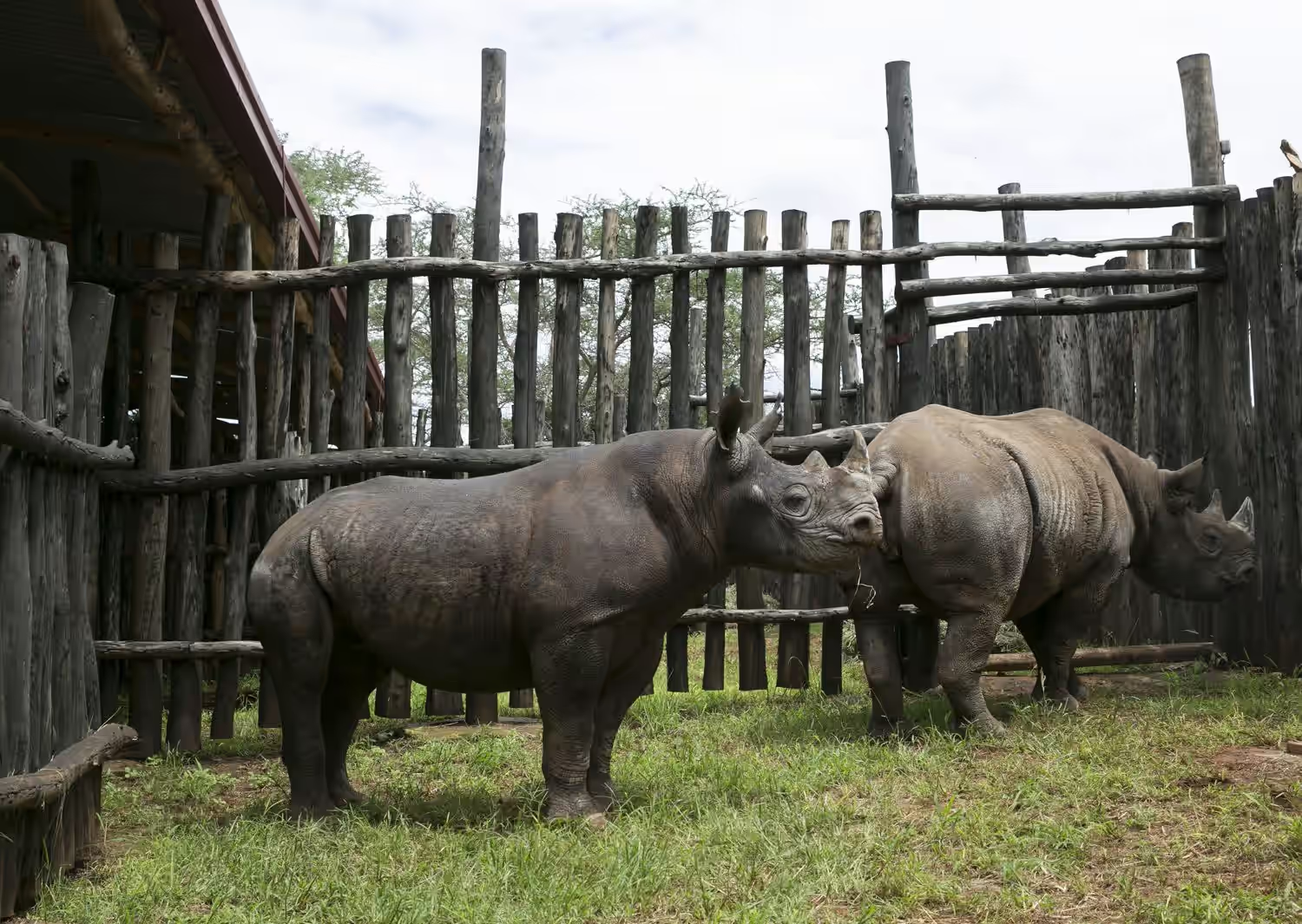
reintroduction of lions in 2015 and black rhinos in 2017. Today Akagera
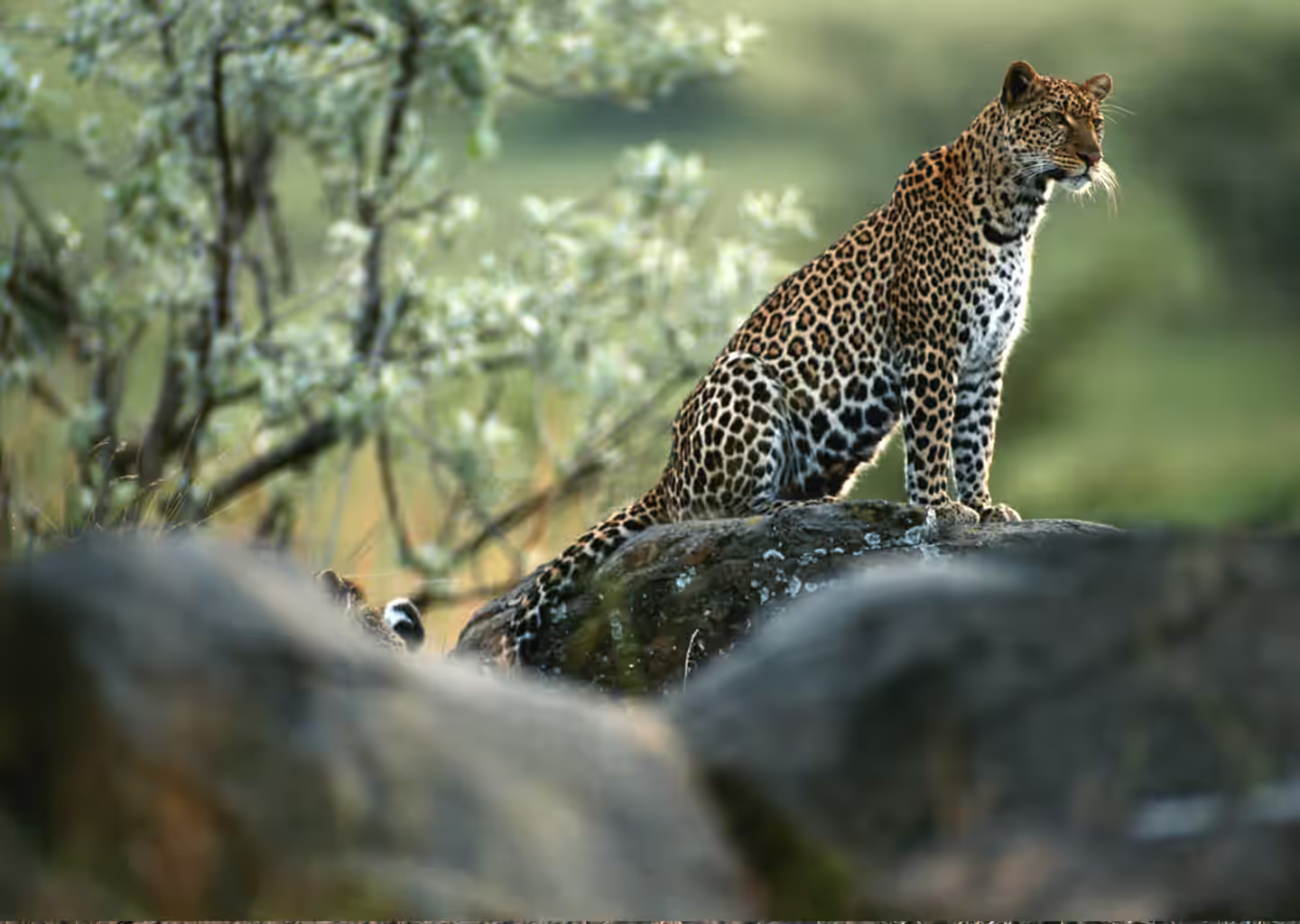
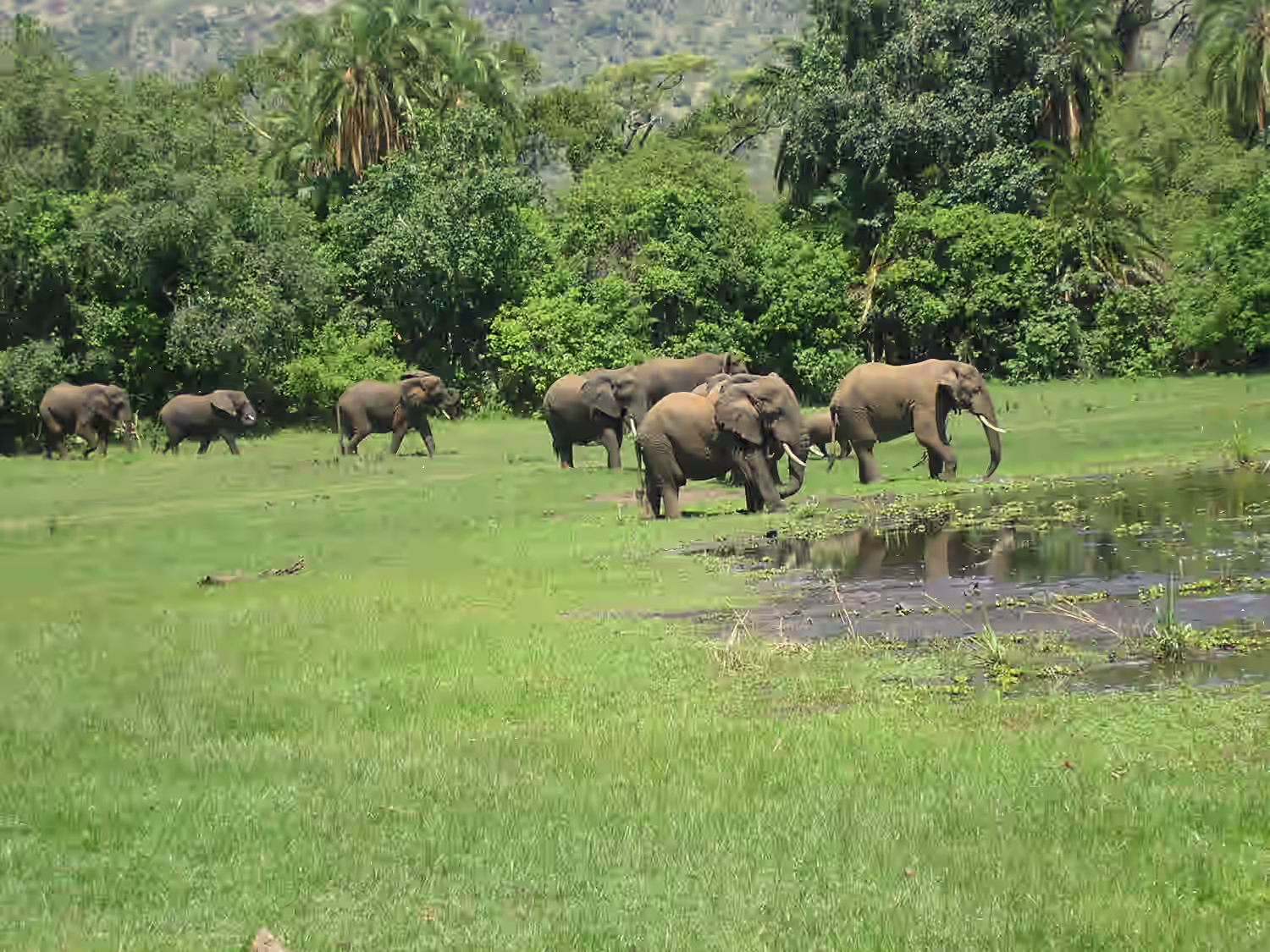
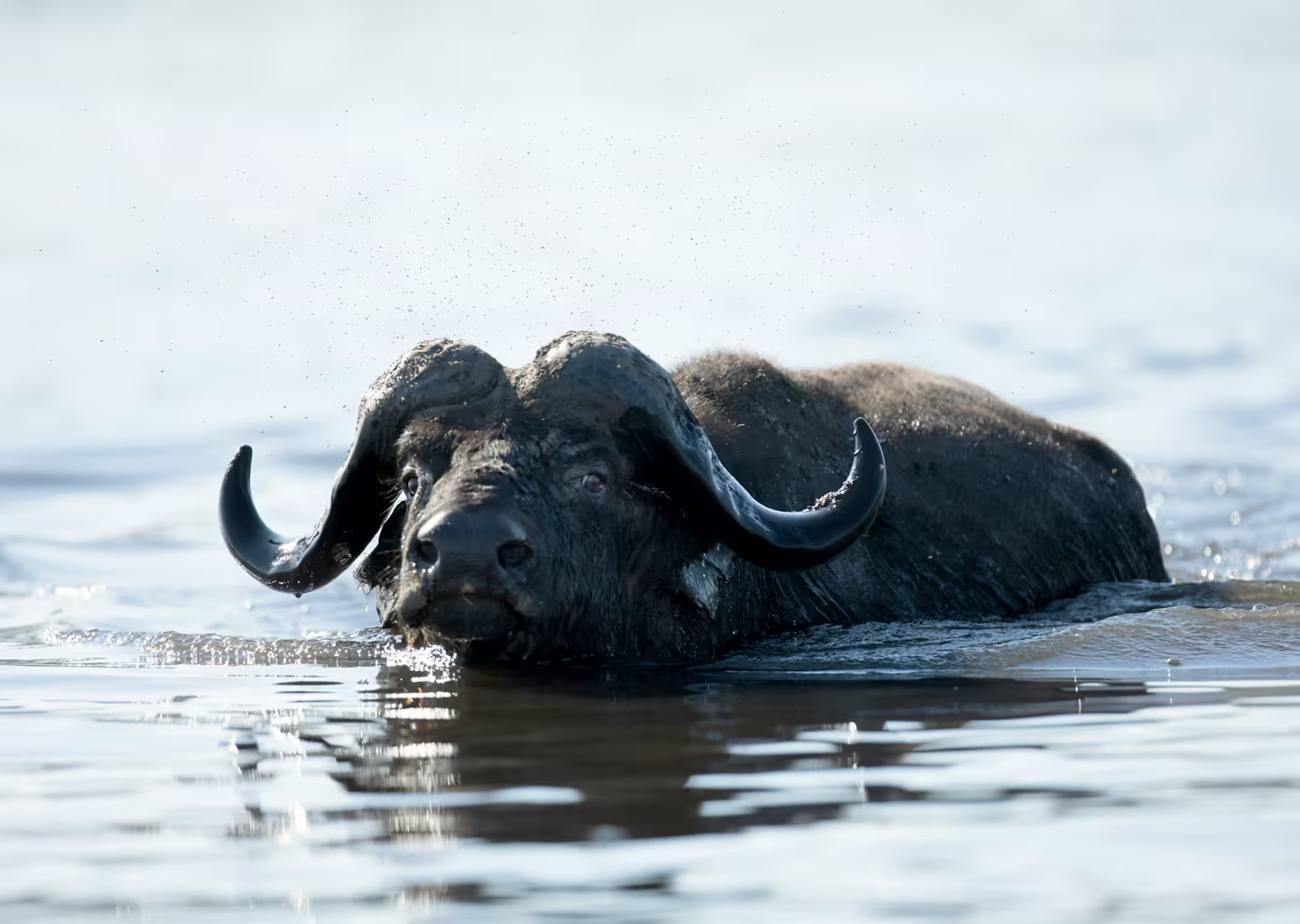
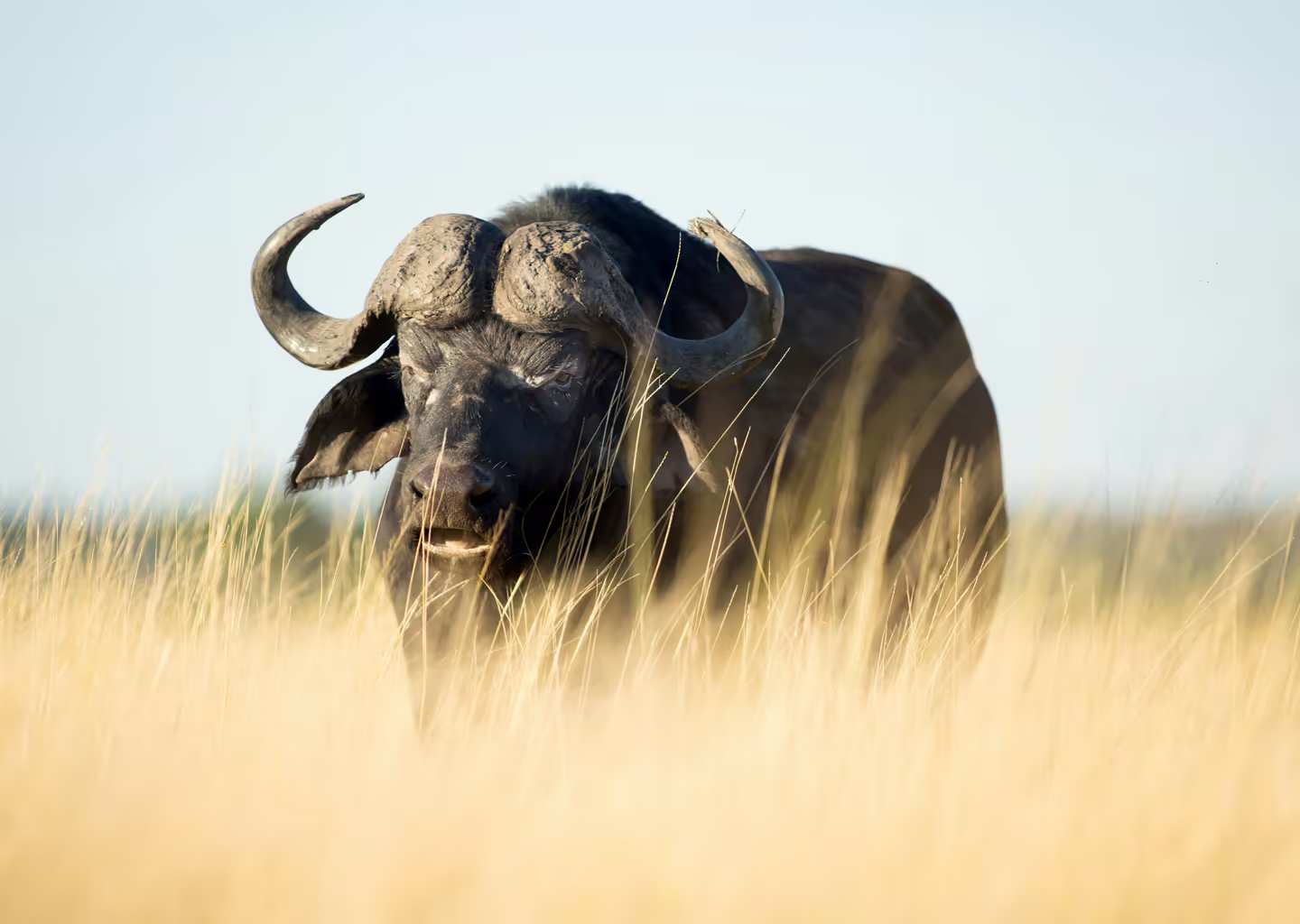
supports healthy populations of elephant, buffalo, hippo, leopard, lion, zebra,
giraffe, and critically endangered eastern black rhino — giving Rwanda the full
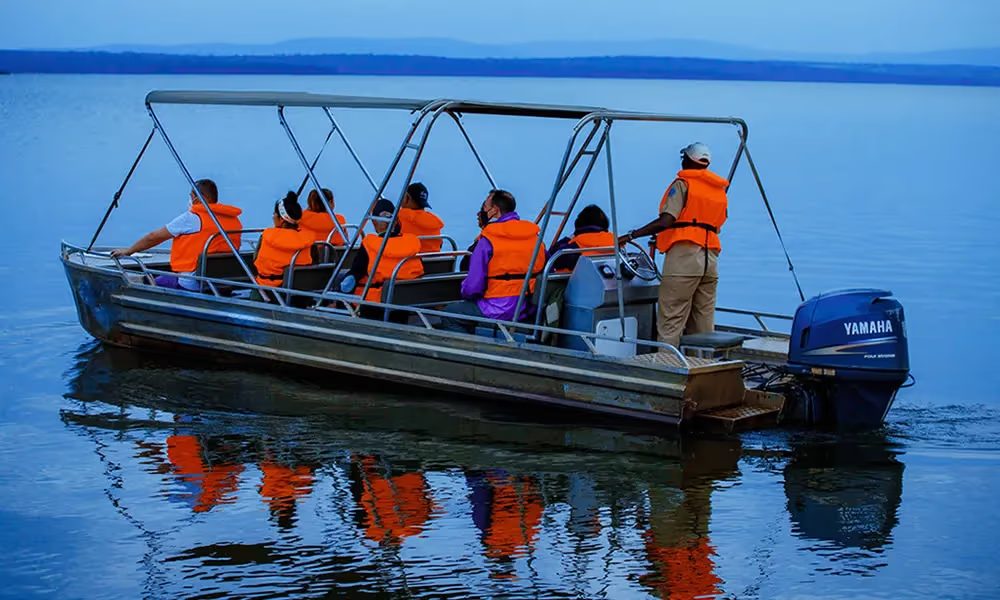
Big Five. Boat safaris on Lake Ihema, night game drives, and hot air balloon
rides add further dimensions to the Akagera experience. The park headquarters
near the southern entrance, about 2.5 hours from Kigali, is the main access point
Explore on Map
Popular Safaris in Akagera National Park
Things to Do
Where to Stay
5
3
4
Iconic Highlights
1
• Big Five game drives with lion, elephant, leopard, buffalo, and black rhino
2
• Boat safaris on Lake Ihema for hippos, crocodiles, and extraordinary birdlife
3
• Night game drives revealing nocturnal species including civet and serval
4
• Rhino tracking on foot with armed ranger escorts
5
• Hot air balloon safaris over the Akagera plains at sunrise
6
• Over 500 bird species including shoebill stork — a birder's holy grail
7
• Fishing on the Akagera River system
8
• Kayaking and canoeing on park lakes
Wildlife & Nature
Lion
Elephant
Leopard
Rhino
Buffalo
Cheetah
Giraffe
Zebra
Hippo
Flamingo
Photo Gallery
Climate & When to Visit
Best Time to Visit
Jan
Feb
Mar
Apr
May
Jun
Jul
Aug
Sep
Oct
Nov
Dec
Monthly Averages
| Month | Temp High | Temp Low | Rainfall |
|---|---|---|---|
| Apr | 29°C | --°C | -- mm |
| Aug | 30°C | --°C | -- mm |
| Dec | 30°C | --°C | -- mm |
| Feb | 31°C | --°C | -- mm |
| Jan | 30°C | --°C | -- mm |
| Jul | 29°C | --°C | -- mm |
| Jun | 27°C | --°C | -- mm |
| Mar | 30°C | --°C | -- mm |
| May | 27°C | --°C | -- mm |
| Nov | 30°C | --°C | -- mm |
| Oct | 30°C | --°C | -- mm |
| Sep | 30°C | --°C | -- mm |
Travel Requirements
Entry to Akagera National Park requires a valid
park entry fee paid at the gate or booked online through African Parks or the
Rwanda Development Board. A valid passport and Rwanda entry visa are required.
Yellow fever vaccination is mandatory for entry into Rwanda. Visitors arriving
by road from Kigali should allow approximately 2.5 hours for the journey east.
Guided game drives and boat safaris can be booked at the park visitor centre or
through licensed operators. Night game drives require advance booking. The park
has a well-maintained network of game-viewing tracks, and self-drive safaris in
suitable 4WD vehicles are permitted with a park map. All rhino tracking
activities are conducted on foot with armed rangers and must be pre-arranged
Frequently Asked Questions
Does Akagera have all the Big Five?
Yes. Since the reintroduction of lions in 2015 and eastern black rhinos in 2017, Akagera now supports the complete Big Five: lion, elephant, leopard, buffalo, and black rhino, making Rwanda the only country in East Africa with gorillas, chimps, and Big Five in one destination.
Can I do a self-drive safari in Akagera?
Yes, self-drive safaris are permitted in Akagera. You will need a suitable 4WD vehicle and can obtain a park map at the entrance gate. However, for rhino tracking and boat safaris, you must book through the park. Guided game drives are also available and are recommended for maximising wildlife sightings.
How far is Akagera from Kigali?
Akagera National Park is approximately 100 km east of Kigali, a journey of around 2.5 hours by road via the Kayonza route. The road is paved and in good condition.
Is it possible to see a shoebill stork in Akagera?
Yes, the papyrus swamps along Lake Shakani and the northern lakes system offer one of the more accessible opportunities in Africa to see the iconic shoebill stork. A guided boat safari with an experienced guide significantly increases your chances.
What accommodation is available in or near Akagera?
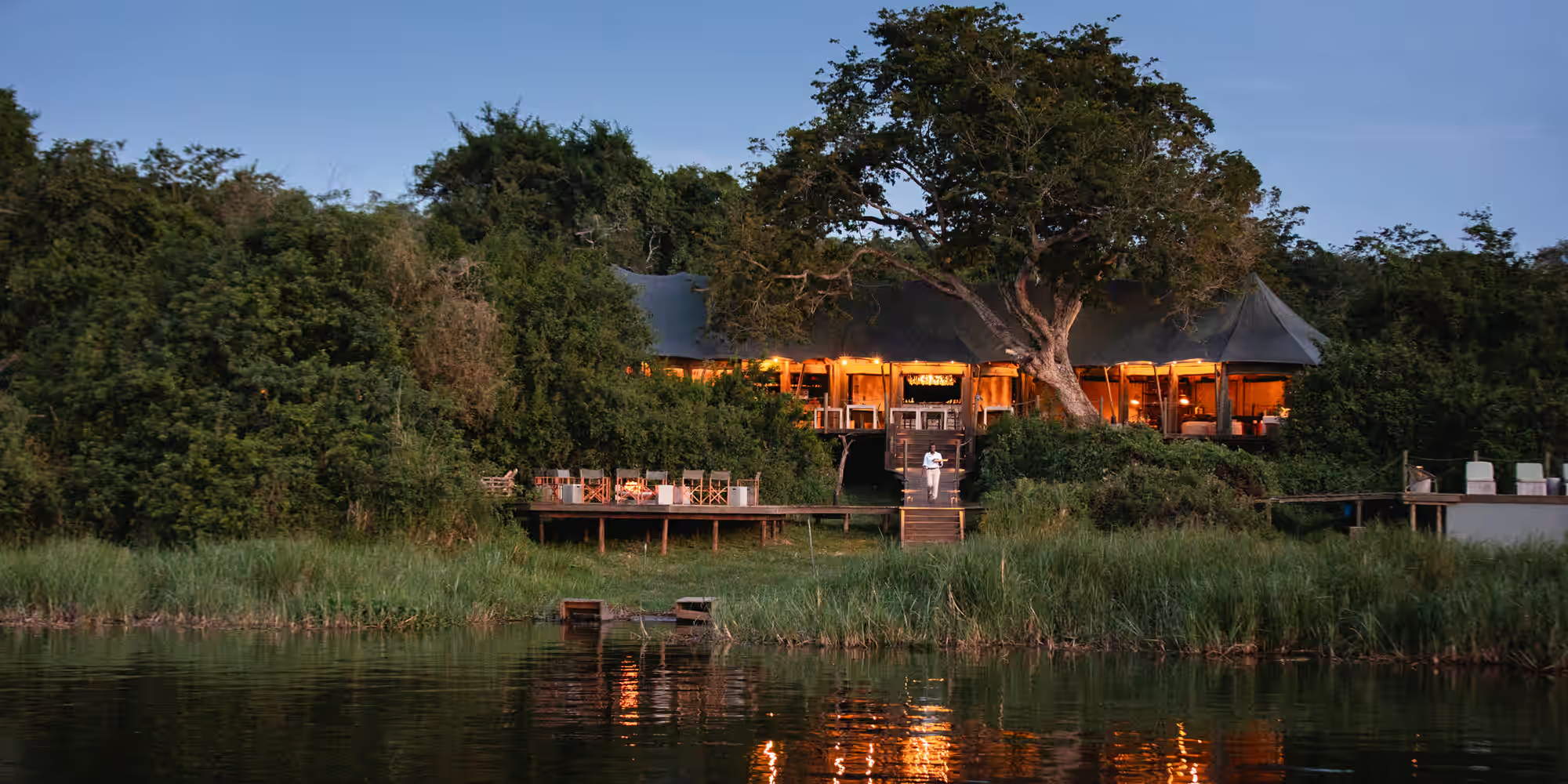
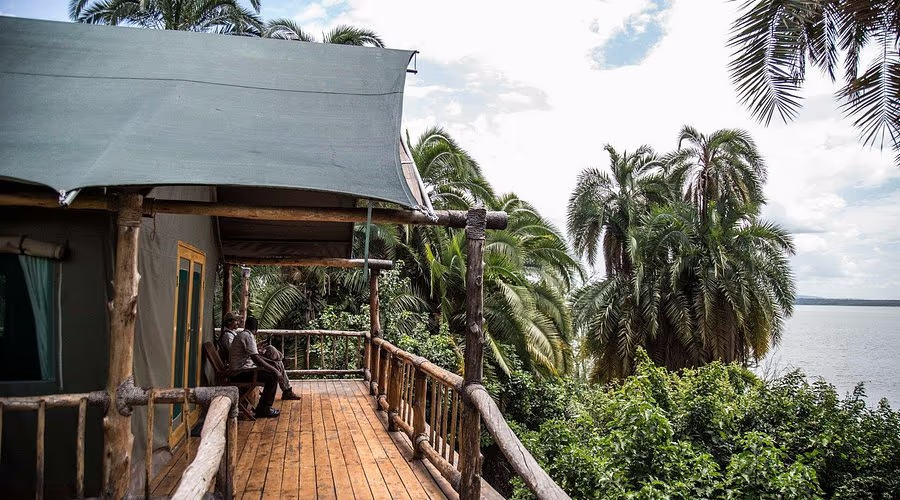
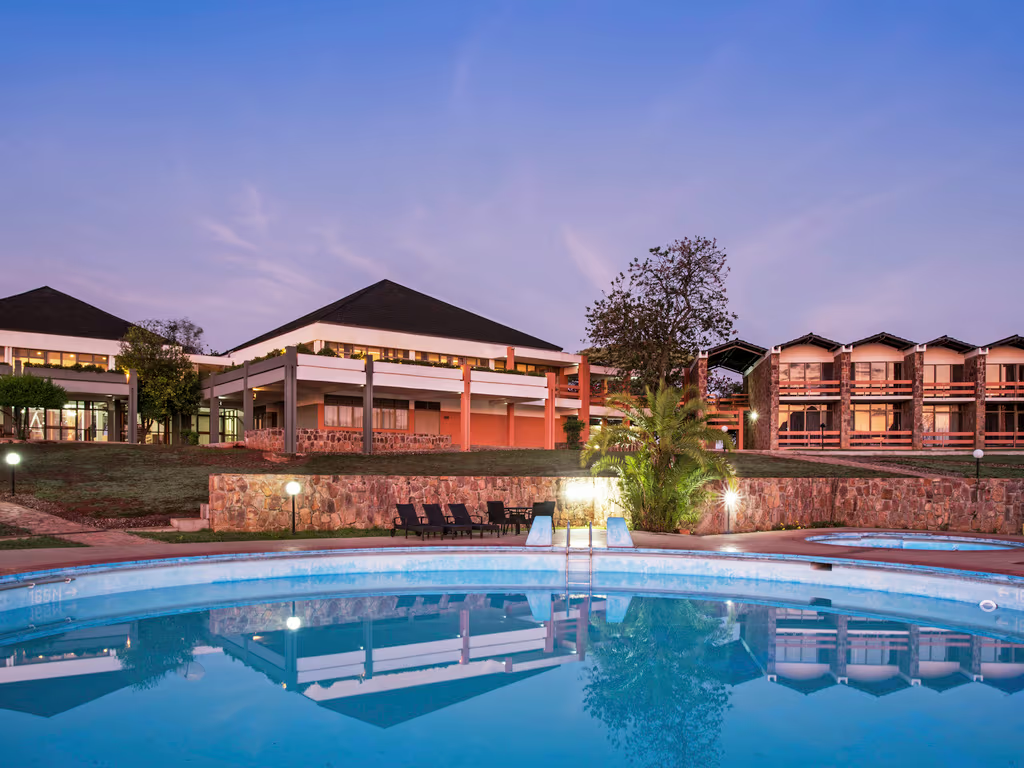
Akagera offers a range of options from Ruzizi Tented Lodge and Magashi Camp (luxury), to Akagera Game Lodge (mid-range), and basic campsites within the park. Booking in advance is essential, especially for peak dry season months.