
Experience Central Kalahari Game Reserve
Established in 1961, the Central Kalahari Game Reserve (CKGR)
is the second-largest game reserve in the world, covering approximately 52,800
square kilometres of the central Botswana plateau. Contrary to popular
perception, the Kalahari is not a true desert but a semi-arid fossil desert — a
vast expanse of red and white sand, ancient riverbeds, seasonal grasslands, and
sparse woodland that bursts into life after the summer rains.
The reserve's most iconic landscape is its fossil river
valleys — long, gently curved depressions that were once flowing rivers
thousands of years ago. The Deception Valley, Letiahau Valley, and Sunday Pan
are among the most celebrated, offering open grasslands where black-maned
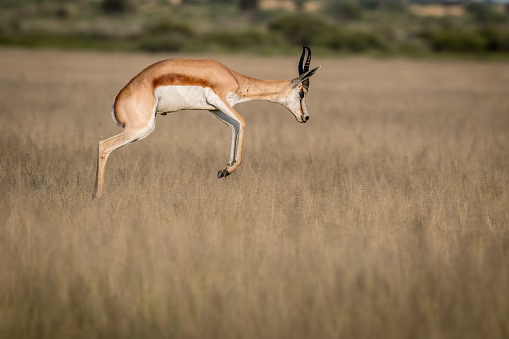
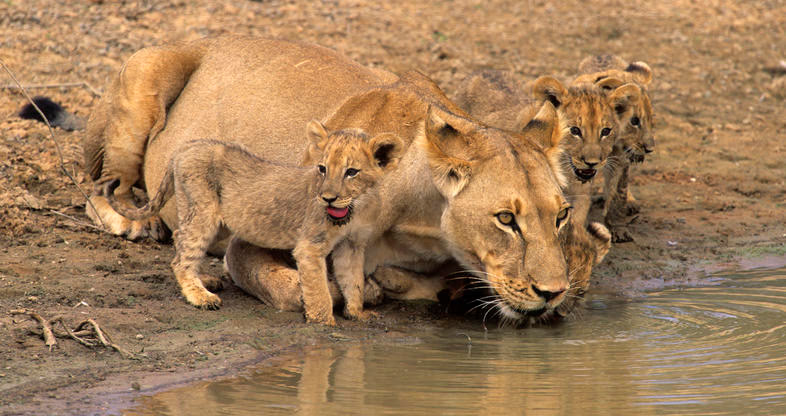
Kalahari lions can be spotted lounging in the shade, and where vast herds of
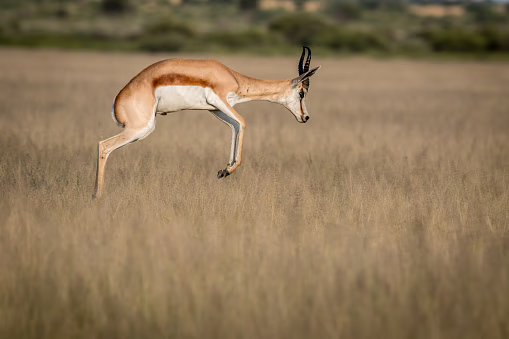
springbok and blue wildebeest migrate after the rains.
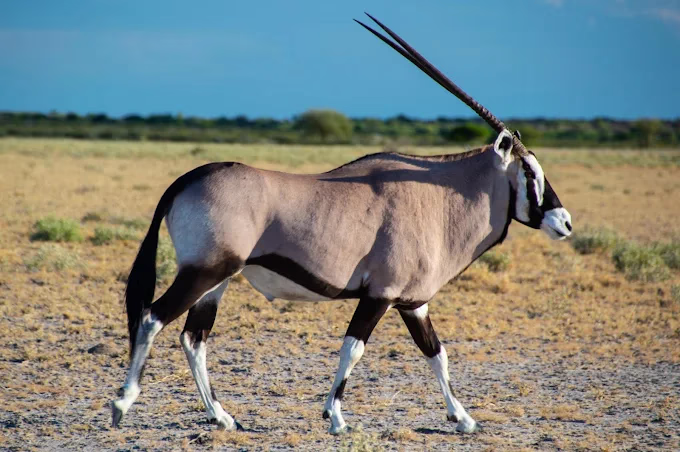
Wildlife in the CKGR has adapted uniquely to the harsh,
semi-arid conditions. The Kalahari lion, famous for its dense black mane, is a
distinct ecotype found primarily here and in the Linyanti area. Brown hyenas,
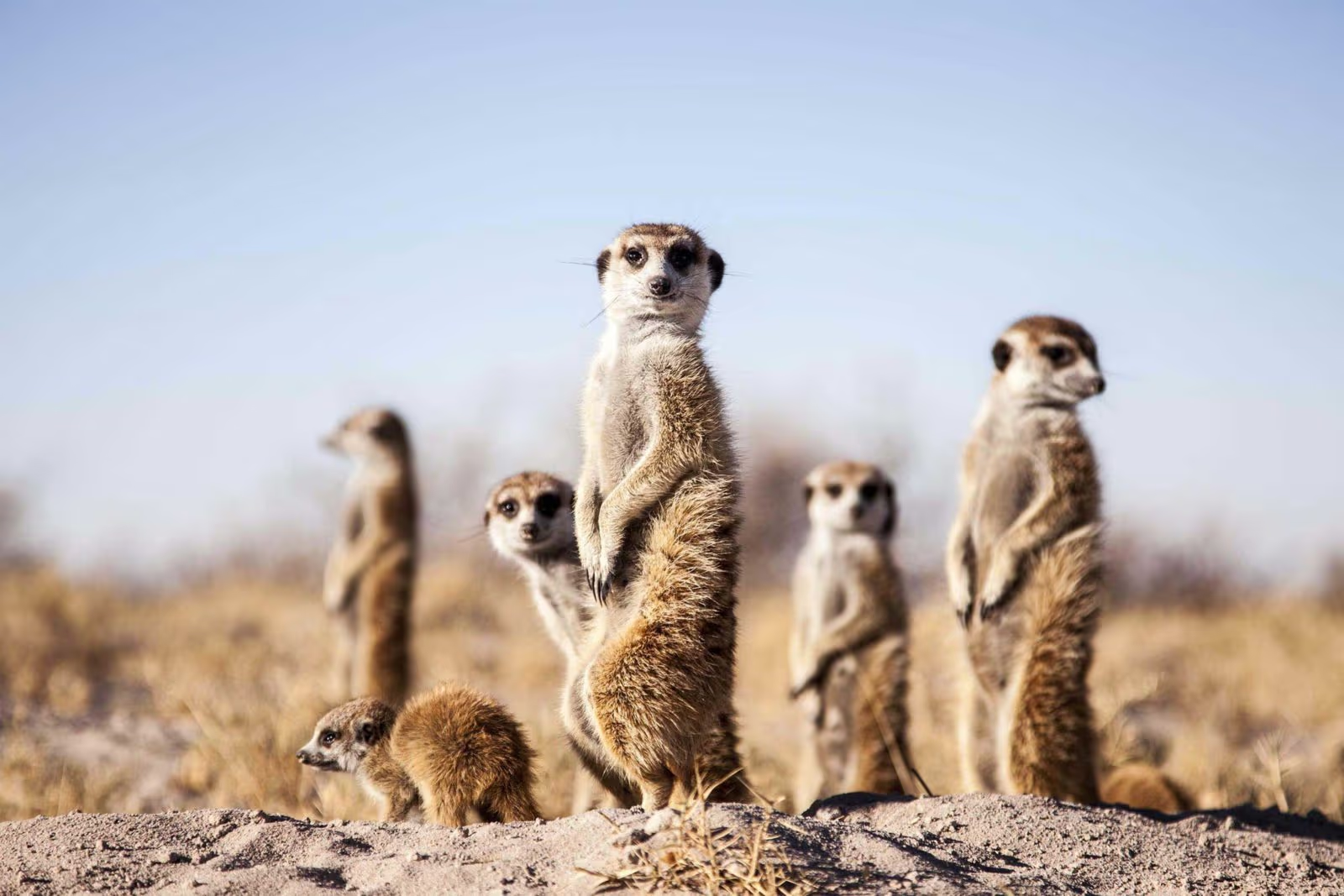
bat-eared foxes, aardvarks, pangolins, and meerkats thrive alongside more
common savanna species. During the summer rainy season, the reserve hosts one
of Africa's great wildlife migrations as wildebeest and springbok flood the
fossil valleys in their hundreds of thousands.
The CKGR offers a rare sense of absolute wilderness. Visitor
numbers are strictly limited, self-drive camping is possible (with a
well-equipped 4WD), and the night skies here — far from any city lights — are
among the darkest and most star-filled on Earth.
Explore on Map
Popular Safaris in Central Kalahari Game Reserve
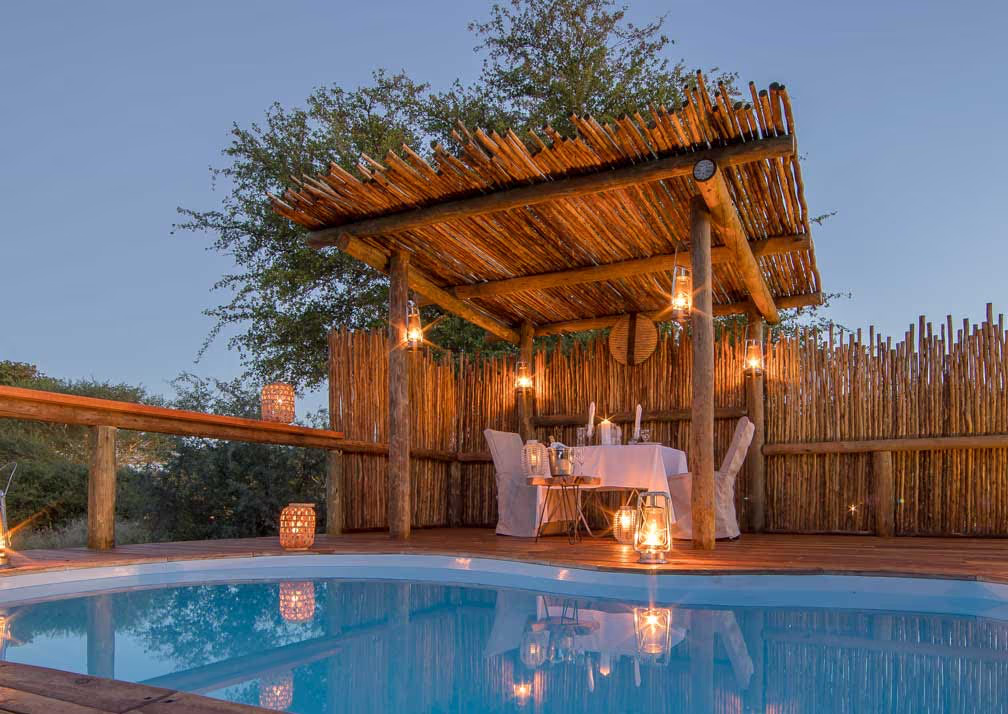
Where to Stay
Iconic Highlights
• Second-largest game reserve in the world — vast, remote wilderness
• Famous black-maned Kalahari lions in dramatic fossil valley landscapes
• Summer wildlife migration of wildebeest and springbok
• Extraordinary dark night skies for stargazing
• Home to San (Bushmen) communities with ancient cultural heritage
• Brown hyenas, pangolins, meerkats and unique desert-adapted species
Wildlife & Nature
Lion
Elephant
Leopard
Buffalo
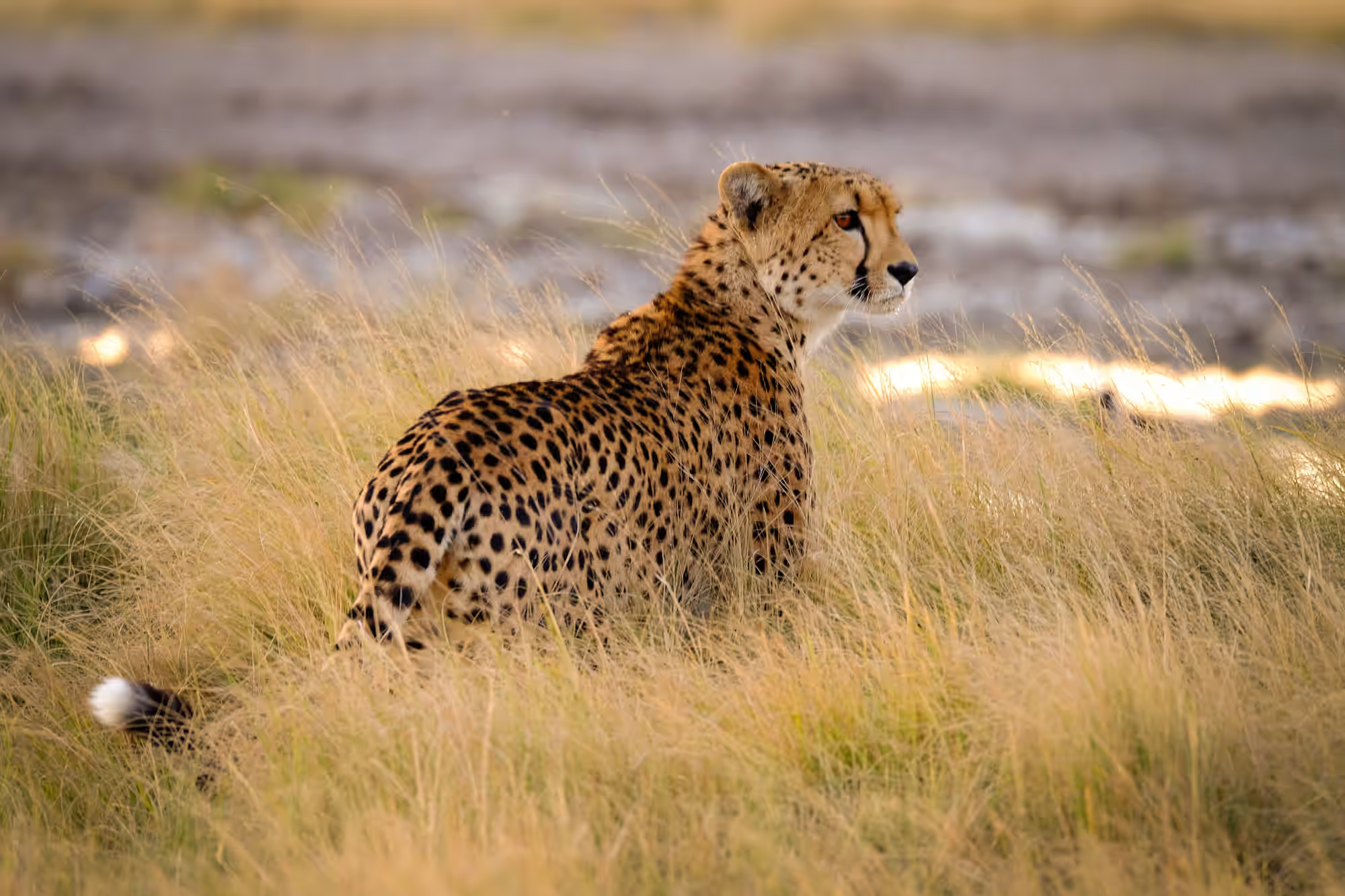
Cheetah
Zebra
Wildebeest
Wild Dogs
Photo Gallery
Climate & When to Visit
Best Time to Visit
Travel Requirements
- Valid passport with at
least 6 months validity beyond travel dates
- Visa-free entry for most
nationalities; check requirements for your country
- Yellow fever vaccination
certificate required if travelling from endemic countries
- Park entry fees payable in
USD or Botswana Pula at park gates
5. Valid passport with at least 6 months validity
6. Park entry fees required — payable at South
Gate or North Gate
7. 4WD vehicle essential for self-drive; roads
flood during the wet season
8. Booking permits required for camping at
Third Bridge and Xakanaxa
- Valid passport with
minimum 6 months validity beyond travel dates
- Travel insurance strongly
recommended; medevac cover essential for remote camps