
Experience Hwange National Park
Hwange National Park covers over 14,600 km² of semi-arid
savanna and teak woodland in western Zimbabwe, making it one of Africa's
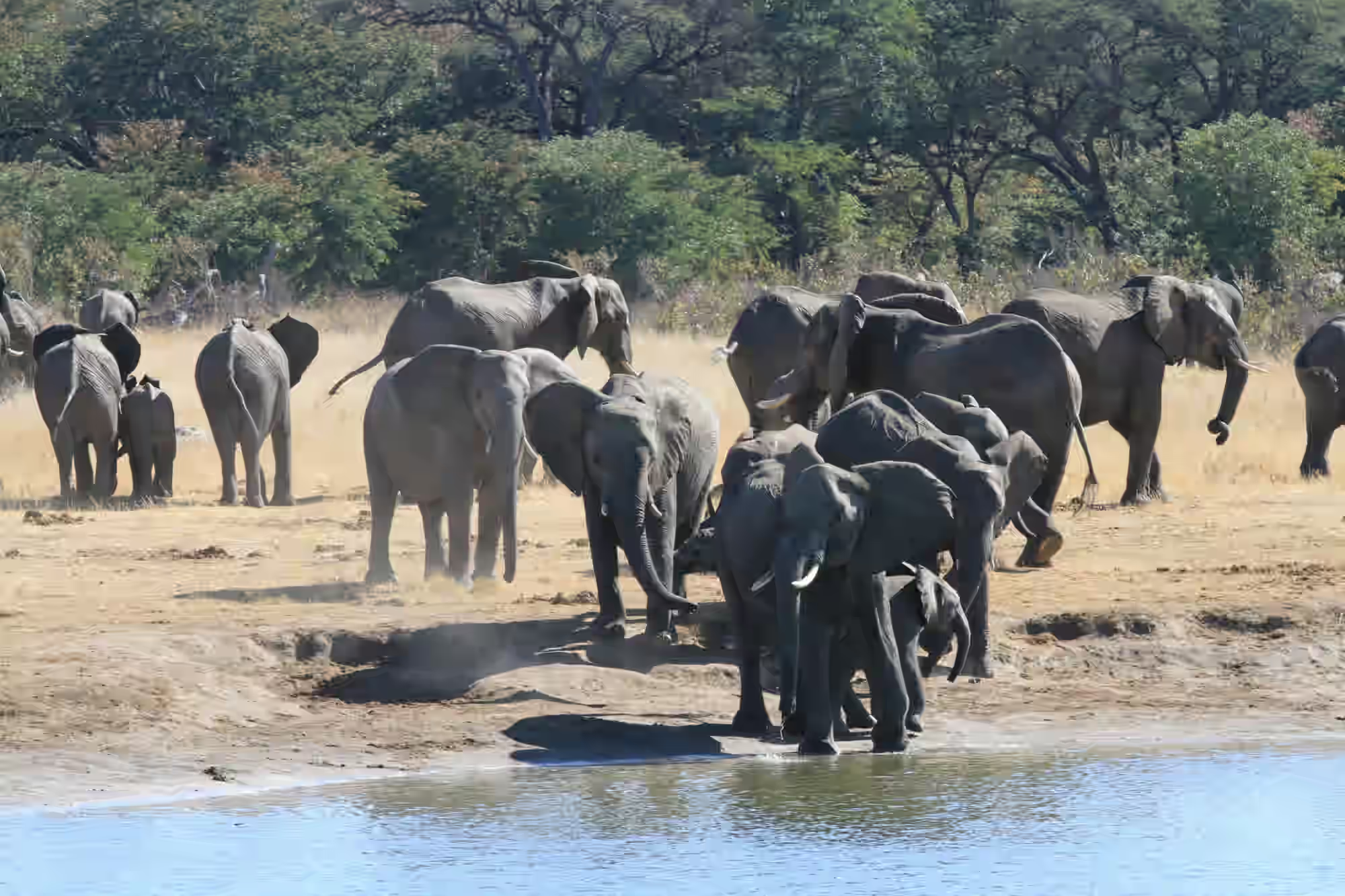
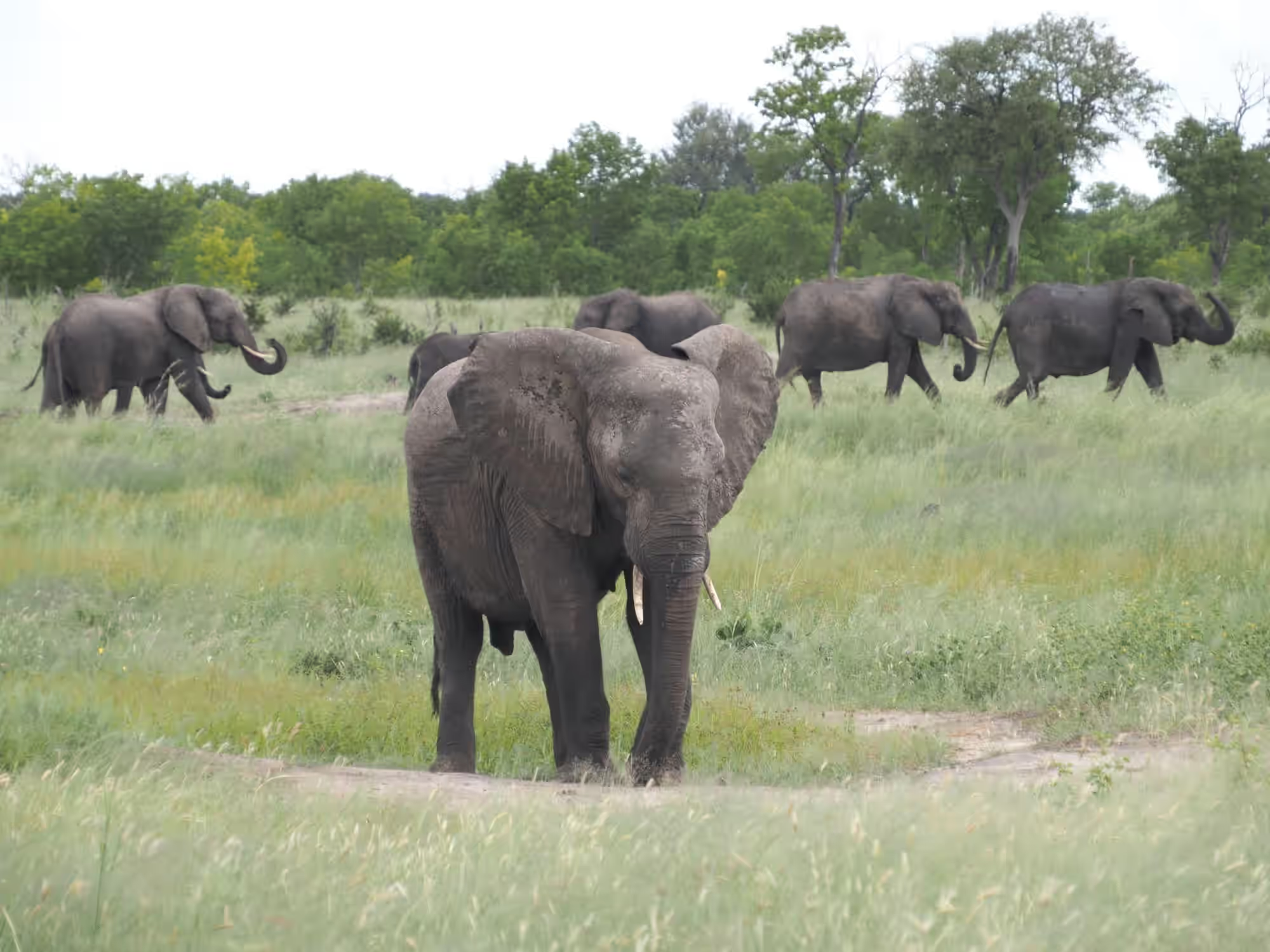
biggest and most wildlife-rich reserves. The park is most famous for its
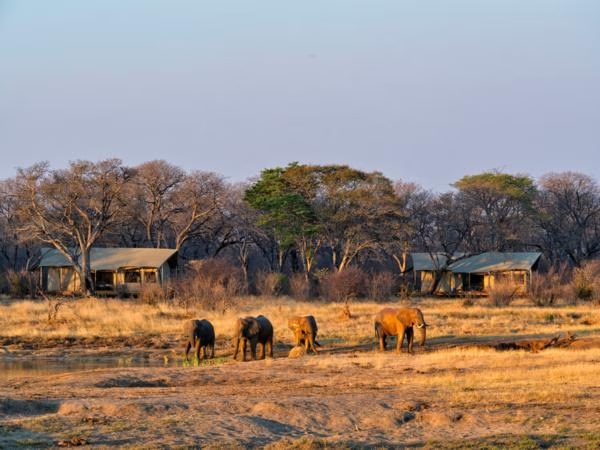
staggering elephant population — estimated at 40,000–50,000 animals — which
congregate around the park's numerous artificial waterholes during the dry
season in scenes that rival anything on the continent.
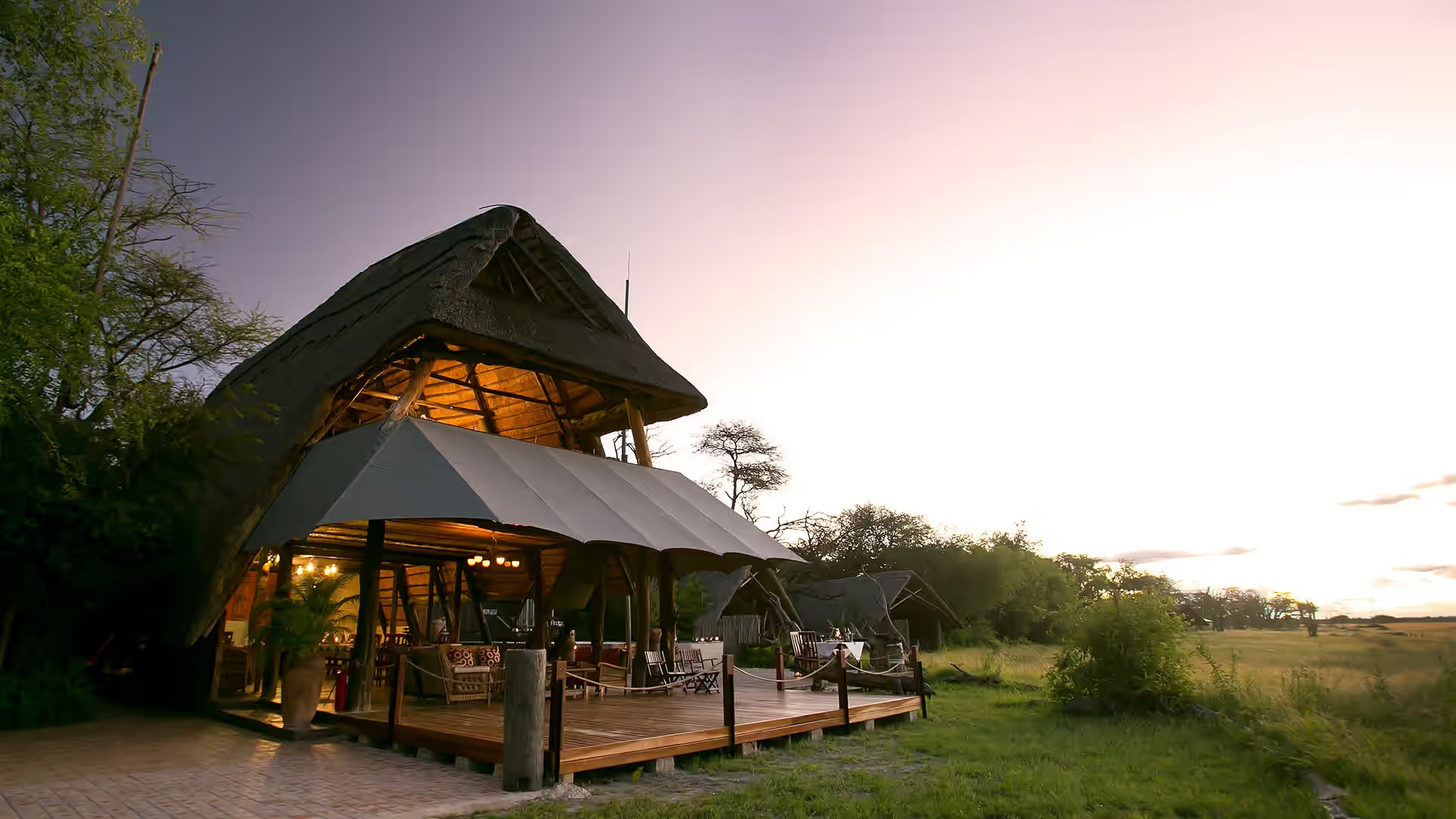
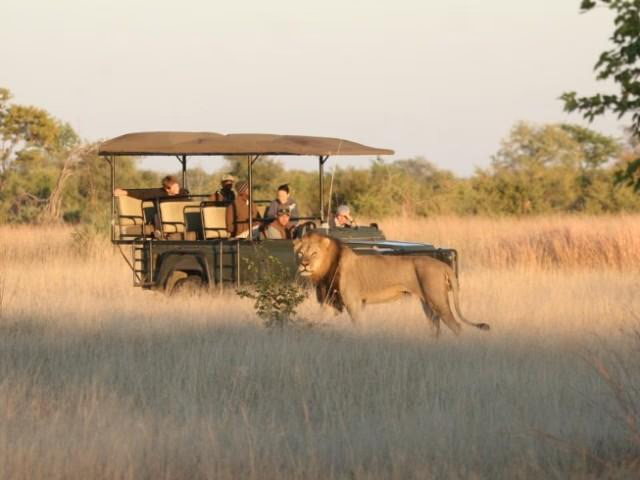
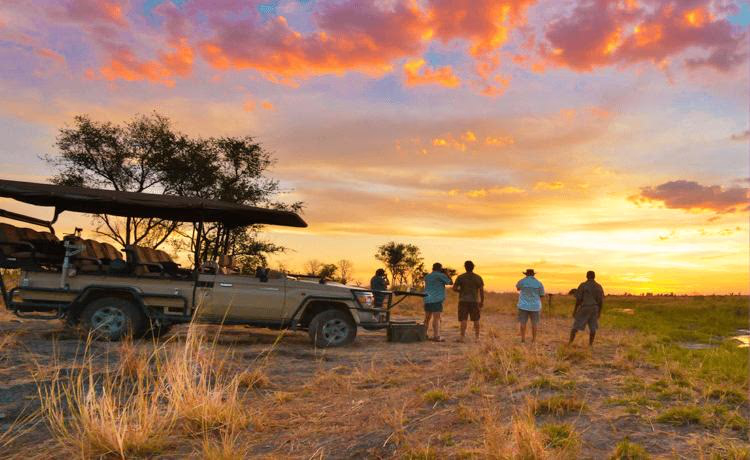
Hwange offers a classic, unhurried safari experience. Drive-in
camps and exclusive luxury lodges are both well-established, and the park
caters to self-drive visitors as well as fully guided safaris. The flat terrain
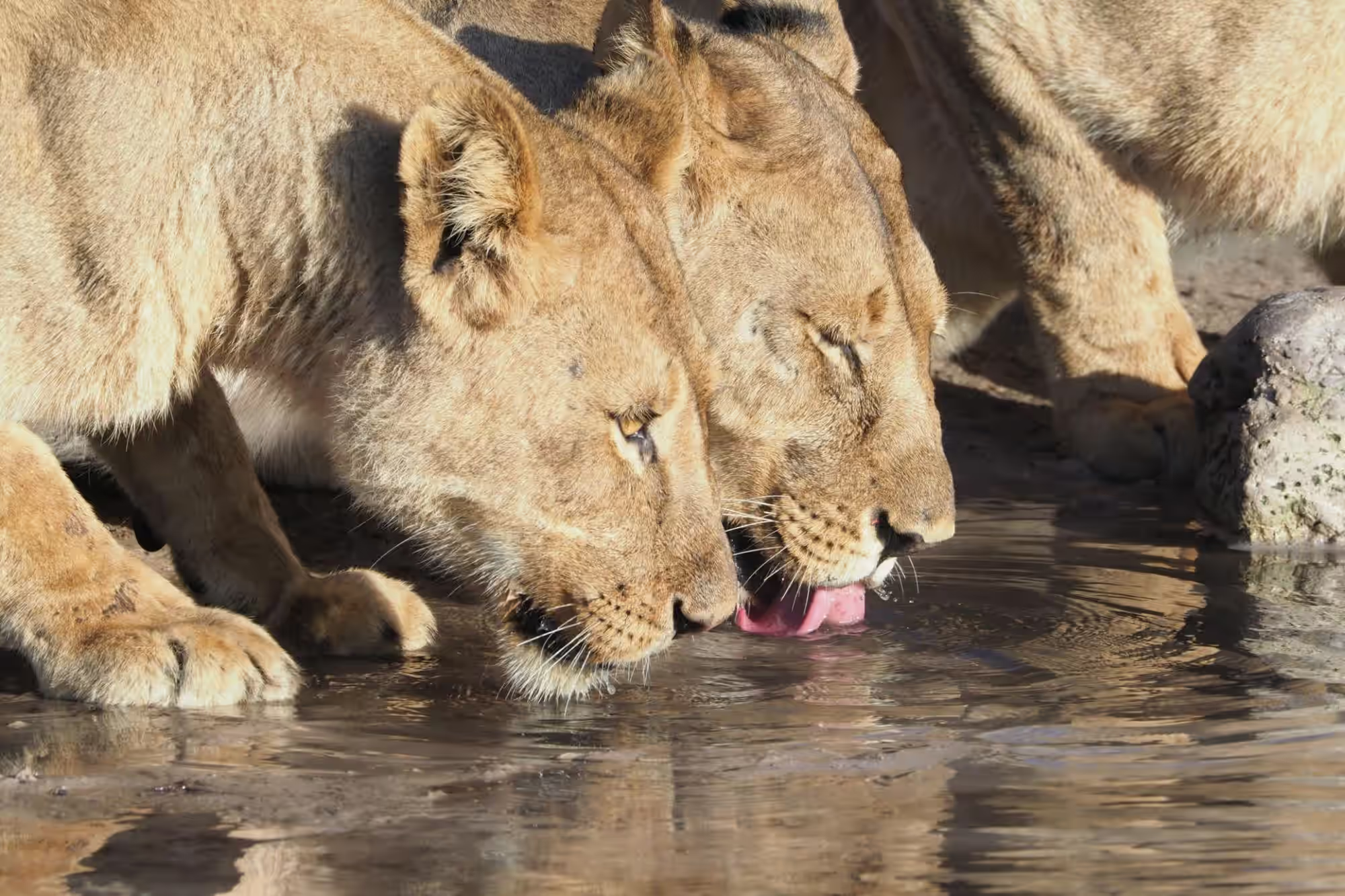
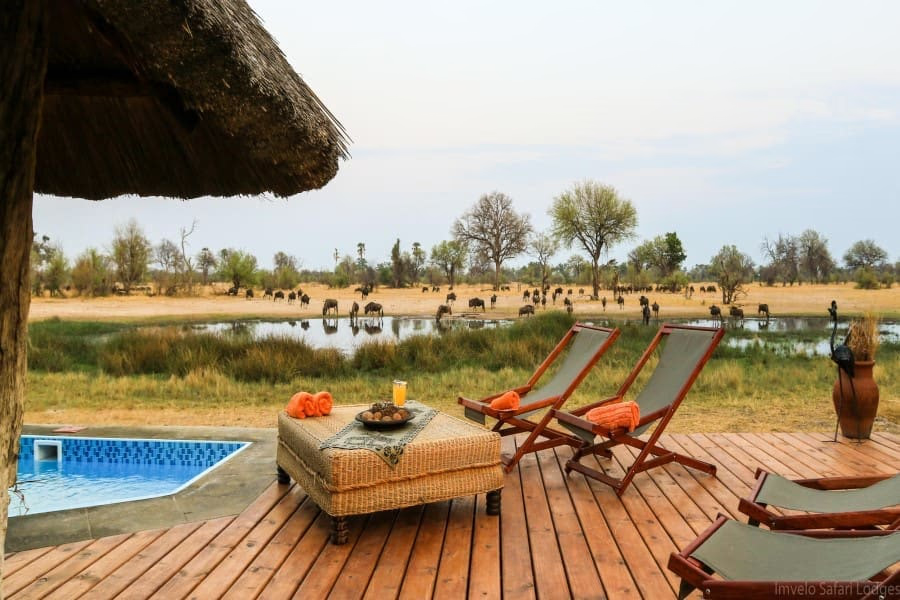
and permanent waterholes mean you can sit quietly at a waterhole and have the
wildlife come to you — a highly productive and relaxing way to game-view.
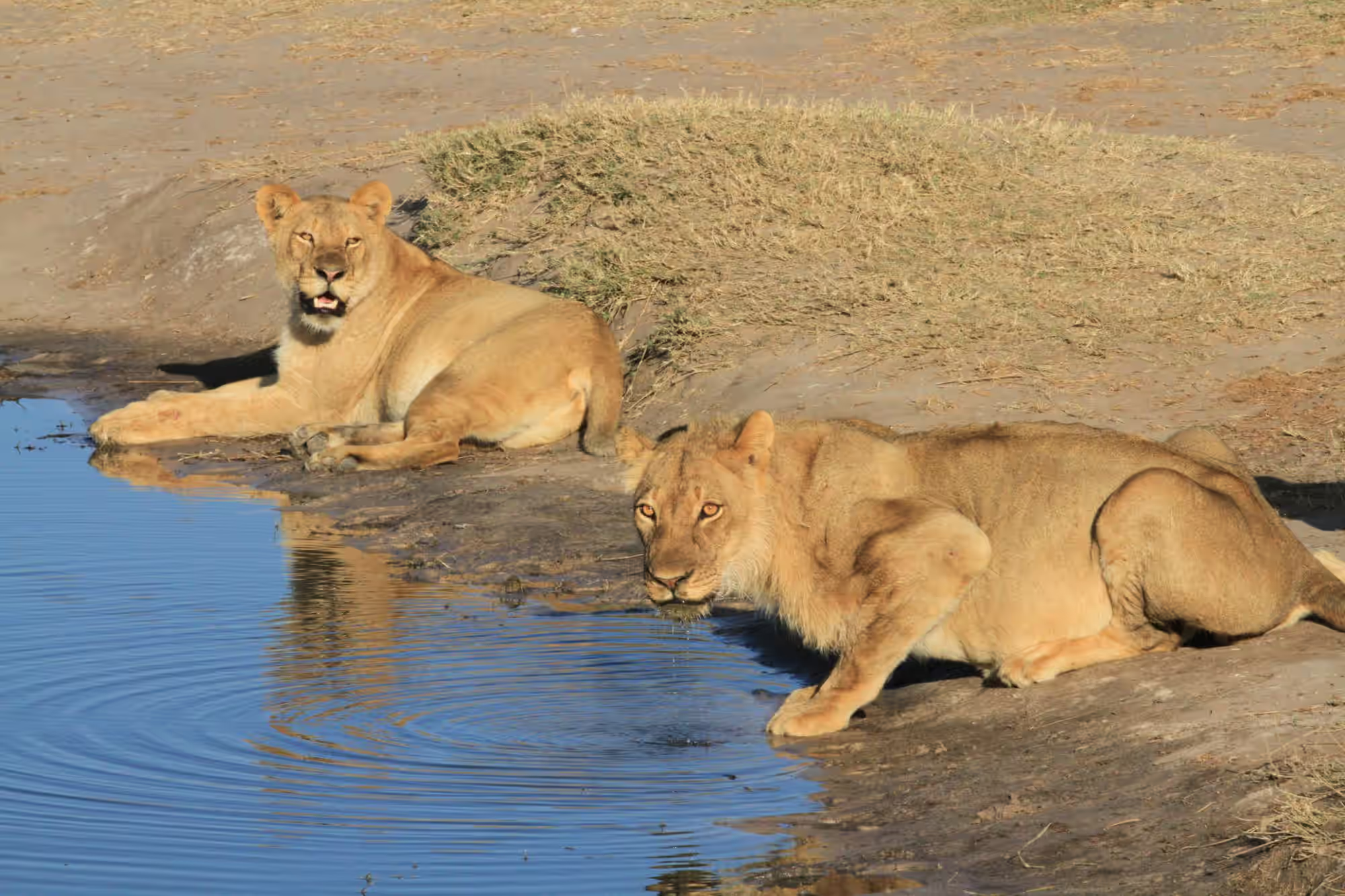
Besides elephants, Hwange supports all of the big five (lion,
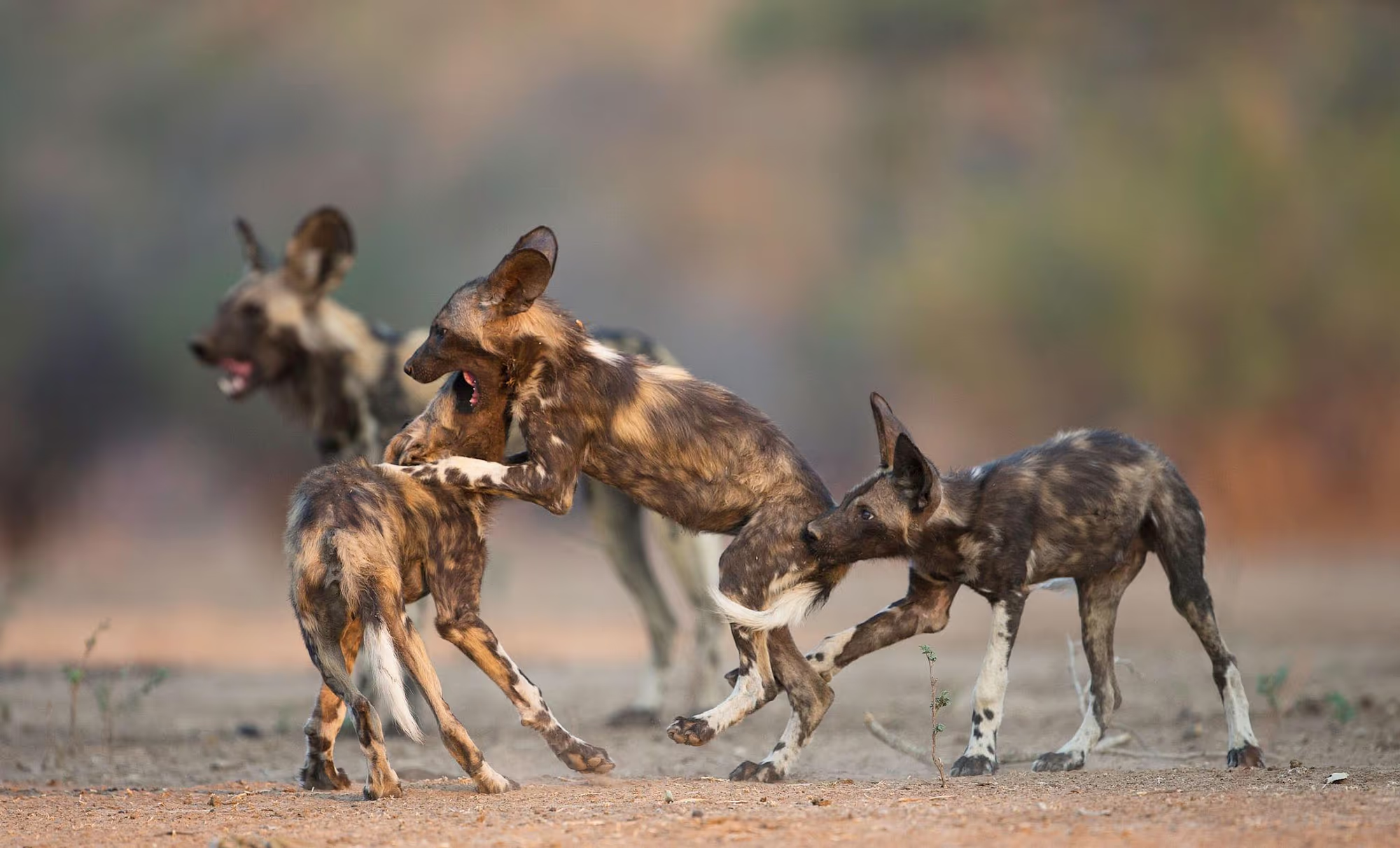
leopard, buffalo, rhino, and elephant), plus wild dog — one of Africa's best
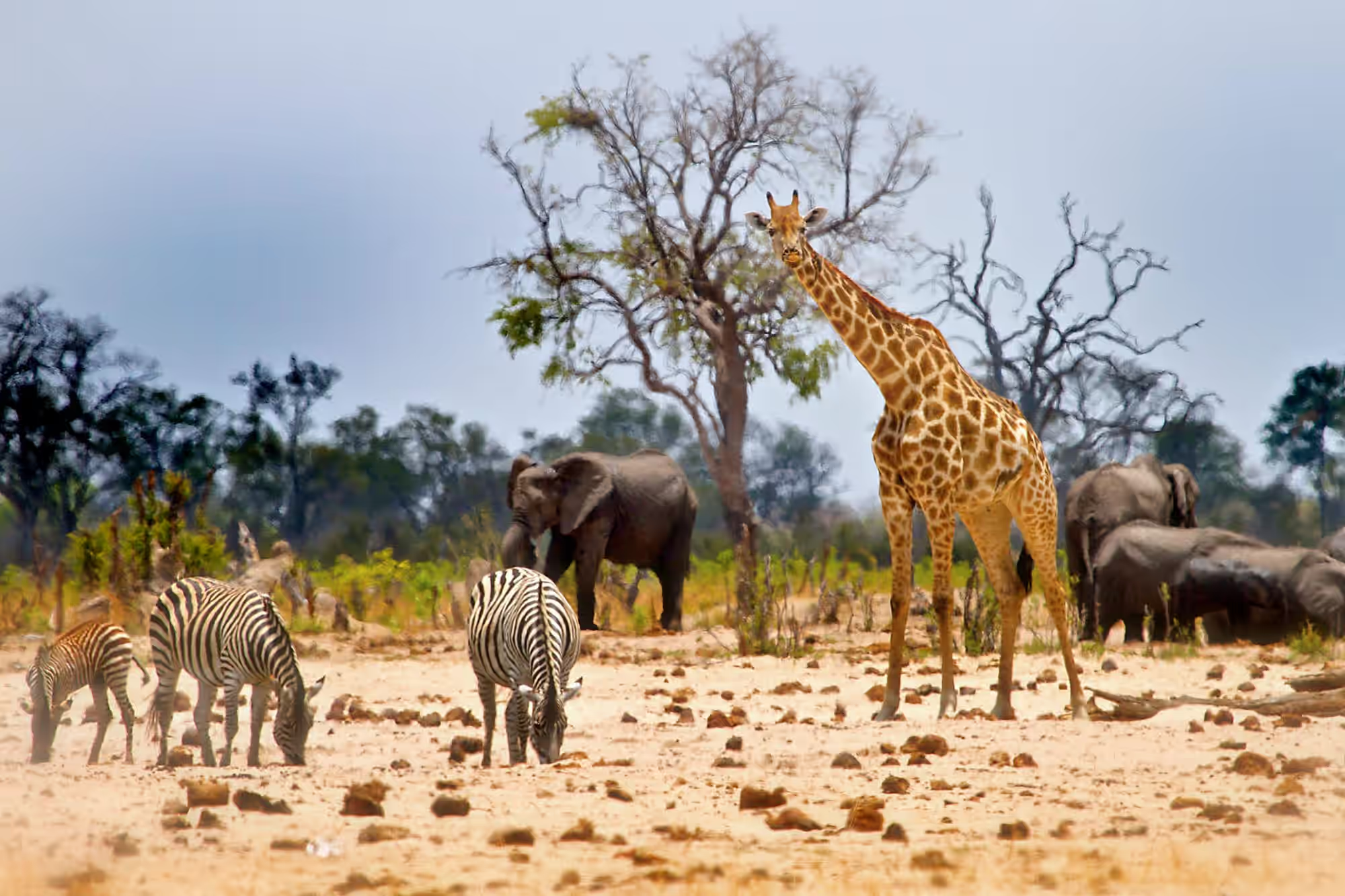
parks for encountering these endangered predators. Large herds of buffalo,
sable antelope, roan, giraffe, zebra, and wildebeest are commonly sighted, and
the bird list tops 400 species.
Explore on Map
Popular Safaris in Hwange National Park
Where to Stay

Iconic Highlights
• Massive elephant herds — among the largest concentrations in Africa
• Exceptional wild dog sightings; one of Africa's top parks for the species.
• Full big-five coverage including white and black rhino
• Waterhole hides for intimate, motionless wildlife encounters
• Night drives revealing lions, leopards, and aardvarks
• Walking safaris from luxury camps
• Over 400 bird species including Kori bustard and Pel's fishing owl
Wildlife & Nature
Lion
Elephant
Leopard
Buffalo
Cheetah
Giraffe
Zebra
Hippo
Wildebeest
Rhino
Photo Gallery
Climate & When to Visit
Best Time to Visit
Monthly Averages
| Month | Temp High | Temp Low | Rainfall |
|---|---|---|---|
| Apr | 28°C | --°C | -- mm |
| Aug | 29°C | --°C | -- mm |
| Dec | 30°C | --°C | -- mm |
| Feb | 30°C | --°C | -- mm |
| Jan | 30°C | --°C | -- mm |
| Jul | 25°C | --°C | -- mm |
| Jun | 22°C | --°C | -- mm |
| Mar | 30°C | --°C | -- mm |
| May | 22°C | --°C | -- mm |
| Nov | 32°C | --°C | -- mm |
| Oct | 33°C | --°C | -- mm |
| Sep | 30°C | --°C | -- mm |
Travel Requirements
KAZA Uni-Visa or standard Zimbabwe visa at port of entry.
Malaria prophylaxis strongly recommended — Hwange is a malaria zone. Hwange is
accessible by road from Bulawayo (~4 hrs) or Victoria Falls (~2 hrs); daily
flights from both cities to Hwange Airport.