Kalahari Region (Namibia)
Back to Destinations
Namibia

Kalahari Region (Namibia)

Namibia

Experience Kalahari Region (Namibia)

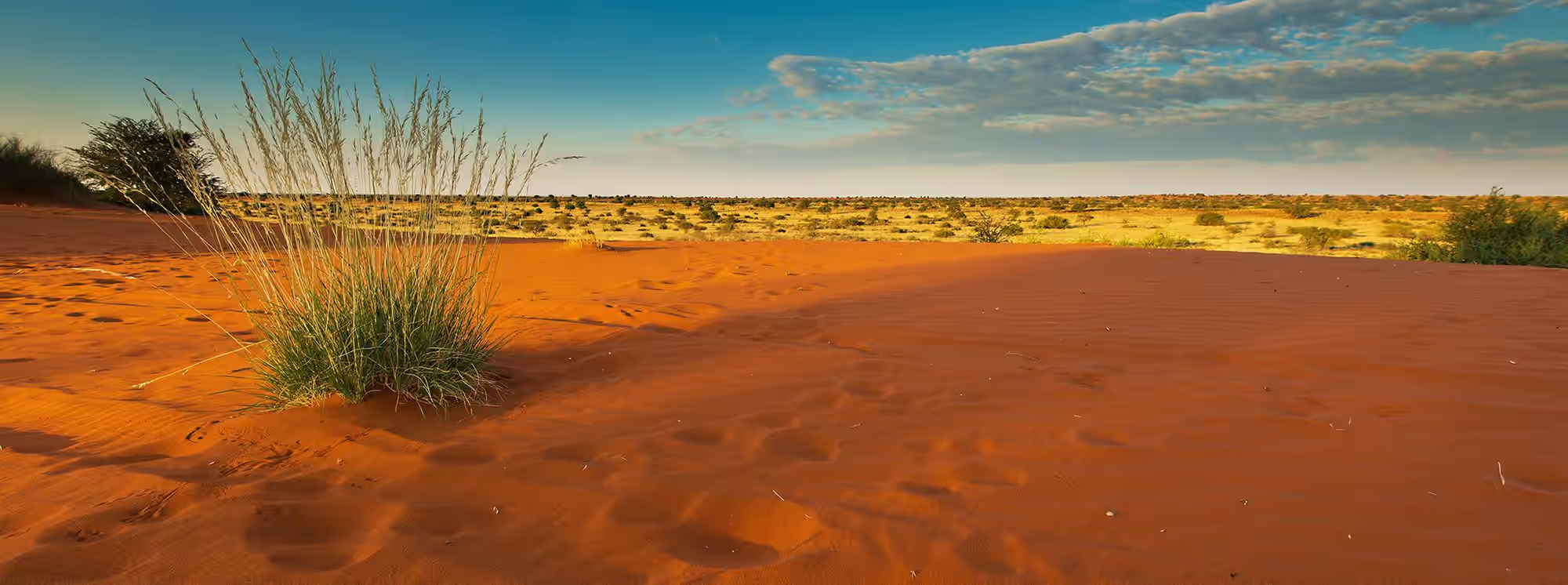
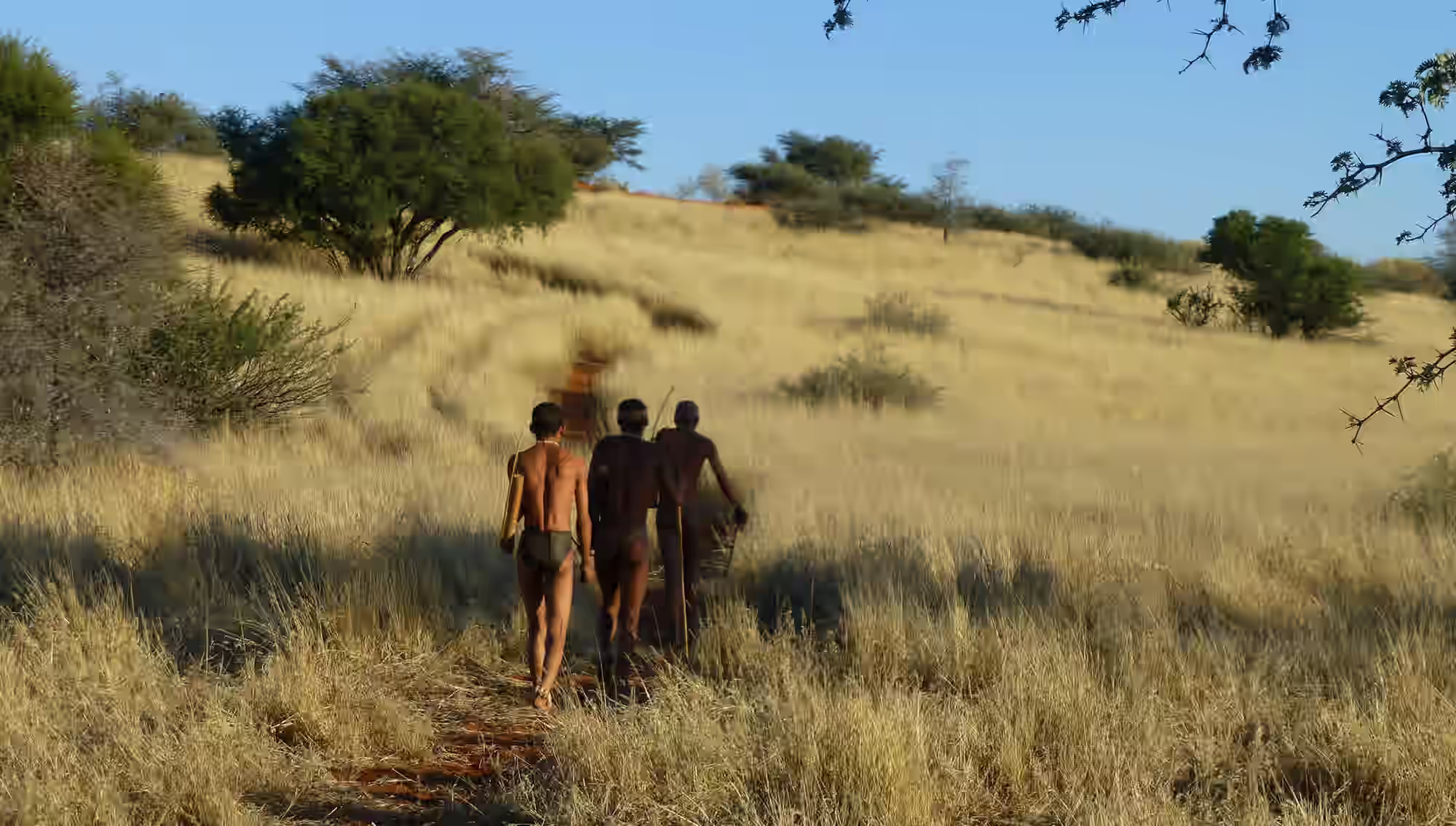
Spanning much of eastern Namibia and extending into Botswana and South Africa, the Kalahari is part of the largest continuous stretch of sand on Earth. In Namibia, the region is defined by long, parallel red dunes—known as "linear dunes"—stabilized by desert grasses and acacia trees. Because it receives more rainfall than the Namib, the Kalahari isn't a true desert but rather a semi-arid savanna. It is the ancestral home of the San (Bushmen) people, whose profound knowledge of the land’s flora and fauna remains a central part of the region’s cultural identity. Visitors come here for the quiet solitude, the deep orange sunsets, and the unique chance to track wildlife in an endless sea of red sand.

Explore on Map

Popular Safaris in Kalahari Region (Namibia)
10-Day Classic Namibia Self-Drive Safari
10 Days

10-Day Classic Namibia Self-Drive Safari

From

$5,623.00

Where to Stay

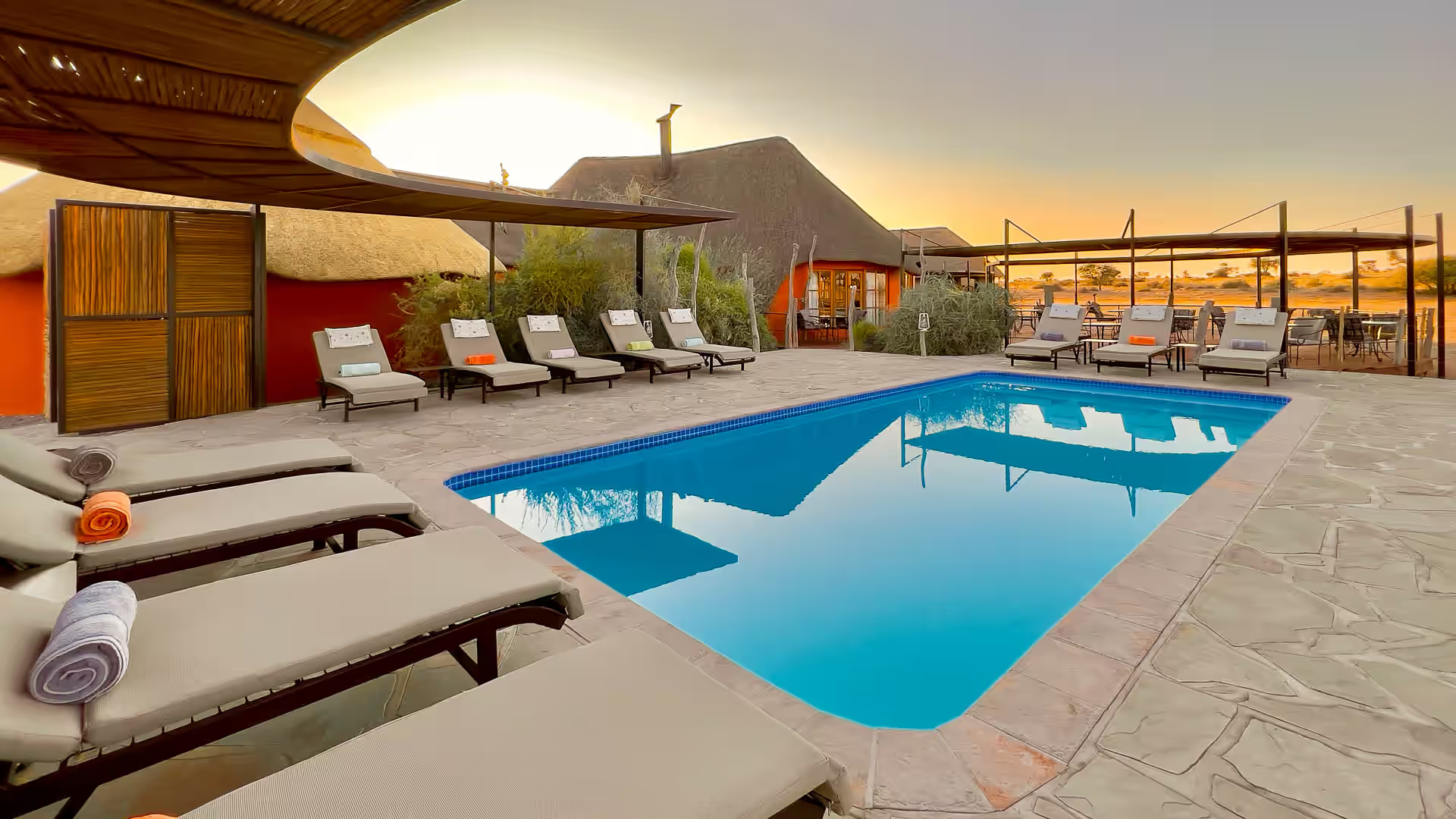
 Kalahari Red Dunes Lodge
4

Lodge

Kalahari Red Dunes Lodge

Explore Property

Iconic Highlights

1

Linear Red Dunes: Stunning parallel ridges of sand that provide a dramatic backdrop for photography, especially at dusk.

2

San Cultural Experiences: Guided walks with San trackers to learn about traditional hunting, gathering, and desert survival.

3

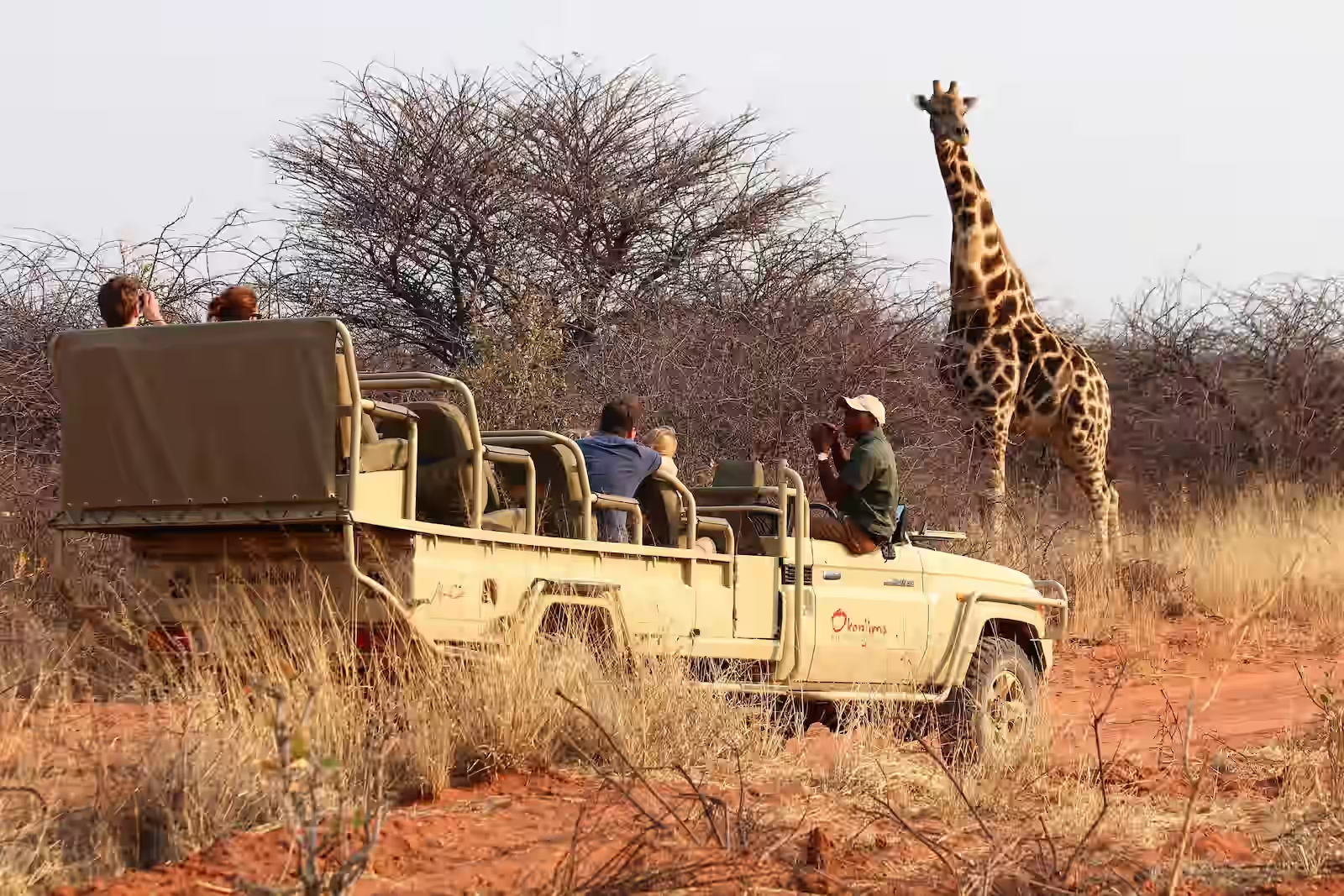
The Kalahari Game Drive: Exploring private reserves that offer high concentrations of game against the vibrant red sand.

4

Quiver Tree Forests: Iconic succulent trees (Aloidendron dichotomum) that dot the landscape toward the southern edges of the region.

5

Meerkats: Several lodges offer the chance to observe habituated meerkat colonies in their natural environment.

Climate & When to Visit

Best Time to Visit

Jan
Feb
Mar
Apr
May
Jun
Jul
Aug
Sep
Oct
Nov
Dec

Monthly Averages

MonthTemp HighTemp LowRainfall
Apr27°C--°C-- mm
Aug24°C--°C-- mm
Dec33°C--°C-- mm
Feb32°C--°C-- mm
Jan33°C--°C-- mm
Jul21°C--°C-- mm
Jun21°C--°C-- mm
Mar30°C--°C-- mm
May24°C--°C-- mm
Nov32°C--°C-- mm
Oct31°C--°C-- mm
Sep28°C--°C-- mm

Travel Requirements

  • Access: The Kalahari is easily accessible from Windhoek via well-maintained gravel or tar roads (B1 or C15).

  • Vehicle: A 2WD is sufficient for the main roads, but a high-clearance vehicle or 4x4 is recommended for driving within private reserves or deeper sand tracks.

  • Visa: Standard Namibia entry requirements apply (Visa on Arrival or E-visa for most Western nations as of 2026).

  • Health: Generally a low-risk malaria area, but precautions are advised during the wet summer months (Jan–March).

  • Frequently Asked Questions

    Is the Kalahari a "real" desert?
    Technically, much of it is a semi-desert or "thirstland." Because it has a higher rainfall than the Namib, it supports more trees and grasses, preventing the dunes from shifting.
    Where is the best place to stay in the Kalahari?
    Most visitors stay in private game reserves near Mariental or Stampriet, which offer luxury lodges and guided activities like sundowner drives and bush walks.
    Can I see the "Big Five" in the Kalahari?
    You will likely see Lions and Leopards, and occasionally Rhinos in private reserves, but Elephant and Buffalo are generally not found in the Namibian Kalahari due to the lack of permanent surface water.

    Ready to Explore?

    Dest Type

    National Park

    Status

    Entry Permits Required

    Need Expert Advice?

    Speak with a Safari Specialist

    Learn More