
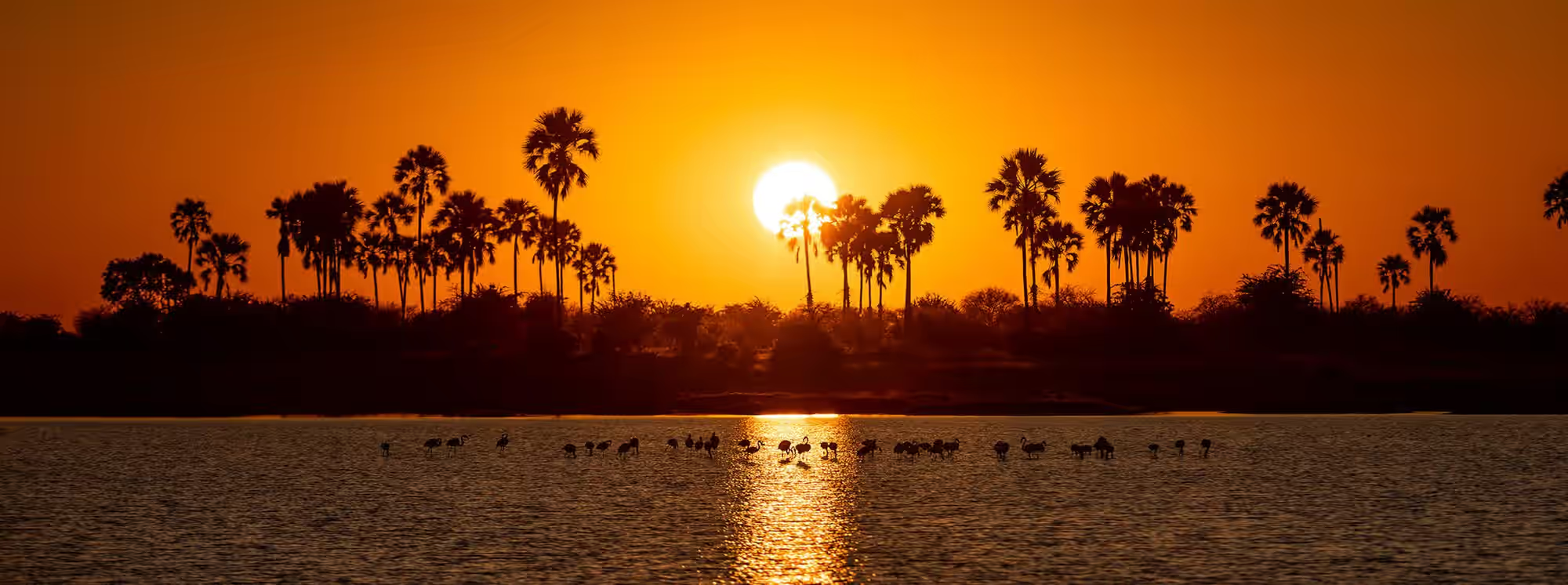
Experience Makgadikgadi Pans National Park
The Makgadikgadi Pans are the remnants of an ancient
super-lake — Lake Makgadikgadi — which is estimated to have been larger than
Switzerland before it dried up some 10,000 years ago. Today, the pans represent
one of the world's most otherworldly landscapes: vast, flat expanses of cracked
salt and soda ash extending to the horizon in every direction, where mirages
shimmer and the silence is absolute.
The Makgadikgadi Pans National Park (2,600 sq km) encompasses
the western portion of this extraordinary basin, adjacent to the Ntwetwe Pan.
It protects a diversity of ecosystems beyond the pans themselves, including
palm-studded grasslands, mopane scrub, and riverine vegetation along the Boteti
River on the park's western boundary. The Boteti River, which flows
intermittently from the Okavango, is a critical dry-season refuge for wildlife,
drawing massive herds of zebra and wildebeest.
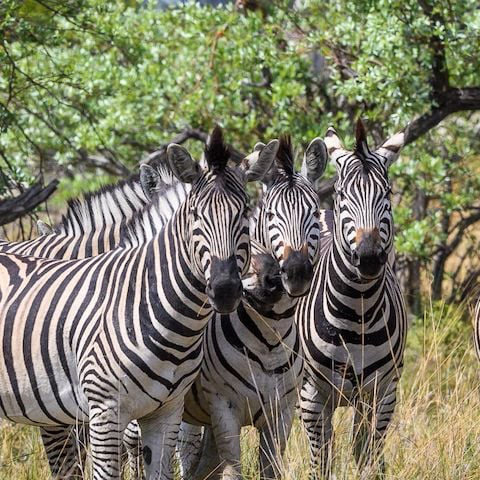
The Makgadikgadi is famous for one of Africa's great wildlife
spectacles — the annual zebra migration, described as the second-largest in
Africa after the Serengeti's wildebeest migration. When the rains come
(November to April), tens of thousands of Burchell's zebra and wildebeest flood
onto the nutrient-rich grasses of the pans' edges. Lions, cheetahs, and wild
dogs follow in their wake, creating extraordinary predator-prey interactions.
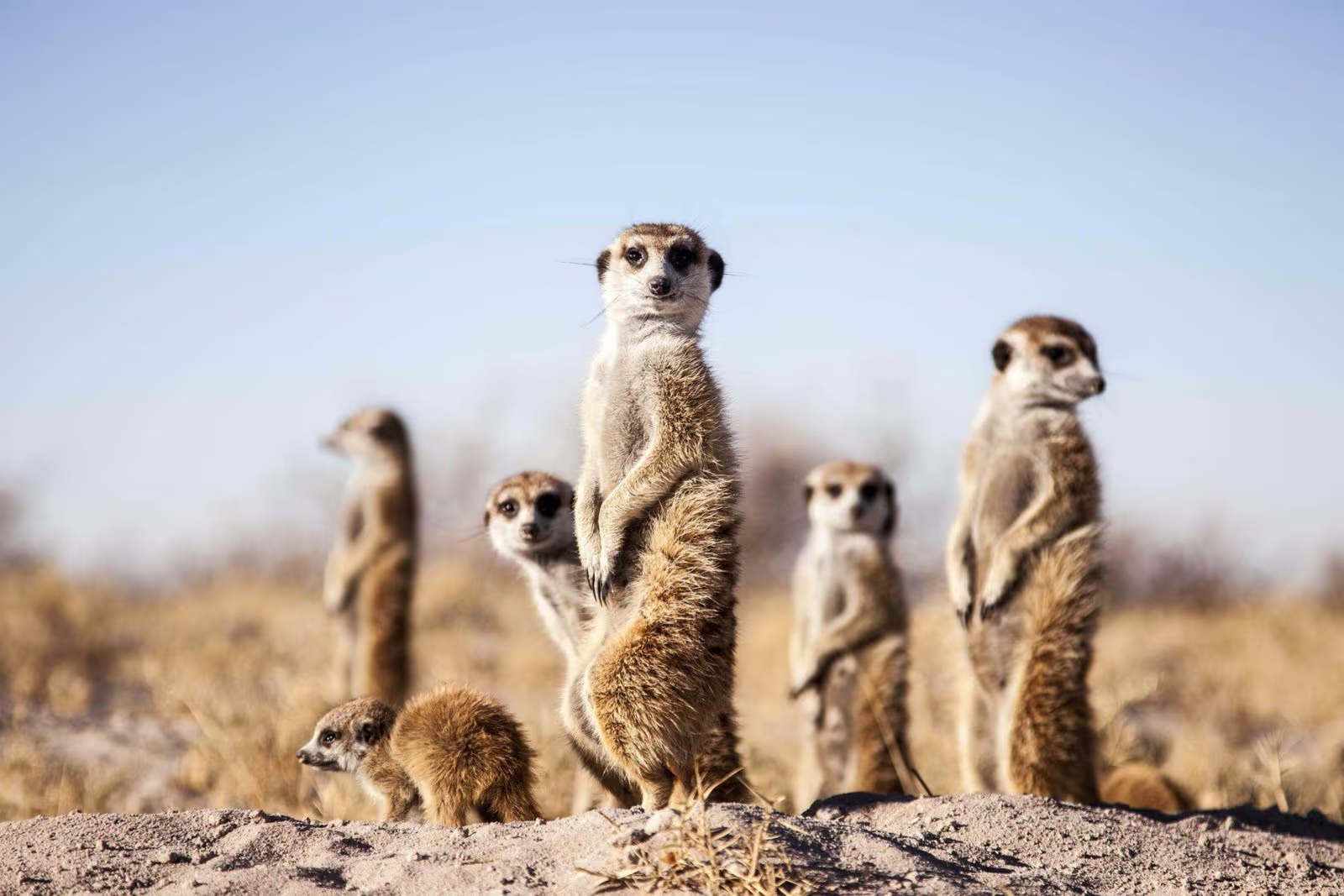
The park is also an exceptional destination for meerkats, with
several habituated meerkat families near San Island that visitors can observe
at sunrise as they emerge to warm themselves. The Makgadikgadi's vast open
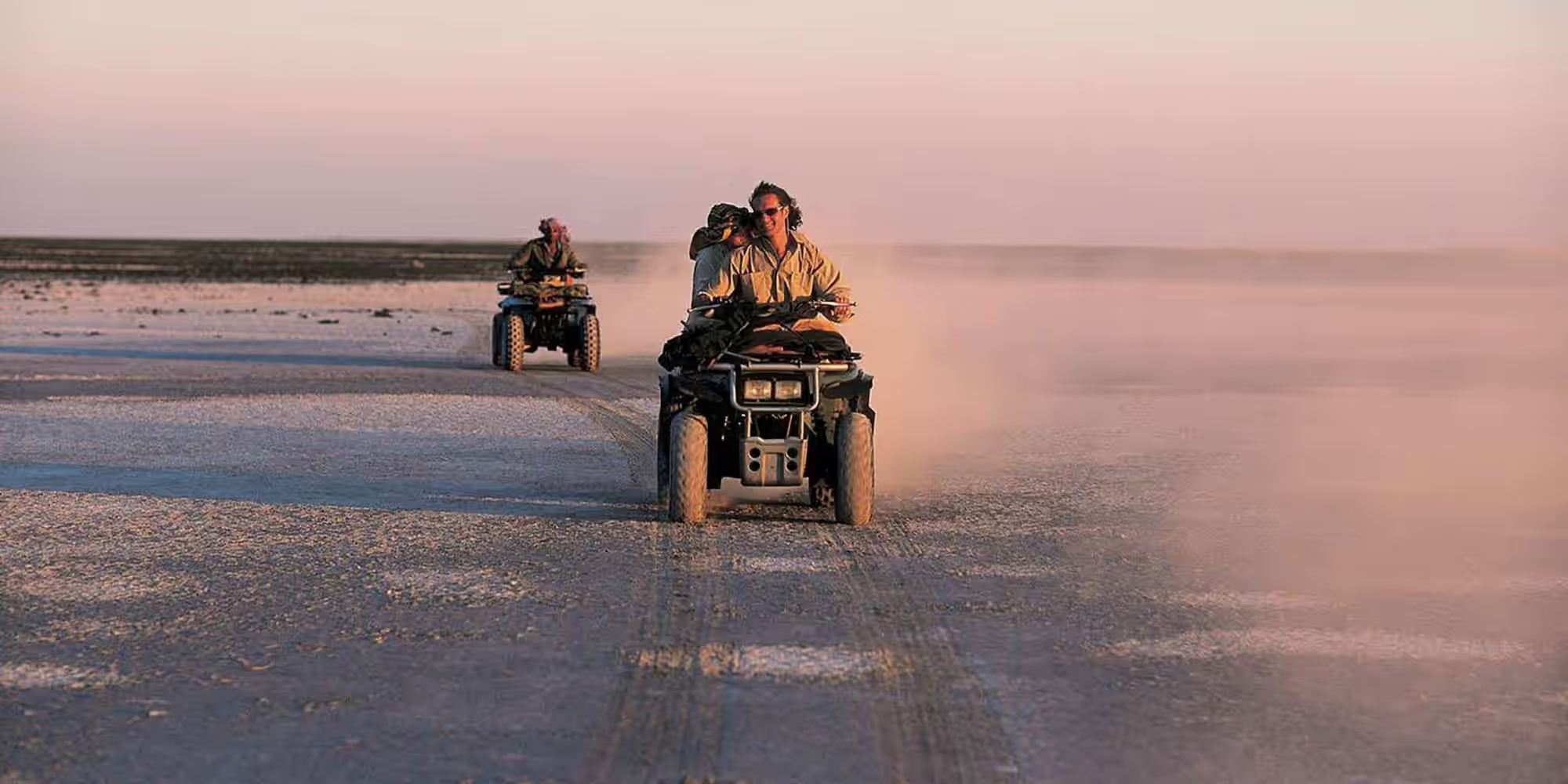
spaces also make it one of the best places in southern Africa for quad biking
on the salt pans and riding horses through floodplains.
Explore on Map
Things to Do
Iconic Highlights
• One of the world's largest salt flat systems — a stunning, surreal landscape
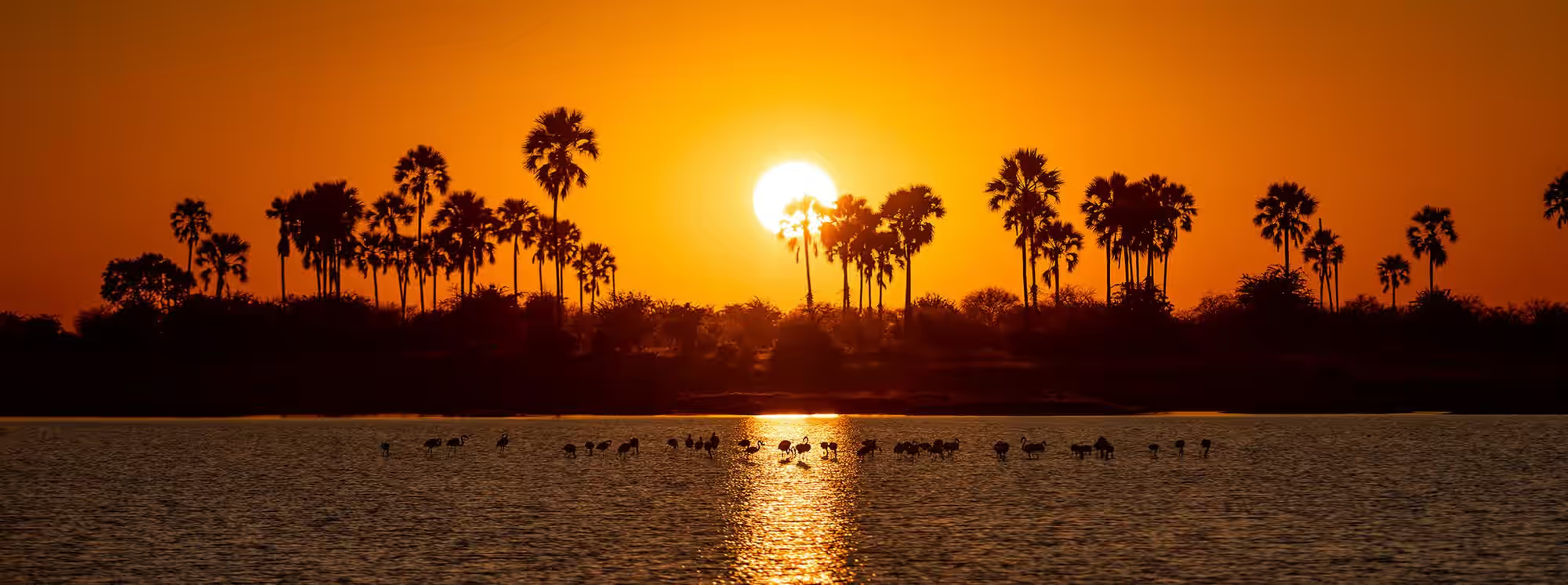
• Massive flamingo concentrations during the wet season
• Africa's second-largest zebra migration along the Boteti River
• Habituated meerkat families for up-close encounters at sunrise
• Unique activities: quad biking on salt pans and horse riding
• Spectacular sunsets and outstanding astrophotography opportunities
Wildlife & Nature
Lion
Leopard
Cheetah
Giraffe
Zebra
Wildebeest
Flamingo
Photo Gallery
Climate & When to Visit
Best Time to Visit
Monthly Averages
| Month | Temp High | Temp Low | Rainfall |
|---|---|---|---|
| Apr | 28°C | --°C | -- mm |
| Aug | 28°C | --°C | -- mm |
| Dec | 31°C | --°C | -- mm |
| Feb | 34°C | --°C | -- mm |
| Jan | 33°C | --°C | -- mm |
| Jul | 20°C | --°C | -- mm |
| Jun | 20°C | --°C | -- mm |
| Mar | 33°C | --°C | -- mm |
| May | 24°C | --°C | -- mm |
| Nov | 31°C | --°C | -- mm |
| Oct | 30°C | --°C | -- mm |
| Sep | 30°C | --°C | -- mm |
Travel Requirements
- Valid passport with at
least 6 months validity beyond travel dates
- Visa-free entry for most
nationalities; check requirements for your country
- Yellow fever vaccination
certificate required if travelling from endemic countries
- Park entry fees payable in
USD or Botswana Pula at park gates
5. Valid passport with at least 6 months validity
6. Park entry fees required — payable at South
Gate or North Gate
7. 4WD vehicle essential for self-drive; roads
flood during the wet season
8. Booking permits required for camping at
Third Bridge and Xakanaxa
- Valid passport with
minimum 6 months validity beyond travel dates
- Travel insurance strongly
recommended; medevac cover essential for remote camps