
Experience Mikumi National Park
Explore Mikumi National Park: Tanzania's Accessible Wilderness Gem
Nestled between the Udzungwa Mountains and the Selous Game Reserve, Mikumi National Park is one of Tanzania's most accessible and rewarding safari destinations. Covering an area of approximately 3,230 square kilometers, Mikumi offers a captivating blend of open Mkata Floodplain grasslands reminiscent of the Serengeti, bordered by mountains and miombo woodlands. Its proximity to Dar es Salaam makes it an ideal choice for shorter safari adventures without compromising on the quality of wildlife viewing.
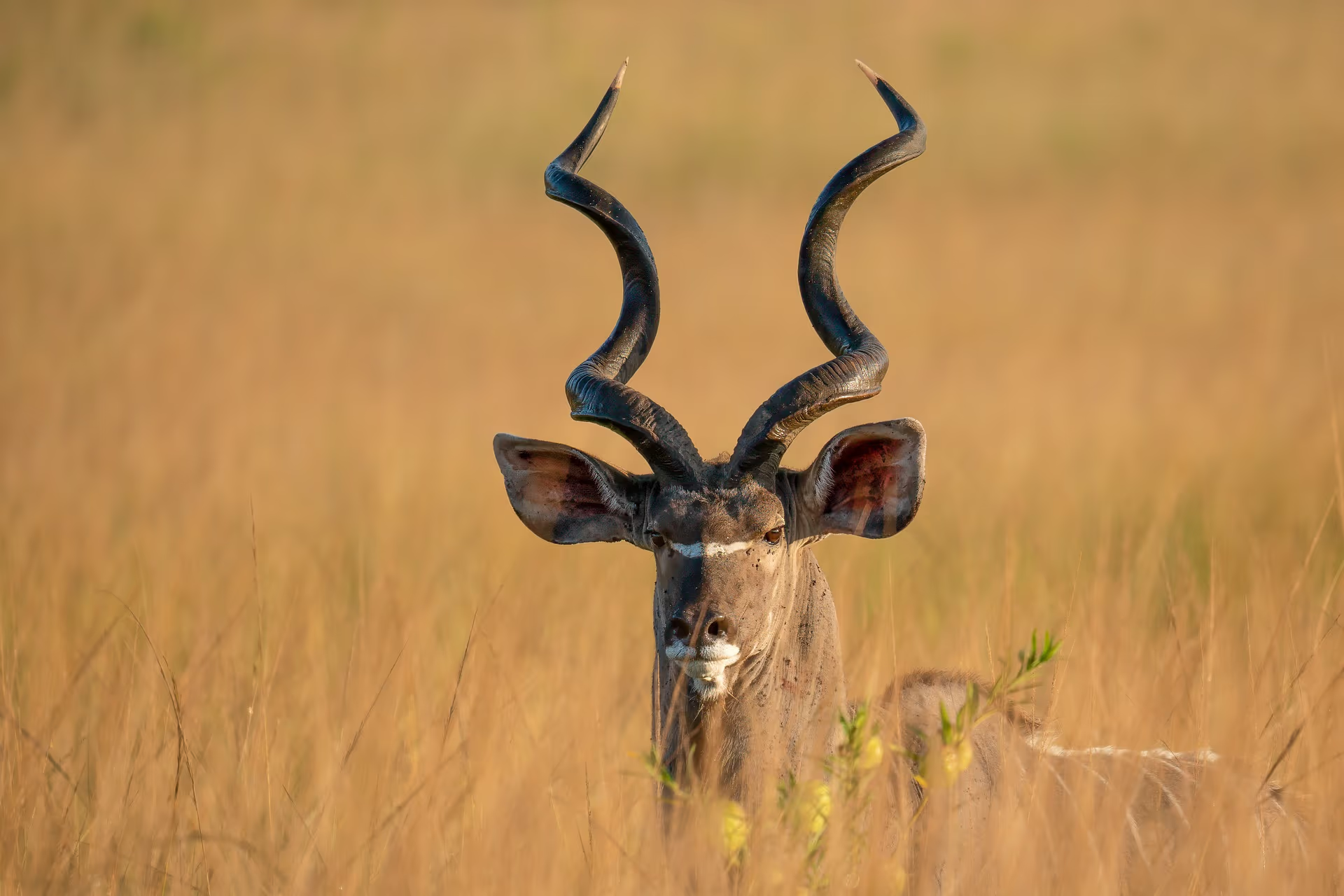
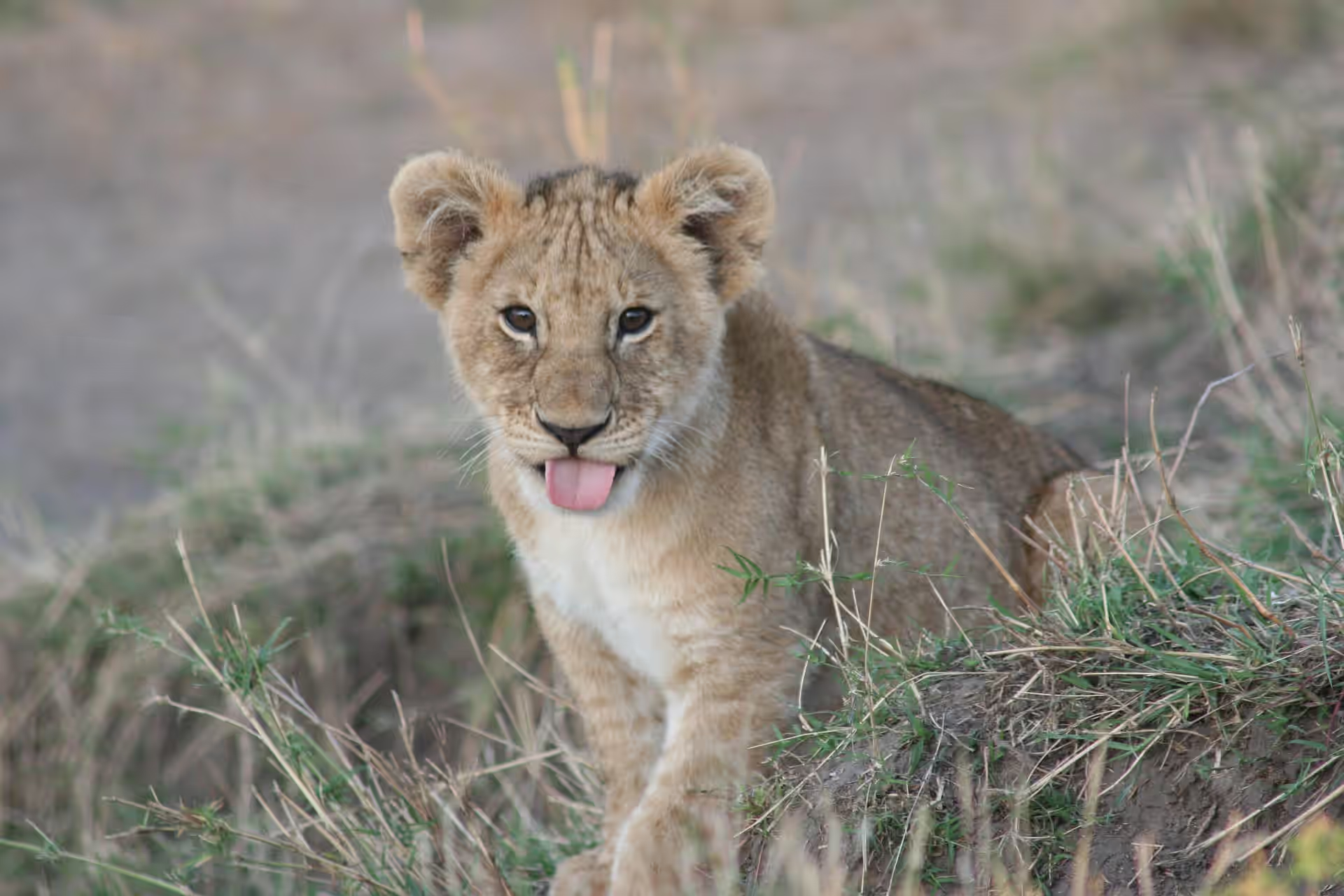
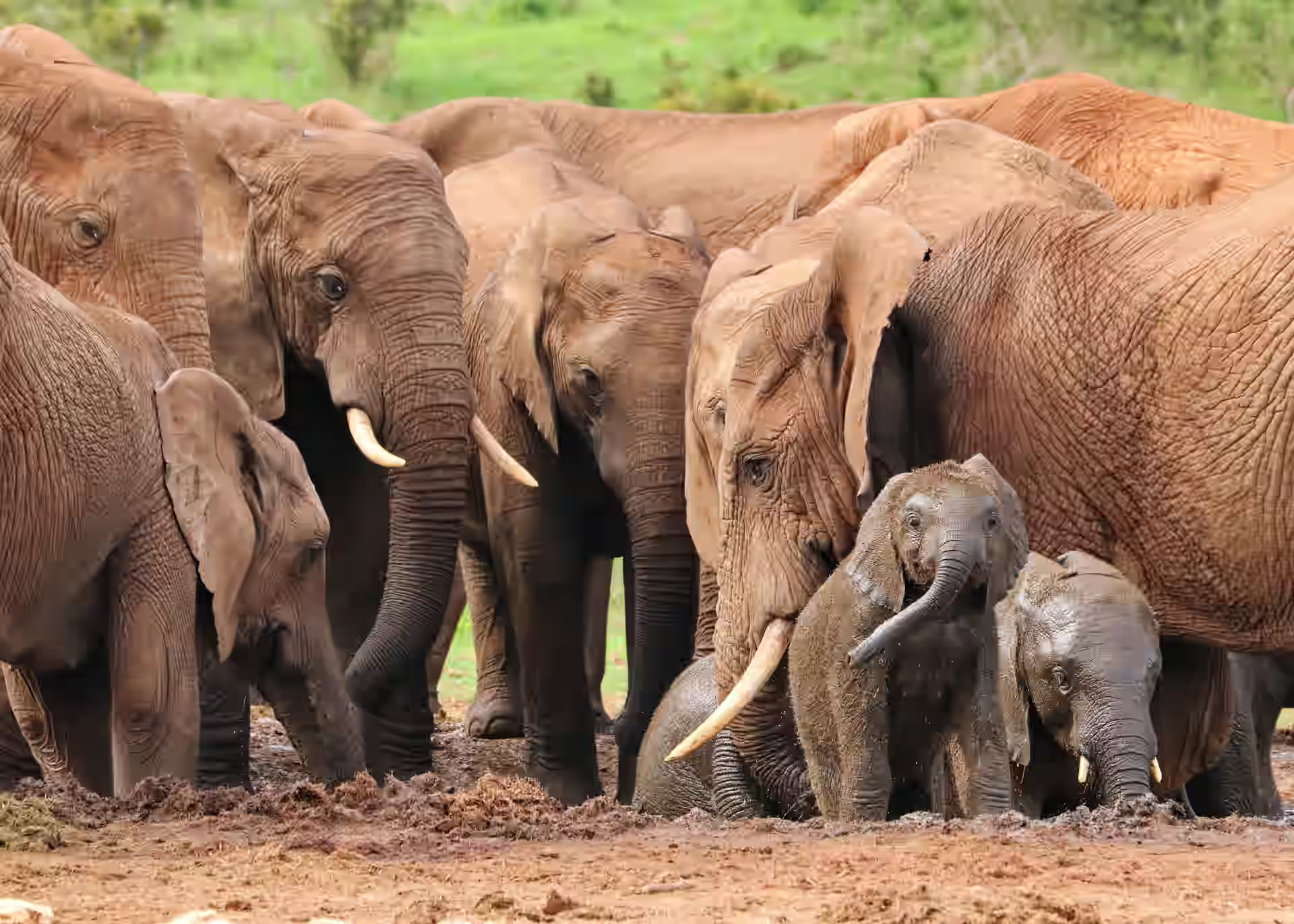
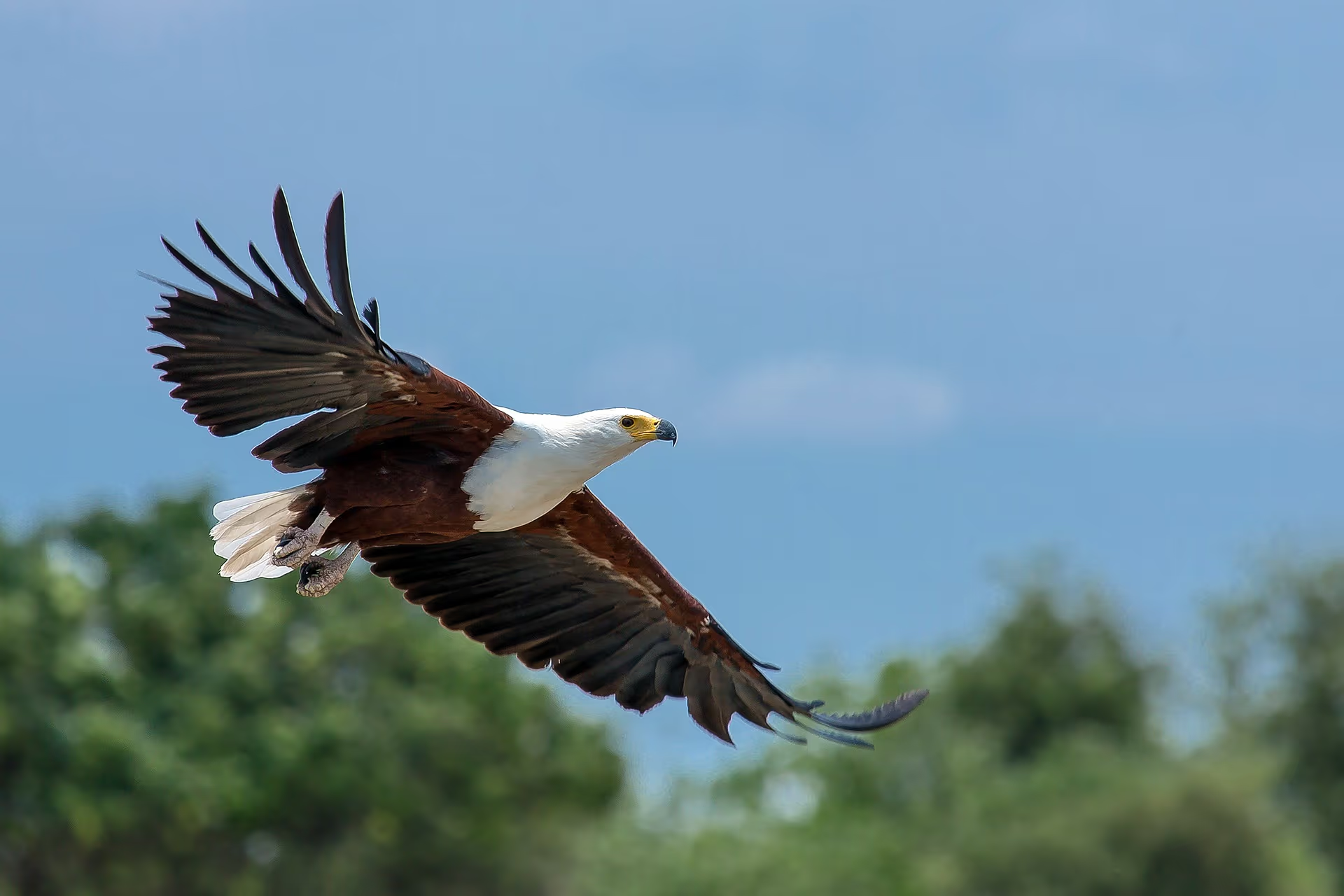
The park is famous for its large populations of elephants, giraffes, zebras, buffaloes, and wildebeest, which frequently gather around the waterholes, especially during the dry season. Predators such as lions are commonly sighted, often perched on termite mounds surveying their domain, while leopards and wild dogs, though more elusive, also inhabit the park. Birdwatchers will be enthralled by over 400 species, including numerous migratory birds, making it a vibrant avian paradise.
A safari in Mikumi promises thrilling game drives through diverse habitats, offering excellent photographic opportunities. The Mkata Plain, with its iconic baobab trees and palm savannah, provides expansive views and easy spotting of game. Visitors can also explore the hippo pools, teeming with these magnificent creatures and a myriad of water birds. Mikumi serves as a vital ecosystem, linking the larger Selous Game Reserve with the Udzungwa Mountains, forming a crucial part of the larger Selous ecosystem.
Explore on Map
Things to Do

Where to Stay
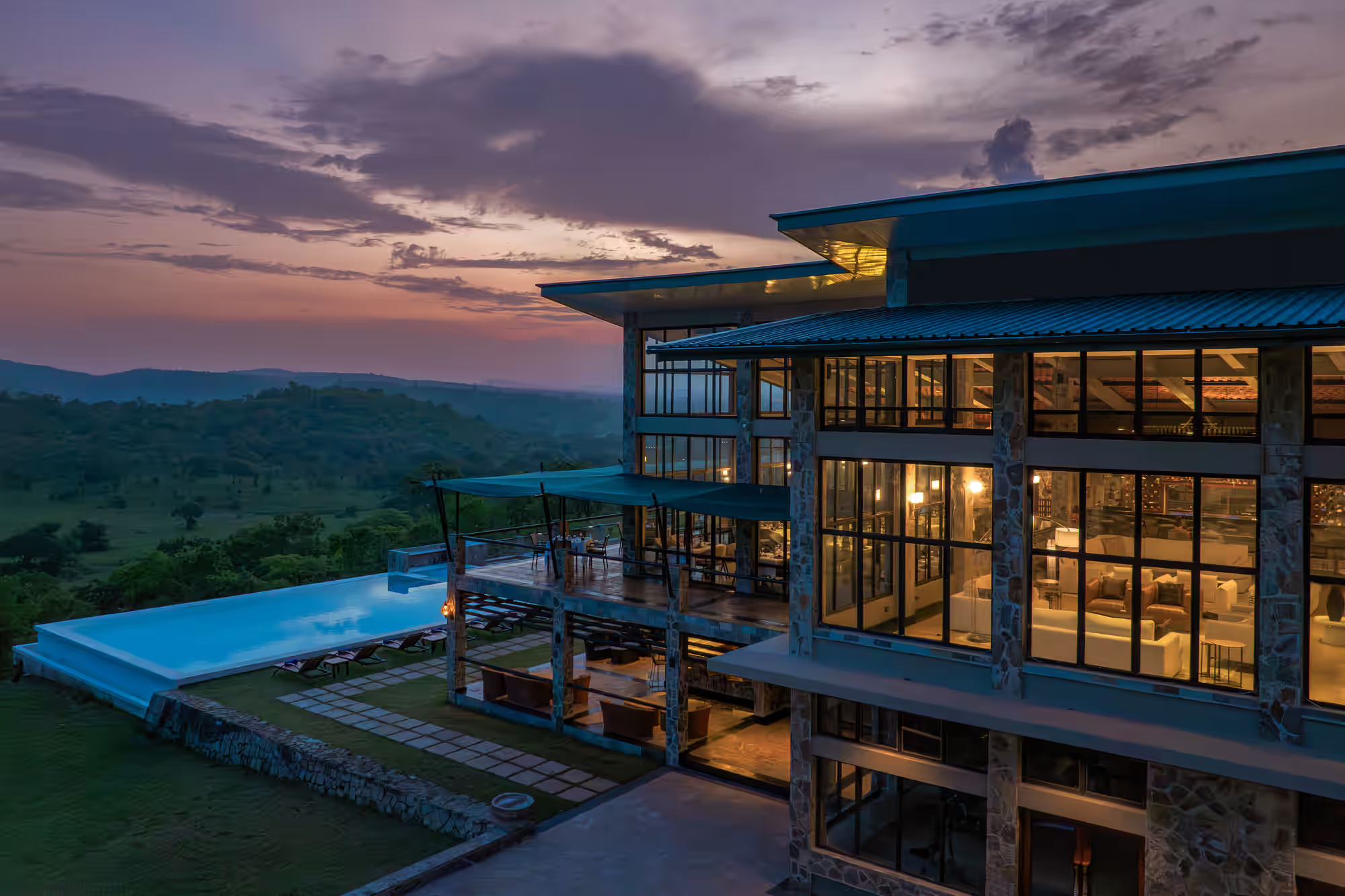
Iconic Highlights
Witness large herds of elephants, giraffes, buffaloes, and zebras on the Mkata Floodplain.
Excellent opportunities for spotting lions, often lounging on termite mounds.
Rich birdlife with over 400 species, including vibrant migratory birds.
Explore the famous hippo pools, teeming with hippos and various water birds.
Scenic landscapes featuring baobab trees, palm savannahs, and mountain backdrops.
Accessible location from Dar es Salaam, ideal for shorter or extended safaris.
Wildlife & Nature
Lion
Elephant
Leopard
Buffalo
Cheetah
Giraffe
Wildebeest
Hippo
Wild Dogs
Photo Gallery
Climate & When to Visit
Best Time to Visit
“{}”
Climate Overview
Mikumi National Park experiences a tropical climate with two main seasons. The dry season (June to October) is characterized by warm to hot temperatures during the day (25-30°C / 77-86°F) and cooler nights. The wet season (November to May) brings heavy rainfall, higher humidity, and lush green landscapes, with occasional short dry spells. Temperatures during the wet season are generally higher, ranging from 28-32°C (82-90°F).
Monthly Averages
| Month | Temp High | Temp Low | Rainfall |
|---|---|---|---|
| Apr | 29°C | --°C | -- mm |
| Aug | 26°C | --°C | -- mm |
| Dec | 30°C | --°C | -- mm |
| Feb | 30°C | --°C | -- mm |
| Jan | 30°C | --°C | -- mm |
| Jul | 26°C | --°C | -- mm |
| Jun | 27°C | --°C | -- mm |
| Mar | 30°C | --°C | -- mm |
| May | 28°C | --°C | -- mm |
| Nov | 29°C | --°C | -- mm |
| Oct | 28°C | --°C | -- mm |
| Sep | 27°C | --°C | -- mm |