
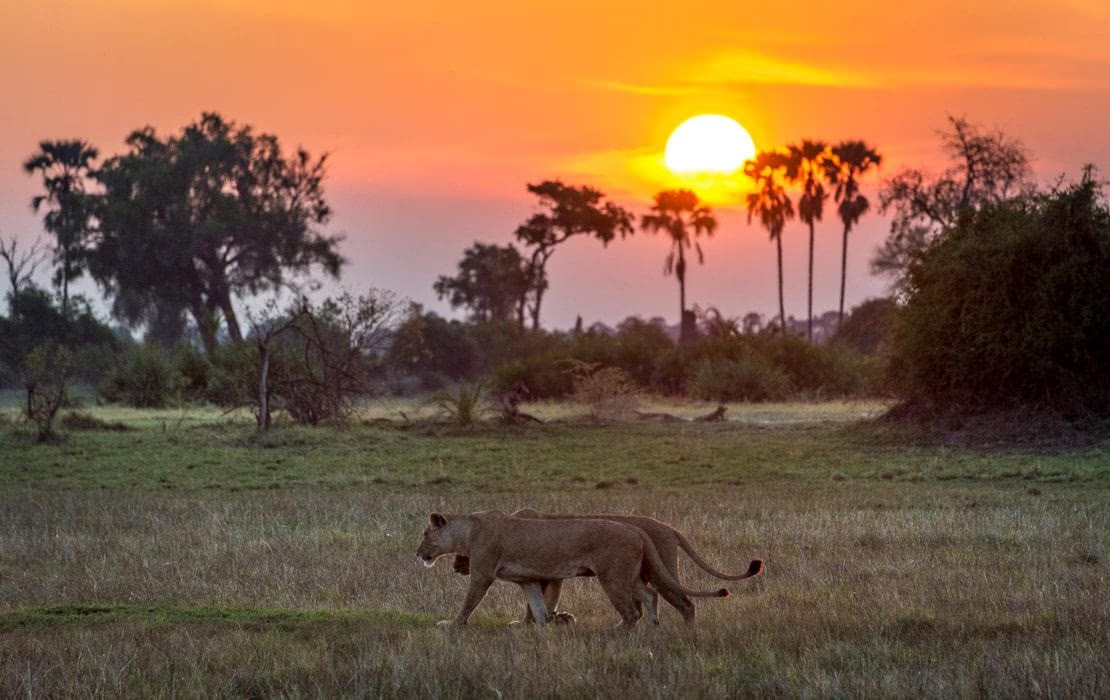
Experience Moremi Game Reserve
Moremi Game Reserve was established in 1963 by the Batawana
people, making it Africa's first reserve to be created by an indigenous
community on their own tribal land. Covering approximately 4,871 square
kilometres, it protects some of the most ecologically diverse and visually
stunning terrain on the continent, where the floodwaters of the Okavango Delta
meet open savanna and mopane woodland.
The reserve is divided into several distinct areas. Chief's
Island, the largest landmass in the delta and a year-round refuge for wildlife,
sits at the heart of Moremi and is accessible only by light aircraft or mokoro
(dugout canoe). The Third Bridge area, on the western edge, is beloved by
self-drive visitors for its stunning scenery and excellent predator activity,
while Xakanaxa Lagoon is a birding hotspot of international renown.
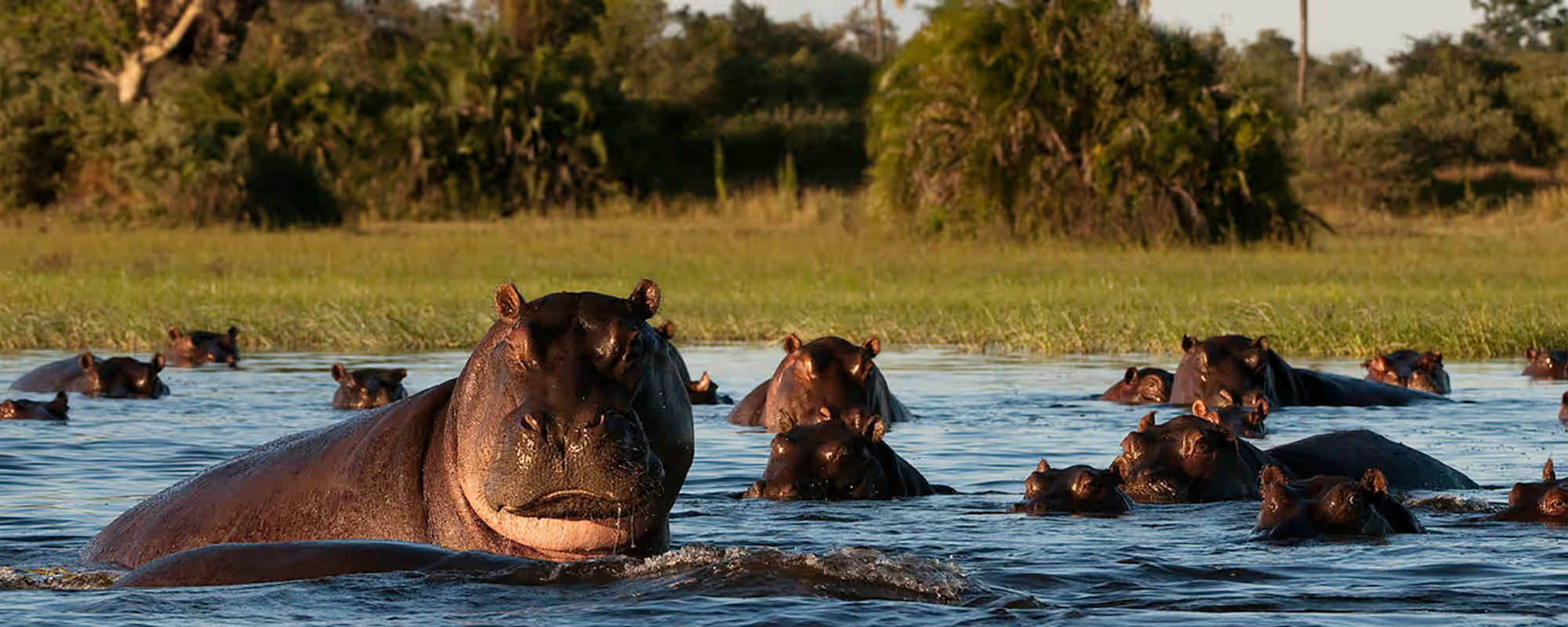
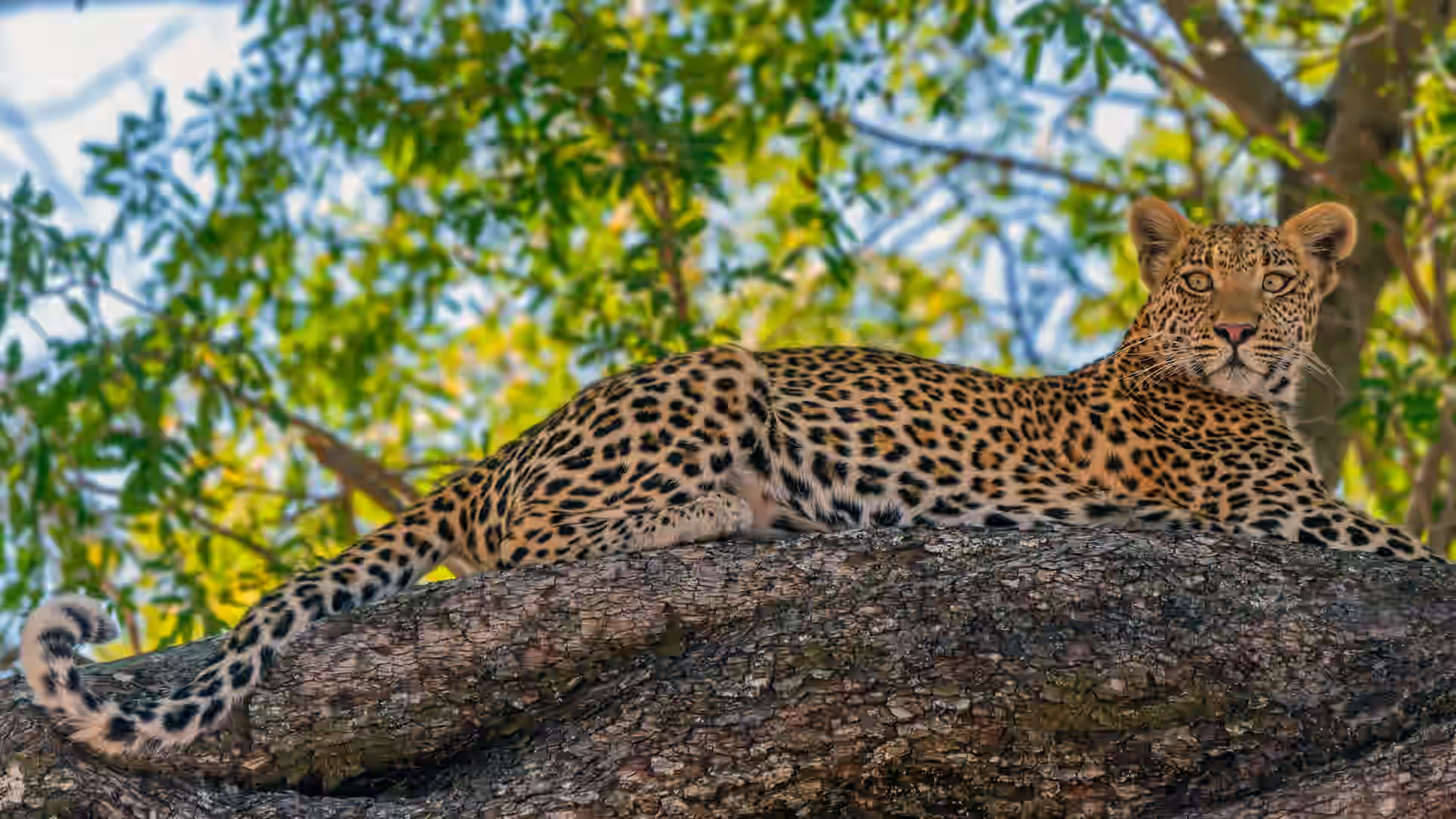
Wildlife densities in Moremi are exceptional. The reserve is
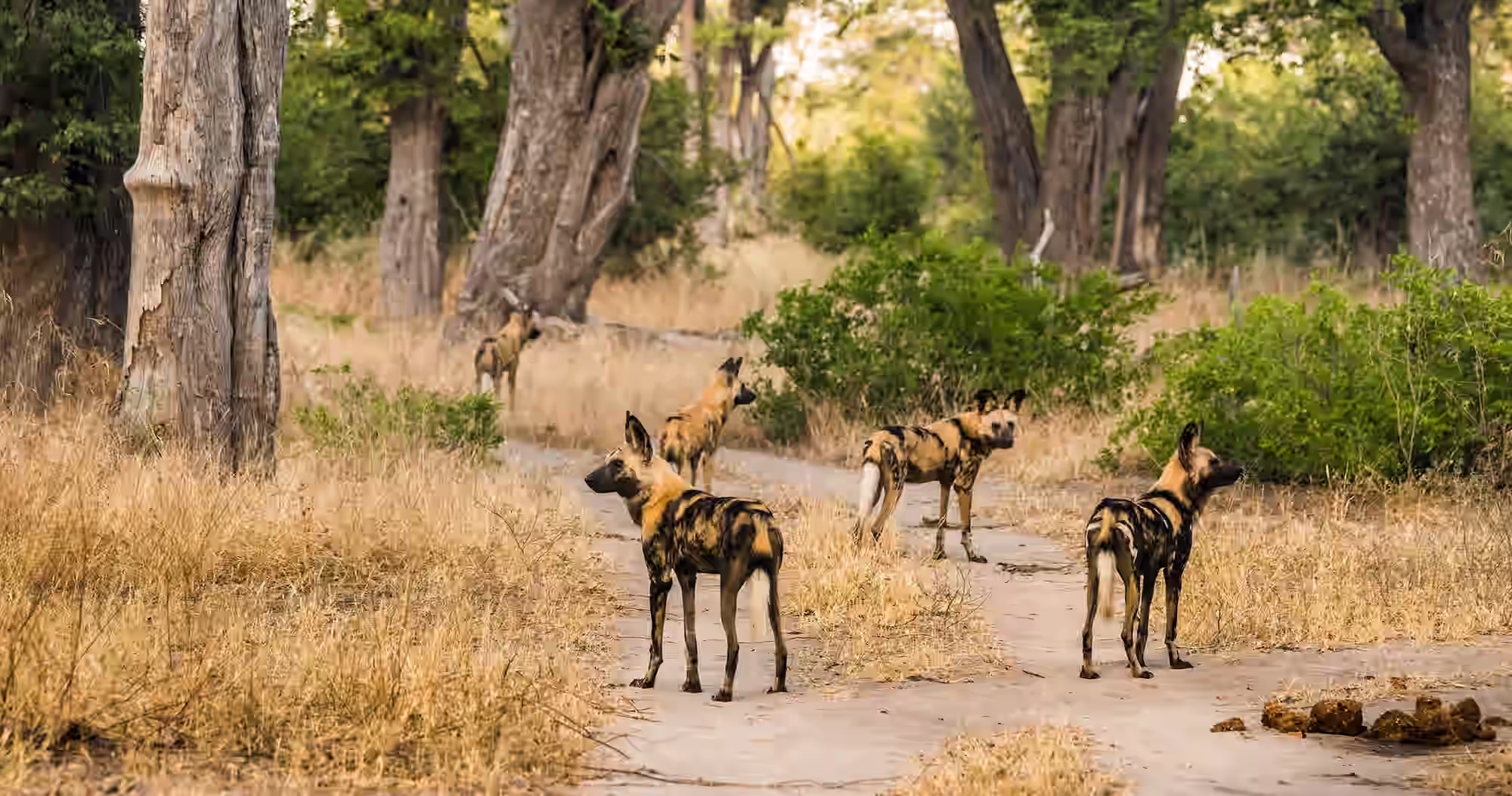
home to substantial populations of lion, leopard, African wild dog, cheetah,
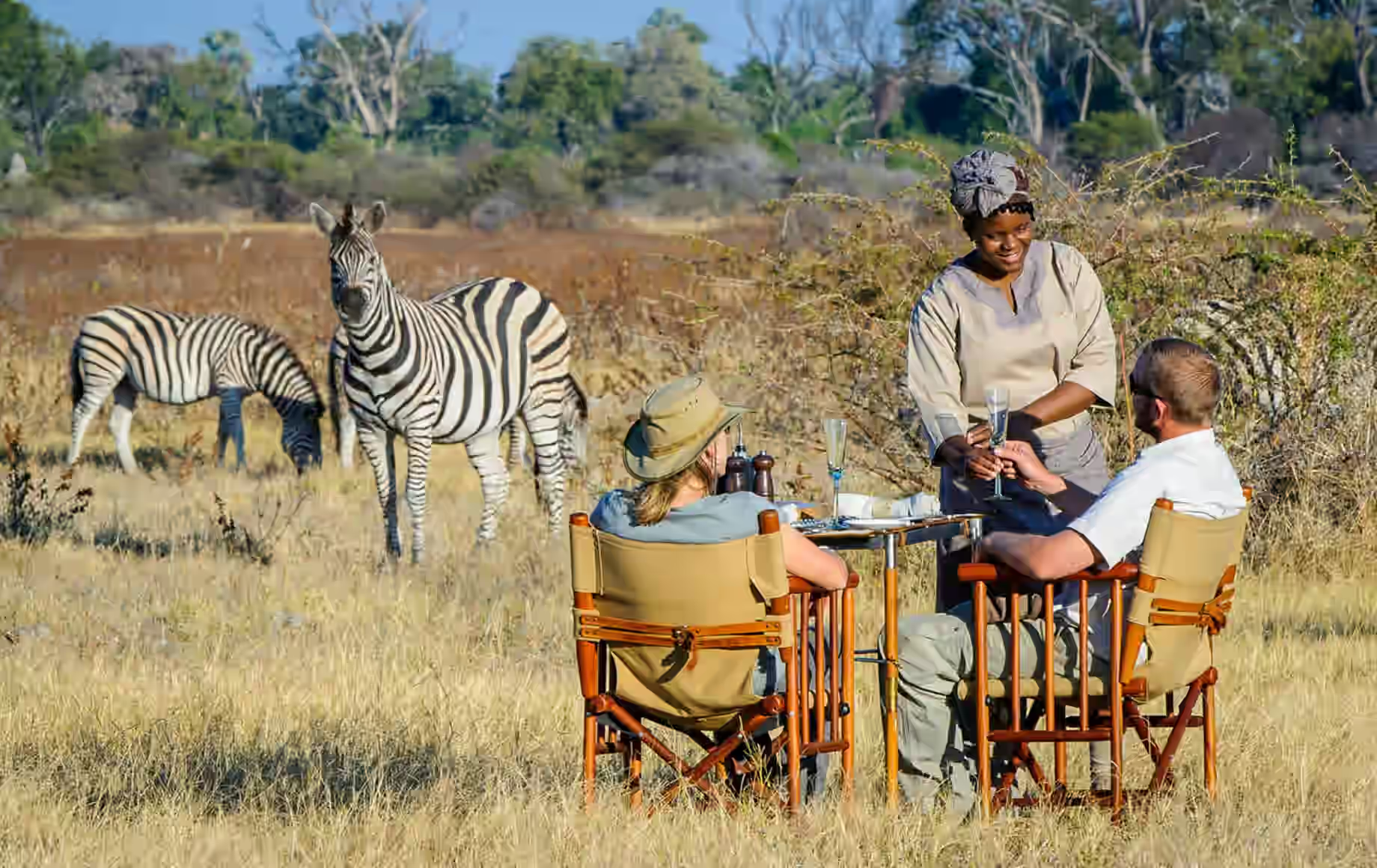
and spotted hyena. Large herds of buffalo, elephant, red lechwe, tsessebe, and
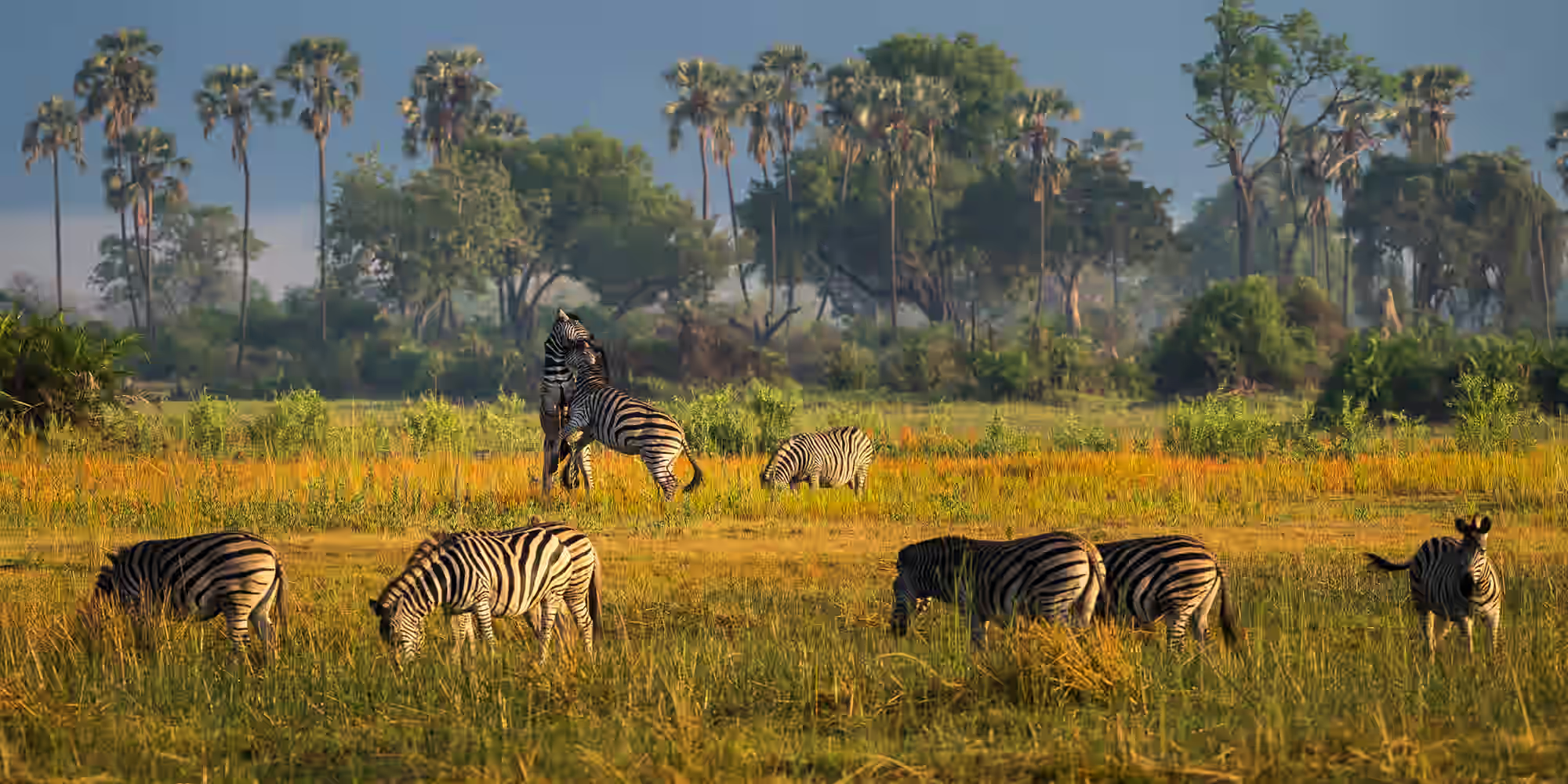
zebra gather on the floodplains, particularly during the dry season. Moremi is
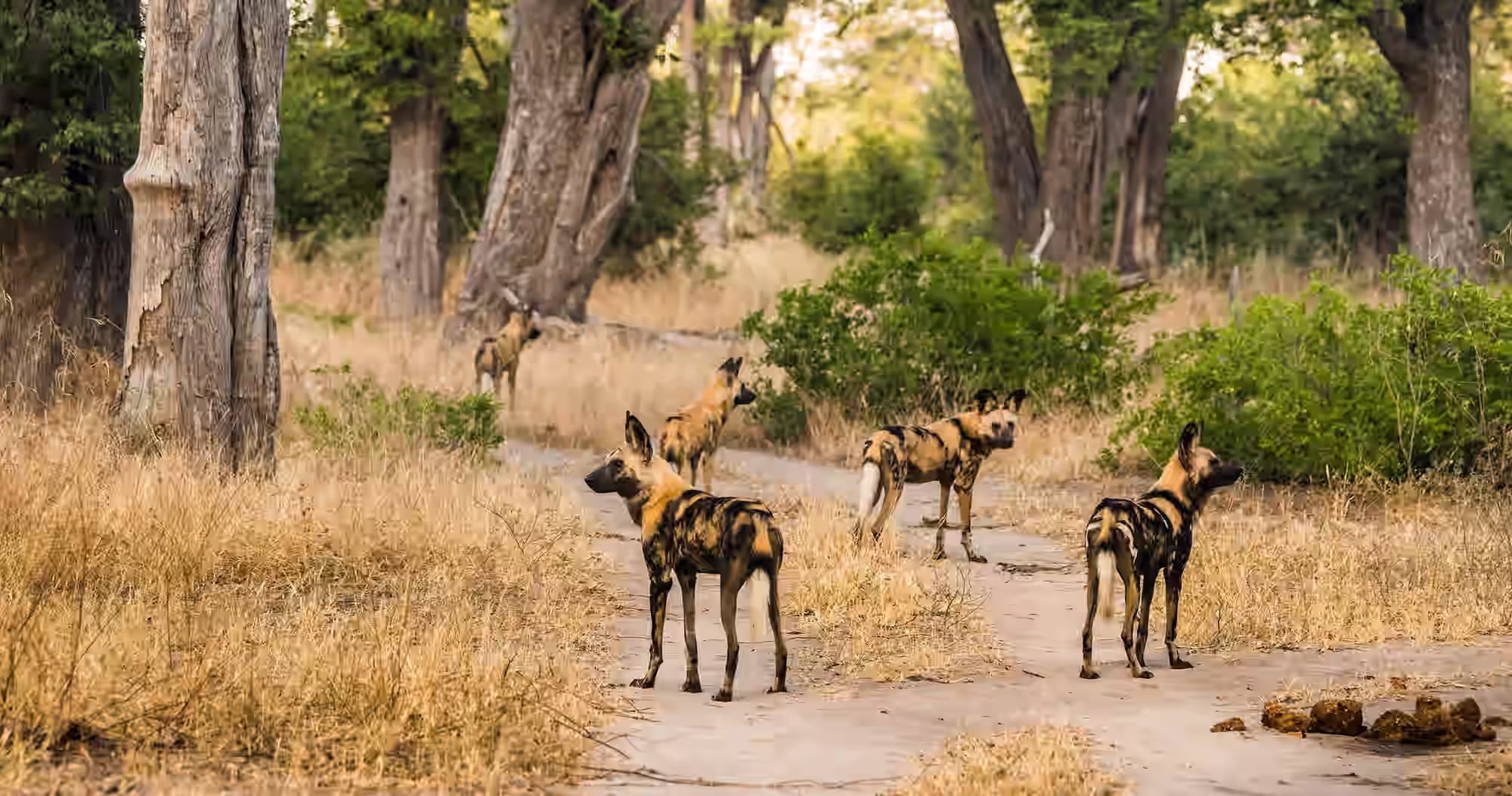
widely considered the best place in Africa to spot the endangered African wild
dog, with several well-habituated packs regularly seen in the reserve.
Activities include game drives, mokoro excursions through
papyrus-lined channels, motorboat trips across open lagoons, guided bush walks,
and birding safaris. The combination of land and water-based activities makes
Moremi uniquely versatile among African safari destinations.
Explore on Map
Popular Safaris in Moremi Game Reserve
Iconic Highlights
• One of Africa's best destinations for African wild dog sightings
• Stunning water and land safari combination via mokoro and 4WD
• Chief's Island — a wildlife haven accessible only by air or boat
• Exceptional big-five game viewing throughout the year
• Xakanaxa Lagoon: a world-class birdwatching destination
• Africa's first community-established game reserve — rich in conservation heritage
Wildlife & Nature
Lion
Elephant
Leopard
Buffalo
Cheetah
Giraffe
Zebra
Wildebeest
Hippo
Wild Dogs
Flamingo
Photo Gallery
Climate & When to Visit
Best Time to Visit
Monthly Averages
| Month | Temp High | Temp Low | Rainfall |
|---|---|---|---|
| Apr | 26°C | --°C | -- mm |
| Aug | 26°C | --°C | -- mm |
| Dec | 31°C | --°C | -- mm |
| Feb | 32°C | --°C | -- mm |
| Jan | 31°C | --°C | -- mm |
| Jul | 22°C | --°C | -- mm |
| Jun | 22°C | --°C | -- mm |
| Mar | 31°C | --°C | -- mm |
| May | 23°C | --°C | -- mm |
| Nov | 31°C | --°C | -- mm |
| Oct | 30°C | --°C | -- mm |
| Sep | 30°C | --°C | -- mm |
Travel Requirements
- Valid passport with at
least 6 months validity beyond travel dates
- Visa-free entry for most
nationalities; check requirements for your country
- Yellow fever vaccination
certificate required if travelling from endemic countries
- Park entry fees payable in
USD or Botswana Pula at park gates
5. Valid passport with at least 6 months validity
6. Park entry fees required — payable at South
Gate or North Gate
7. 4WD vehicle essential for self-drive; roads
flood during the wet season
8. Booking permits required for camping at
Third Bridge and Xakanaxa
- Valid passport with
minimum 6 months validity beyond travel dates
- Travel insurance strongly
recommended; medevac cover essential for remote camps