
Experience Okavango Delta
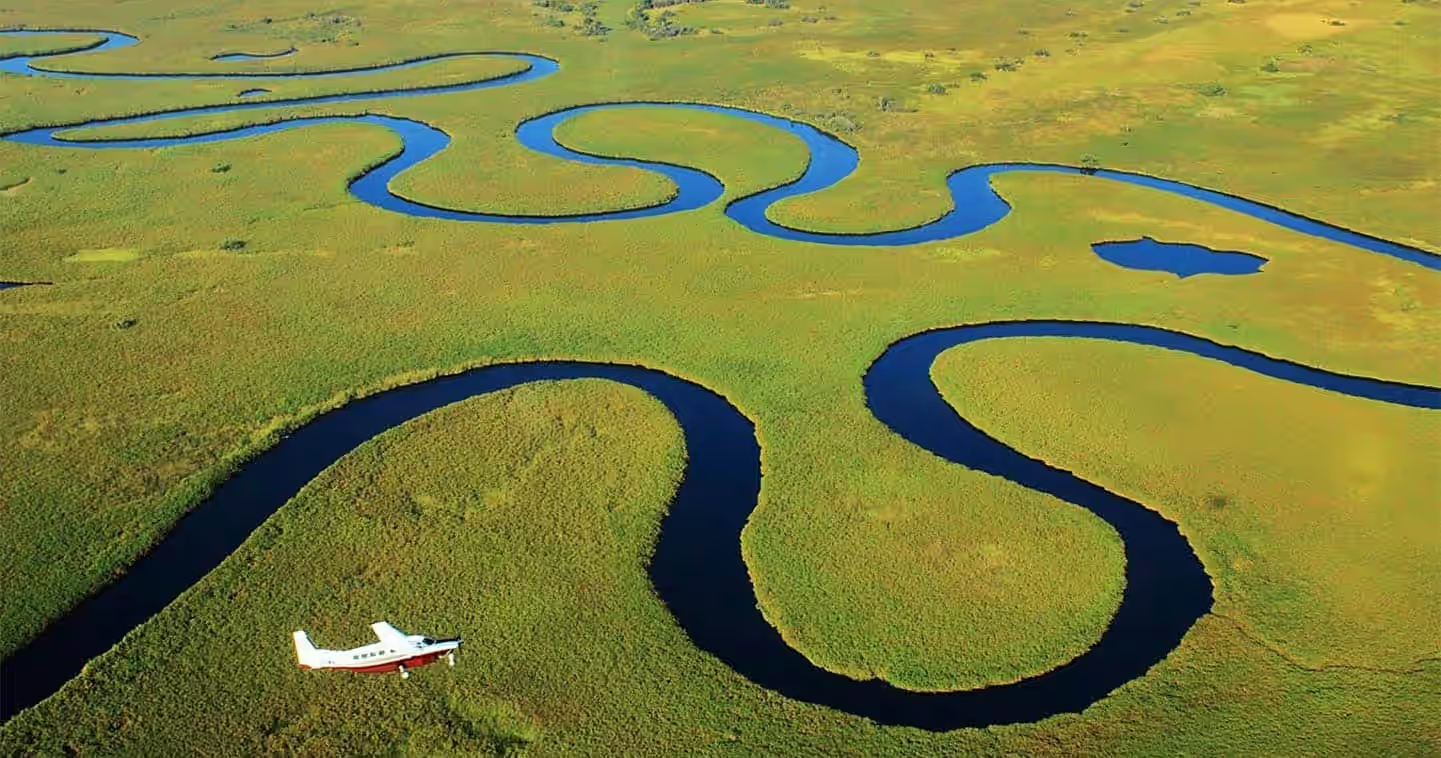
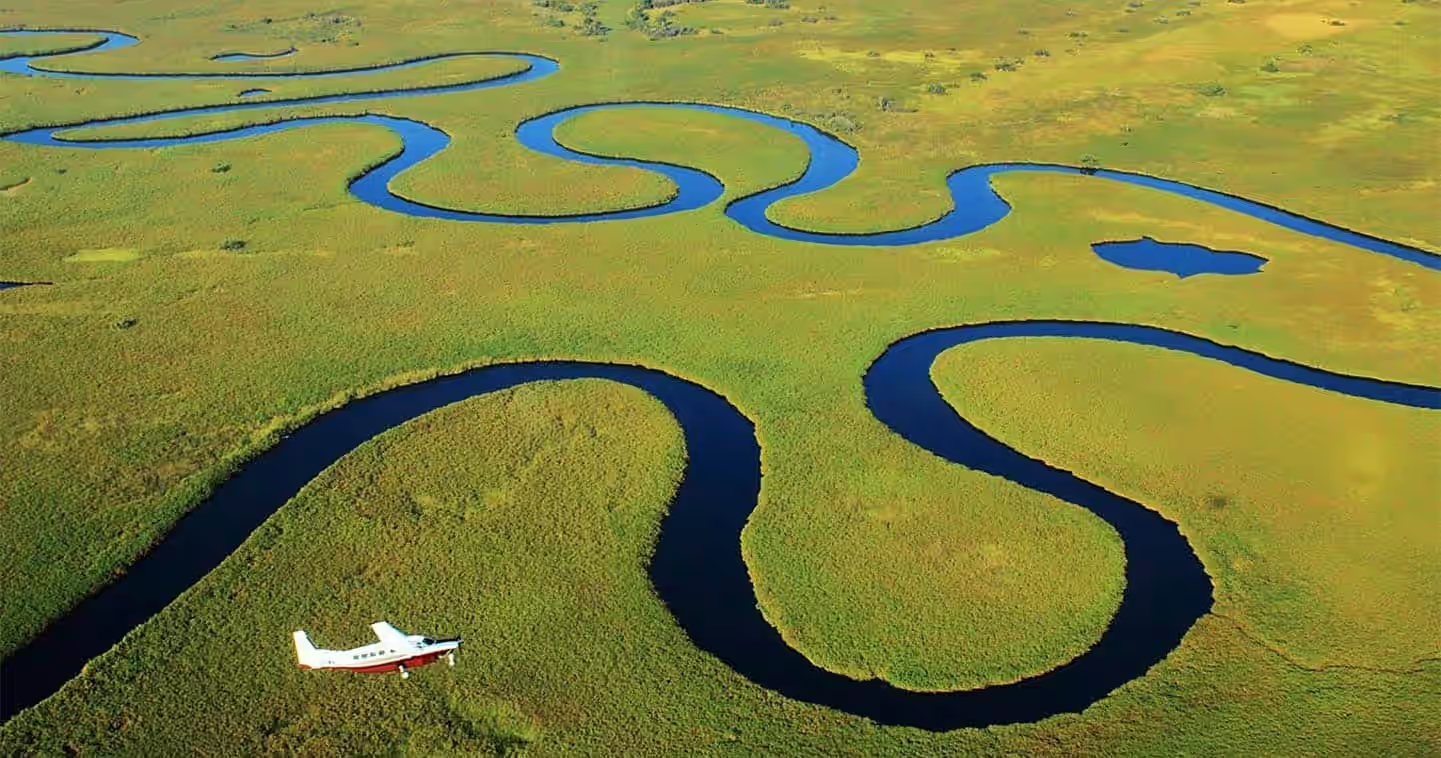
The Okavango Delta is formed by the Okavango River, which
flows southeast from Angola through Namibia's Caprivi Strip before spreading
out across the flat sands of northern Botswana in a vast, fan-shaped delta.
Unlike most deltas, the Okavango never reaches the sea — its waters drain
inland, gradually disappearing into the sands and atmosphere of the Kalahari.
The result is an oasis of extraordinary ecological richness in one of the
world's most arid regions.
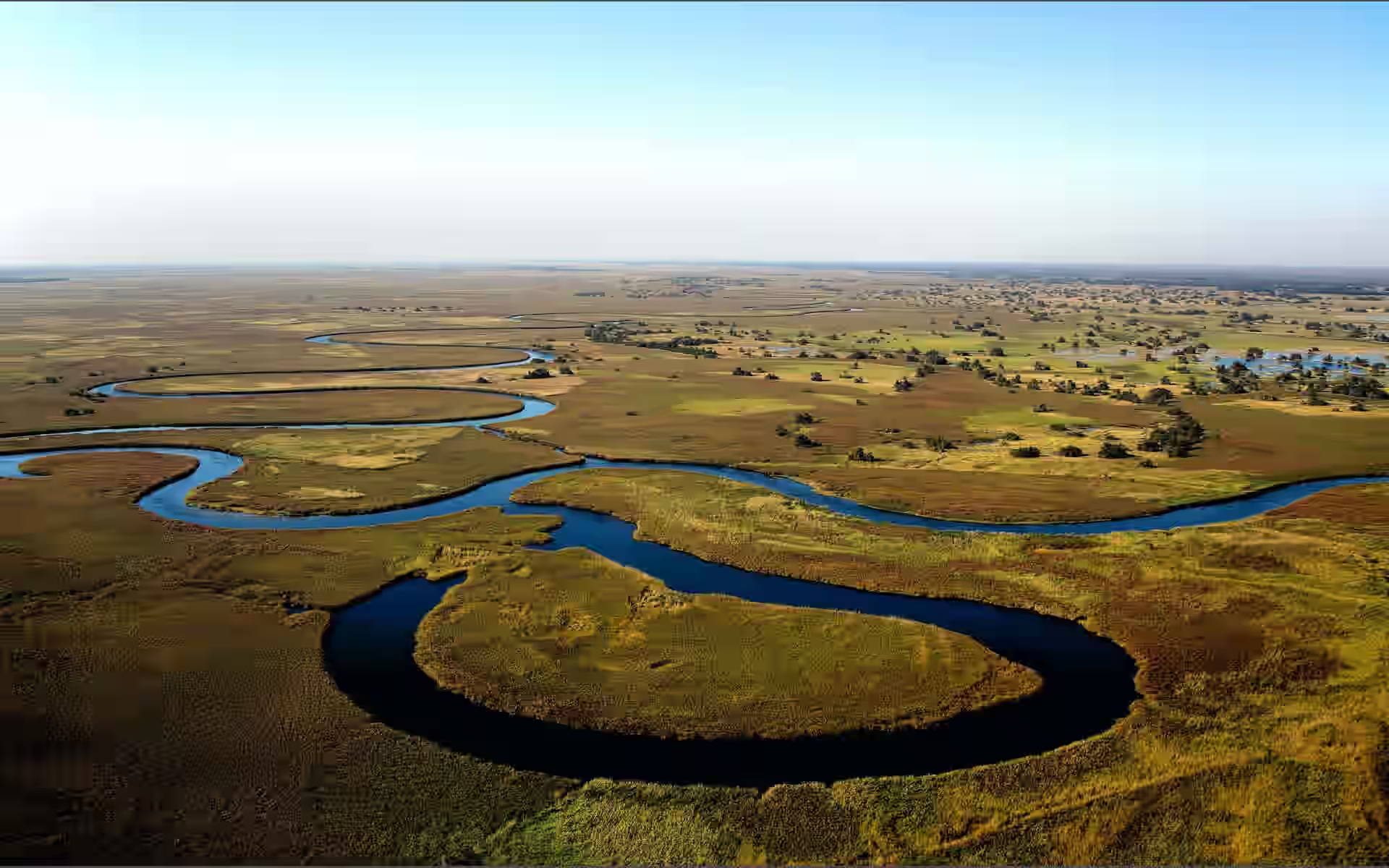
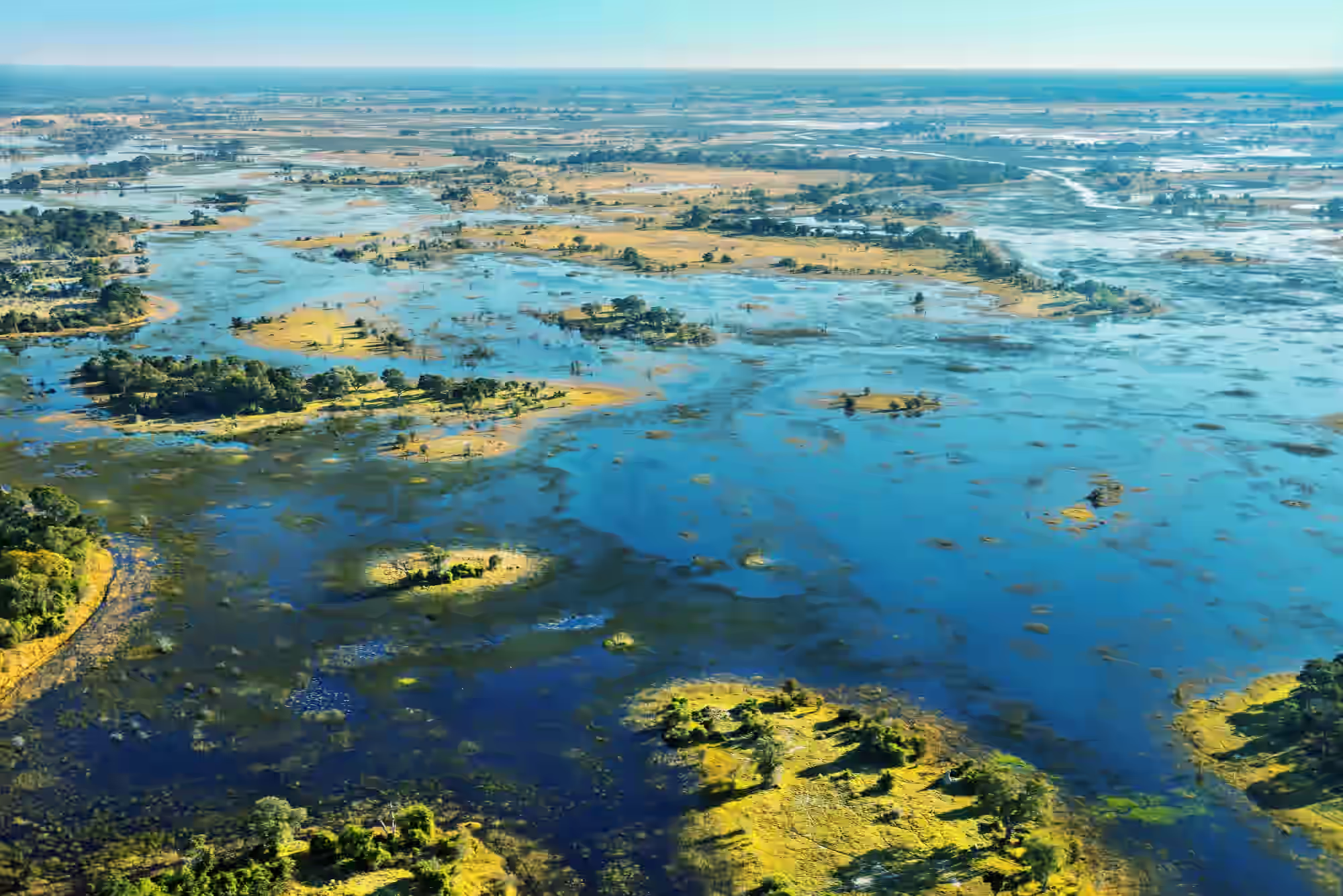
The delta's seasonal flooding creates a constantly shifting
mosaic of islands, channels, lagoons, reed beds, and floodplains. The annual
flood, originating from rainfall in the Angolan highlands, typically arrives in
Botswana between May and July, transforming the landscape dramatically. At its
peak, the delta covers up to 22,000 square kilometres — a spectacle visible
from space. This flooding pushes wildlife onto the islands and elevated areas,
concentrating animals in remarkable densities.
Visitors to the Okavango experience Africa at its most
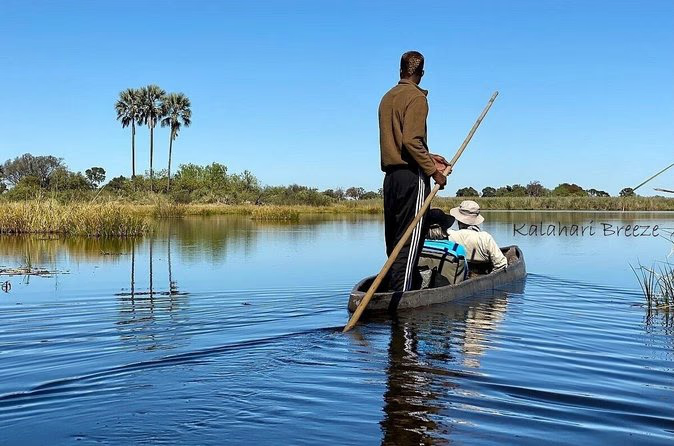
timeless and untouched. The traditional mokoro — a dugout canoe poled through
shallow channels by a local guide — remains the most iconic way to explore.
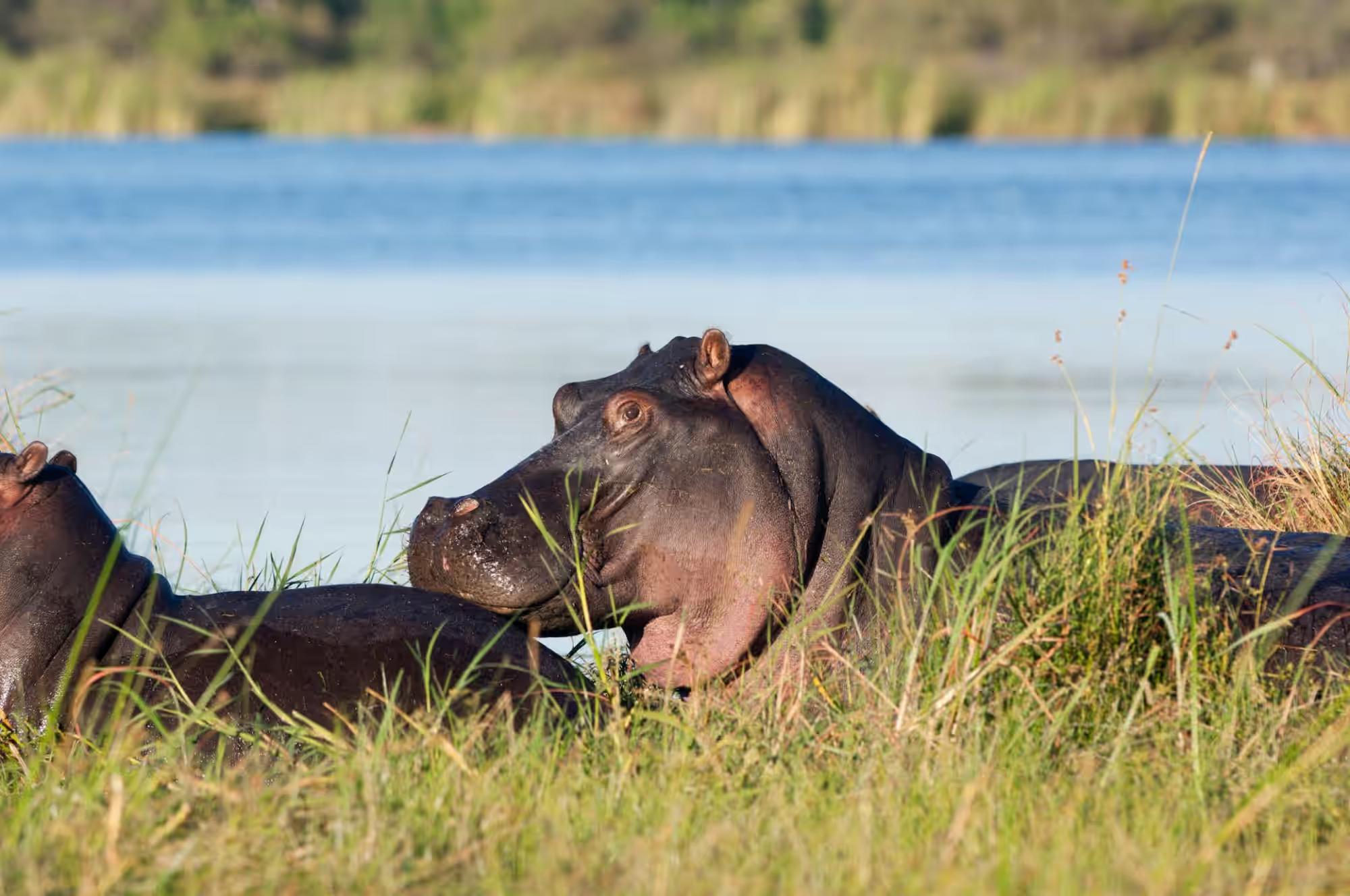
Gliding silently through papyrus-lined waterways, guests encounter hippos,
elephants wading across lagoons, sitatunga antelopes navigating reed beds, and
an astonishing diversity of waterbirds at arm's length.
Beyond the water, the delta's islands support classic African
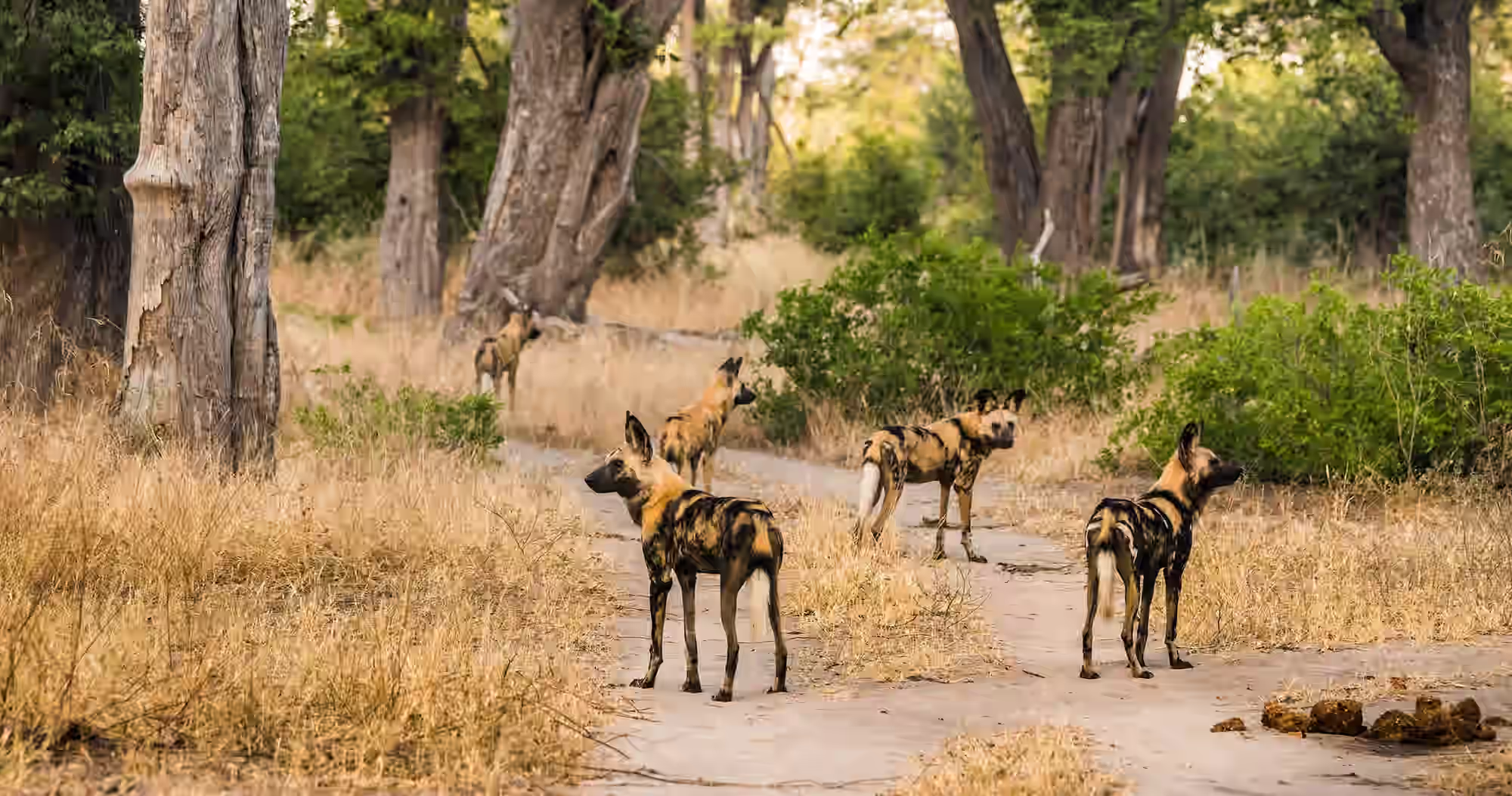
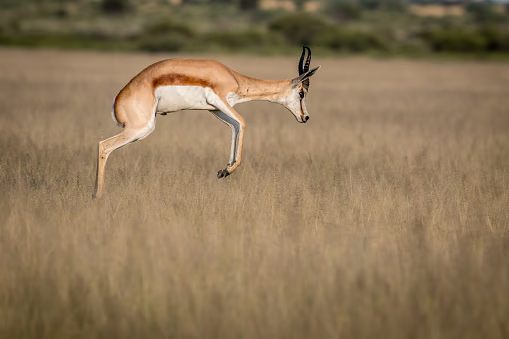
savanna wildlife: lions, leopards, wild dogs, cheetahs, and massive herds of
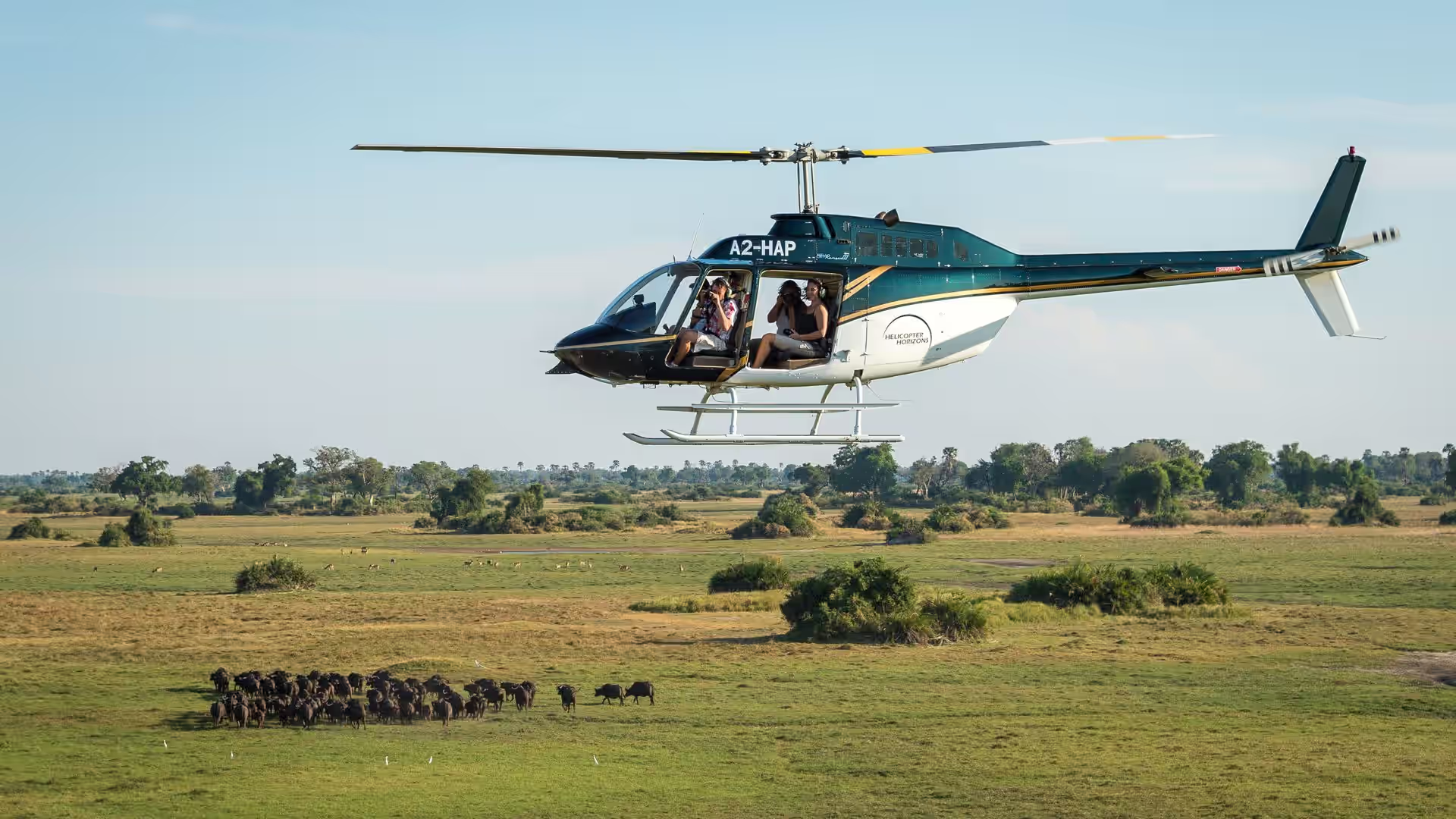
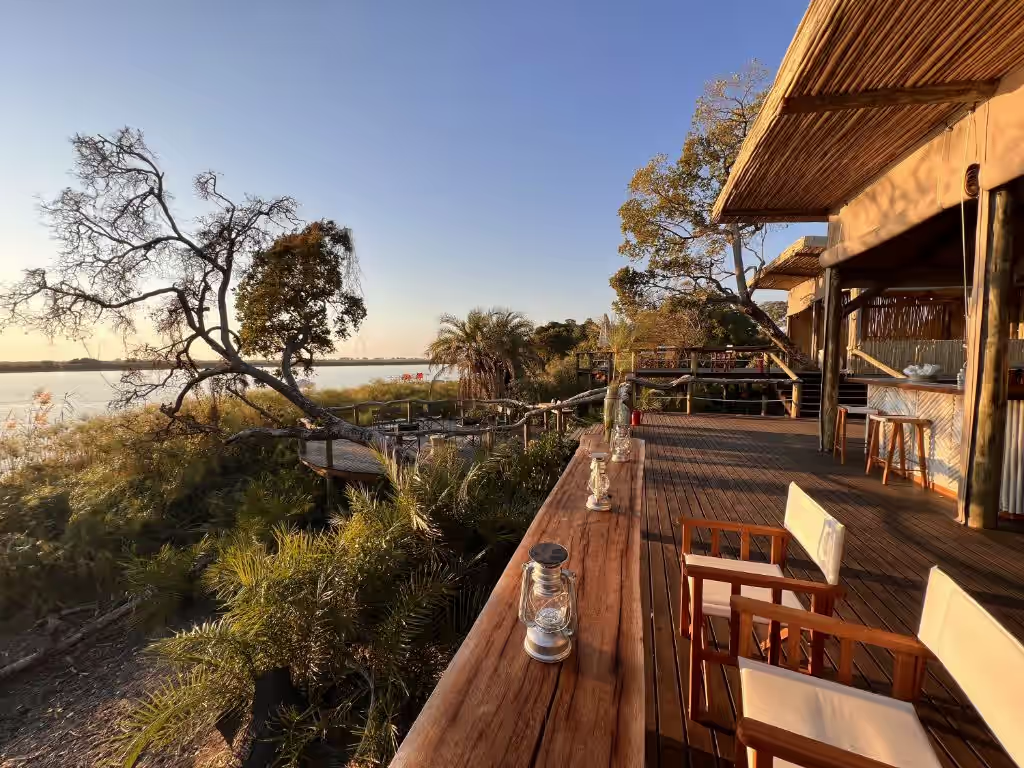
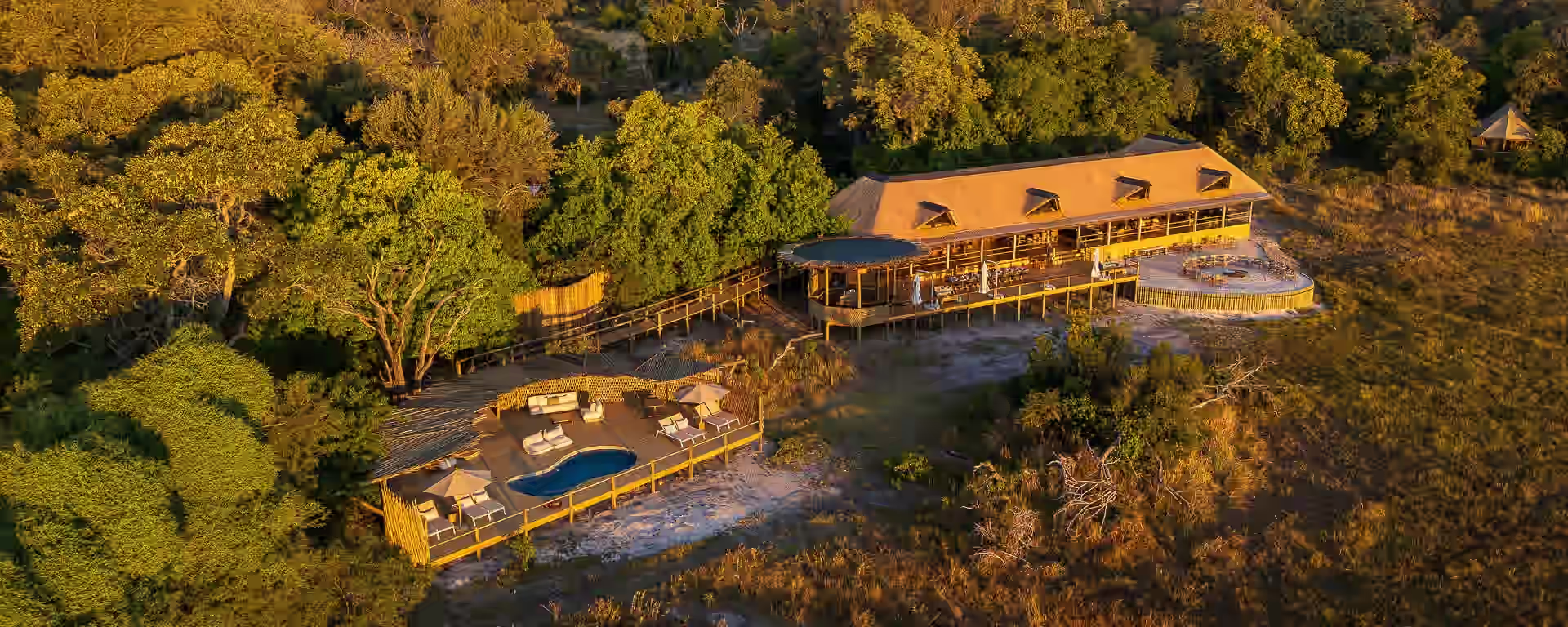
buffalo, elephant, and antelope. Fly-in camps and lodges are scattered across
the delta's remotest reaches, offering exclusive, low-impact access to
wilderness that feels genuinely unchanged from centuries past.
Explore on Map
Popular Safaris in Okavango Delta
Things to Do
Where to Stay
Iconic Highlights
• UNESCO World Heritage Site and one of the Seven Natural Wonders of Africa
• Iconic mokoro (dugout canoe) safaris through pristine papyrus channels
• Seasonal flooding transforms the Kalahari into a spectacular water paradise
• Over 480 bird species including rare water birds and raptors
• Home to 130 mammal species including the Big Five
• Remote fly-in camps offering the most exclusive safari experience in Africa
Wildlife & Nature
Lion
Elephant
Leopard
Cheetah
Zebra
Hippo
Buffalo
Photo Gallery
Climate & When to Visit
Best Time to Visit
Monthly Averages
| Month | Temp High | Temp Low | Rainfall |
|---|---|---|---|
| Apr | 29°C | --°C | -- mm |
| Aug | 25°C | --°C | -- mm |
| Dec | 32°C | --°C | -- mm |
| Feb | 33°C | --°C | -- mm |
| Jan | 32°C | --°C | -- mm |
| Jul | 22°C | --°C | -- mm |
| Jun | 22°C | --°C | -- mm |
| Mar | 31°C | --°C | -- mm |
| May | 26°C | --°C | -- mm |
| Nov | 33°C | --°C | -- mm |
| Oct | 32°C | --°C | -- mm |
| Sep | 29°C | --°C | -- mm |
Frequently Asked Questions
Ready to Explore?
Dest Type
Conservation Areas
Status
Entry Permits Required