Lake Manyara National Park
Back to Destinations
Tanzania

Lake Manyara National Park

Tanzania 2+ Safari Packages

Experience Lake Manyara National Park

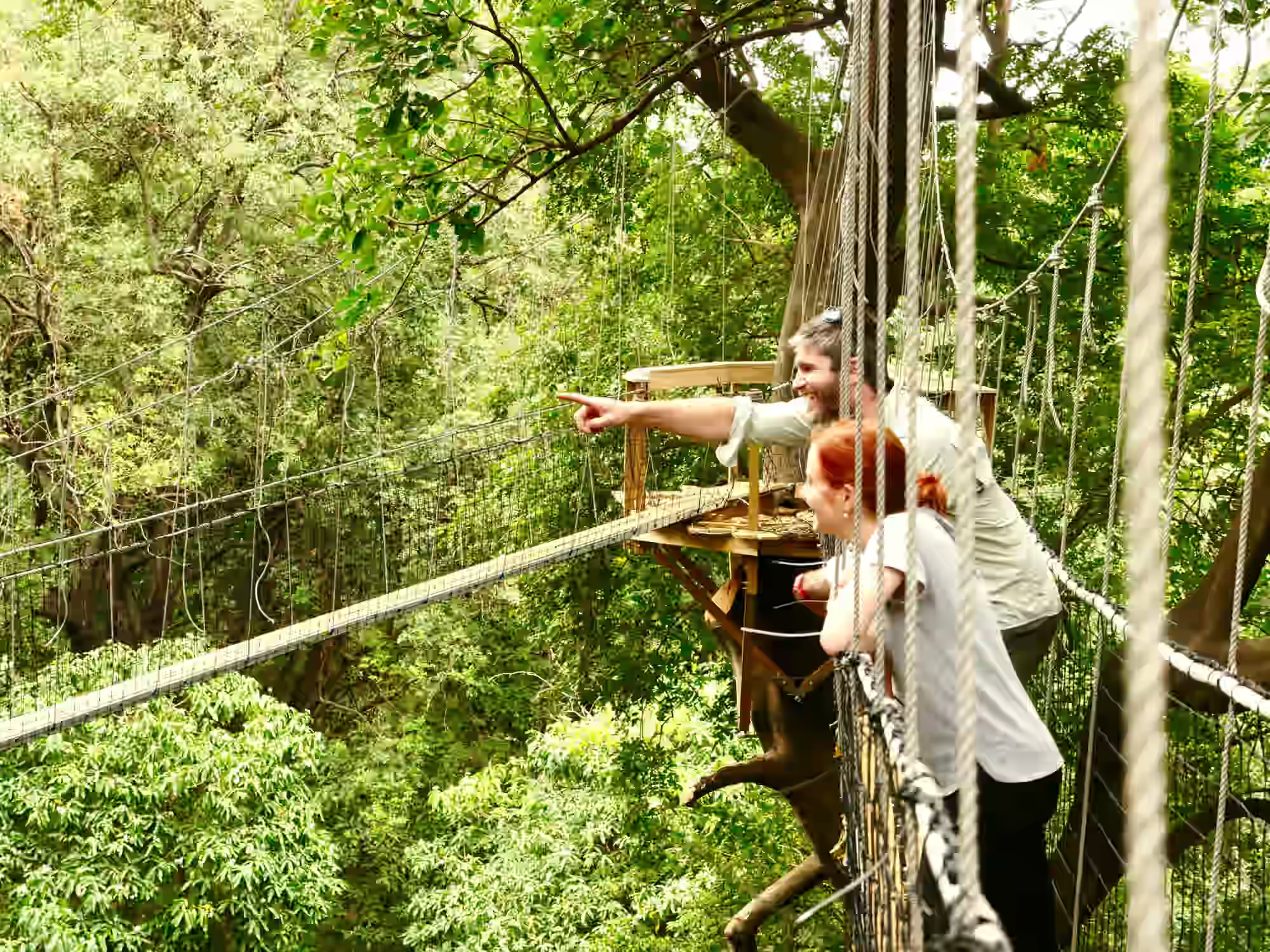
Covering 325 square kilometer, about two-thirds of which is underwater when the lake is full, Lake Manyara National Park offers a concentrated safari experience. It is geographically unique, wedged between the high Gregory Rift Wall to the west and the alkaline Lake Manyara to the east. Upon entering the park, you are immediately immersed in a dense, jungle-like groundwater forest fed by springs from the rift wall. As you move south, the forest opens into acacia woodlands and grassy floodplains. Despite its small size, it supports a wide variety of ecosystems, making it one of the best places in Tanzania to see diverse birdlife and primates in a single day drive.

Explore on Map

Popular Safaris in Lake Manyara National Park
4-Day Tanzania Northern Circuit Safari: Lake Manyara, Serengeti & Ngorongoro
4 Days / 3 Nights

4-Day Tanzania Northern Circuit Safari: Lake Manyara, Serengeti & Ngorongoro

From

$2,350.00

Serengeti Great Migration Safari
7 Days

Serengeti Great Migration Safari

From

$3,200.00

Iconic Highlights

1

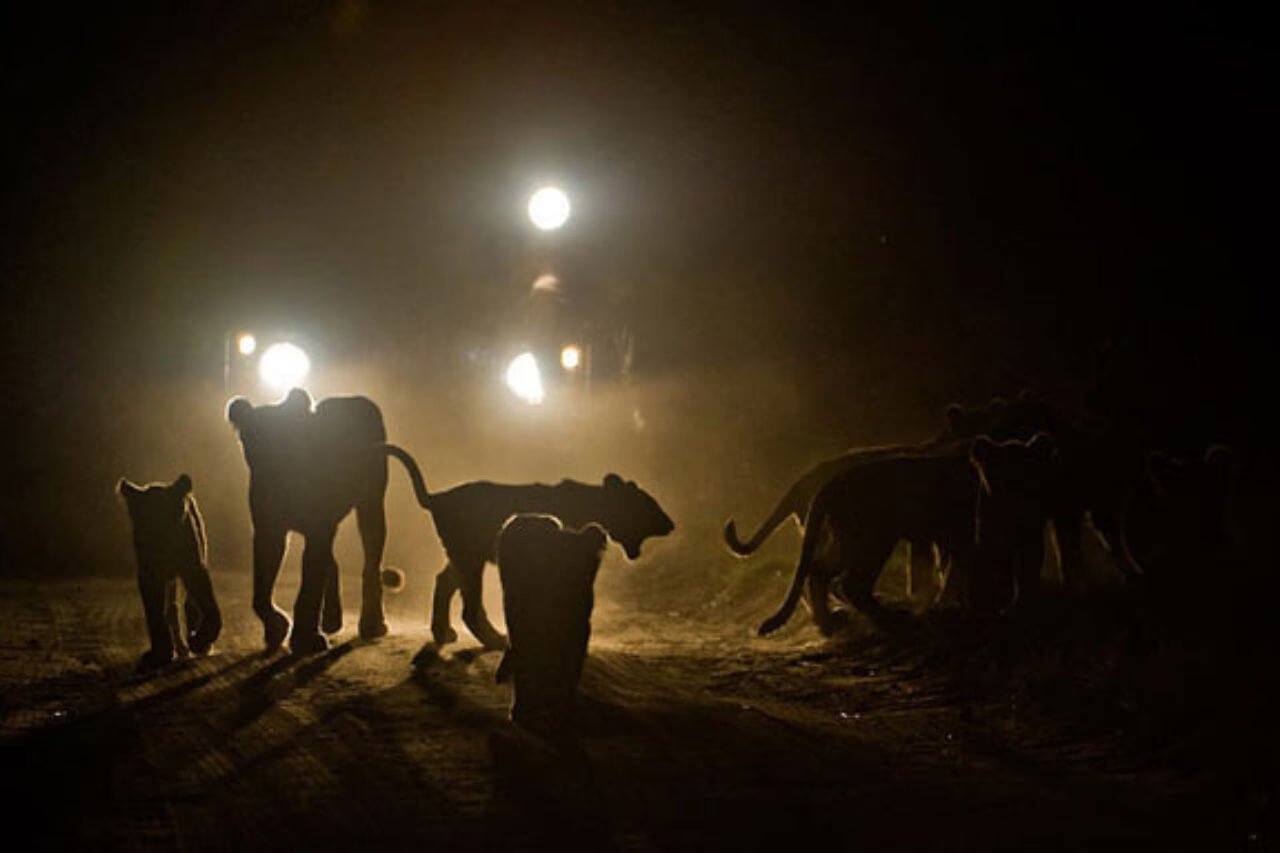
Tree-climbing lions

2

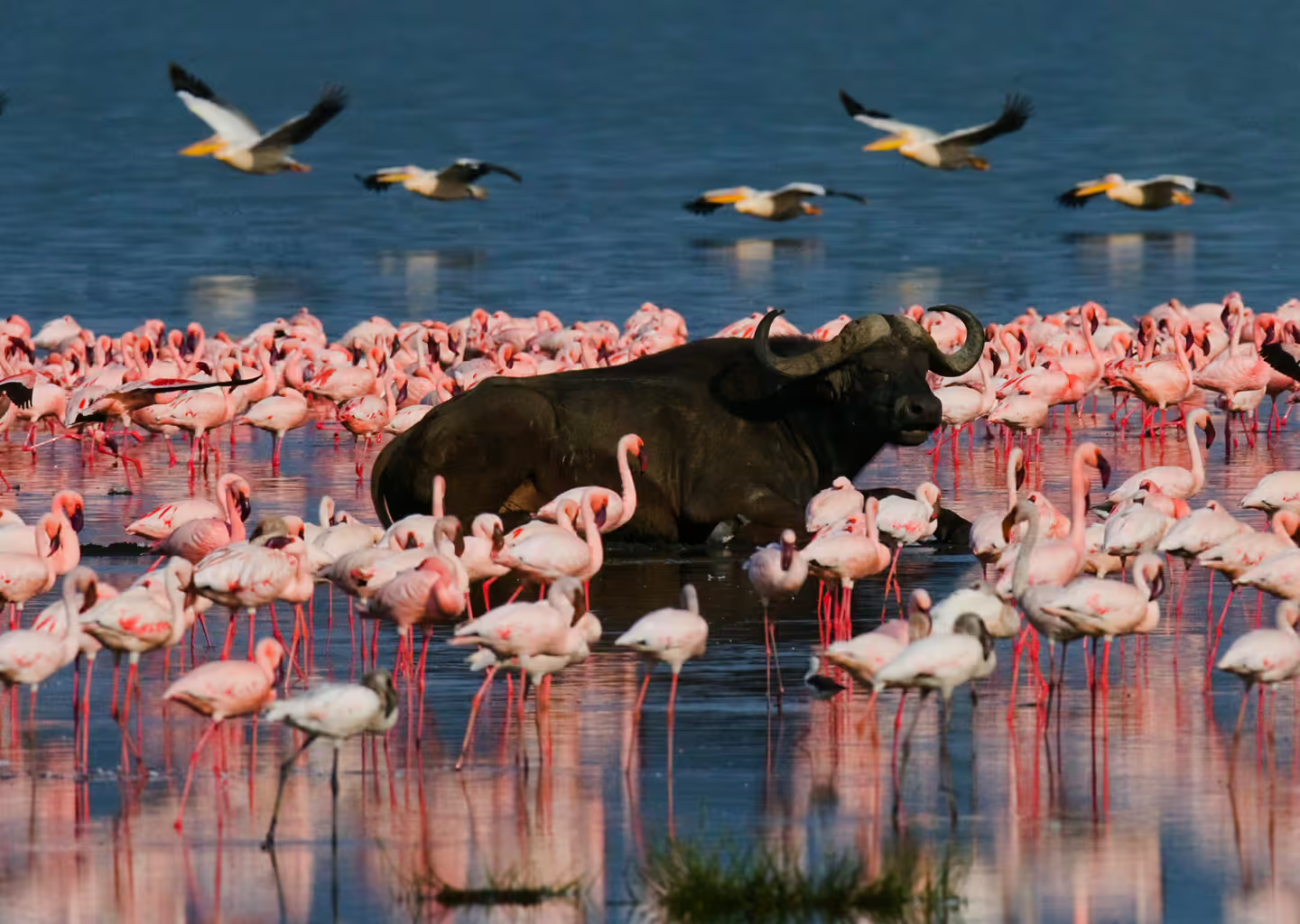
Vast flocks of flamingos on Lake Manyara

3

Dense baboon populations

4

Diverse birdlife (over 400 species)

5

Beautiful Great Rift Valley scenery

6

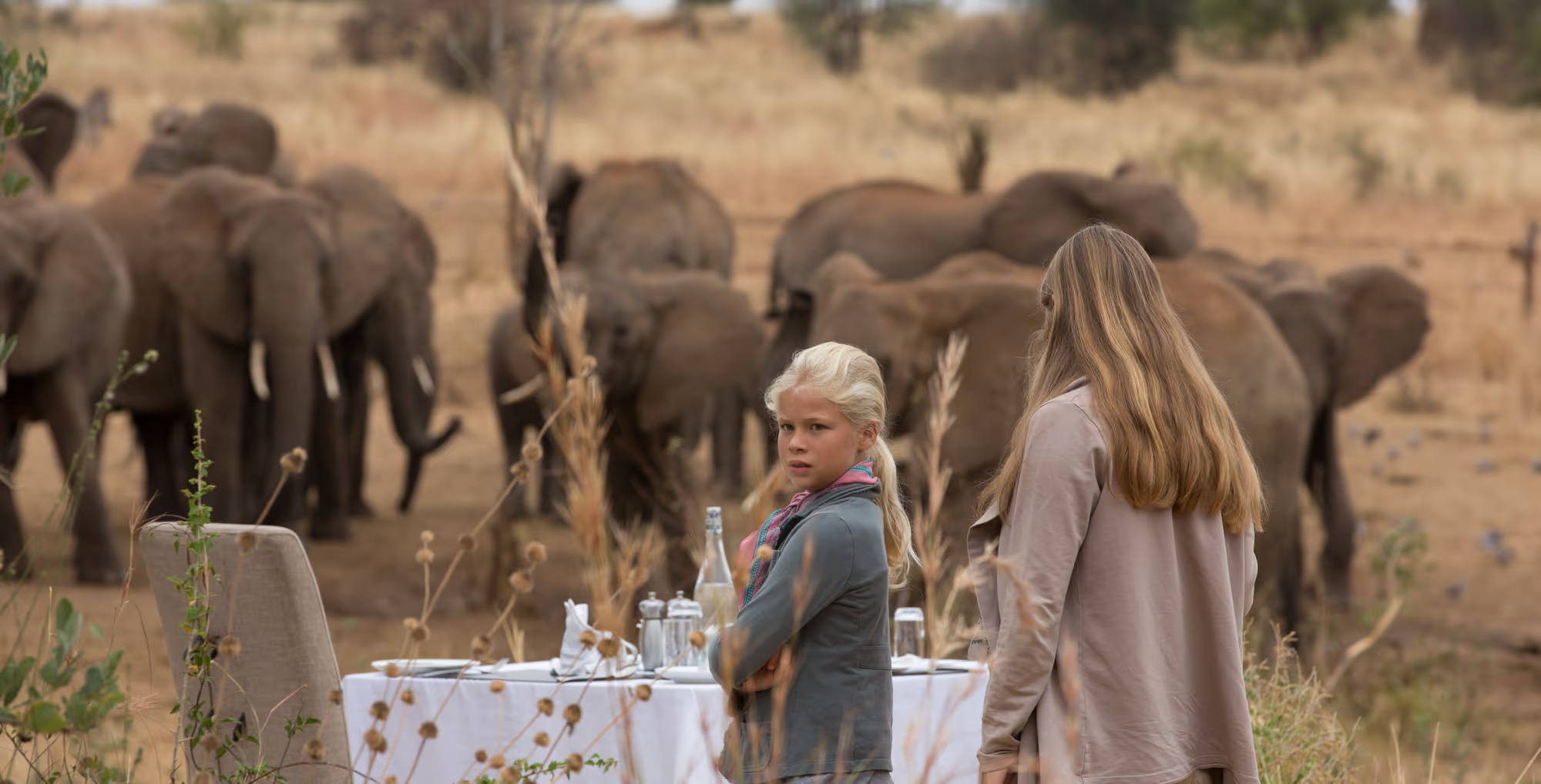
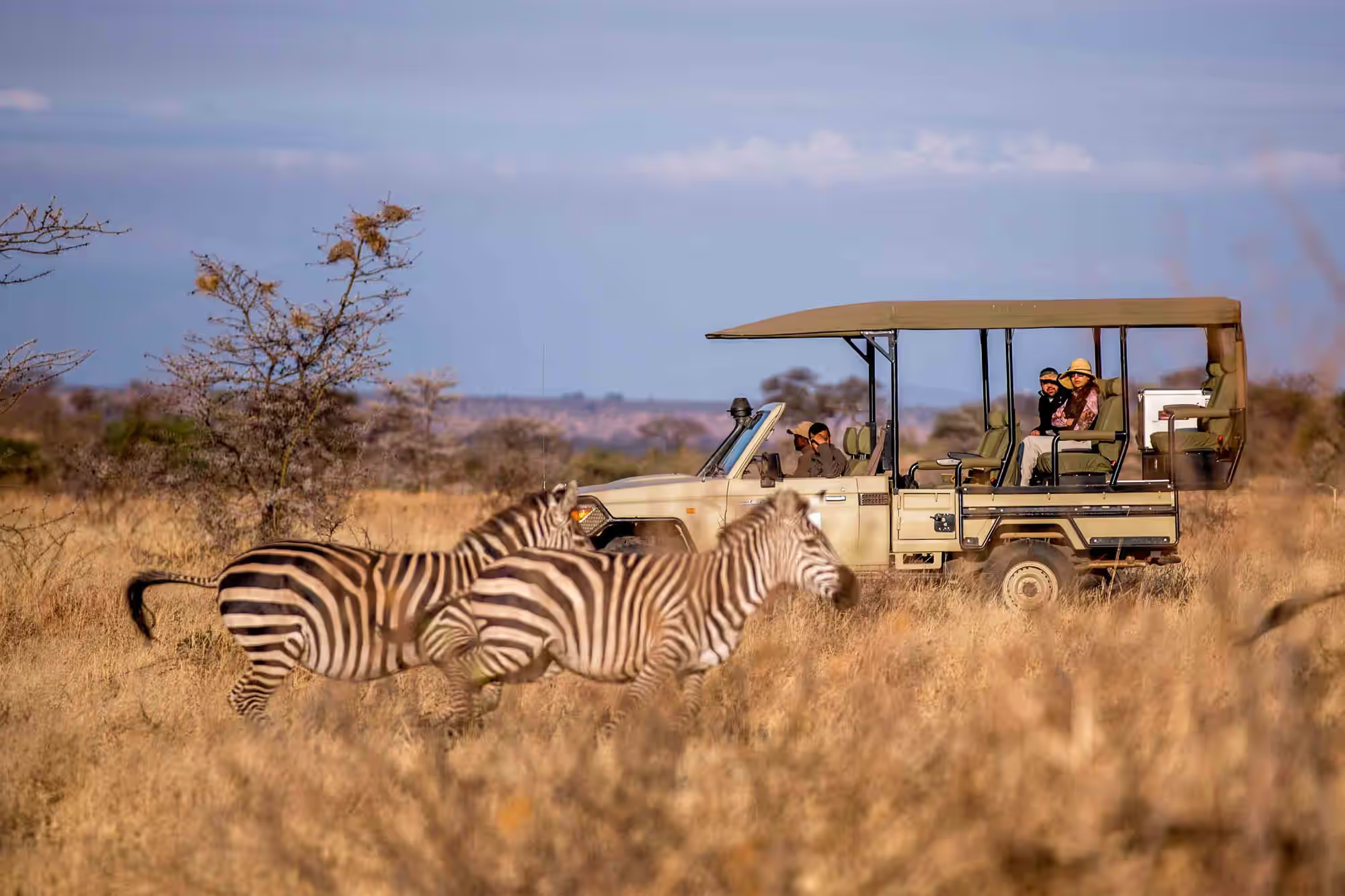
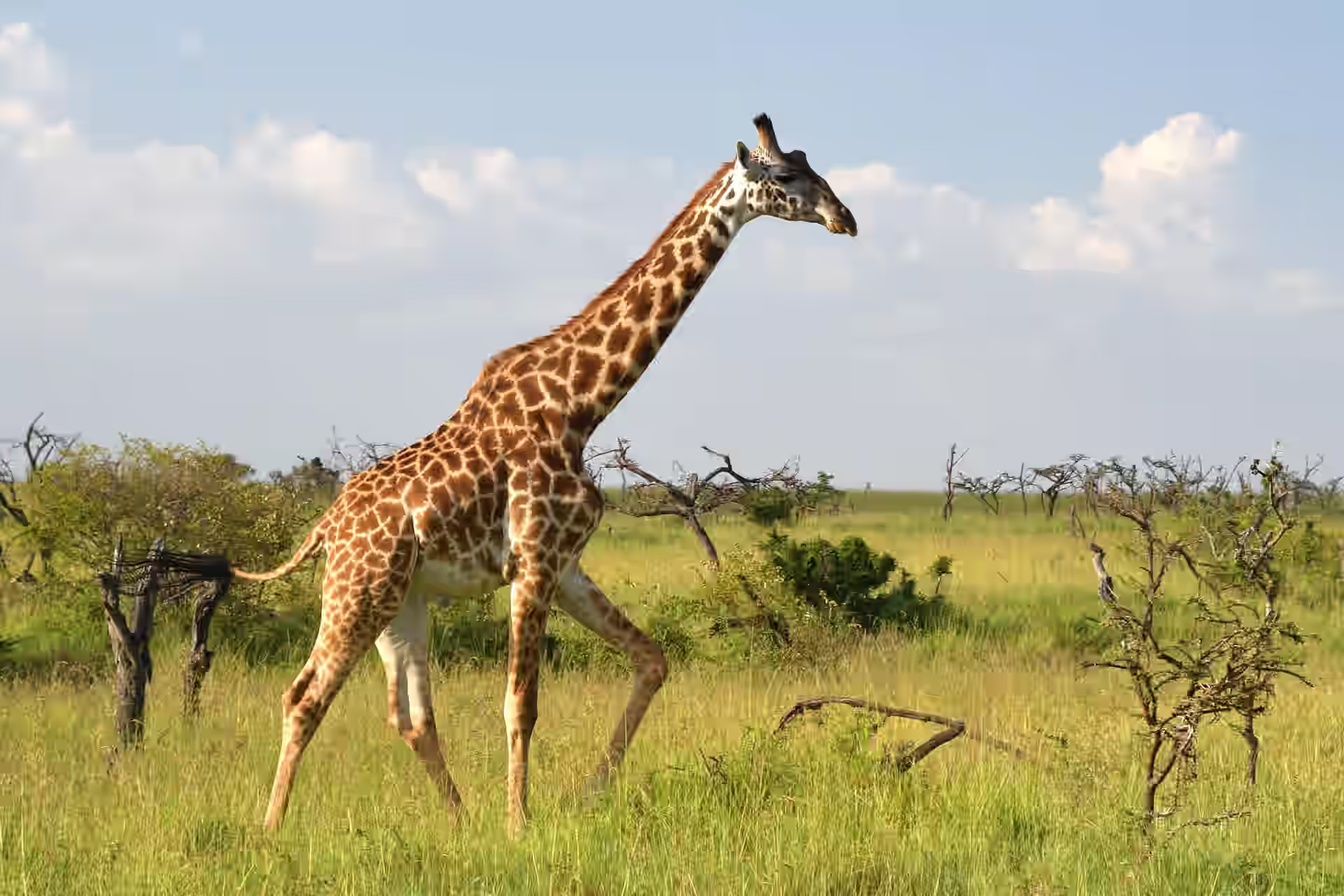
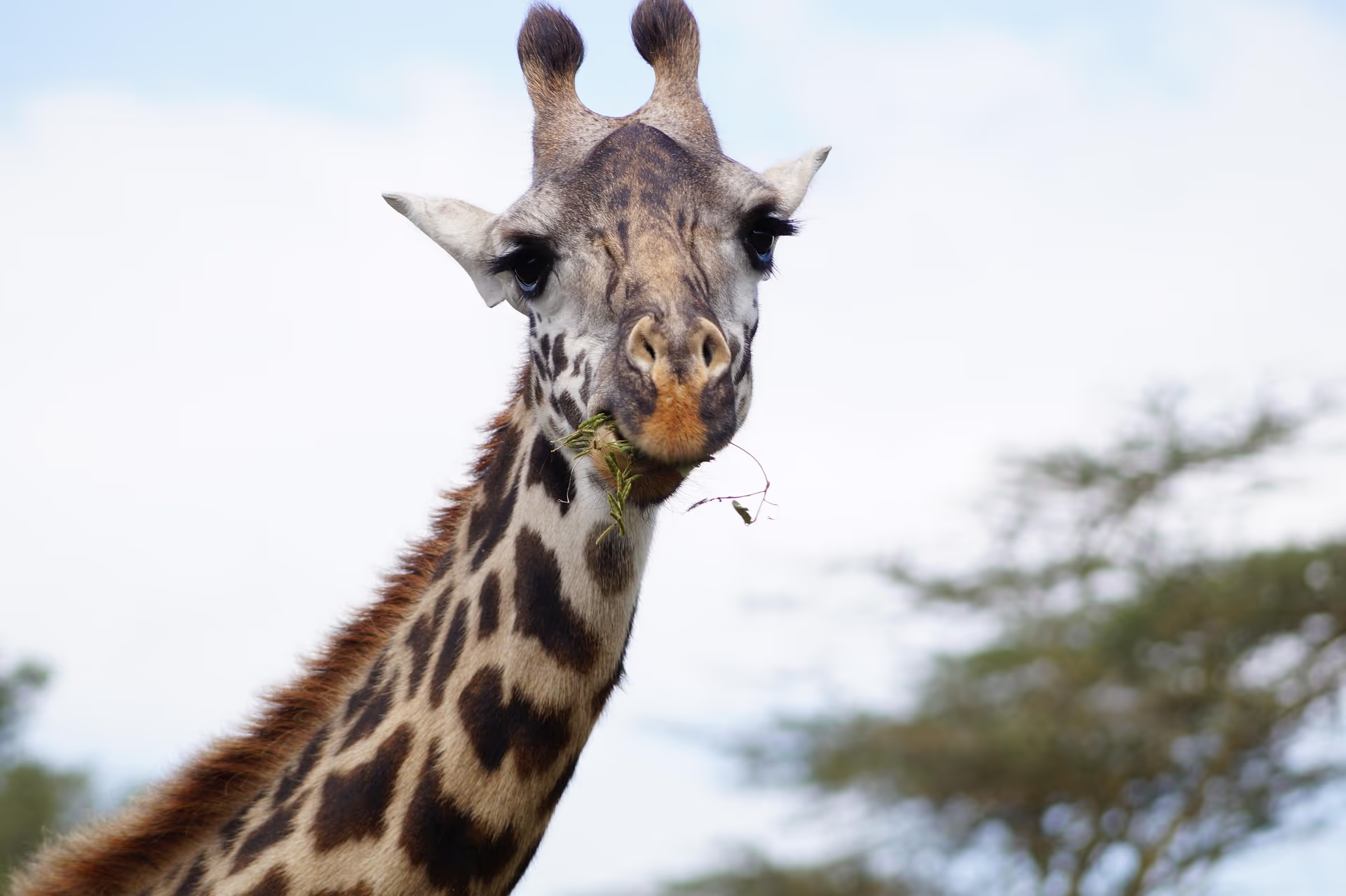
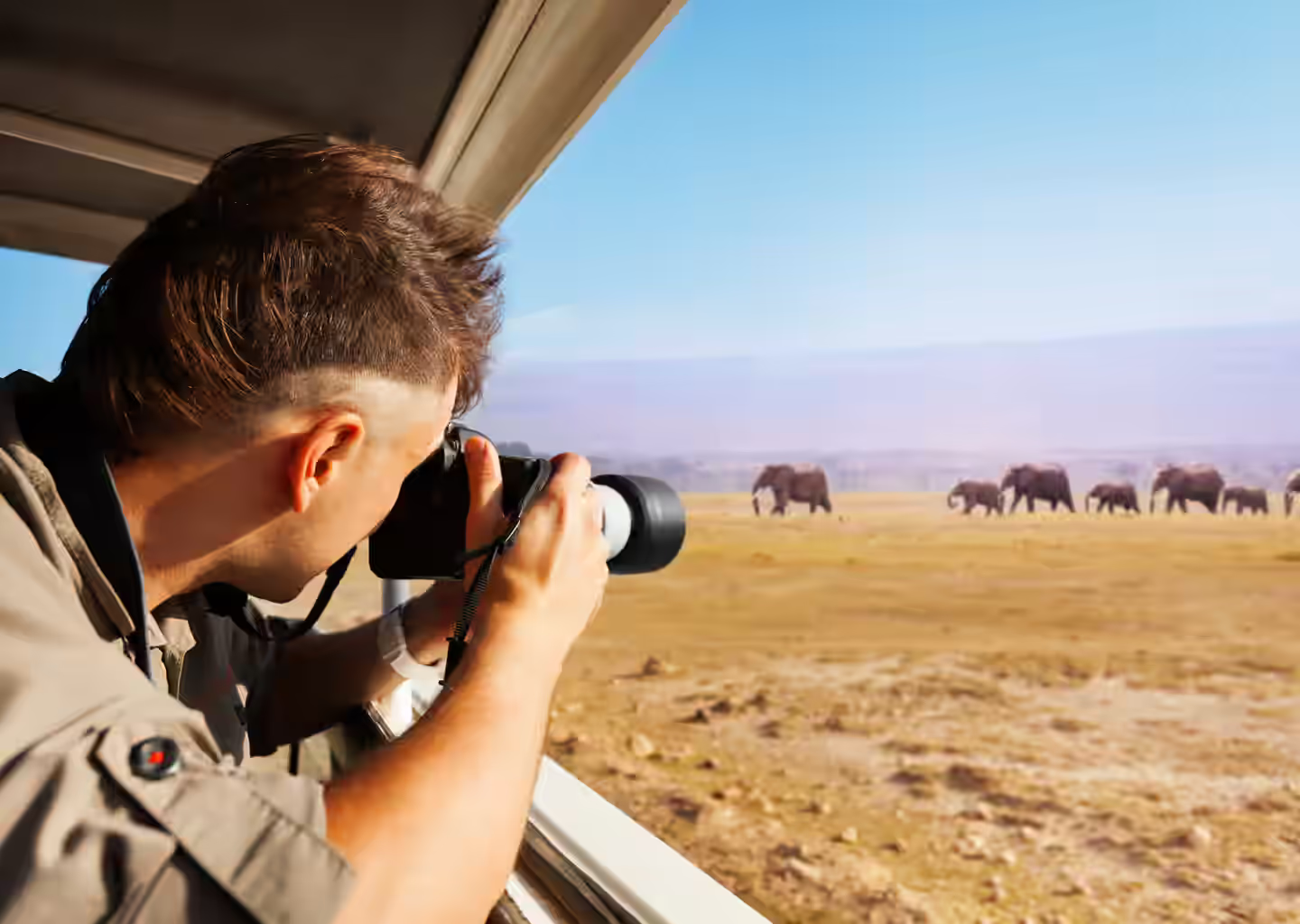
Game drives showcasing elephants, giraffes, and hippos

7

• Short drive from Arusha — ideal first or last park on the Northern Circuit

Wildlife & Nature

Lion

Elephant

Leopard

Buffalo

Giraffe

Zebra

Wildebeest

Hippo

Flamingo

Climate & When to Visit

Best Time to Visit

Jan
Feb
Mar
Apr
May
Jun
Jul
Aug
Sep
Oct
Nov
Dec

[]

Climate Overview

Tropical climate with two main seasons: a dry season from June to October and a wet season from November to May. Temperatures are generally warm year-round, averaging 20-30°C (68-86°F). The long rains occur from March to May, and short rains from November to December.

Monthly Averages

MonthTemp HighTemp LowRainfall
Apr26°C--°C-- mm
Aug24°C--°C-- mm
Dec28°C--°C-- mm
Feb29°C--°C-- mm
Jan28°C--°C-- mm
Jul23°C--°C-- mm
Jun24°C--°C-- mm
Mar28°C--°C-- mm
May25°C--°C-- mm
Nov27°C--°C-- mm
Oct27°C--°C-- mm
Sep26°C--°C-- mm

Travel Requirements

  • Park Entry Fees: Approximately $59 USD per adult for non-residents. All payments must be made digitally (TANAPA card, Visa, or Mastercard).

  • Location: About 126km (90-minute drive) from Arusha.

  • Health: Malaria prophylaxis is recommended. Yellow Fever certificate is required if arriving from an endemic country.

  • Guided Walks: Available but must be pre-arranged and accompanied by a park ranger.

  • Frequently Asked Questions

    Are the tree-climbing lions always visible?
    • Tree-climbing lion sightings are not guaranteed — the behaviour is well-documented at Manyara but depends on where the prides are resting on any given day. The best sightings occur in the dry season (July–October) when vegetation is sparse and lions can be spotted more easily in their favoured Acacia tortilis trees along the lake edge. Ask your guide about recent sightings — local knowledge dramatically increases your chances.
    Why do the lions at Manyara climb trees?
    • The exact reason remains debated. The most widely accepted theories are: escaping biting insects (tsetse flies and ground-level flies), enjoying the breeze and cooler temperatures at height, accessing a better vantage point for spotting prey, and avoiding the large hippo and buffalo populations that rest in shaded areas. This behaviour is shared with a small number of lion populations in Uganda's Queen Elizabeth National Park and Botswana's Moremi.
    How long should I spend at Lake Manyara?
    • A half day to one full day is the typical allocation on the Northern Circuit. The park is compact (330 km²) and can be driven in 4–6 hours. For birdwatchers, a full day with an early start is ideal. Manyara is most commonly combined with Tarangire on the same day (Tarangire in the morning, Manyara in the afternoon) or used as a gentle introduction before heading to Ngorongoro and Serengeti.
    When are flamingo numbers at their best?
    Flamingo numbers at Lake Manyara are highly variable and depend on water levels and salinity. They tend to be most spectacular between October and December when alkalinity peaks after the short rains, and again during the dry season when food concentrates. At their peak, tens of thousands of lesser flamingos create a stunning pink fringe along the lake shore.
    Is Lake Manyara suitable for children?
    • Yes Lake Manyara is one of Tanzania's most family-friendly parks. The compact size means game drives are not overly long, the tree-climbing lions captivate children of all ages, and the flamingos and hippos are reliably crowd-pleasing. Most lodges on the escarpment rim also have excellent facilities and views. A minimum recommended age of 5 years applies for most Tanzania parks.
    What is the groundwater forest and why is it special?
    • The groundwater forest at Lake Manyara's entrance is one of East Africa's finest examples of a forest sustained by underground water rather than rainfall alone. Enormous fig trees, mahogany, and tamarind create a dense canopy that shelters large elephant herds, blue monkeys, olive baboons, and an extraordinary diversity of forest birds. Driving through this forest at the park's entrance is one of Tanzania's most atmospheric safari experiences.

    Ready to Explore?

    Dest Type

    National Parks

    Status

    Entry Permits Required

    Need Expert Advice?

    Speak with a Safari Specialist

    Learn More