Masai Mara National Reserve
Back to Destinations
Kenya

Masai Mara National Reserve

Kenya

Experience Masai Mara National Reserve

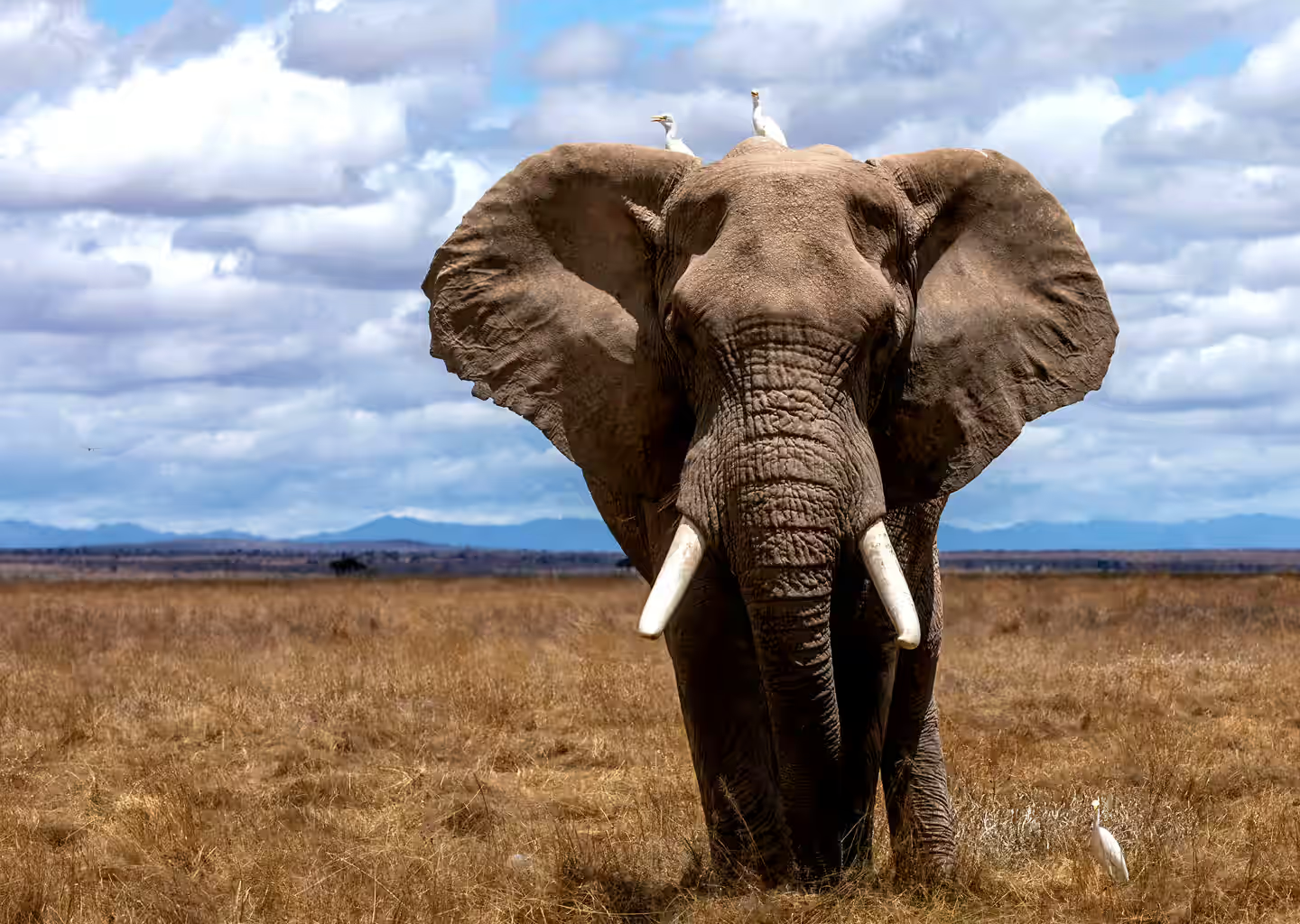
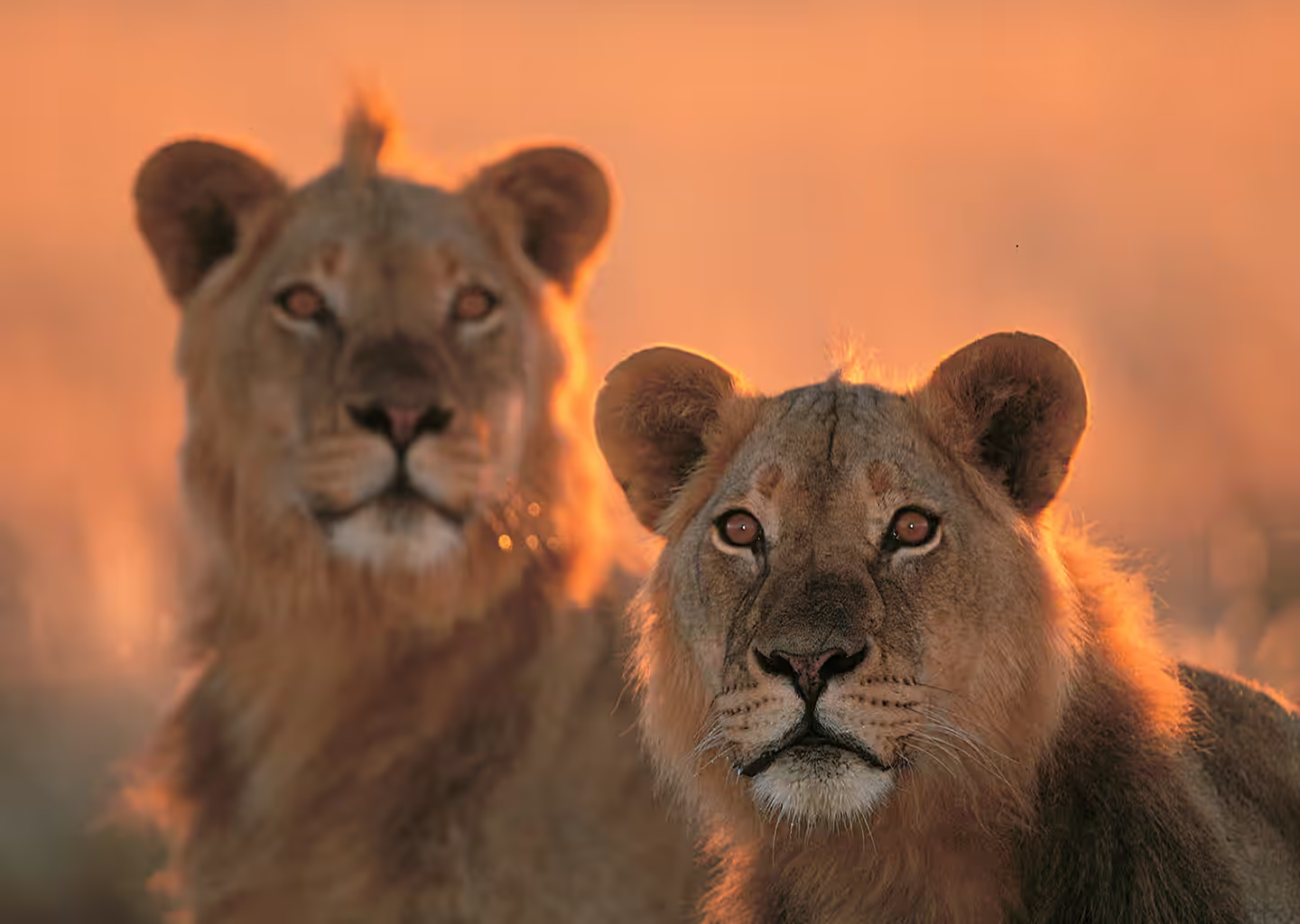
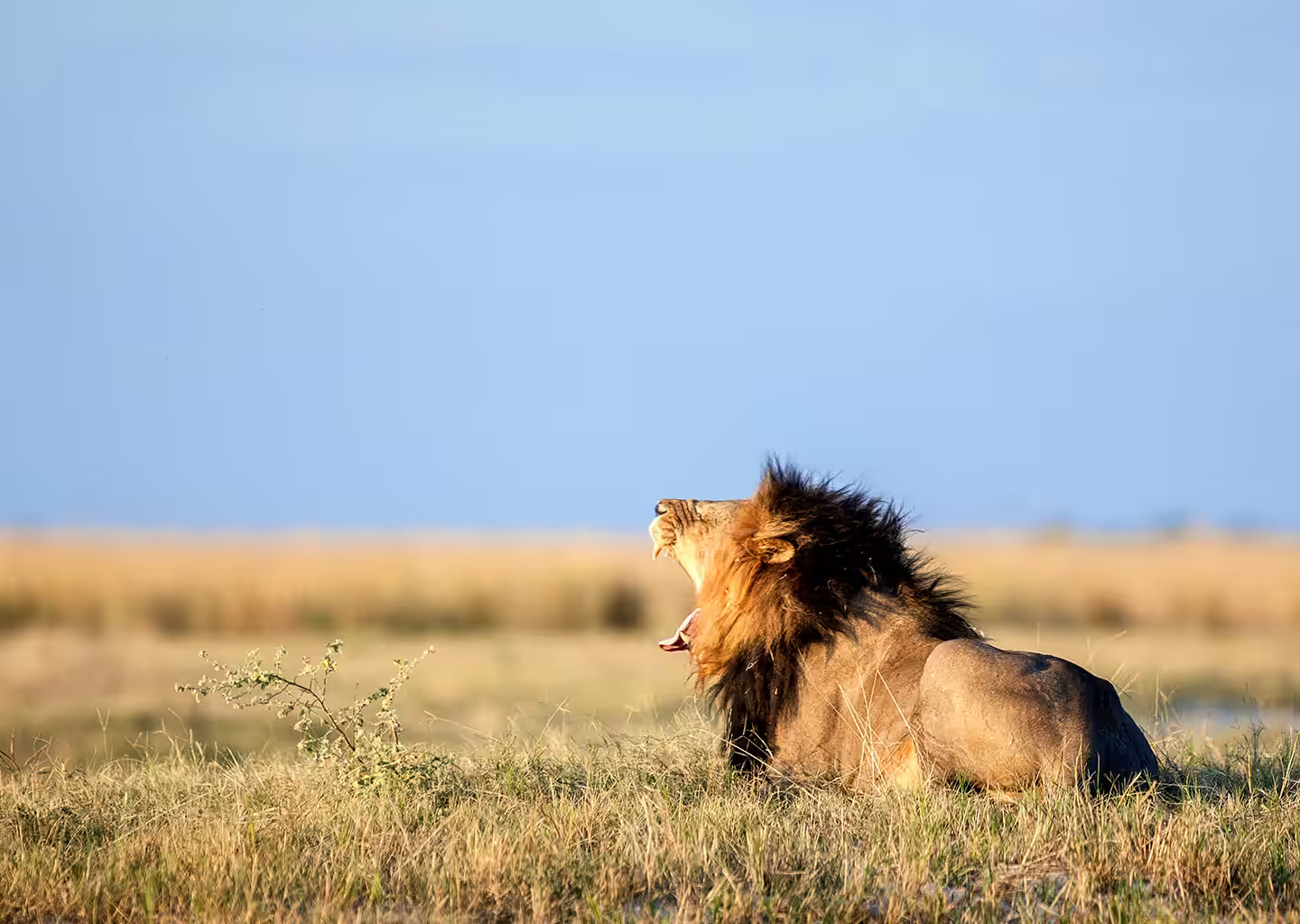
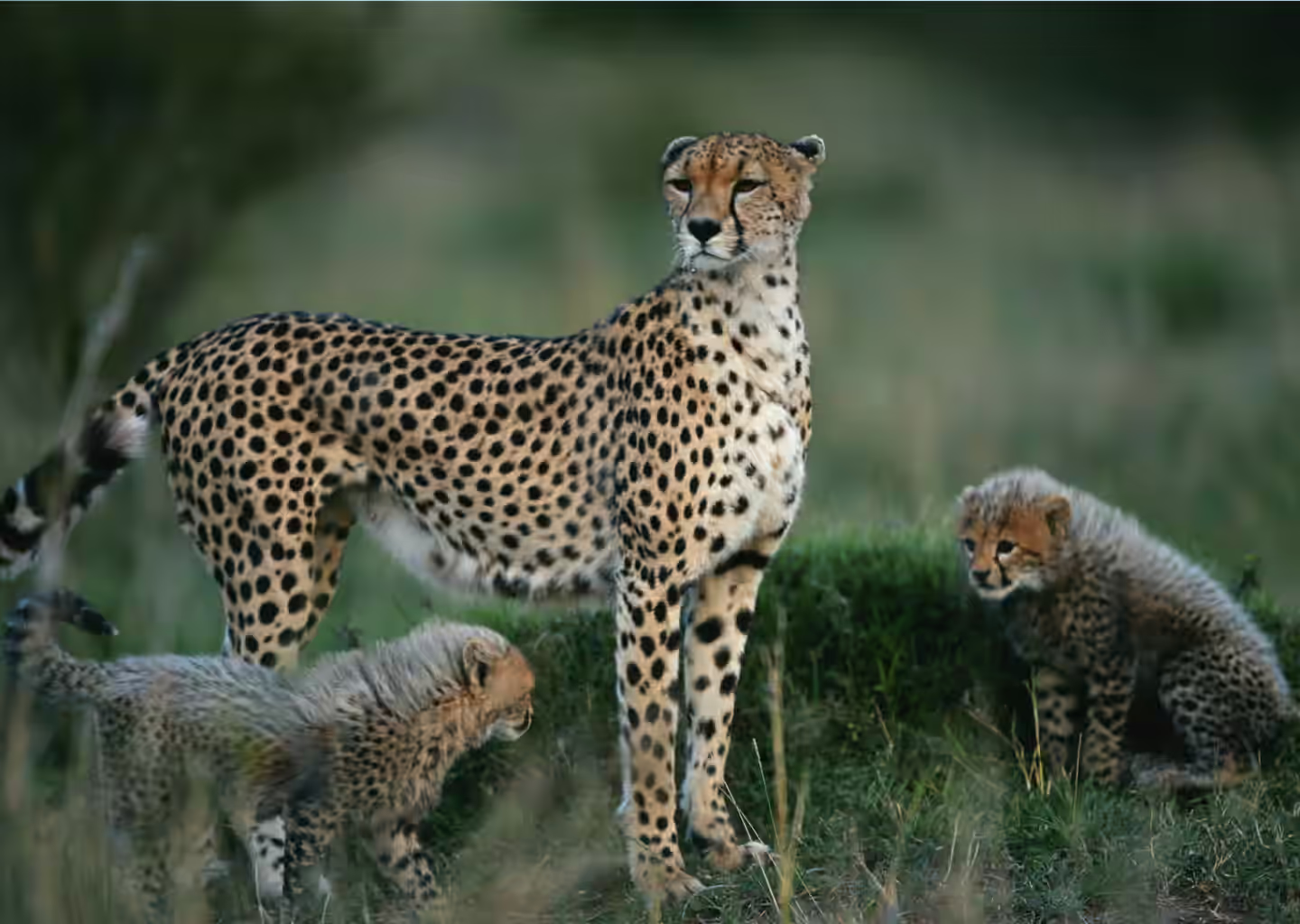
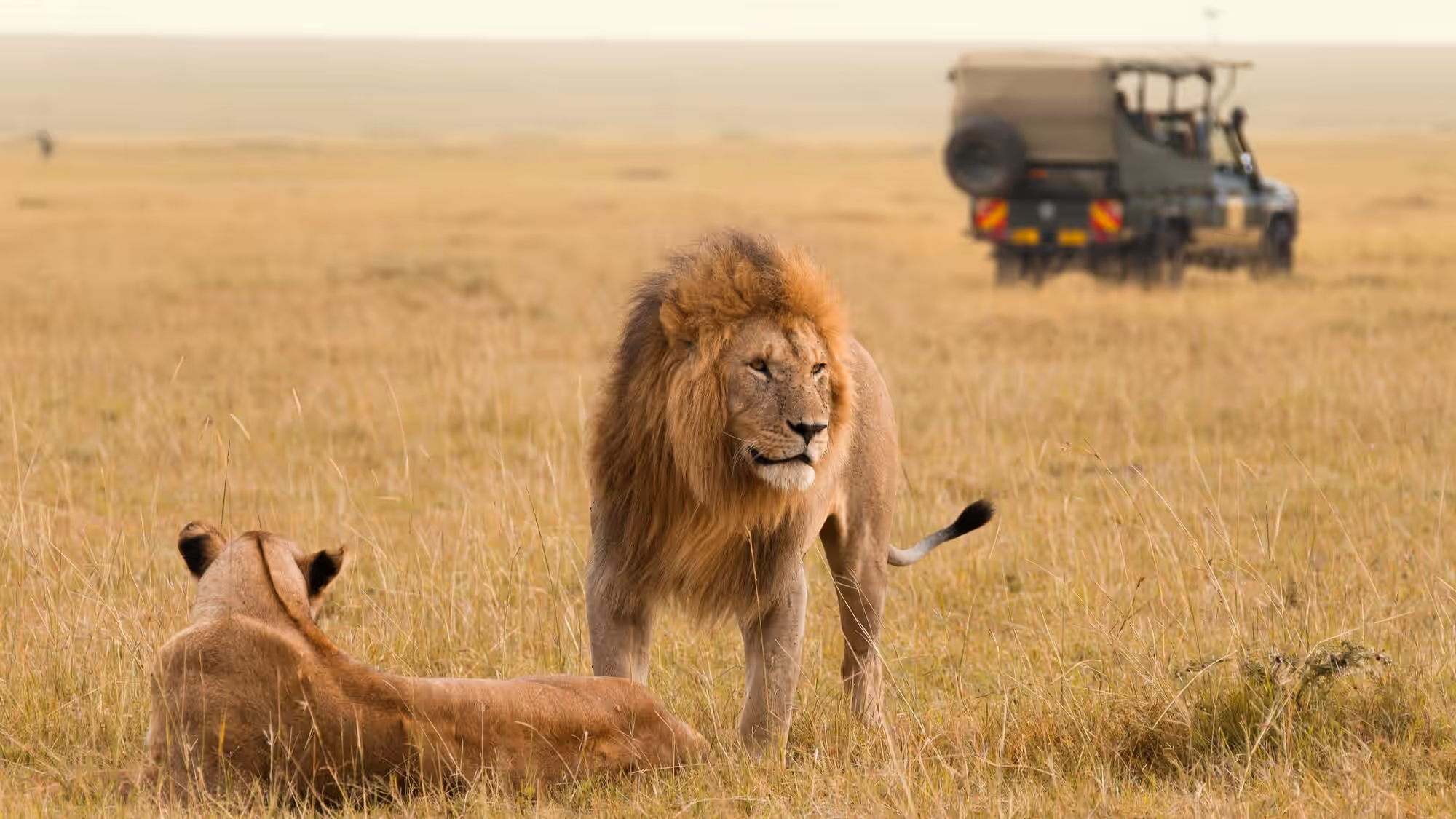
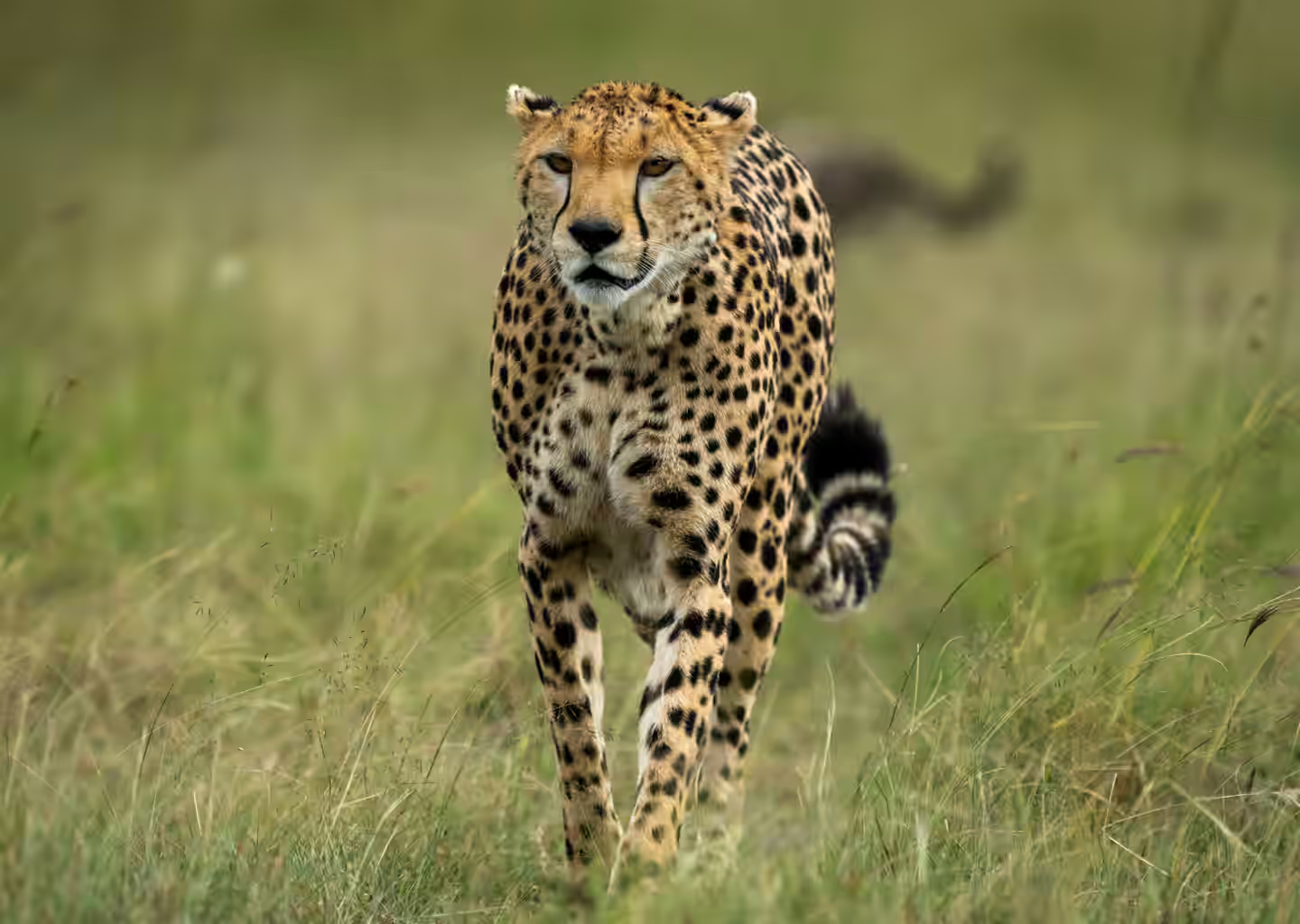
The Masai Mara National Reserve is the jewel of Kenya's wildlife heritage and one of the most famous wildlife areas on earth. Covering approximately 1,510 square kilometres of open golden savannah, rolling grassland, riverine forest, and acacia-dotted plains in southwestern Kenya, the Mara forms the northern extension of Tanzania's vast Serengeti ecosystem — together protecting the largest intact savannah ecosystem remaining on earth. The Mara is most famous internationally for the Great Migration — one of the world's most extraordinary natural spectacles — when over two million wildebeest, zebra, and Thomson's gazelle pour northwards across the Mara River between July and October, often in explosive, dramatic river crossings that represent a primordial struggle of life and death in its most raw form. Yet the Mara's wildlife excellence extends far beyond the migration season — year-round residents include the full Big Five, large prides of lion, exceptional leopard and cheetah populations, African wild dog, hippo, crocodile, and over 560 bird species. The reserve borders a ring of community conservancies that extend and enhance its protected ecosystem. The Mara has inspired more wildlife films and documentaries than arguably any other location on earth, and continues to set the benchmark against which all other safari destinations are measured.

Explore on Map

Popular Safaris in Masai Mara National Reserve
5-Day Kenya Signature Safari
5 Days

5-Day Kenya Signature Safari

From

$2,947.00

6-Day Amboseli-Mara Fly-In Safari
6 Days

6-Day Amboseli-Mara Fly-In Safari

From

$6,820.00

6-Day Roaring Kenya — Mid-Range Safari
6 Days

6-Day Roaring Kenya — Mid-Range Safari

From

$2,814.00

8-Day Wildlife Adventure & Outdoors Activities Mid-Range Safari
8 Days

8-Day Wildlife Adventure & Outdoors Activities Mid-Range Safari

From

$4,214.00

10-Day Kenyan Classics Safari
10 Days

10-Day Kenyan Classics Safari

From

$6,699.00

7-Day Mara, Nakuru, Naivasha & Amboseli Classic Safari
7 Days

7-Day Mara, Nakuru, Naivasha & Amboseli Classic Safari

From

$2,587.00

Things to Do

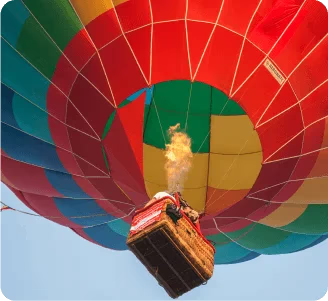
Hot Air Balloon Safari Masai Mara

Hot Air Balloon Safari Masai Mara

4-5 Hours$550.00
Details

Where to Stay

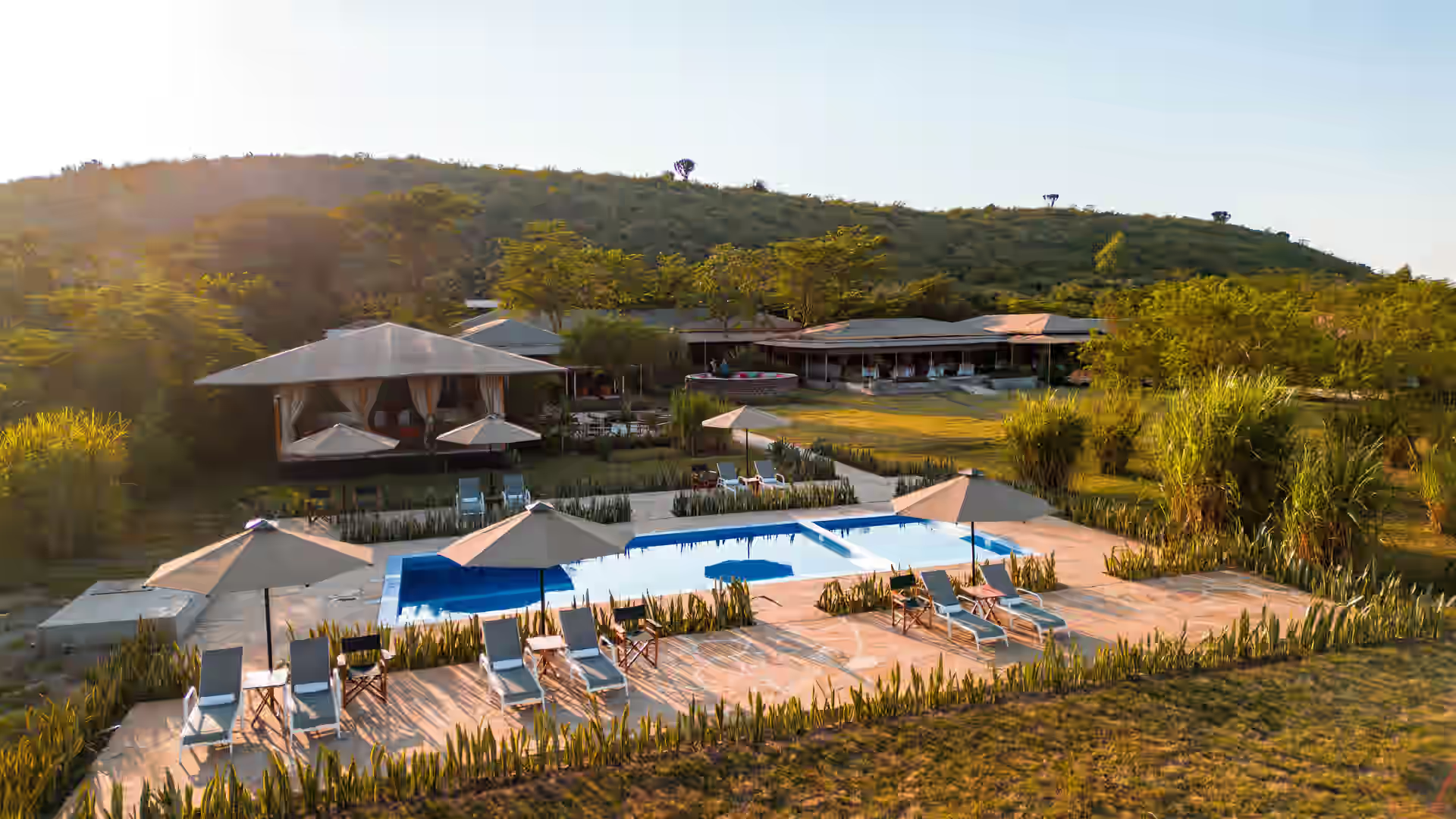
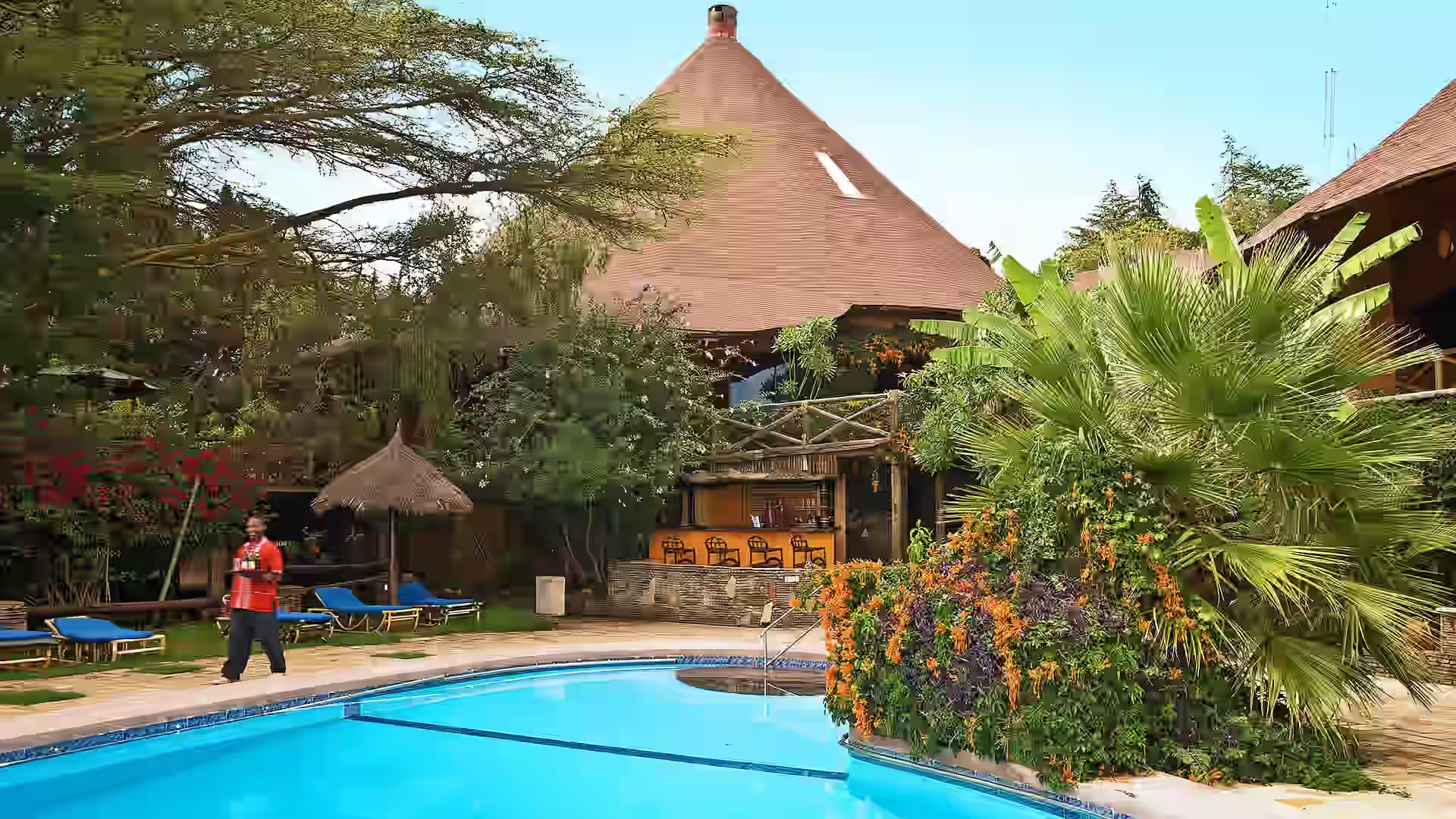
Zebra Plains Mara Camp
4

Tented Camp

Zebra Plains Mara Camp

Explore Property
Cottar's 1920s Safari Camp
5

Tented Camp

Cottar's 1920s Safari Camp

Explore Property
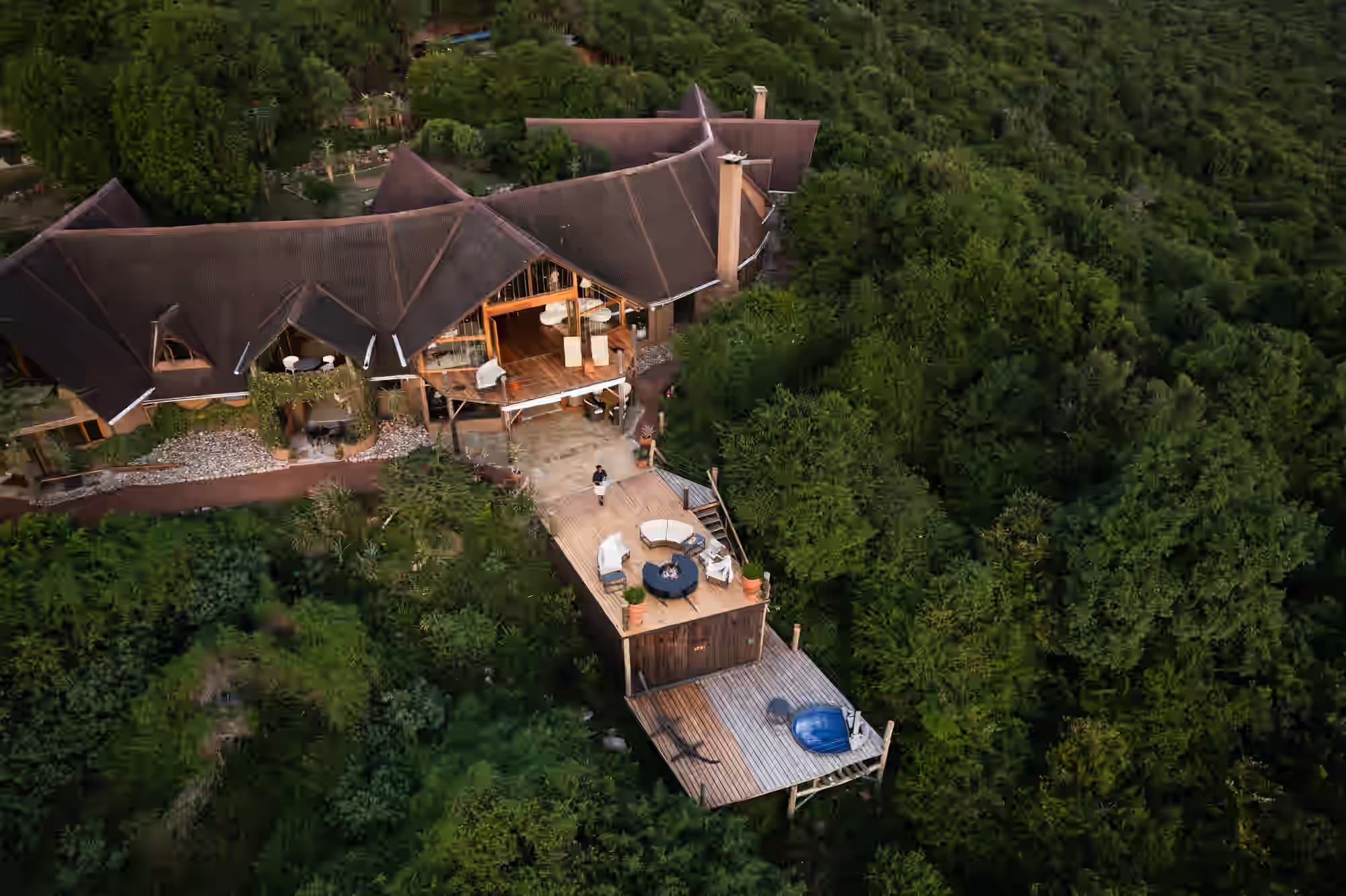
Angama Mara Safari Lodge
5

Lodge

Angama Mara Safari Lodge

Explore Property
Mara Plains Camp
5

Tented Camp

Mara Plains Camp

Explore Property
Mara Maisha Camp
4

Tented Camp

Mara Maisha Camp

Explore Property
Sarova Mara Game Camp
5

Tented Camp

Sarova Mara Game Camp

Explore Property
Masai Mara Sopa Lodge
3

Lodge

Masai Mara Sopa Lodge

Explore Property

Iconic Highlights

1

• The Great Wildebeest Migration — one of earth's greatest wildlife spectacles

2

• Year-round Big Five with exceptional lion, leopard, and cheetah

3

• Mara River crossings — explosive wildebeest river battles July–October

4

• Over 560 recorded bird species

5

• World's most documented and studied lion populations

6

• Numerous world-class luxury camps and lodges

7

• Surrounding conservancies offering even more exclusive experiences

Wildlife & Nature

Lion

Elephant

Leopard

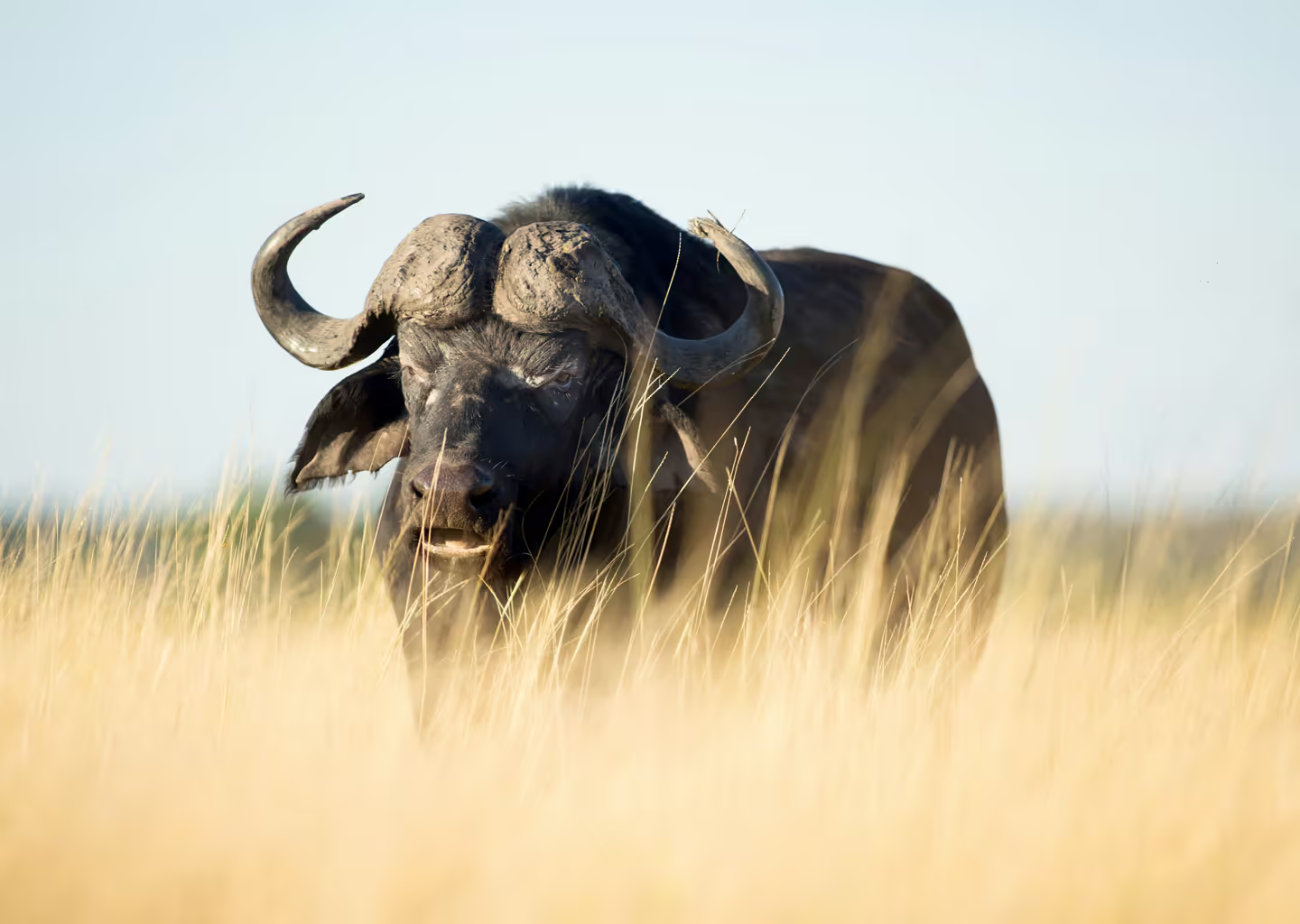
Buffalo

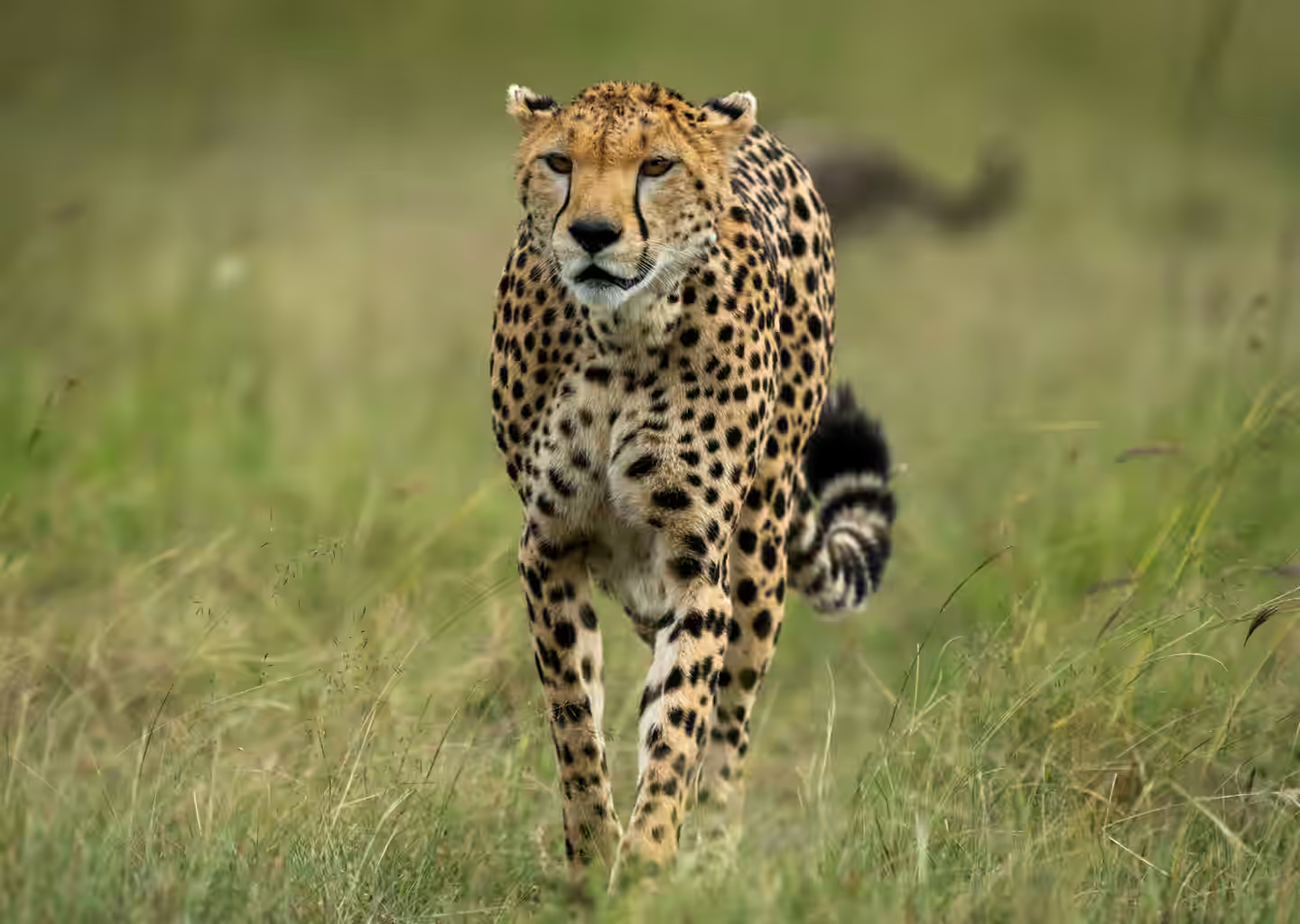
Cheetah

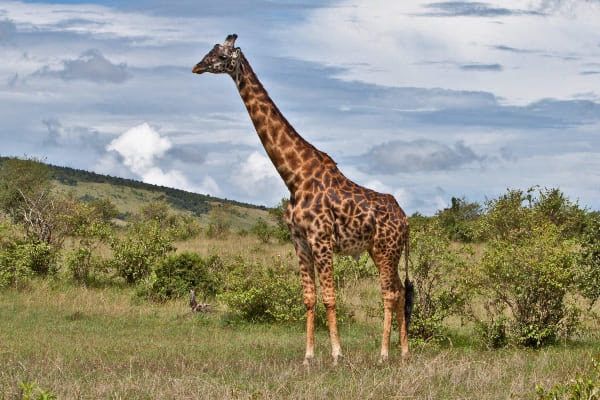
Giraffe

Zebra

Wildebeest

Hippo

Flamingo

Rhino

Climate & When to Visit

Best Time to Visit

Jan
Feb
Mar
Apr
May
Jun
Jul
Aug
Sep
Oct
Nov
Dec

Monthly Averages

MonthTemp HighTemp LowRainfall
Apr26°C--°C-- mm
Aug28°C--°C-- mm
Dec228°C--°C-- mm
Feb29°C--°C-- mm
Jan28°C--°C-- mm
Jul26°C--°C-- mm
Jun24°C--°C-- mm
Mar28°C--°C-- mm
May24°C--°C-- mm
Nov28°C--°C-- mm
Oct27°C--°C-- mm
Sep28°C--°C-- mm

Travel Requirements

Non-resident adult entry fees for the Masai Mara National Reserve are approximately USD 80 per person per day, payable via the Narok County Government's online system or at reserve gates. A valid passport and Kenya eTA are mandatory for all international visitors. Yellow fever vaccination is required for travellers from or passing through endemic countries. Malaria prophylaxis is essential — the Mara region carries significant malaria risk year-round. Numerous flights connect Nairobi's Wilson Airport to Mara airstrips including Ol Kiombo, Keekorok, and Angama, taking approximately 50–60 minutes. Road transfer from Nairobi takes approximately 5.5 hours via Narok on the B3 highway.

Frequently Asked Questions

When is the Great Migration in the Masai Mara?
The Great Migration wildebeest typically arrive in the Masai Mara ecosystem from Tanzania's Serengeti from late July, with the main crossing season running from August through October. The herds begin returning south from October onwards. The most dramatic Mara River crossings are typically witnessed between August and early October.
Is the Masai Mara worth visiting outside the Migration season?
Absolutely. The Mara offers year-round outstanding wildlife — particularly for lion, leopard, cheetah, and elephant. The months of January to March feature calving season in the Serengeti, bringing predator action and baby wildebeest. The green season of November to June is less crowded with lower rates and lush scenery.
How do I get to the Masai Mara?
The most efficient approach is by scheduled light aircraft from Nairobi's Wilson Airport to one of several Mara airstrips (approximately 50–60 minutes). Road transfer from Nairobi takes approximately 5.5 hours via Narok. Helicopter transfers and private aircraft charters are also available.
Is the Masai Mara overcrowded with tourist vehicles?
The central public reserve can become congested at popular predator sightings, particularly during peak migration season. To avoid crowds, consider staying in the surrounding private conservancies (Naboisho, Mara North, Ol Choro Oiroua, etc.) where strict vehicle limits apply, or visiting in the green season.
What is the difference between the Masai Mara National Reserve and the surrounding conservancies?
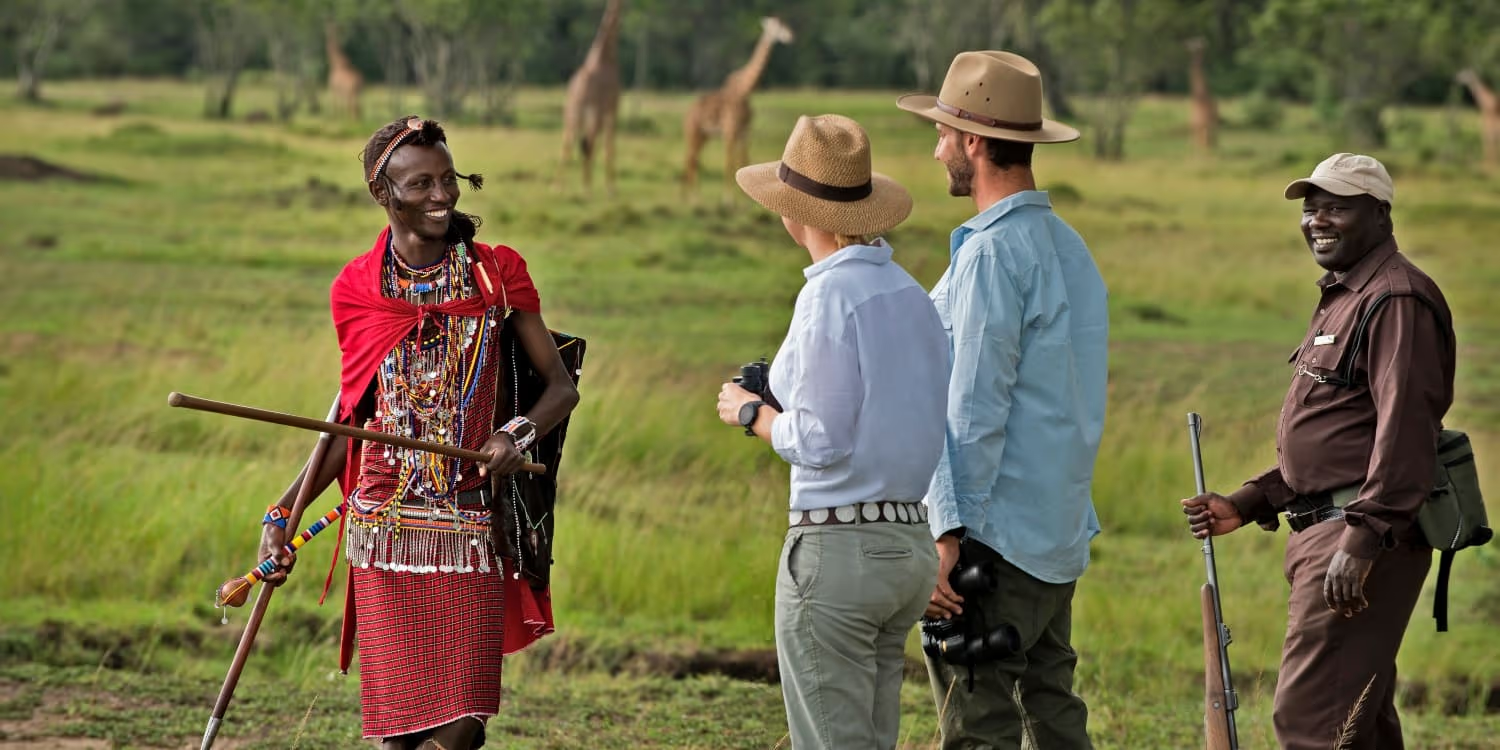
The Masai Mara National Reserve is the core public protected area managed by Narok County. Surrounding conservancies are private or community-managed lands where activities like night drives, bush walks, and off-road driving are permitted, vehicle numbers are strictly limited, and tourism revenues flow directly to Maasai communities.

Ready to Explore?

Dest Type

Game Reserves

Status

Entry Permits Required

Need Expert Advice?

Speak with a Safari Specialist

Learn More