
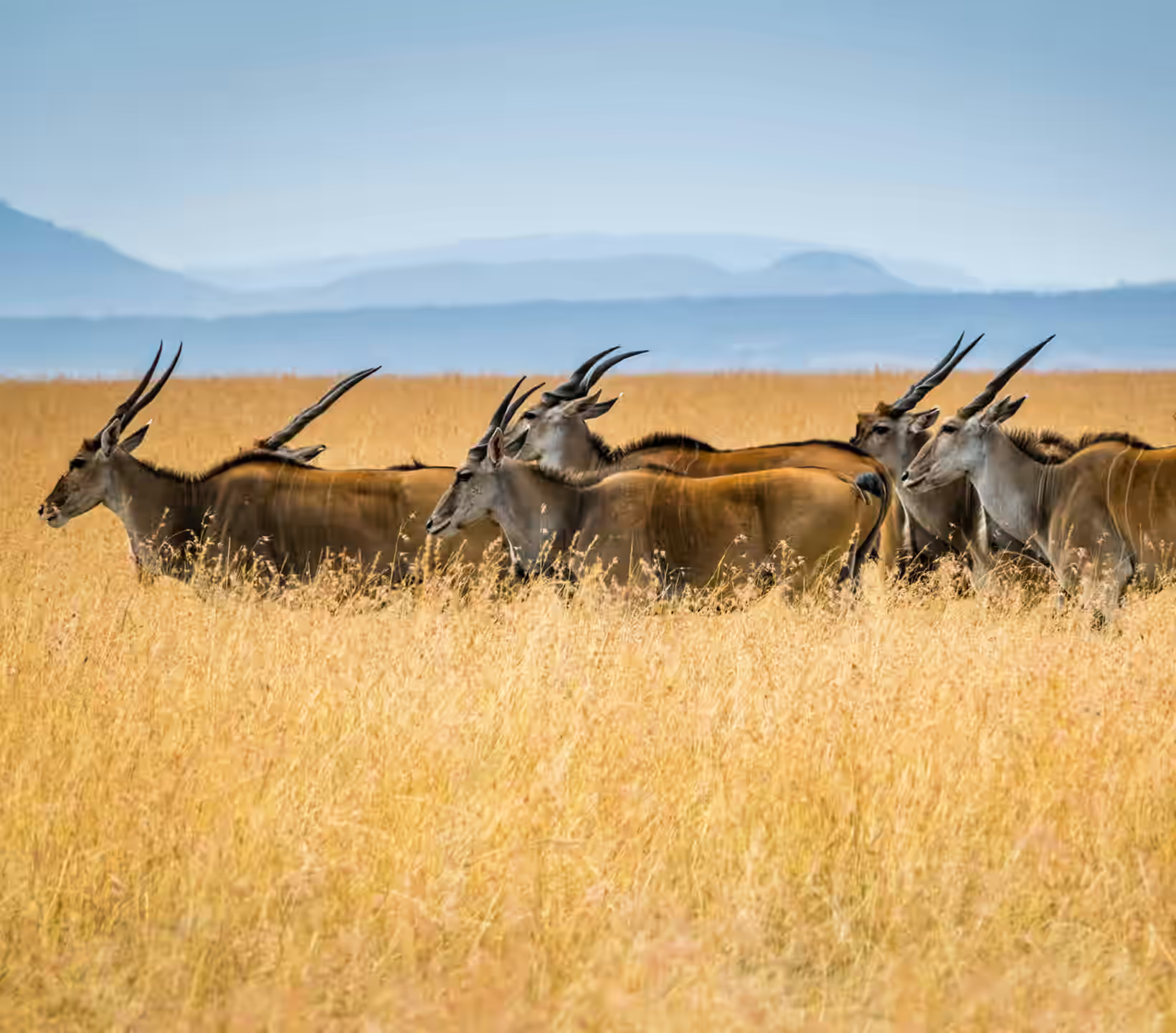
Experience Samburu National Reserve
Samburu National Reserve is one
of Kenya's most celebrated and distinctive wildlife destinations — a
165-square-kilometre sanctuary in the semi-arid north of the country that
offers a safari experience fundamentally different from anything available in Kenya's
southern parks. The reserve occupies both banks of the Ewaso Ng'iro River — the
'river of brown water' — in Samburu County, its shoreline fringed with ancient
doum palms, yellow-barked fever trees, and dense riparian forest that creates
an oasis of life in an otherwise parched landscape. The reserve is renowned for
the 'Samburu Special Five' — five northern-specialist species that are either
absent or very rare in southern Kenya's national parks: reticulated giraffe,
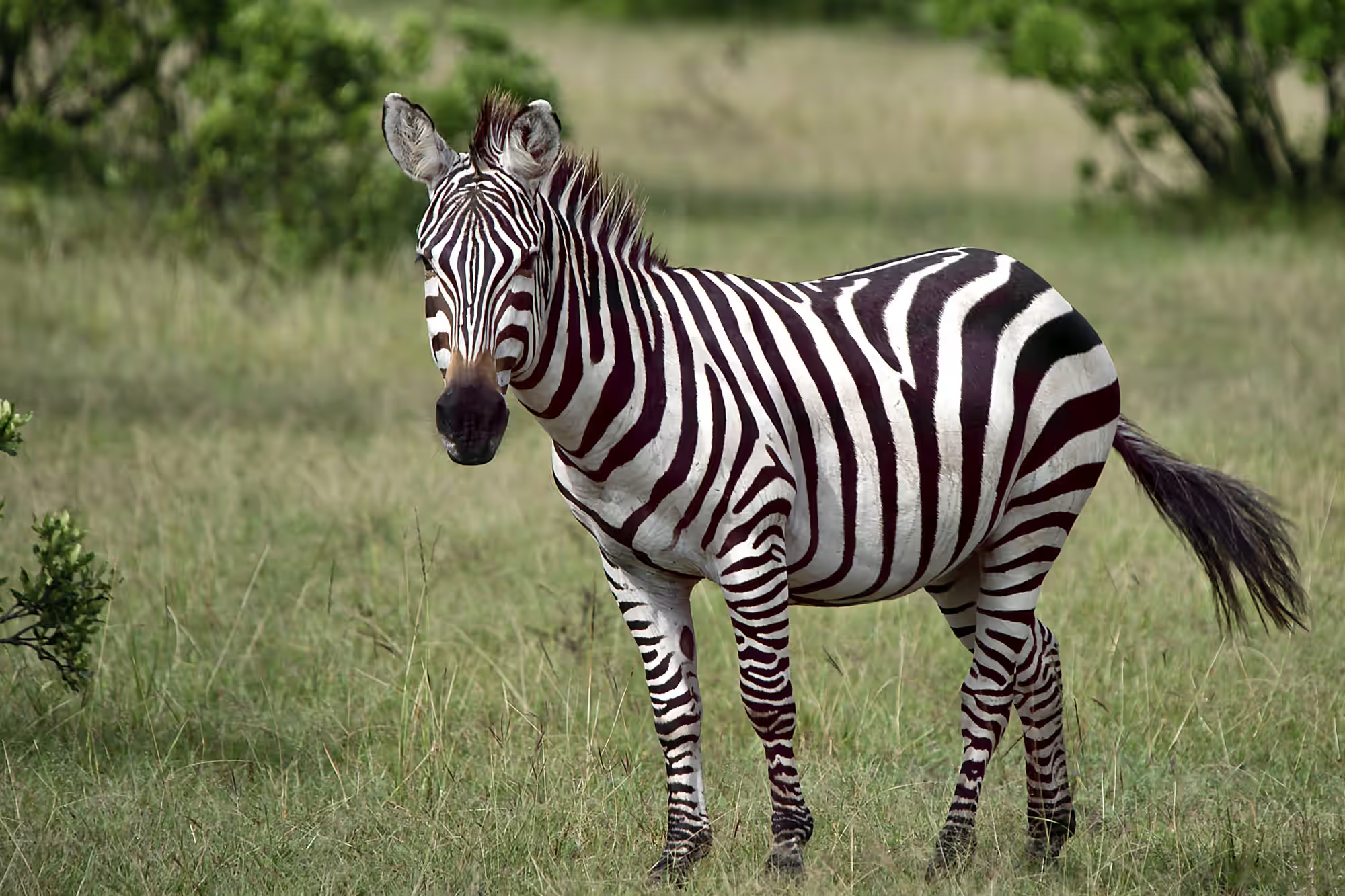
Grevy's zebra, Beisa oryx, Somali ostrich, and the extraordinary gerenuk, the
'giraffe gazelle' that feeds standing fully upright on its hind legs. The Ewaso
Ng'iro River is the reserve's defining ecological feature, attracting enormous
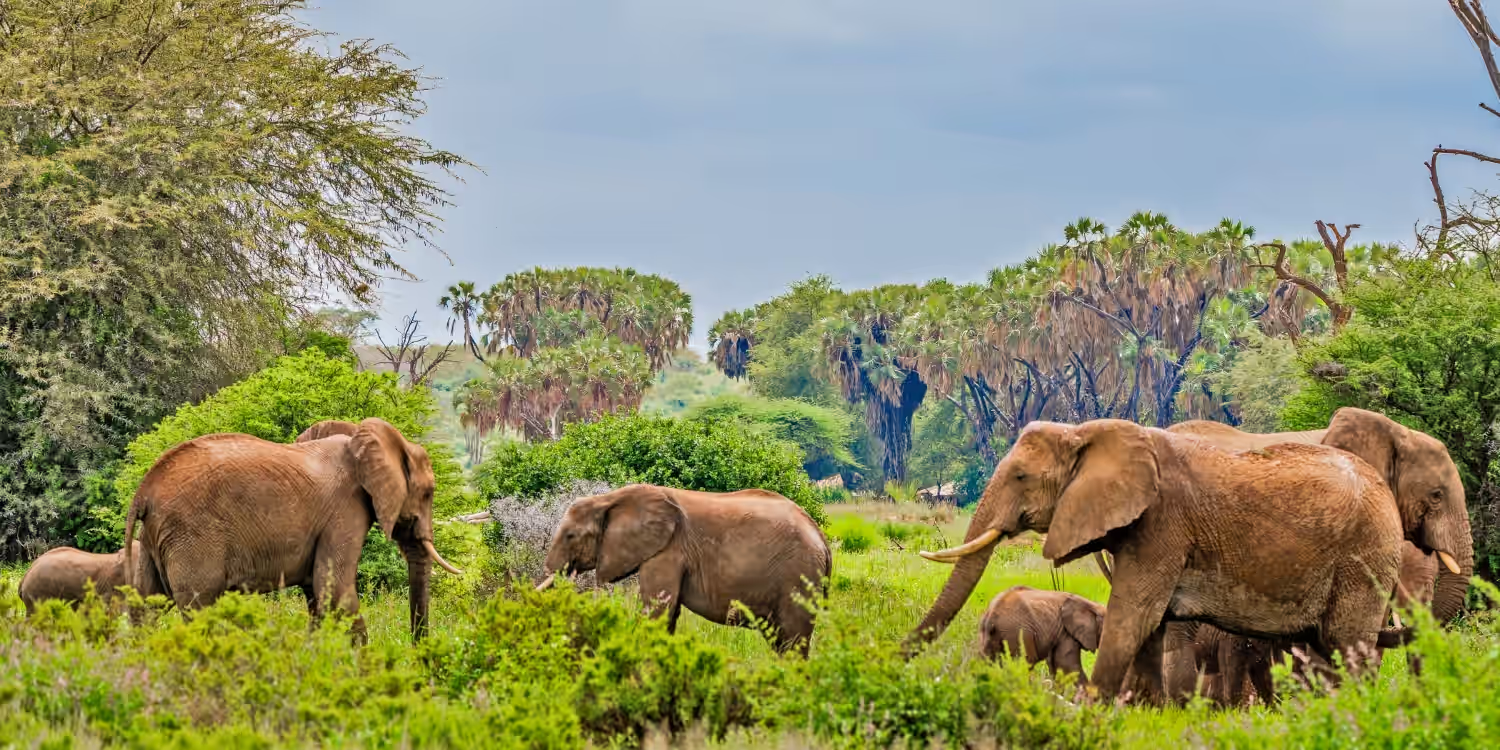
concentrations of wildlife — particularly elephant herds that come to drink and
bathe — and supporting resident populations of large Nile crocodiles and
hippos. The reserve has been the setting for numerous acclaimed wildlife films
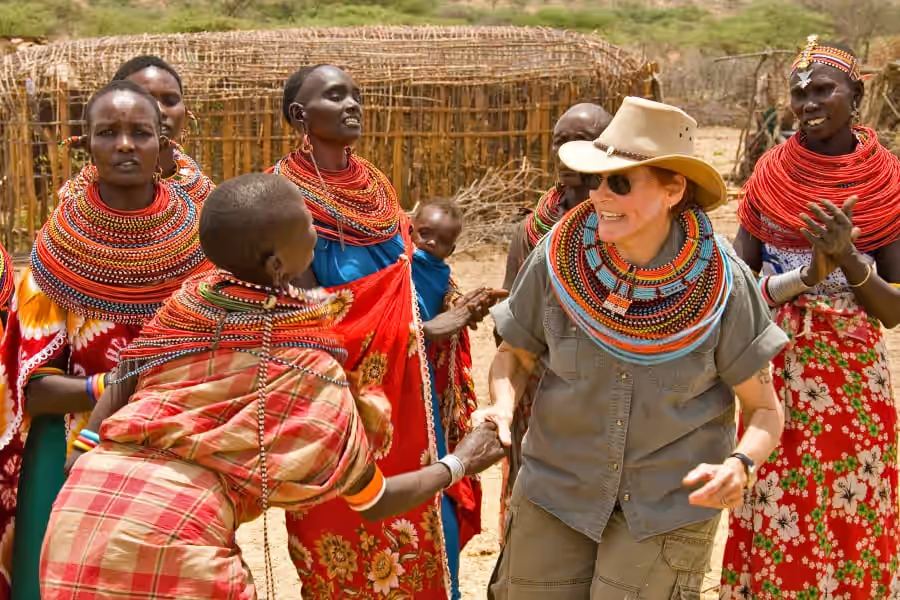
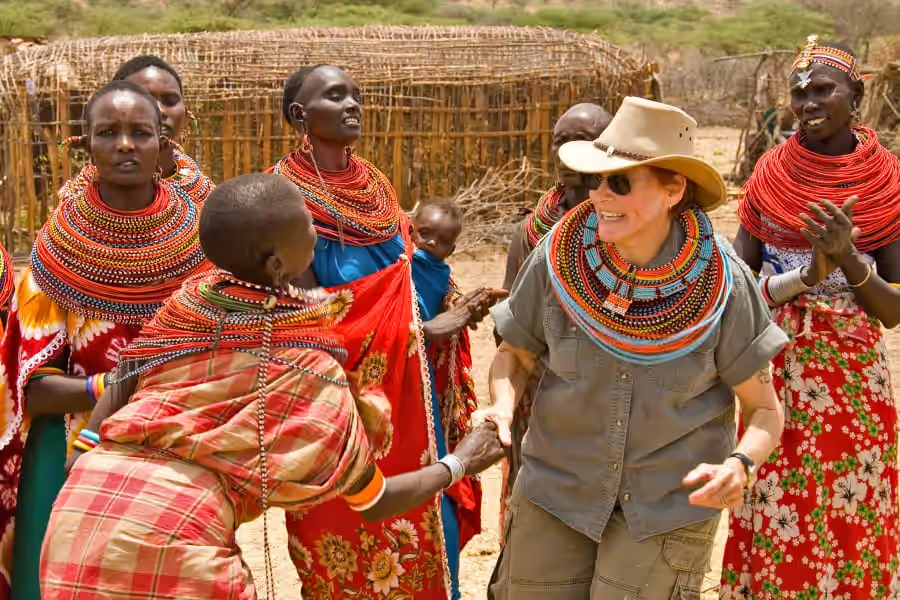
and is the ancestral homeland of the Samburu people, whose distinctive culture
and beadwork traditions add a rich human dimension to any visit.
Explore on Map
Popular Safaris in Samburu National Reserve
Things to Do
Where to Stay
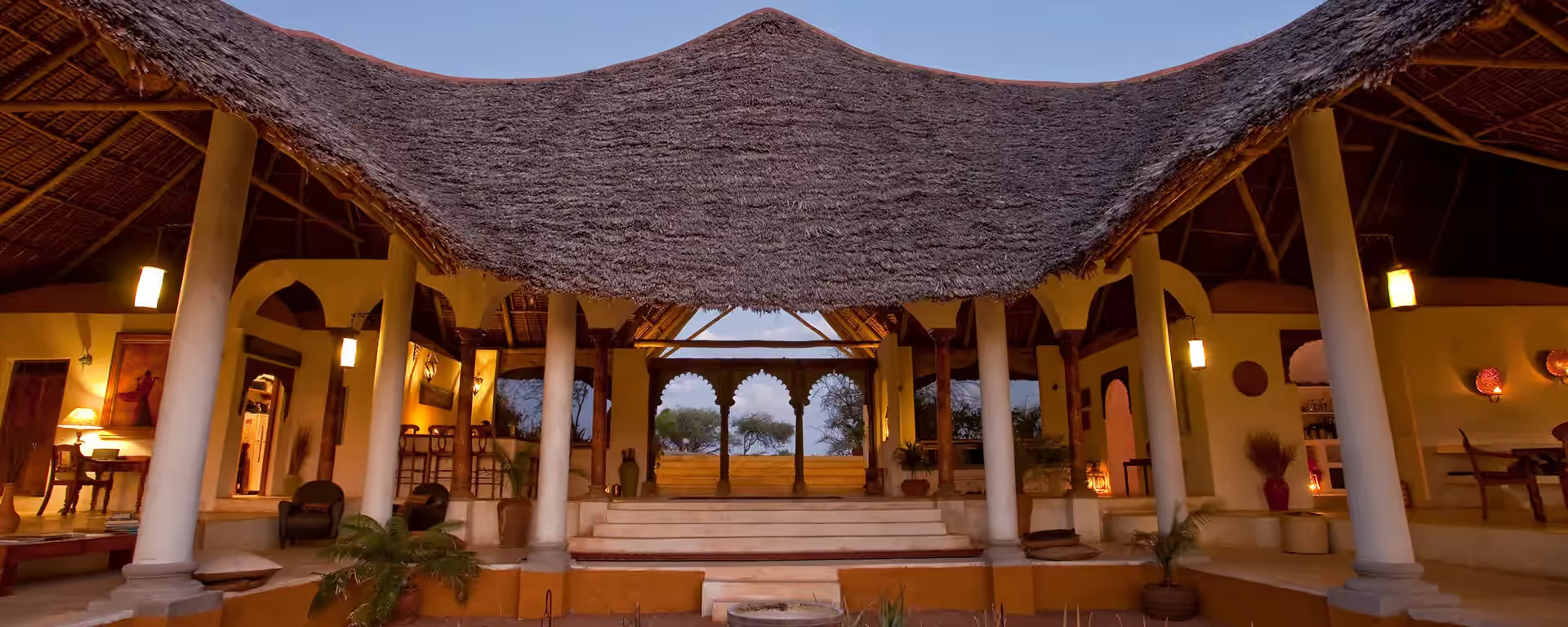
Iconic Highlights
• Home to the famous Samburu Special Five — northern wildlife endemics
• Dramatic Ewaso Ng'iro River with elephant, crocodile, and hippo
• Reticulated giraffe — the world's tallest giraffe subspecies
• Gerenuk — the unique 'giraffe gazelle' feeding upright on hind legs
• Spectacular doum palm and acacia riverine landscape
• Adjacent to Buffalo Springs and Shaba reserves — superb circuit
• Samburu people — traditional culture and vibrant beadwork
Wildlife & Nature
Giraffe
Zebra
Elephant
Lion
Leopard
Cheetah
Photo Gallery
Climate & When to Visit
Best Time to Visit
Monthly Averages
| Month | Temp High | Temp Low | Rainfall |
|---|---|---|---|
| Apr | 30°C | --°C | -- mm |
| Aug | 31°C | --°C | -- mm |
| Dec | 31°C | --°C | -- mm |
| Feb | 32°C | --°C | -- mm |
| Jan | 31°C | --°C | -- mm |
| Jul | 29°C | --°C | -- mm |
| Jun | 28°C | --°C | -- mm |
| Mar | 31°C | --°C | -- mm |
| May | 28°C | --°C | -- mm |
| Nov | 30°C | --°C | -- mm |
| Oct | 30°C | --°C | -- mm |
| Sep | 31°C | --°C | -- mm |
Travel Requirements
Samburu National Reserve charges
KWS entry fees of approximately USD 45 per person per day for non-resident
adults, payable via eCitizen. A valid passport and Kenya eTA are required.
Yellow fever vaccination is recommended for visitors from endemic countries.
Malaria prophylaxis is essential for this low-altitude, warm, semi-arid
environment. Light aircraft from Nairobi's Wilson Airport to Samburu/Archer's
Post airstrip takes approximately 50 minutes via scheduled or charter services.
Road access from Nairobi via Isiolo takes approximately 5–6 hours on a good
road. The three northern reserves (Samburu, Buffalo Springs, Shaba) can be
visited on a combined circuit for maximum wildlife exposure.