
Experience Kenya
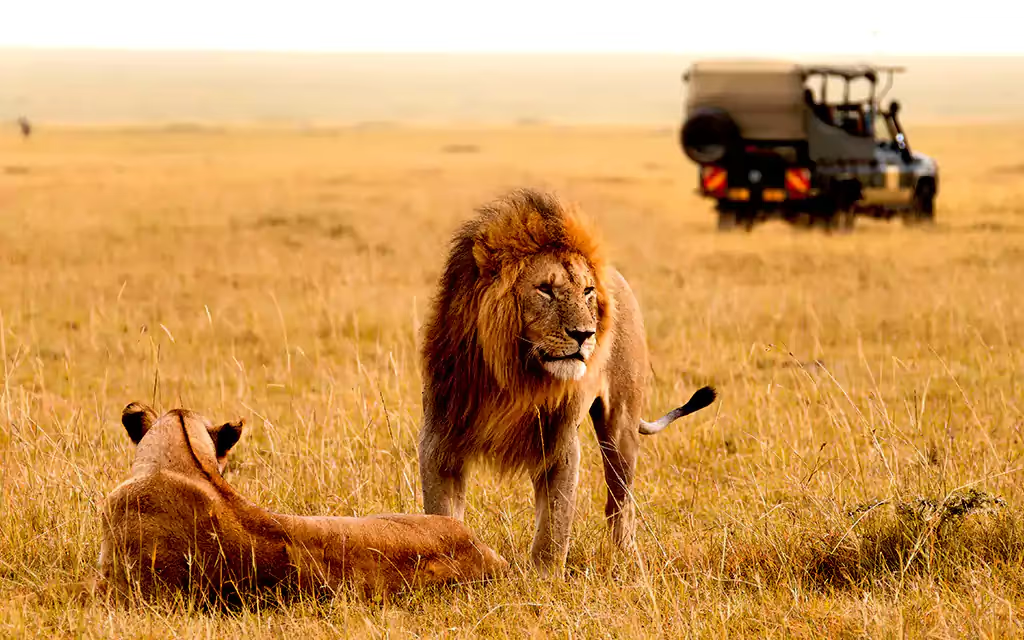
Kenya, the heart of East Africa, is a land of dramatic landscapes and vibrant cultures, renowned globally as the ultimate safari destination. From the sweeping savannahs of the Maasai Mara, home to the Great Migration, to the snow-capped peaks of Mount Kenya, Africa's second-highest mountain, this country offers an unparalleled diversity of experiences.
Visitors can witness the iconic 'Big Five' in their natural habitat, explore vast national parks like Amboseli with its stunning views of Kilimanjaro, or discover the unique wildlife of Tsavo East and West. Beyond the wildlife, Kenya boasts a breathtaking coastline along the Indian Ocean, featuring pristine white-sand beaches like Diani, Watamu, and Malindi, perfect for relaxation, water sports, and marine life encounters.
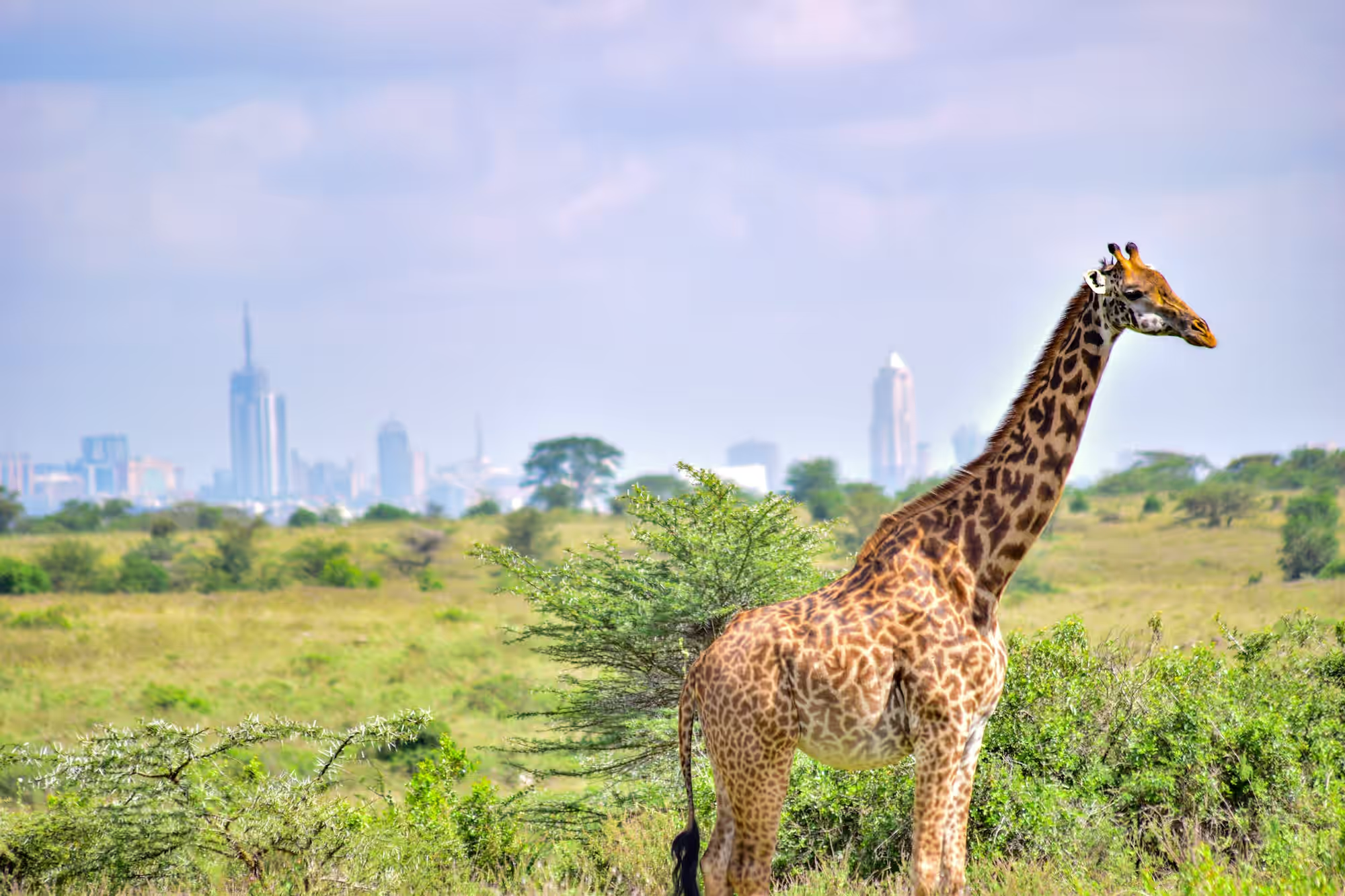
The capital city, Nairobi, serves as a bustling hub, offering a unique blend of urban sophistication and wild encounters, with attractions like the Nairobi National Park – the only national park within a capital city – and the Giraffe Centre. Kenya's rich cultural tapestry is woven from over 40 ethnic groups, most notably the Maasai with their distinctive traditions and attire. A visit to Kenya is not just a holiday; it's an immersive journey into the cradle of humanity, promising adventure, discovery, and unforgettable memories.
Capital
Nairobi
Currency
Kenyan Shilling (Ksh)
Languages
Swahili, English
ISO Code
KE
Explore on Map
Iconic Destinations in Kenya
Meru National Park
Nairobi National Park
Ol Pejeta Conservancy
Mombasa
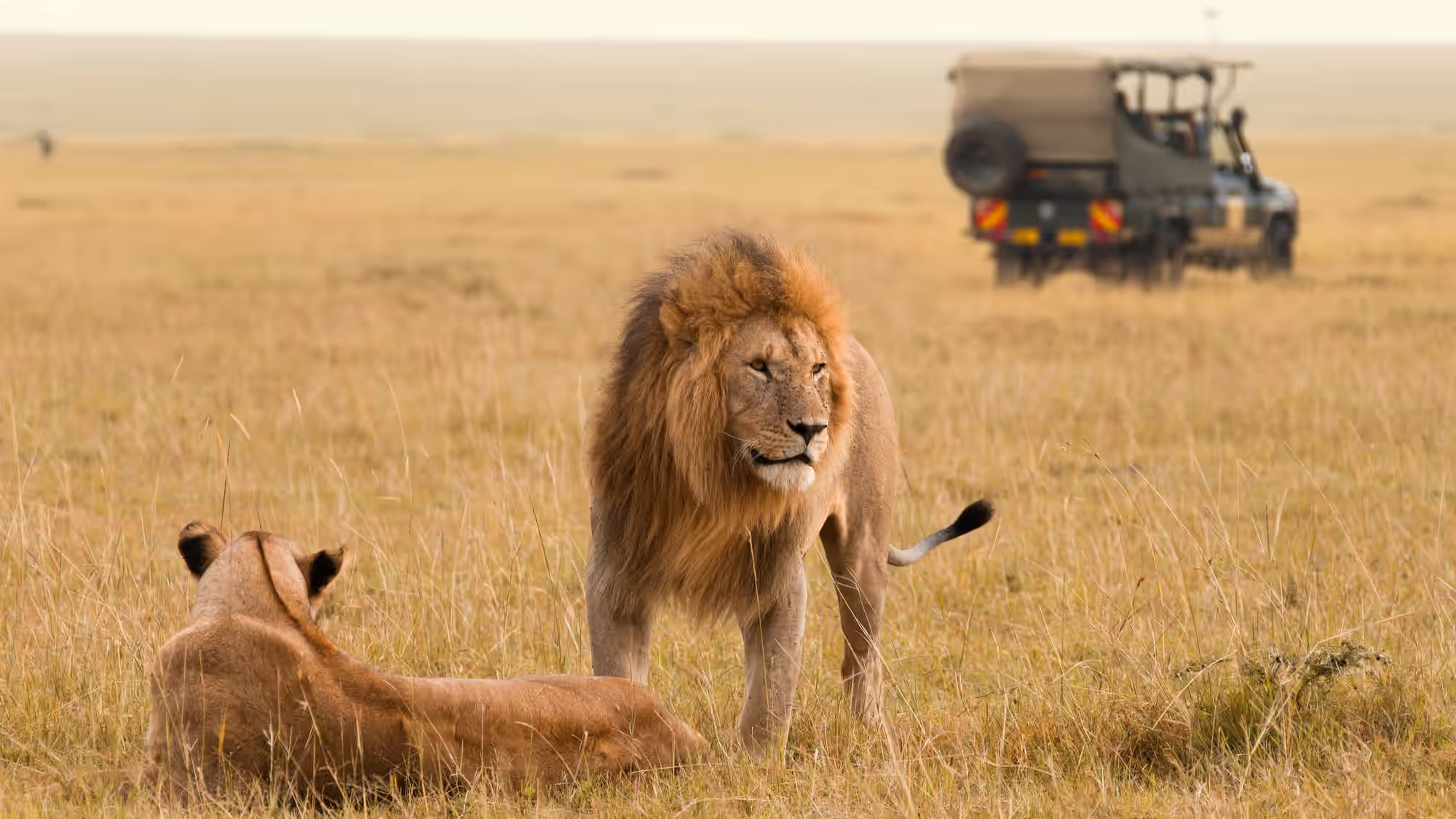
Masai Mara National Reserve
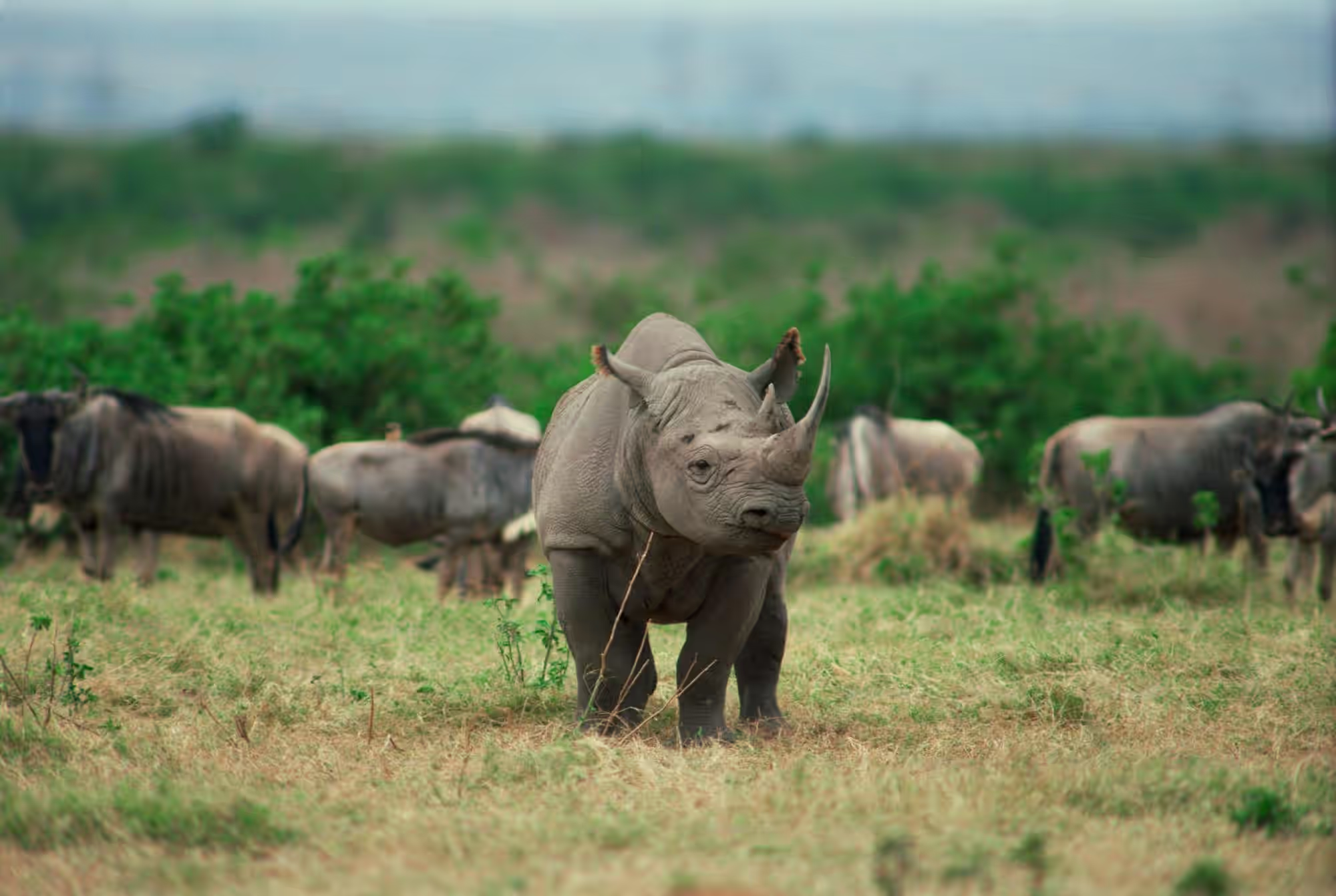
Lewa Wildlife Conservancy
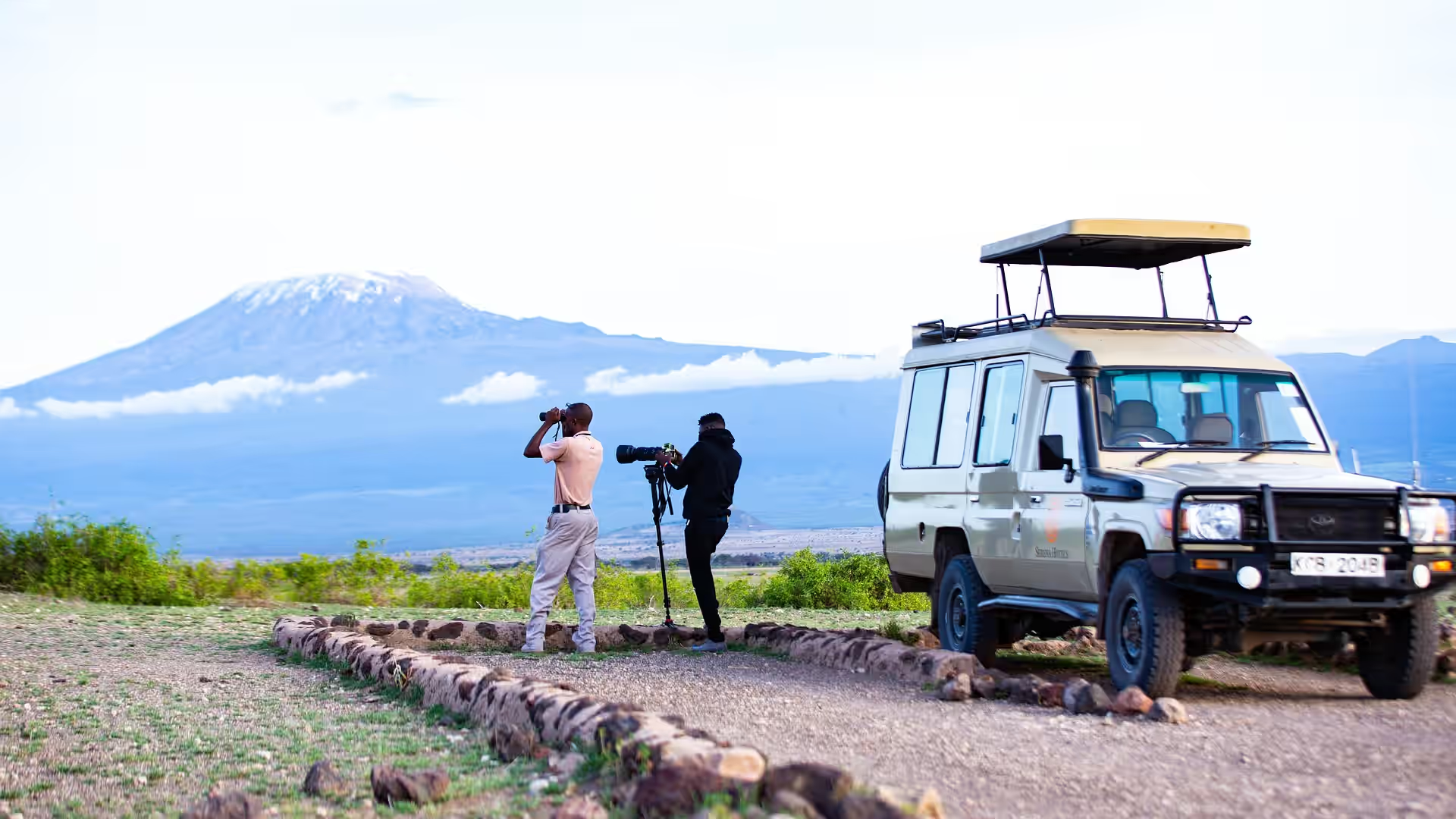
Amboseli National Park
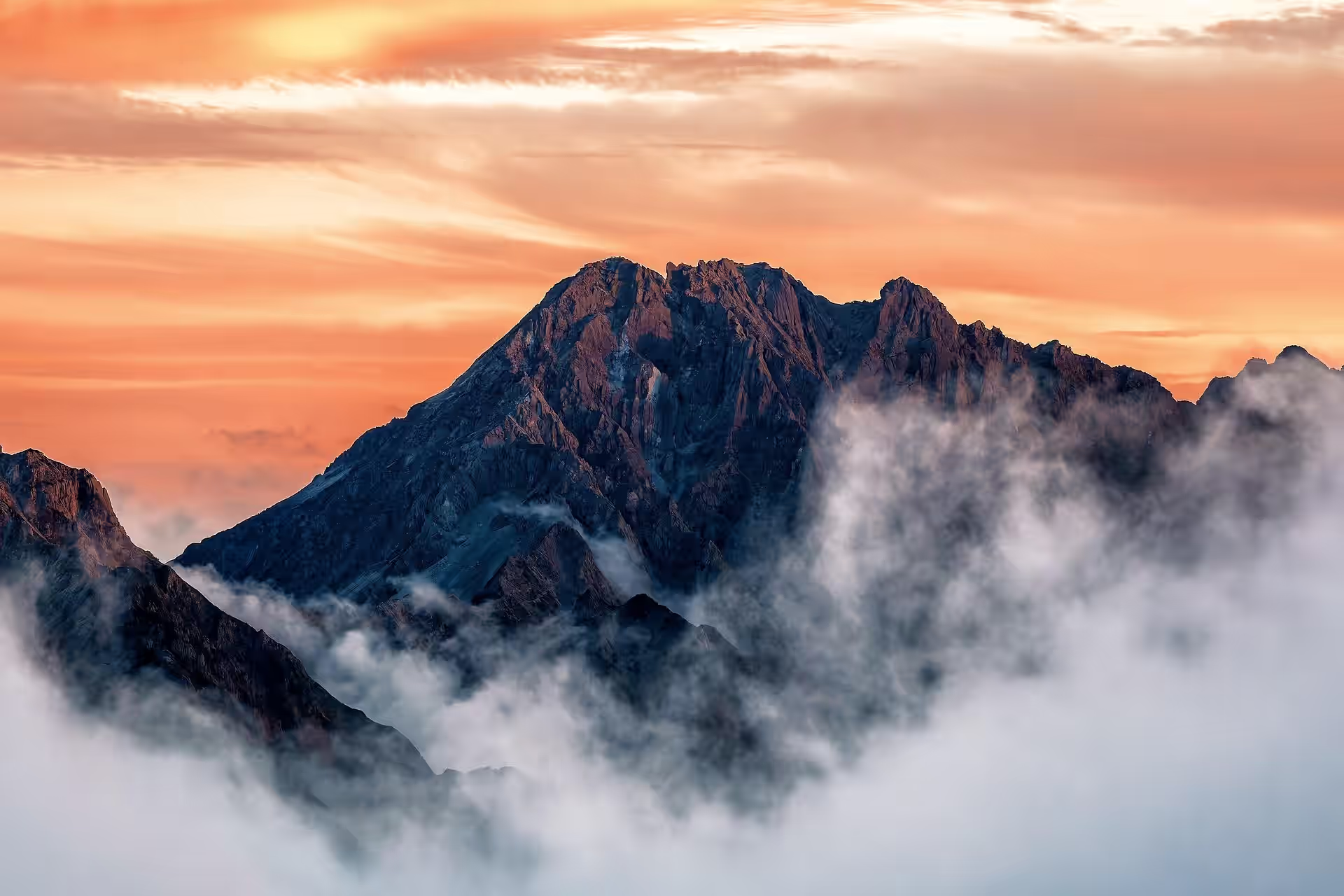
Hell's Gate National Park
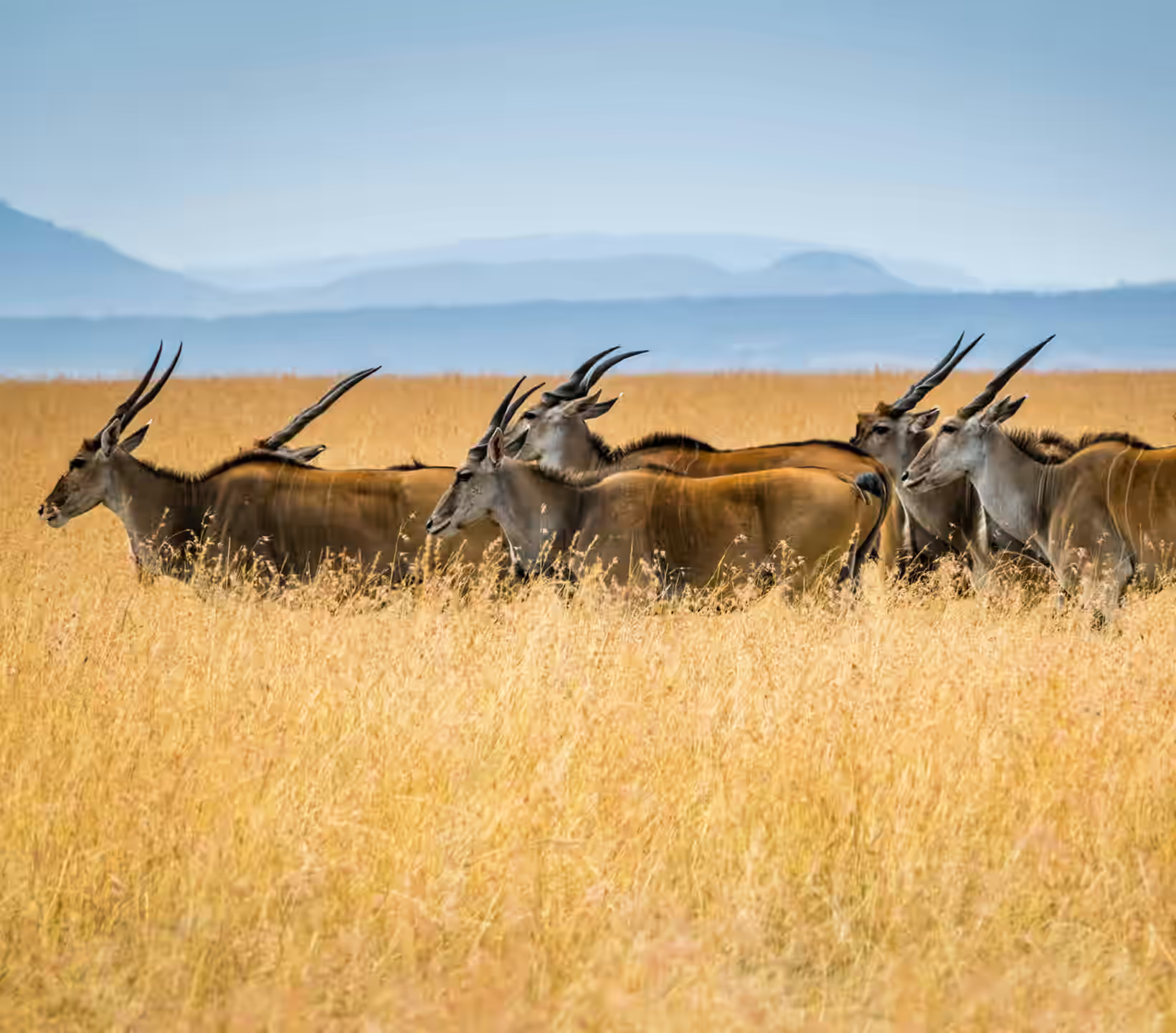
Samburu National Reserve
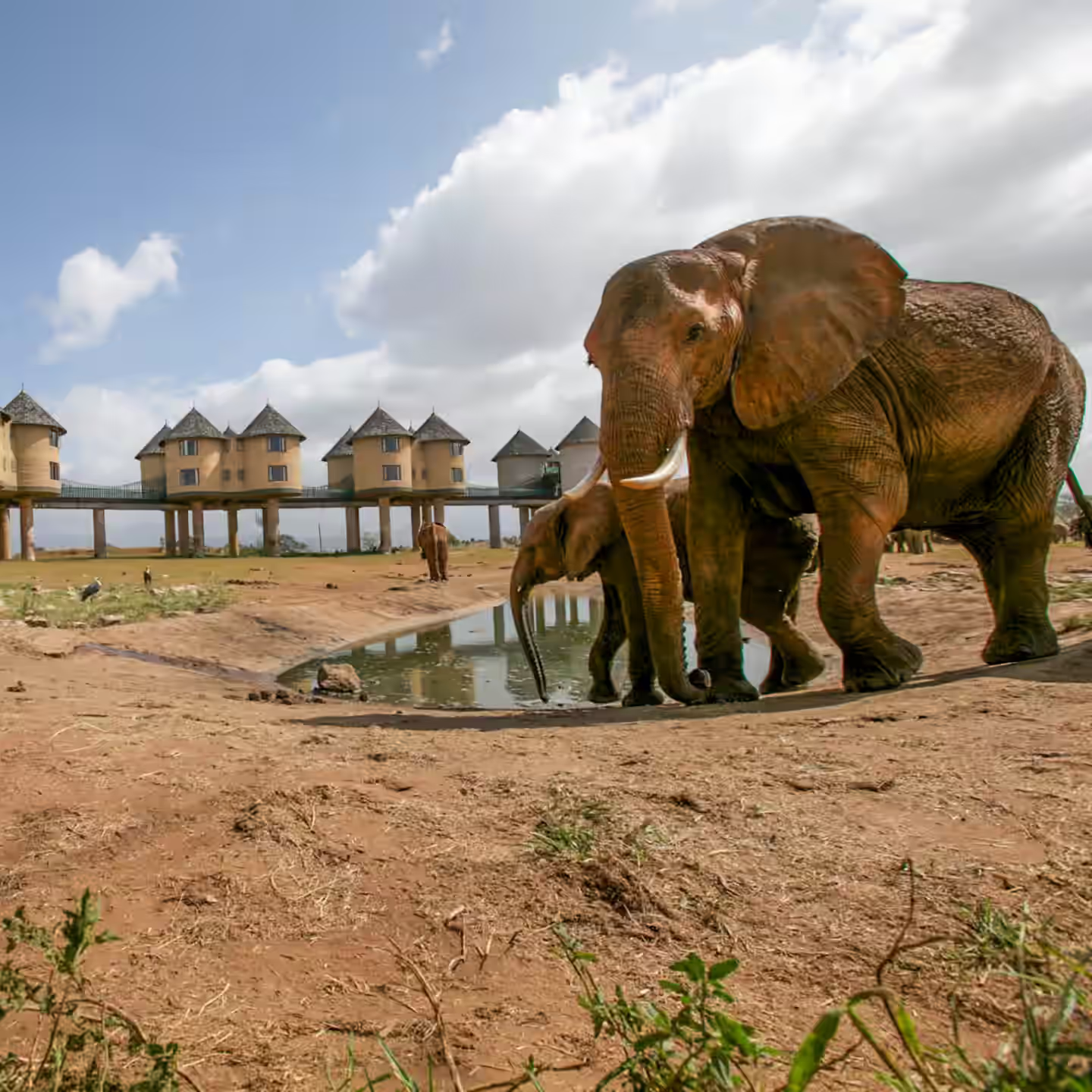
Tsavo East National Park
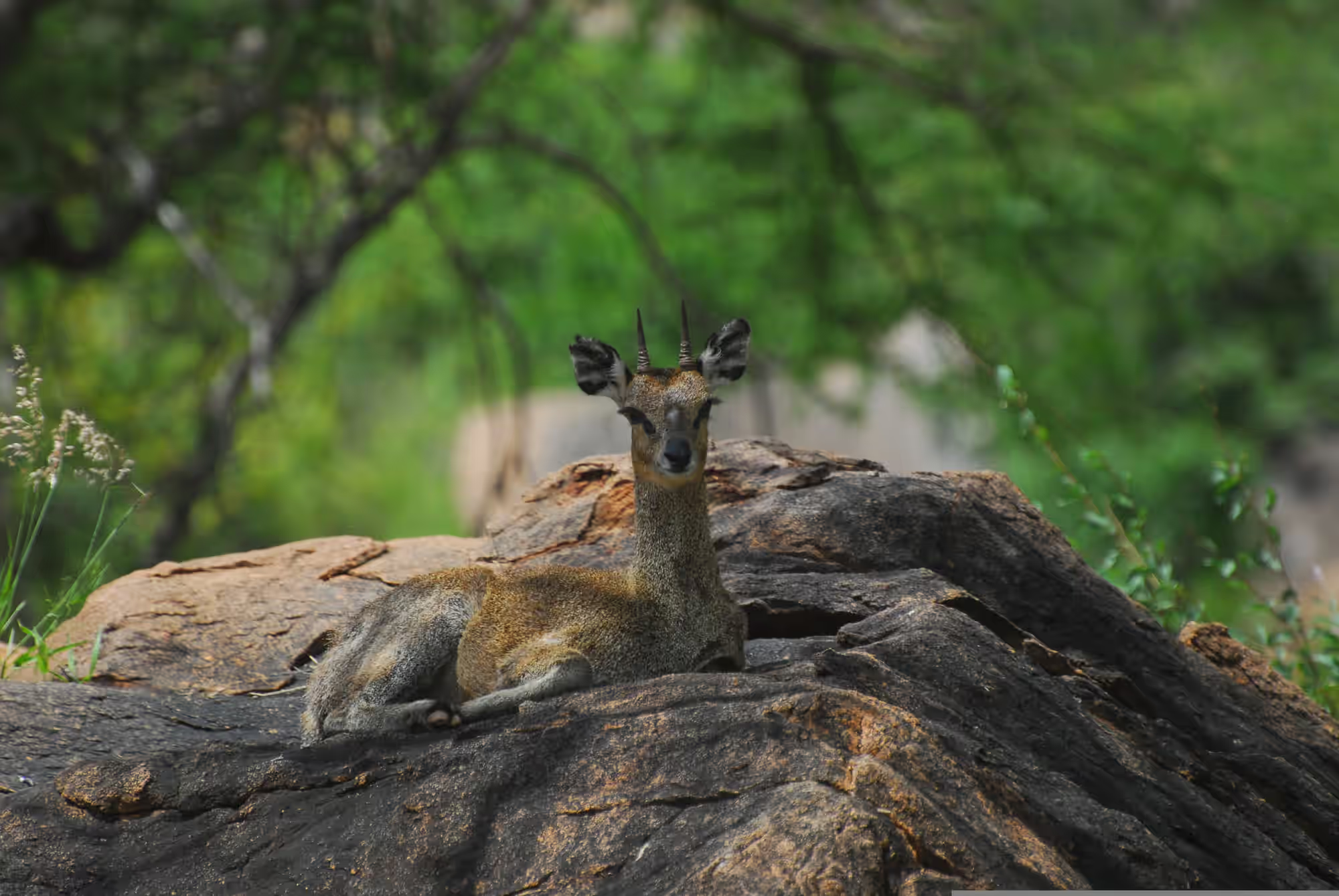
Tsavo West National Park

Mount Kenya
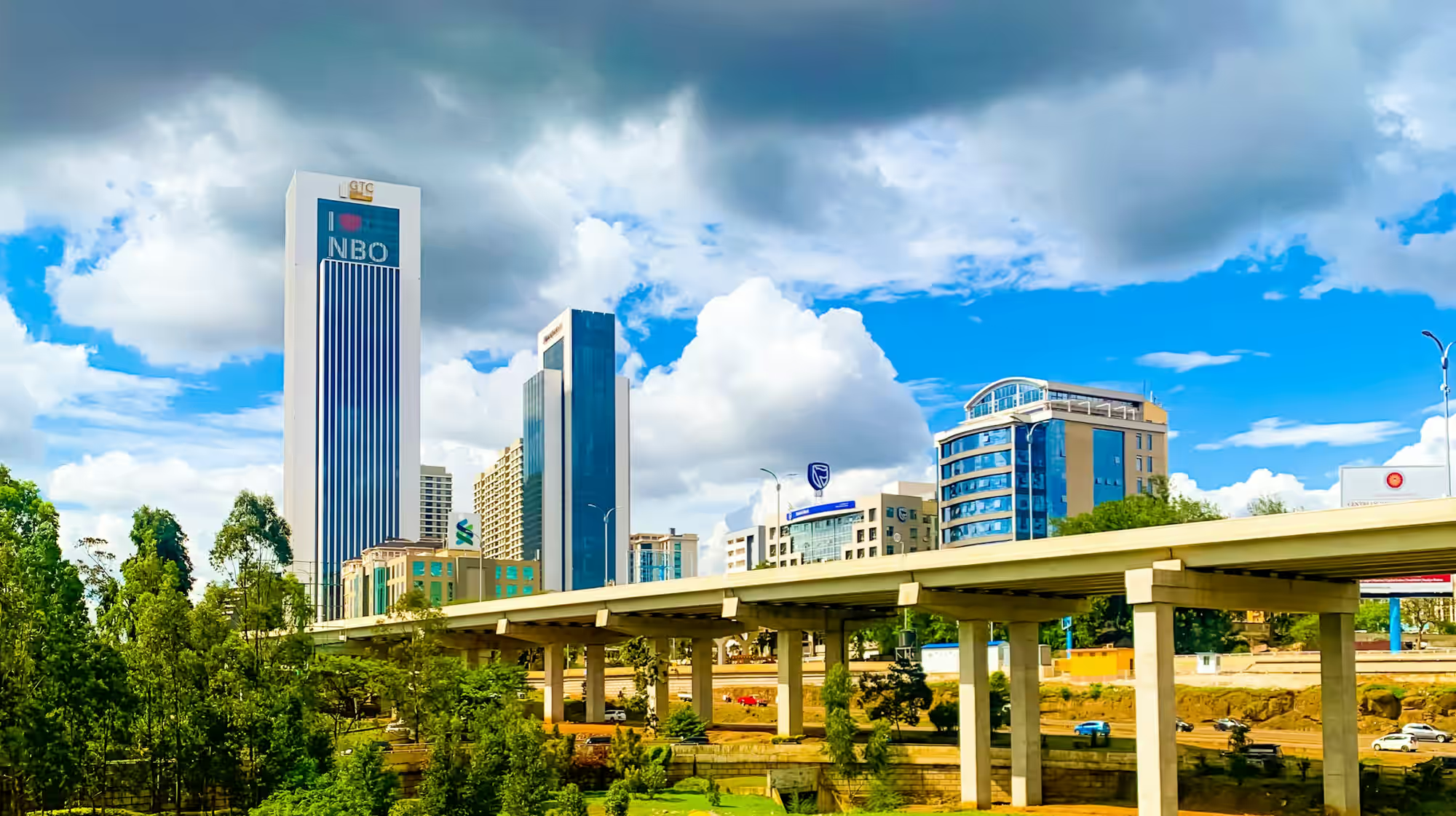
Nairobi
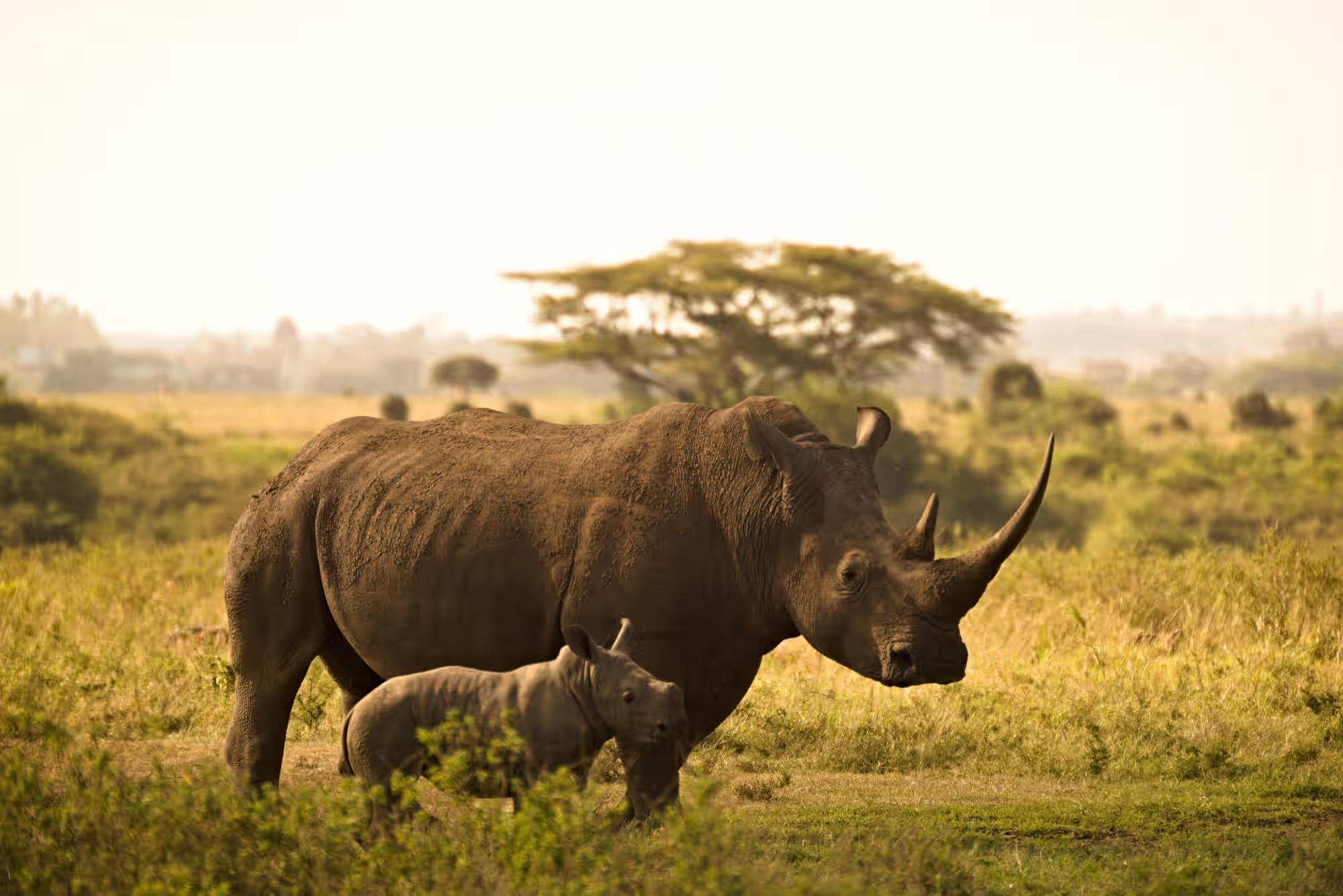
Borana Conservancy
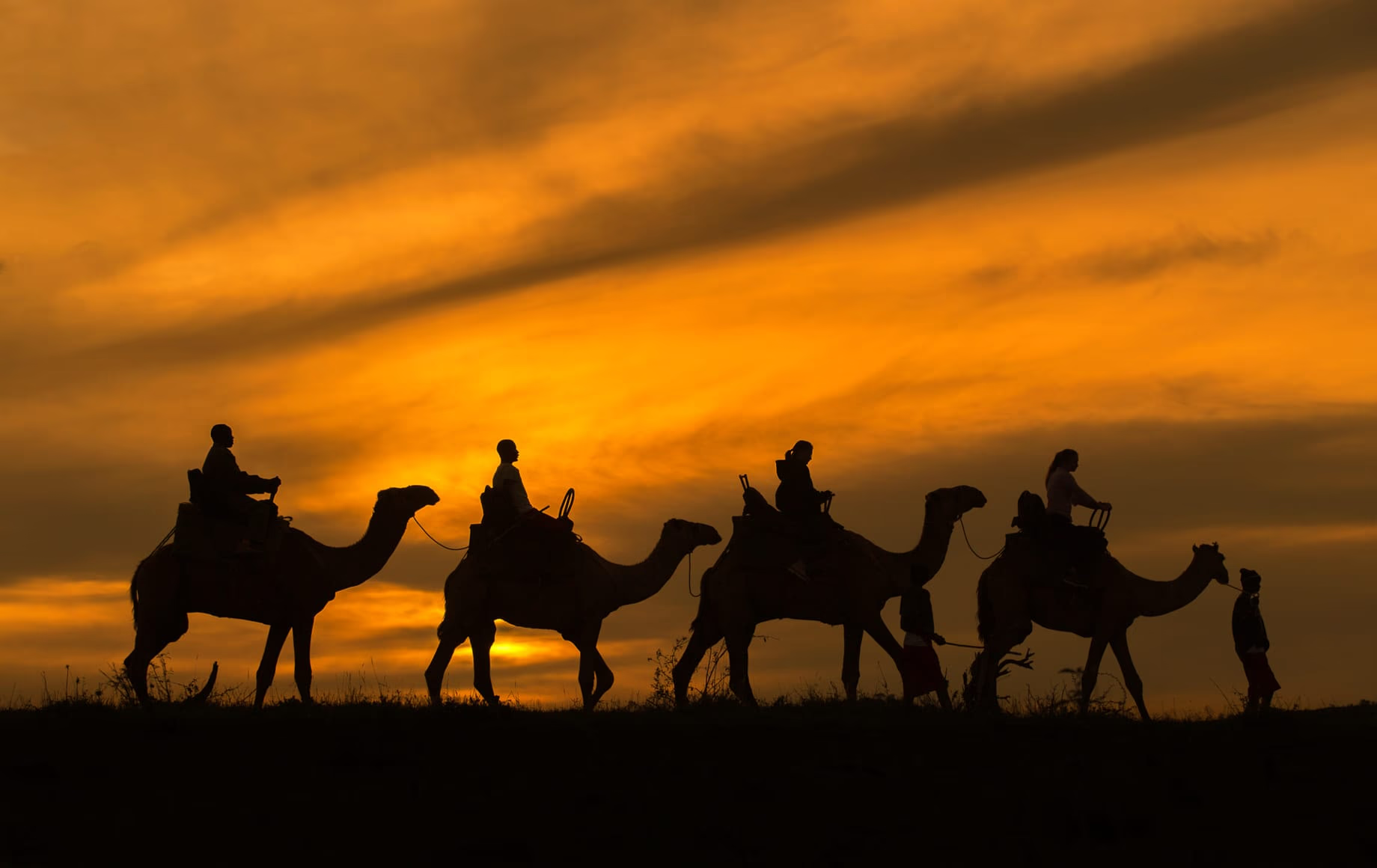
Laikipia Plateau
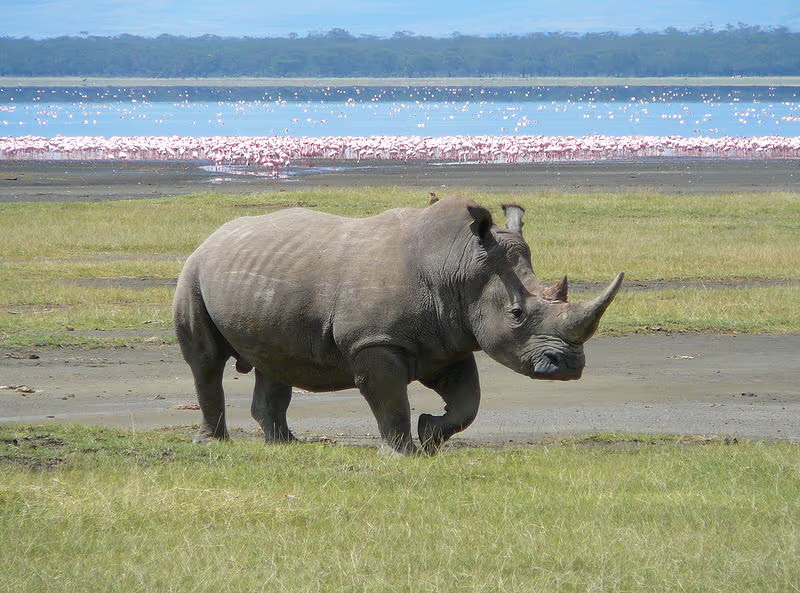
Lake Nakuru National Park
Exquisite Lodges & Camps in Kenya
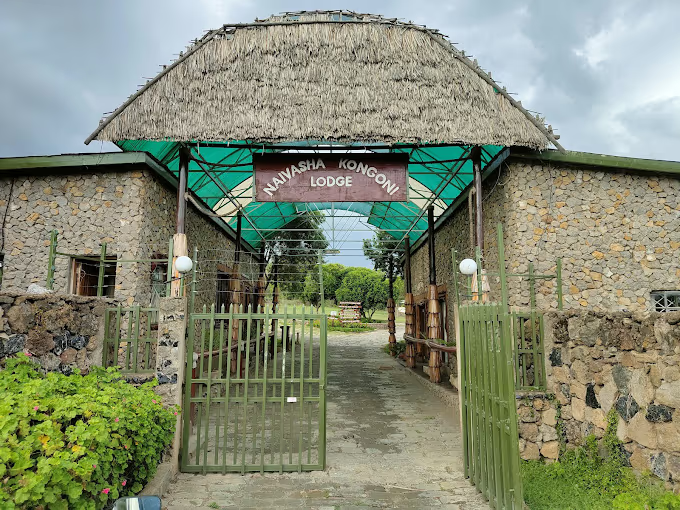
Naivasha Kongoni Lodge
Nestled on the serene shores of Lake Oloiden, Naivasha Kongoni Lodge is an intimate, eco-conscious boutique retreat that offers breathtaking views of the Rift Valley escarpment and acacia-studded savannah. With only 29 individually designed private cottages ranging from Deluxe Suites to Executive Honeymoon Villas with private plunge pools and jacuzzis, the lodge ensures an atmosphere of exclusivity, tranquility, and romance. The Red Cliff Restaurant serves superb local and international cuisine, and the setting is perfectly positioned to explore Hell's Gate National Park, Mount Longonot, and Crescent Island. Ideal for couples, honeymooners, and discerning families seeking an authentic Rift Valley escape.
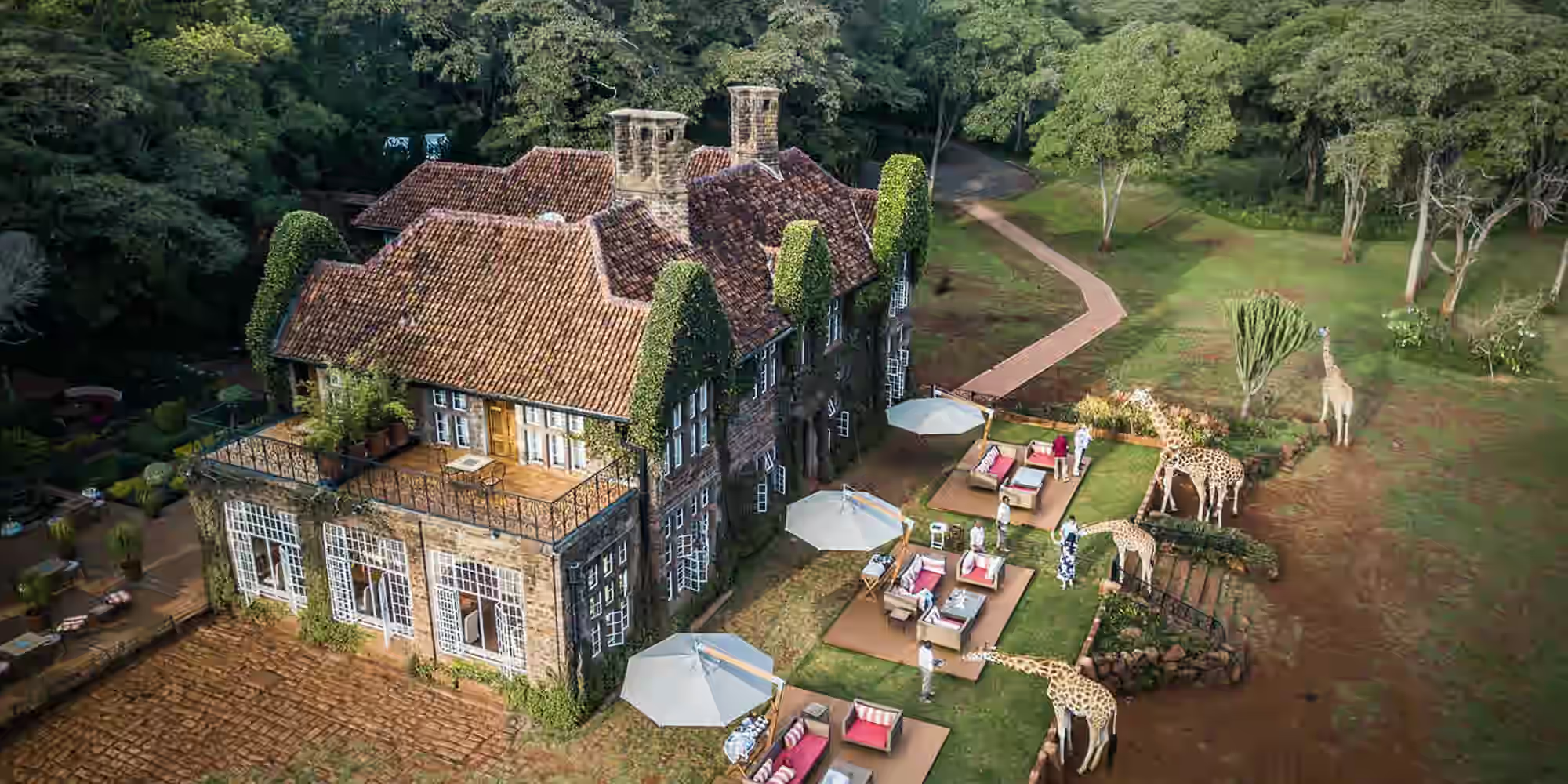
Giraffe Manor Nairobi
Giraffe Manor is one of the world's most iconic and photographed boutique hotels, owned and operated by The Safari Collection. Set within a private 140-acre indigenous forest sanctuary in Nairobi's Langata suburb, the historic 1930s Scottish hunting lodge-style manor is famous for its resident herd of endangered Nubian (Rothschild's) giraffes — who freely roam the grounds and make unforgettable appearances at breakfast windows and during afternoon tea. Comprising the original Historic Manor and the newer Garden Manor, the property offers 12 individually decorated rooms exuding colonial-era elegance with four-poster beds, antique furnishings, and lush garden views. Giraffe Manor is consistently one of Africa's most sought-after properties and is typically booked 9–18 months in advance. Rates are fully all-inclusive.
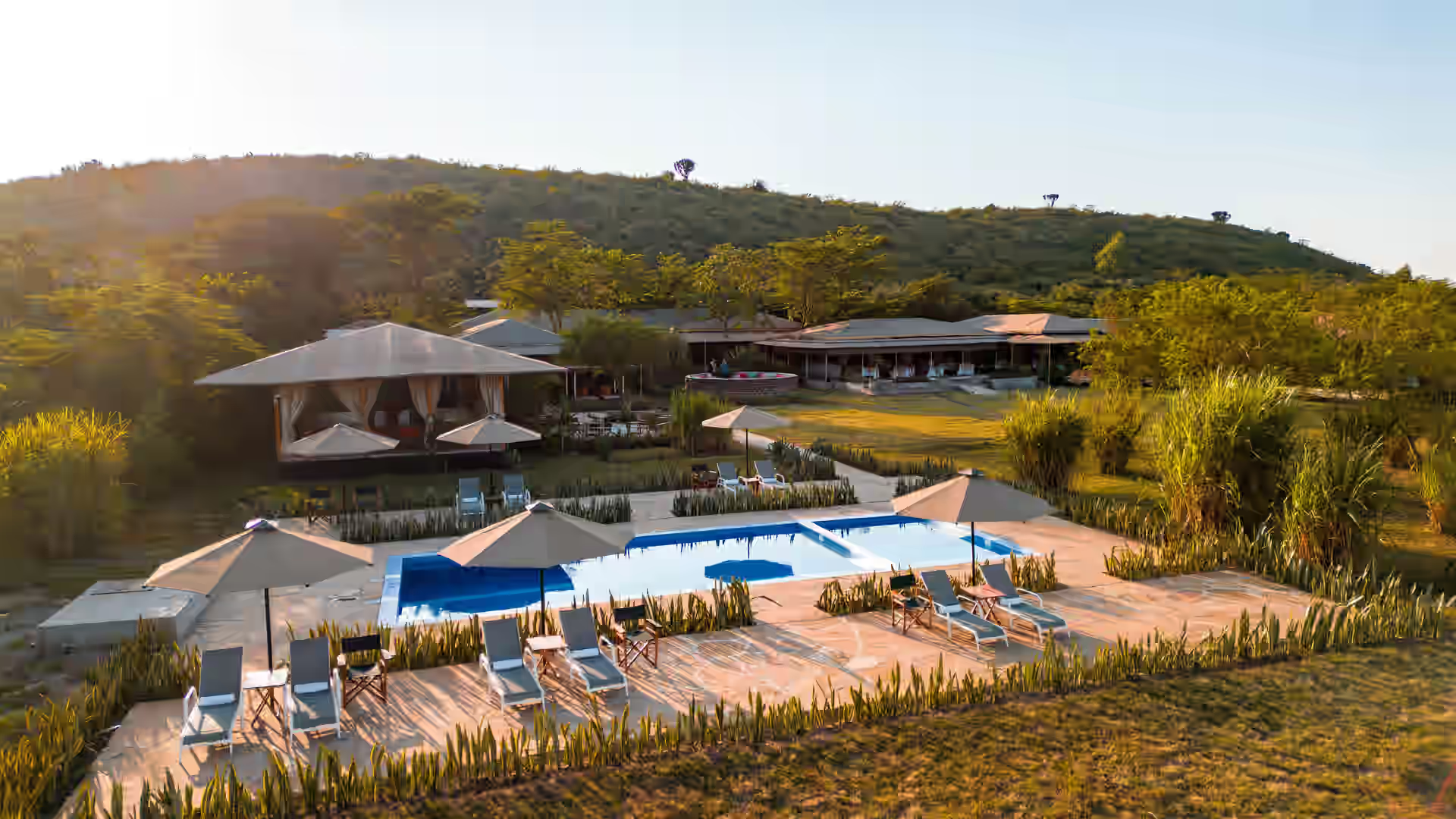
Zebra Plains Mara Camp
Zebra Plains Mara Camp is an award-winning, owner-operated classic safari camp situated below the scenic Oldonyo Loip Ridge, facing the sweeping open plains of the Maasai Mara. Known for exceptional KPSGA-licensed professional guides, the camp is a favourite for wildlife photography and Big Five encounters. With 50 spacious luxury tents, 2 Family Villas, and a natural waterhole directly in front of the camp, guests experience authentic Maasai Mara wildlife both on guided safaris and from the comfort of their private verandahs. The camp is proudly Kenyan-owned and operated, investing in local community and conservation. Three meals daily, campfire evenings, and vibrant Maasai cultural experiences make every stay memorable
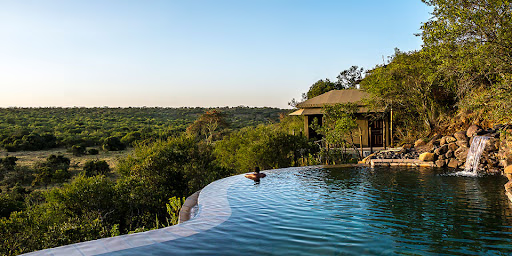
Mutara Camp
Mutara Camp is the sole accommodation within the vast 20,000-acre Mutara Conservancy — a definition of true exclusivity and undisturbed wilderness in the heart of Laikipia. Perched dramatically on a rocky cliff escarpment with sweeping views of Mount Kenya and the Aberdare Ranges, the camp offers one of Kenya's most intimate and authentic bush experiences. With only 15–16 luxury tents, guests are guaranteed personalised service, privacy, and a genuine connection with nature. The camp's partnership with the neighbouring Ol Pejeta Conservancy provides unlimited access to 90,000 acres of pristine wilderness — home to all the Big Five, the last two northern white rhinos (Najin and Fatu), and a chimpanzee sanctuary. Off-road game drives, walking safaris, lion tracking, and horseback safaris make Mutara Camp a bucket-list destination for discerning safari travellers.
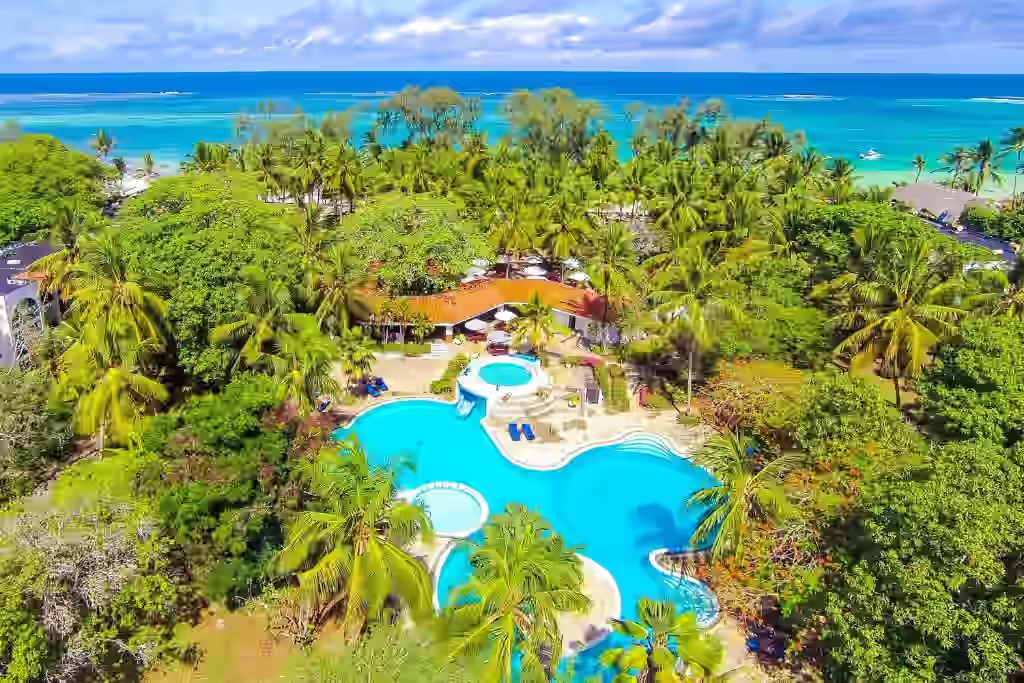
Diani Sea Resort
Diani Sea Resort is a vibrant all-inclusive tropical paradise set on the pristine, white sandy shores of Diani Beach — one of Africa's most beautiful and awarded coastlines. The resort sits within expansive tiered tropical gardens shaded by coconut palms and exotic trees, alive with various monkey species and colourful birdlife. With 170 rooms in three categories — Superior (garden view), Bahari (sea/pool view), and Ocean Suites — the resort offers a genuine 'home away from home' along the Indian Ocean. All furniture is crafted from local African wood, celebrating Kenya's artisanal heritage. Guests enjoy direct beach access, a large outdoor pool, water sports, spa, mini golf, and authentic Swahili cultural entertainment. The resort's eco-certification reflects its commitment to sustainability and community engagement.
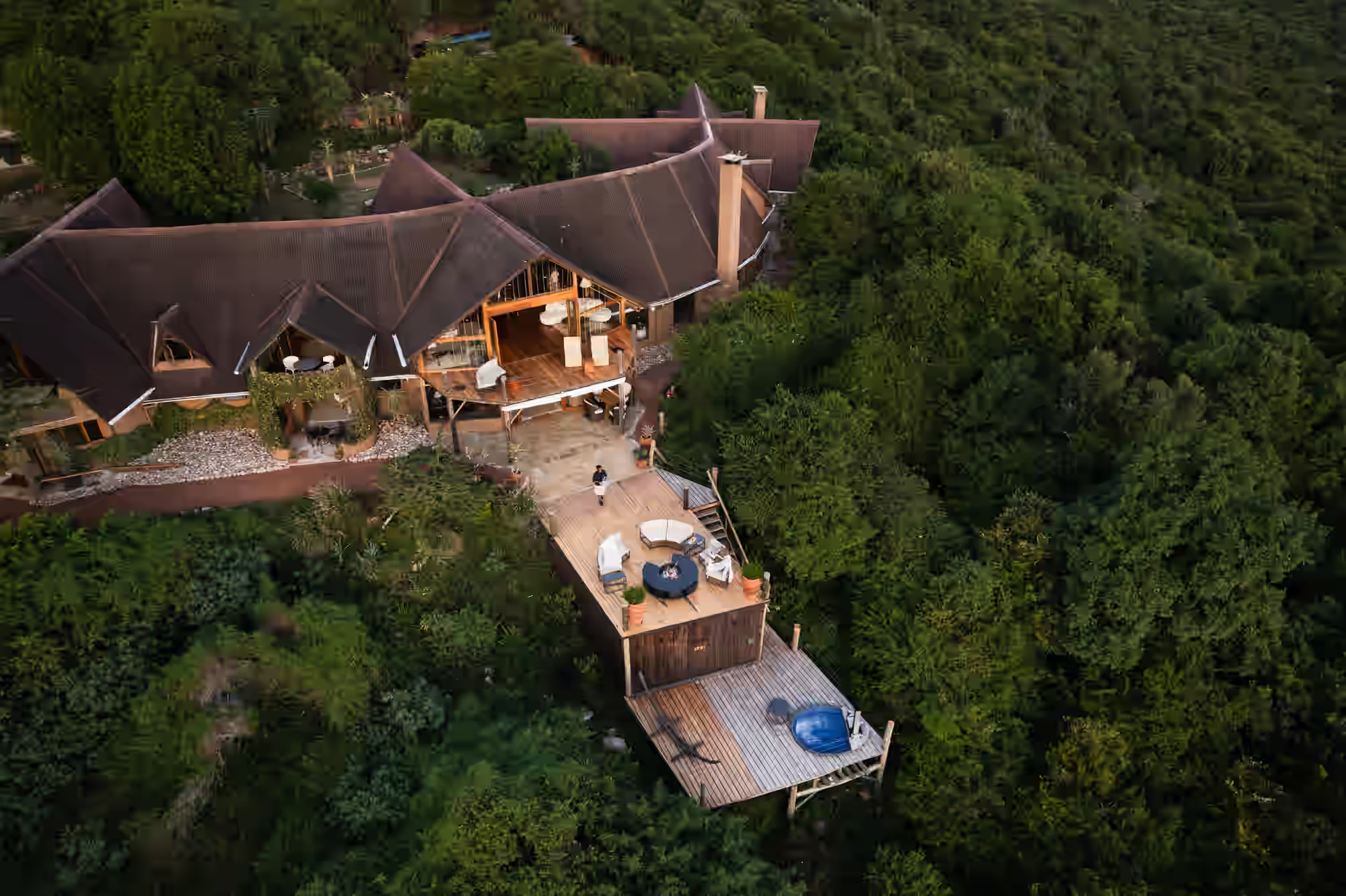
Cottar's 1920s Safari Camp
Cottar's 1920s Safari Camp is Africa's most awarded safari camp and a living tribute to safari's golden age. Founded and operated by the Cottar family for over five generations — making them the longest-serving safari family in East Africa — the camp recreates the elegant luxury and romantic spirit of 1920s-era safaris within the private 7,608-acre Olderkesi Conservancy. The conservancy borders the iconic Maasai Mara National Reserve, Tanzania's Serengeti, and Loliondo — and is the only exclusively private-use conservancy in the Maasai Mara ecosystem, ensuring guests never encounter tourist congestion at wildlife sightings. The camp features 11 luxury vintage canvas tented suites plus the exclusive Bush Villa, all surrounded by authentic explorer artefacts, first-edition books, original safari photography, and lamps from Kenya's 1920s 'Lunatic Line'. Cottar's has one of the highest Big Five success rates in Kenya.
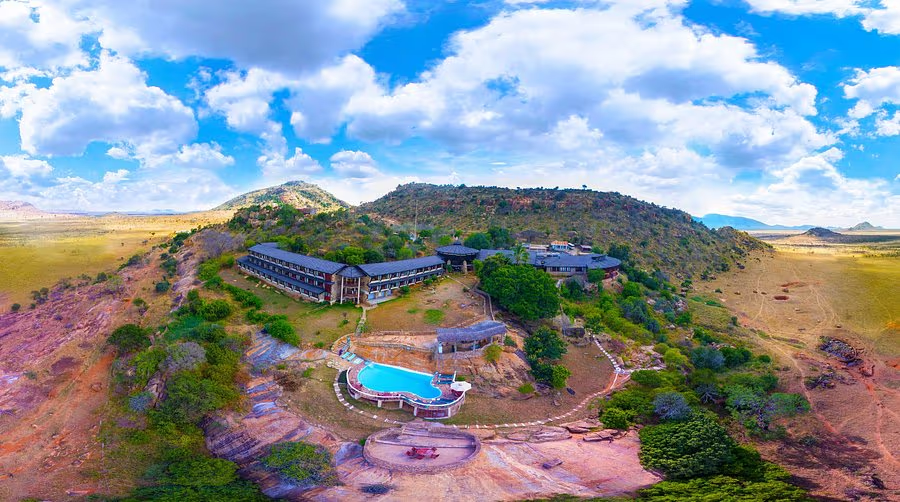
Voi Wildlife Lodge
Opened in 2003, Voi Wildlife Lodge is a landmark safari destination set on 50 acres at the boundary of Tsavo East National Park — Kenya's largest national park. Architecturally designed to harmonise with the savannah landscape, the lodge is built around a natural waterhole jointly constructed with Kenya Wildlife Service, which attracts elephants, lions, buffaloes, zebras, and an extraordinary variety of birdlife. With spectacular views of the Kasigau, Sagalla, and Mwakingali volcanic outcrops and accommodation for up to 300 guests, Voi Wildlife Lodge combines authentic bush experience with generous facilities including three swimming pools, a fully equipped spa, conference centre, and Tembo Restaurant. The lodge is ideally placed for a combined bush-and-beach Kenya itinerary.
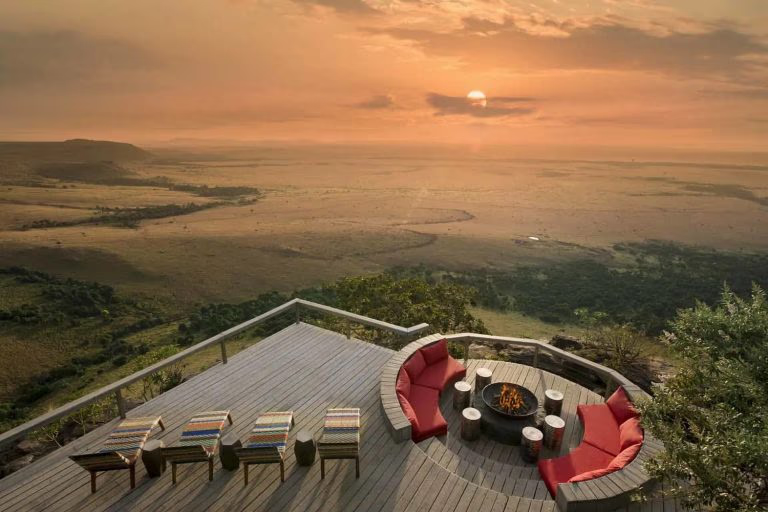
Angama Mara Safari Lodge
Angama Mara — inspired by the Swahili word meaning 'suspended in mid-air' — is a world-class owner-run safari lodge perched 1,000 feet above Kenya's iconic Maasai Mara. Set high on the Oloololo Escarpment, the lodge comprises two intimate camps (North Camp and South Camp), each with 15 en-suite Tented Suites spanning over 100 sqm. Each suite features floor-to-ceiling glass frontage offering uninterrupted views of the Mara below. Guests enjoy tailor-made safari days, expert Maasai guides, hot-air balloon safaris, garden-to-table dining, and the famous Out of Africa picnic spot. Angama Mara is a proud member of Relais & Châteaux and is consistently ranked among the finest safari lodges in Africa.
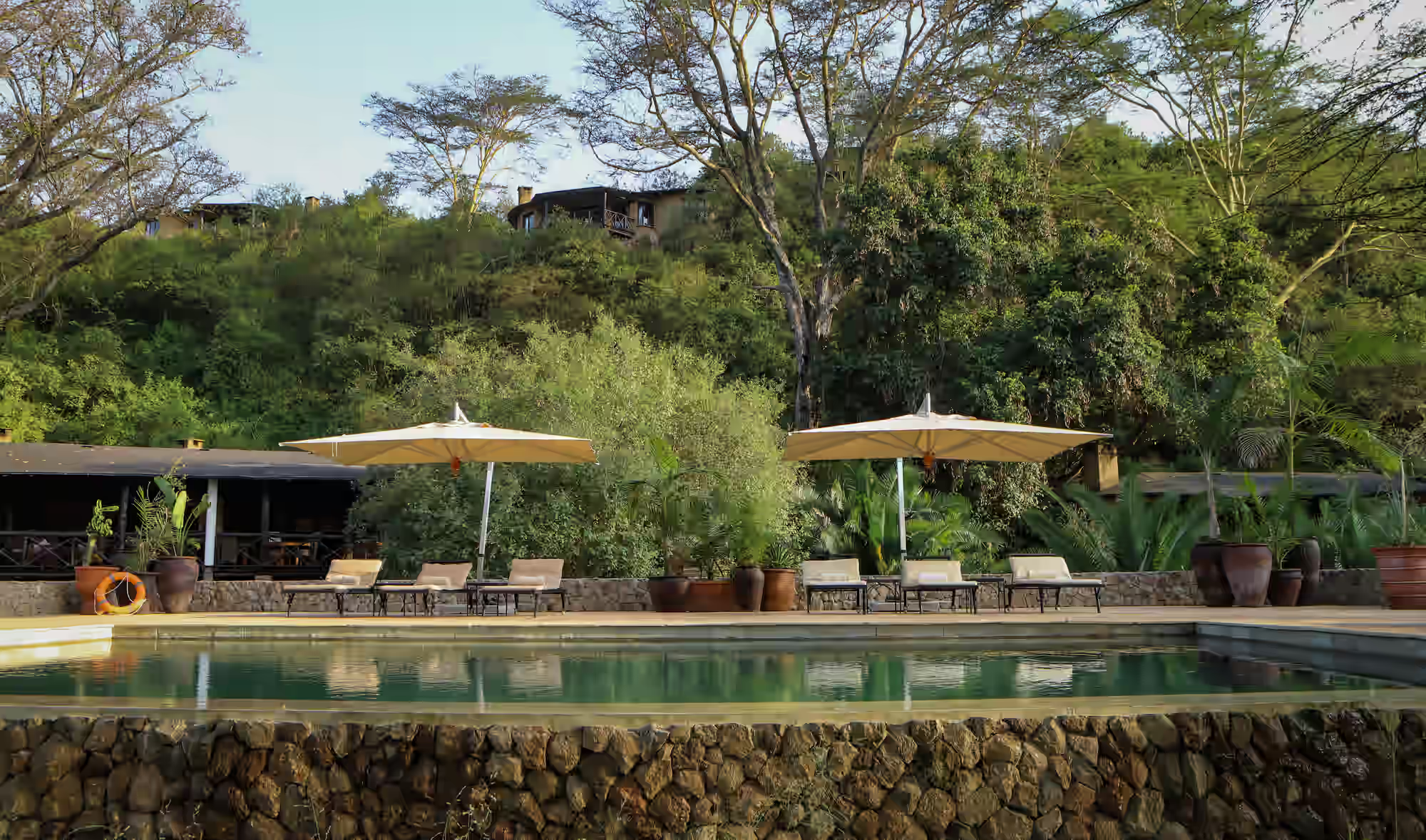
The Emakoko Safari Lodge
The Emakoko is a unique owner-managed 24-bed boutique safari lodge nestled within its own 15-acre private wilderness on the southern border of Nairobi National Park — the world's only national park within a capital city. Only 45 minutes from Nairobi's major airports and accessible exclusively through the national park, The Emakoko offers guests a genuine wildlife encounter without venturing far from the city. Owned and operated by Anthony and Emma Childs, the lodge features 10 cottage-style suites built into the cliffs of a valley overlooking the Mbagathi River. Known for exceptional food, personalised service, and immersive game drives inside Nairobi National Park, The Emakoko is the ideal alternative to a conventional city hotel for travellers transiting through Nairobi or seeking a short, authentic safari experience.
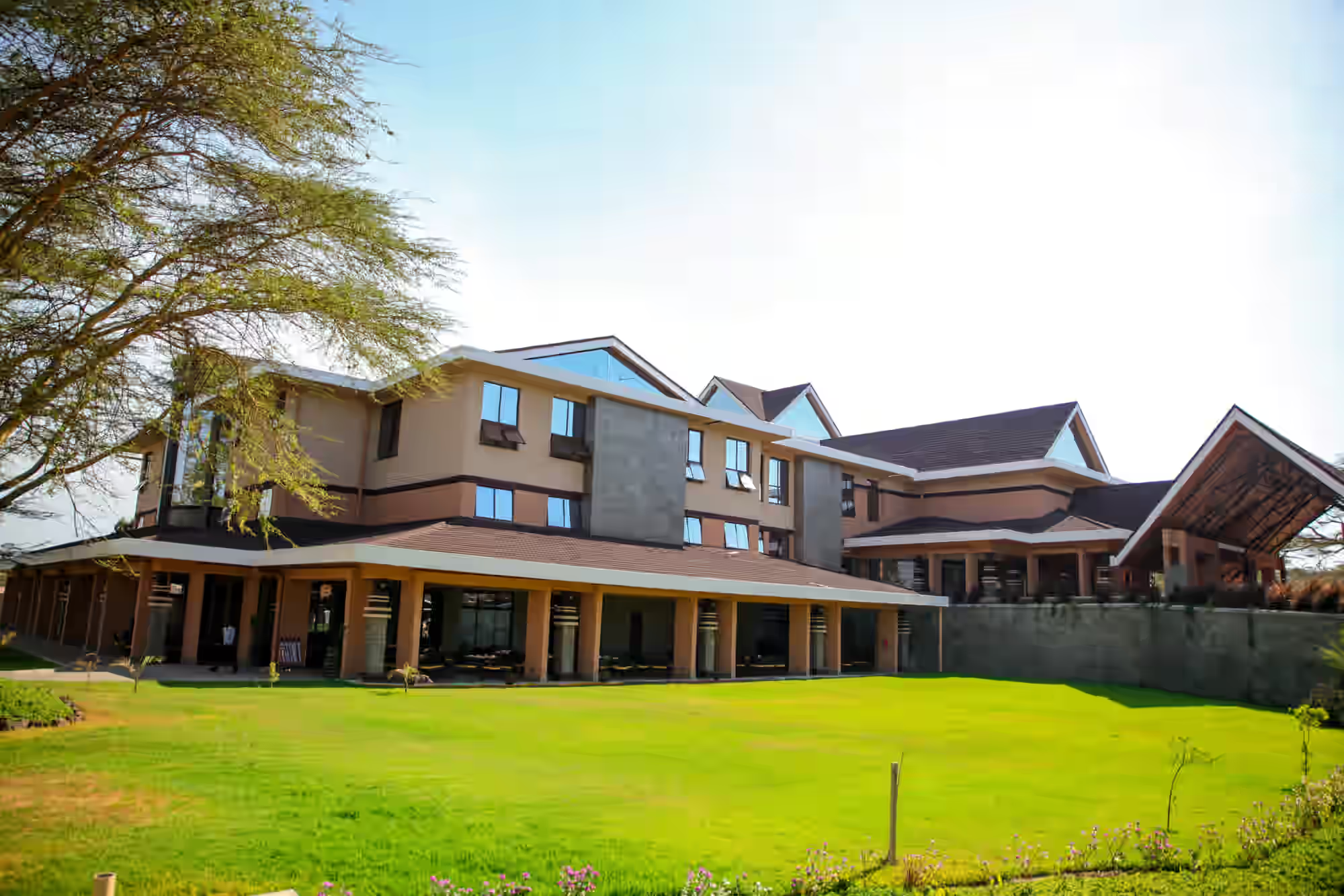
Lake Naivasha Resort
Situated on the scenic shores of Lake Naivasha, Lake Naivasha Resort is one of Kenya's most sought-after lakeside retreats, celebrated for its stunning lake views, hippo sightings, and lush Rift Valley surroundings. With 290 beautifully appointed rooms including 6 penthouses, the resort blends contemporary African elegance with modern comfort. Guests enjoy guided boat rides for hippo and bird watching, game drives to nearby Hell's Gate National Park, cycling, and walking safaris to Crescent Island. The resort features multiple restaurants serving global cuisine, three outdoor pools, a spa, fitness center, and impressive conference facilities — making it ideal for both leisure travelers and corporate retreats. Awarded Best Family Resort 2022.
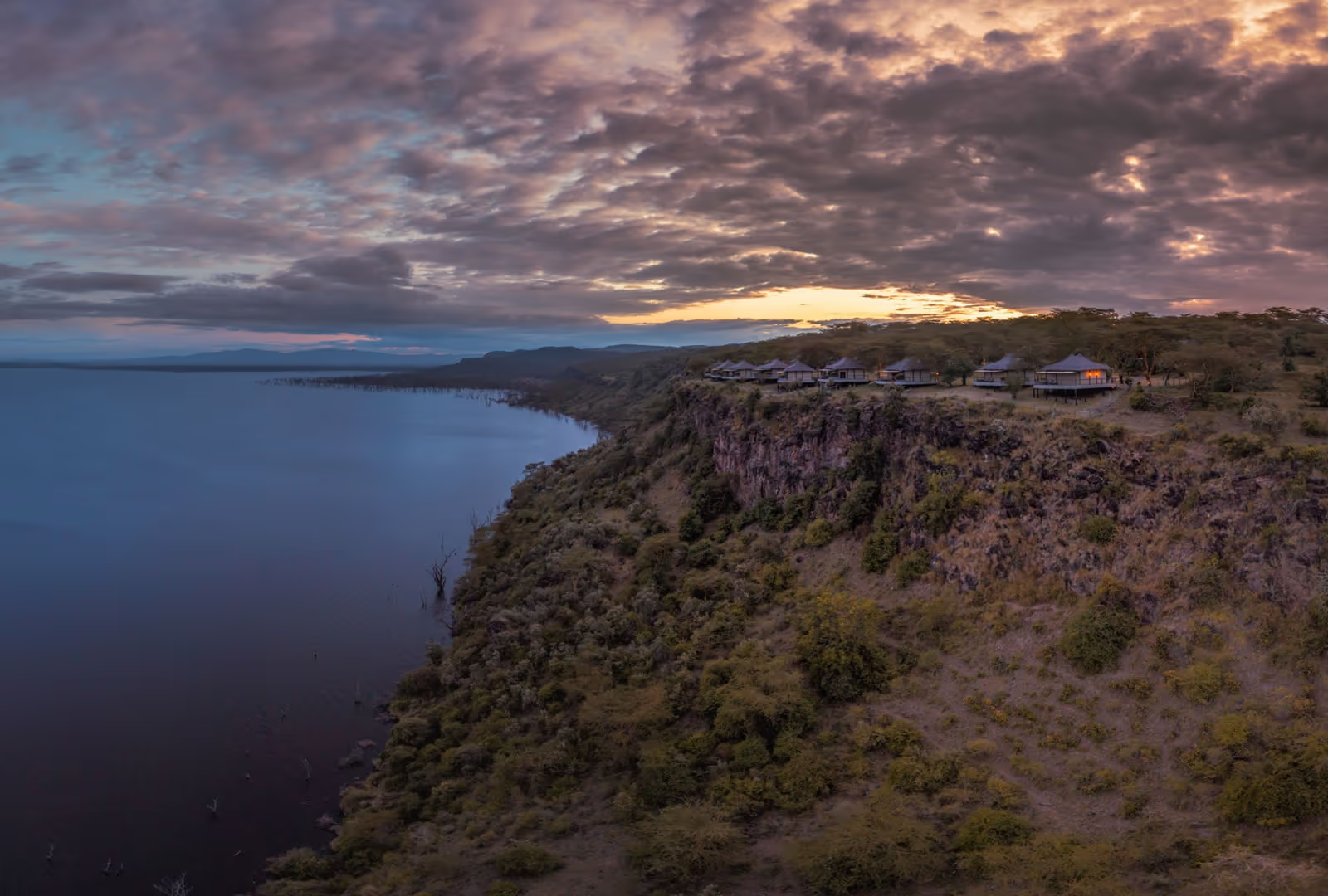
The Cliff Camp
The Cliff is one of Kenya's most dramatic and architecturally stunning luxury tented camps, perched at the top of a 100-metre-high rock face within Lake Nakuru National Park. Opened in April 2018 and sister to Entim and Ilkeliani camps in the Masai Mara, The Cliff defies conventional labels — it is a masterful fusion of safari lodge, tented camp, and boutique hotel, constructed in a chic contemporary European aesthetic. Just 10 identical tented suites are available, each built on solid wooden decking at the cliff's edge, offering uninterrupted 180-degree panoramic views of Lake Nakuru and its legendary flamboyances of flamingos. Lake Nakuru is one of the jewels of the Great Rift Valley, famous for its soda lake, diverse birdlife, and Big Five game including both black and white rhino. The camp's interiors blend organic chic with international design — freestanding baths facing the view, king-size beds, private lounges, and a well-equipped gym and spa — creating a truly world-class experience in an extraordinary natural setting.
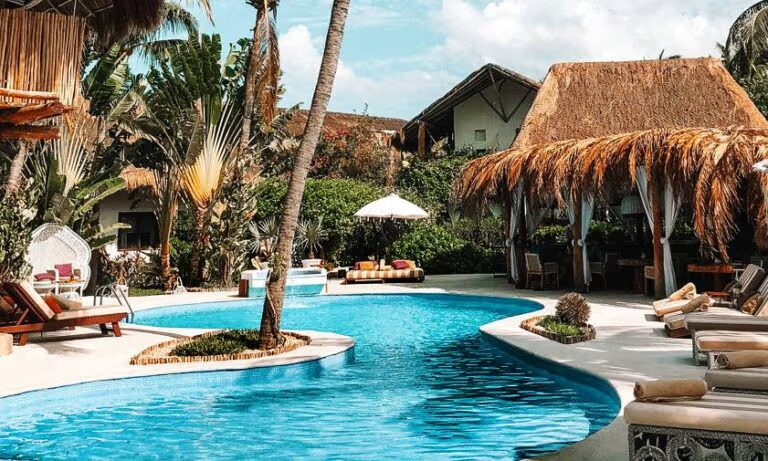
White Peacock Resort Mtwapa
White Peacock Resort Mtwapa is a peaceful coastal retreat nestled in the vibrant town of Mtwapa, Kenya. Blending modern comfort with warm Swahili hospitality, the property features lush gardens, a sparkling outdoor swimming pool, and well-appointed guest rooms. Ideal for couples, families, and business travelers looking for a relaxing base near Mombasa's North Coast beaches and nightlife.
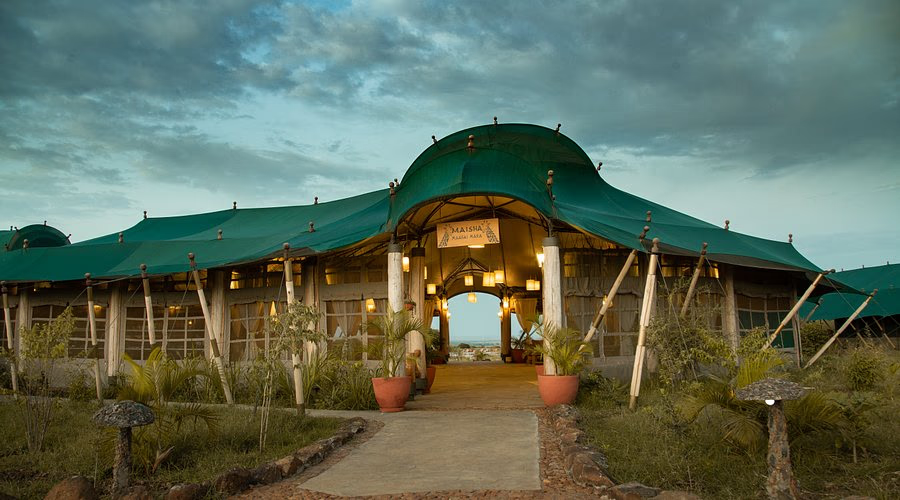
Mara Maisha Camp
Mara Maisha Camp is a spacious luxury tented safari lodge situated just 4.5 km from Talek Gate — one of the main entrances into the world-famous Maasai Mara National Reserve. The camp offers fully furnished, self-contained tents with modern amenities set in a natural riverine environment. Proud associate of Kibo Safari Camp (Amboseli) and Maisha Sweetwaters Camp (Ol Pejeta Conservancy), Mara Maisha Camp delivers the same trusted standards of excellence, comfort, and genuine Kenyan hospitality. The camp's blend of African-inspired architecture, locally handcrafted furnishings, eco-conscious operations, farm-to-table dining, and personalised service makes it a popular choice for solo travellers, couples, families, and groups seeking a luxury safari at an accessible price point
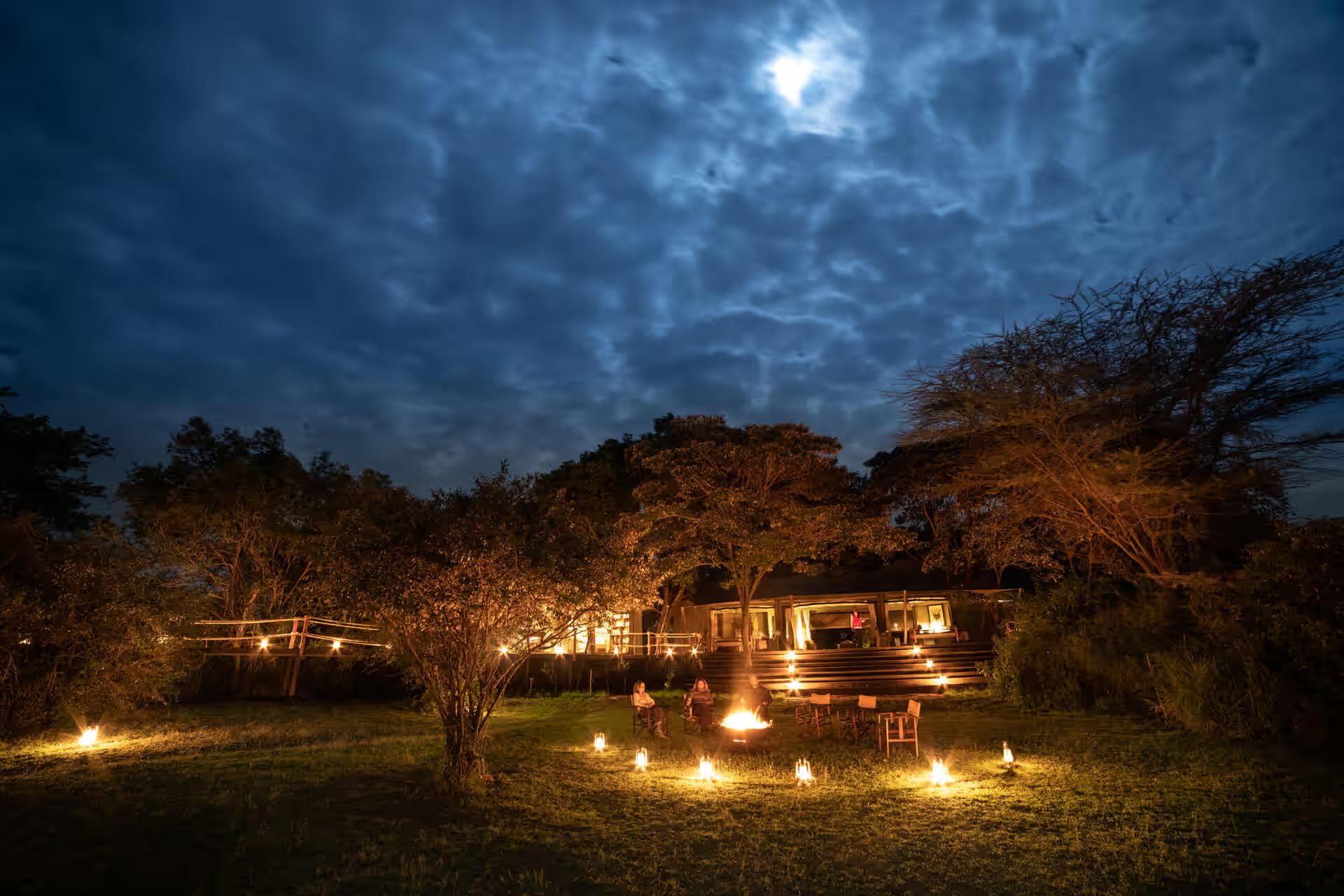
Mara Plains Camp
Mara Plains Camp is an intimate ultra-luxury safari camp operated by Great Plains Conservation, set within the private 35,000-acre Olare Motorogi Conservancy on the northern border of Kenya's Maasai Mara National Reserve. A proud Relais & Châteaux member and part of the Réserve-Collection, this exclusive camp accommodates just 14 guests in 7 canvas suites (plus the two-bedroom Jahazi Suite), raised on recycled railway sleeper decking above the savannah. The conservancy boasts the lowest vehicle density in the greater Maasai Mara region and the highest concentration of big cats anywhere in Africa. With no set schedules or mealtimes, every day is tailored entirely to guest preferences and wildlife opportunities — the definition of a bespoke, intimate safari experience
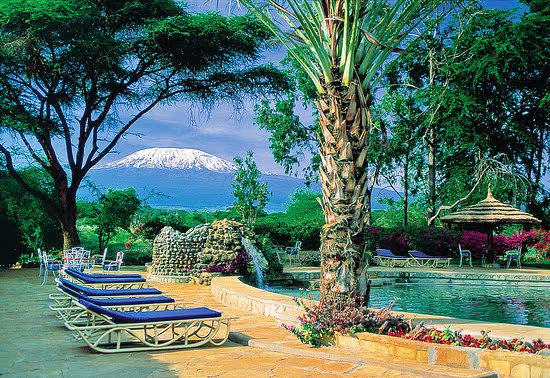
Amboseli Sopa Lodge
Perched on 200 acres of private savannah at the foothills of Mount Kilimanjaro, Amboseli Sopa Lodge is a celebrated family-friendly retreat with authentic Maasai-inspired architecture and vibrant colours. Located just 20 km from Amboseli National Park's Kimana Gate, the lodge occupies the very landscape that inspired Ernest Hemingway's classic stories in the 1930s. With 83 spacious cottages set among lush gardens teeming with monkeys, mongooses, and gazelles, the lodge offers spectacular Kilimanjaro views from most rooms. Facilities include a Kibo Peak Restaurant, the Mawanzi Terrace & Bar, Hemingway Sundowner Bar, a large swimming pool, sauna, Maasai craft market, and a gift shop. An ideal base for Big Five safaris in Amboseli.
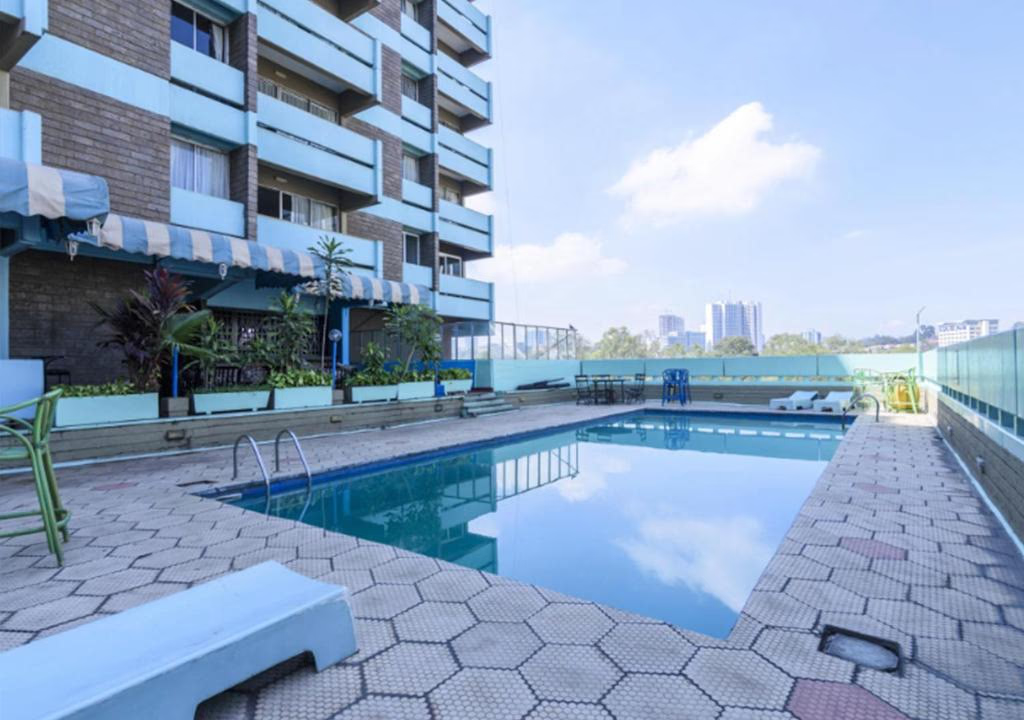
Chester Hotel & Suites Nairobi
Chester Hotel & Suites (also known as Chester House) is a centrally located serviced apartment hotel situated in the heart of Nairobi's Central Business District on Koinange Street. Offering a practical and comfortable base for both business and leisure travellers, the hotel features spacious self-contained apartments and studio rooms with fully equipped kitchens and private balconies with city views. The property houses Fiesta Restaurant, which serves international cuisine, as well as a rooftop outdoor swimming pool and a terrace. Chester Hotel is valued for its excellent location, large room sizes, free Wi-Fi, free parking, and competitive price point — providing great value for money in one of Africa's most vibrant capital cities.
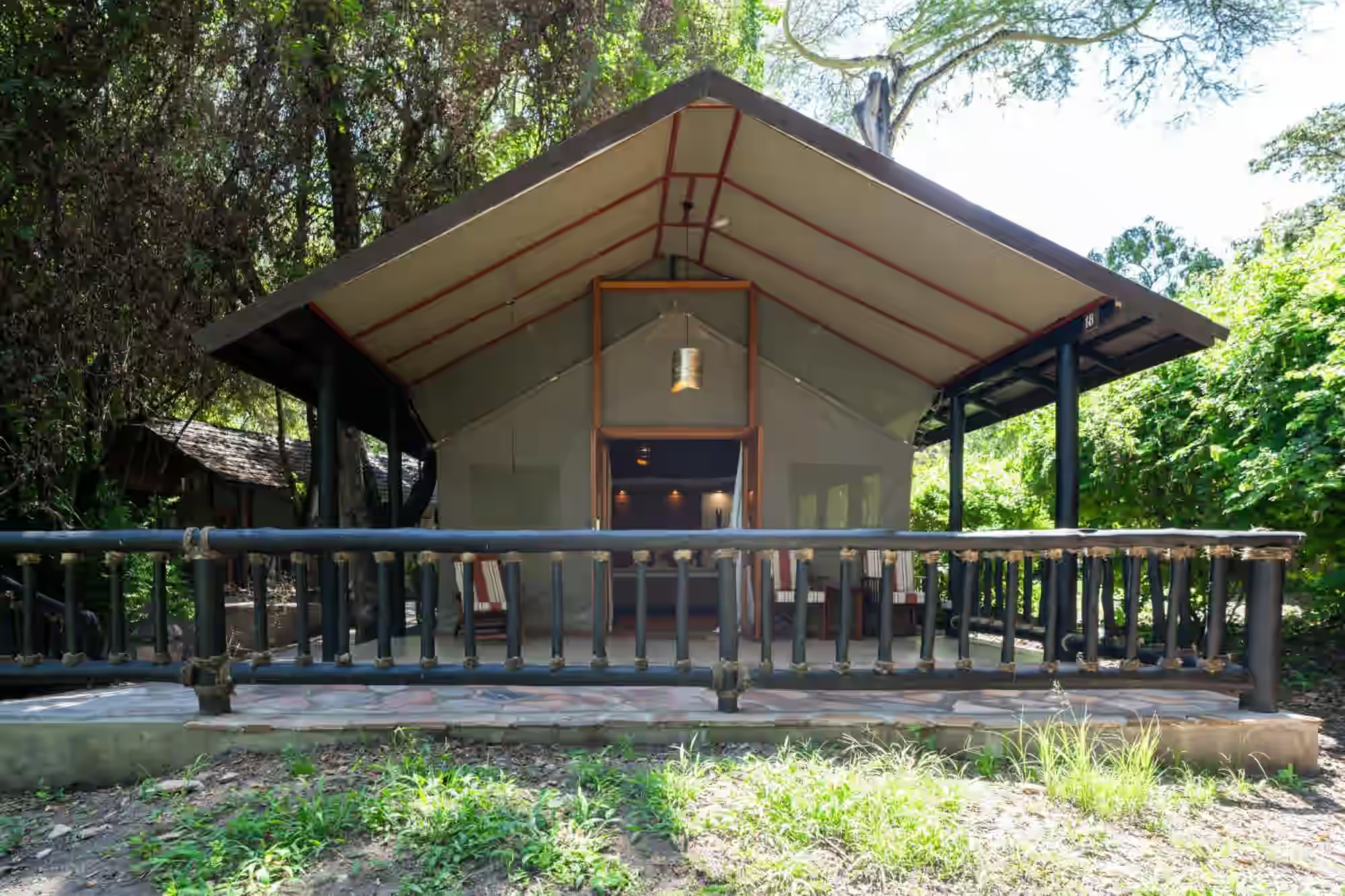
Sarova Mara Game Camp
Sarova Mara Game Camp is nestled in the heart of the iconic Maasai Mara Game Reserve, set on an elevated position between two streams, surrounded by exotic trees, a large fish pond stocked with fish, a mini bird sanctuary, and an authentic Maasai village. The camp features 20 Club Tents, 52 Deluxe Tents, and 3 Family Tents, all blending seamlessly with the spectacular savannah landscape. Guests enjoy the Isokon Restaurant, the Oloip Bar, the Ewaso Pool Bar, and an impressive array of safari activities led by expert guides. Awarded the World Luxury Hotel Award for Best Luxury Tented Safari Camp in Africa, Sarova Mara is a premier destination for those seeking the finest Kenya safari experience, with exceptional wildlife viewing including the Great Migration (July–October).
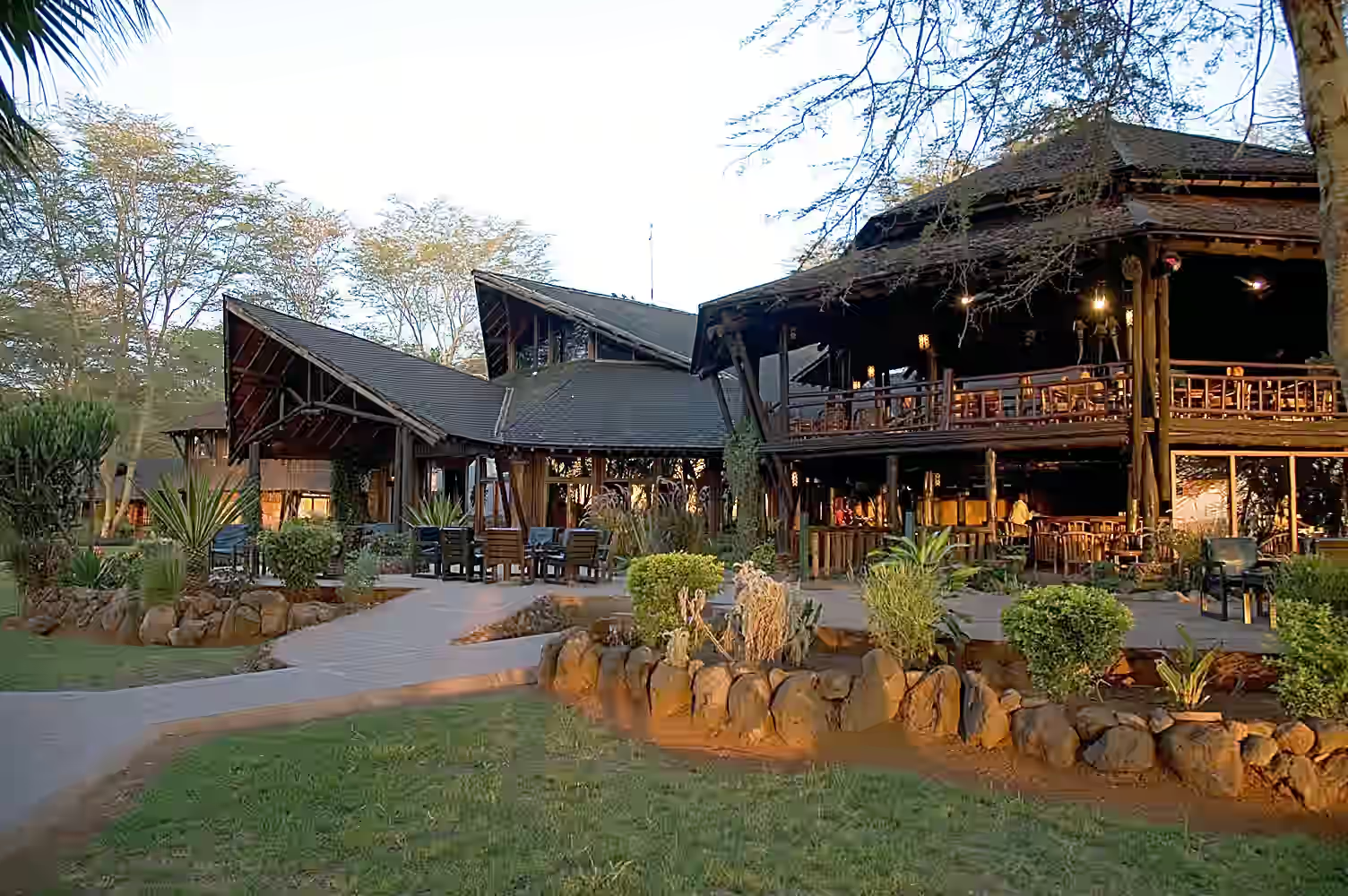
Ol Tukai Lodge
Ol Tukai Lodge is one of Kenya's most iconic safari lodges, set in the heart of Amboseli National Park at the foot of Mount Kilimanjaro — the world's highest free-standing mountain. Originally established on the site used by the 1948 film crew for the classic Gregory Peck movie 'The Snows of Kilimanjaro,' the lodge opened its doors to guests in 1996. It commands breathtaking, unobstructed views of Kilimanjaro's snow-capped peaks and is world-renowned for hosting one of Africa's largest concentrations of free-ranging elephants. The lodge is eco-rated and celebrates the rich cultural heritage of the Maasai people through its décor, art, and evening entertainment. With 80 chalet-style rooms, two bars, a restaurant, swimming pool, and an array of wildlife activities, Ol Tukai offers the perfect blend of comfort, authenticity, and raw African wilderness.
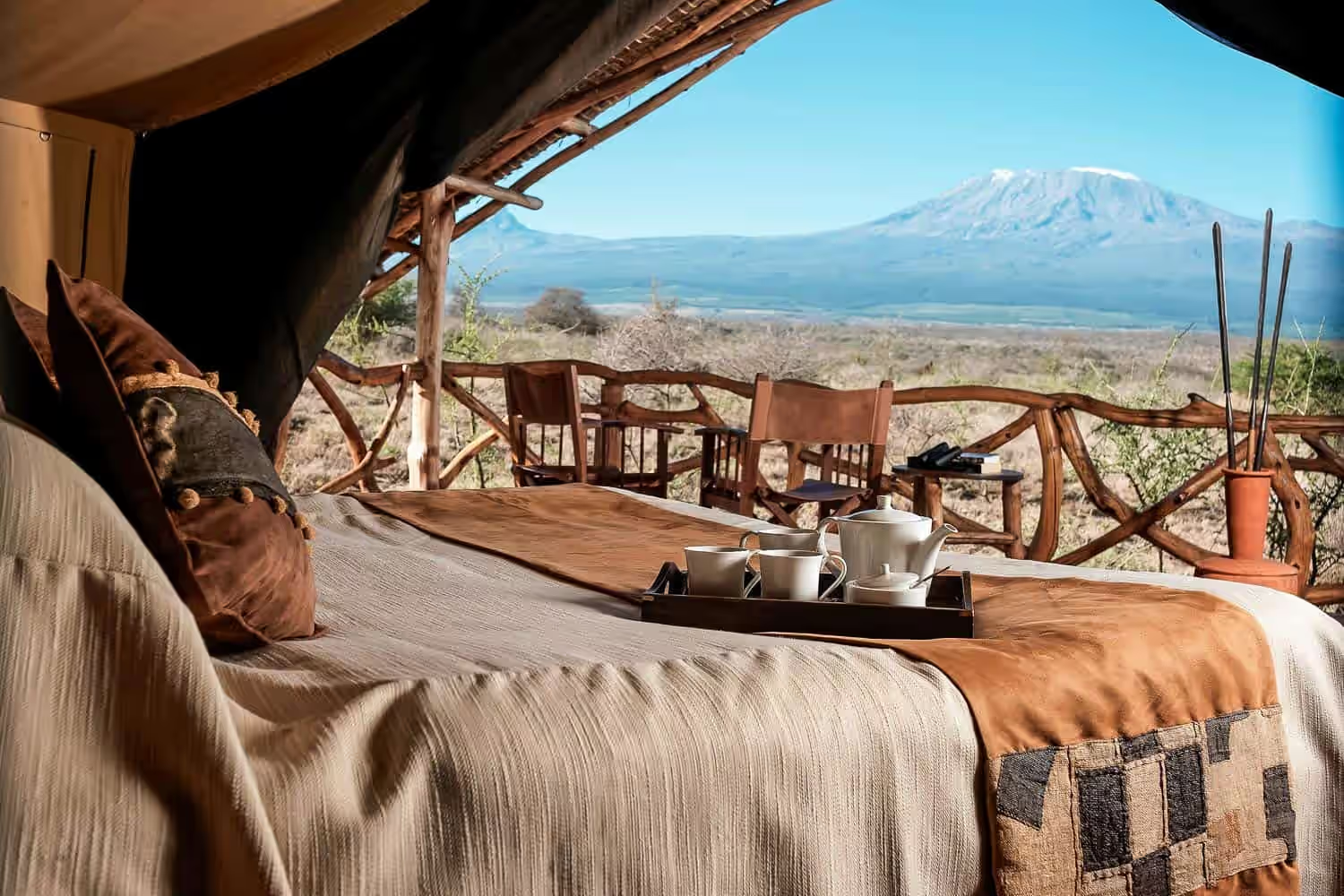
Sentrim Amboseli Lodge
Sentrim Amboseli Lodge is a stylishly designed safari retreat nestled inside Amboseli National Park, offering guests a front-row experience of Africa's most iconic wilderness. Featuring 60 spacious Maasai-inspired deluxe tents and 2 Family Houses spread across beautifully landscaped grounds, the lodge provides sweeping, unobstructed views of the snow-capped Mount Kilimanjaro — Africa's highest peak. Guests regularly encounter large herds of elephants, lions, and diverse birdlife roaming the surrounding plains. The lodge combines rustic African charm with modern amenities including an outdoor pool, spa, restaurant, and conference hall. Its proximity to Kimana Gate (3 km) ensures seamless park access for morning and afternoon game drives.
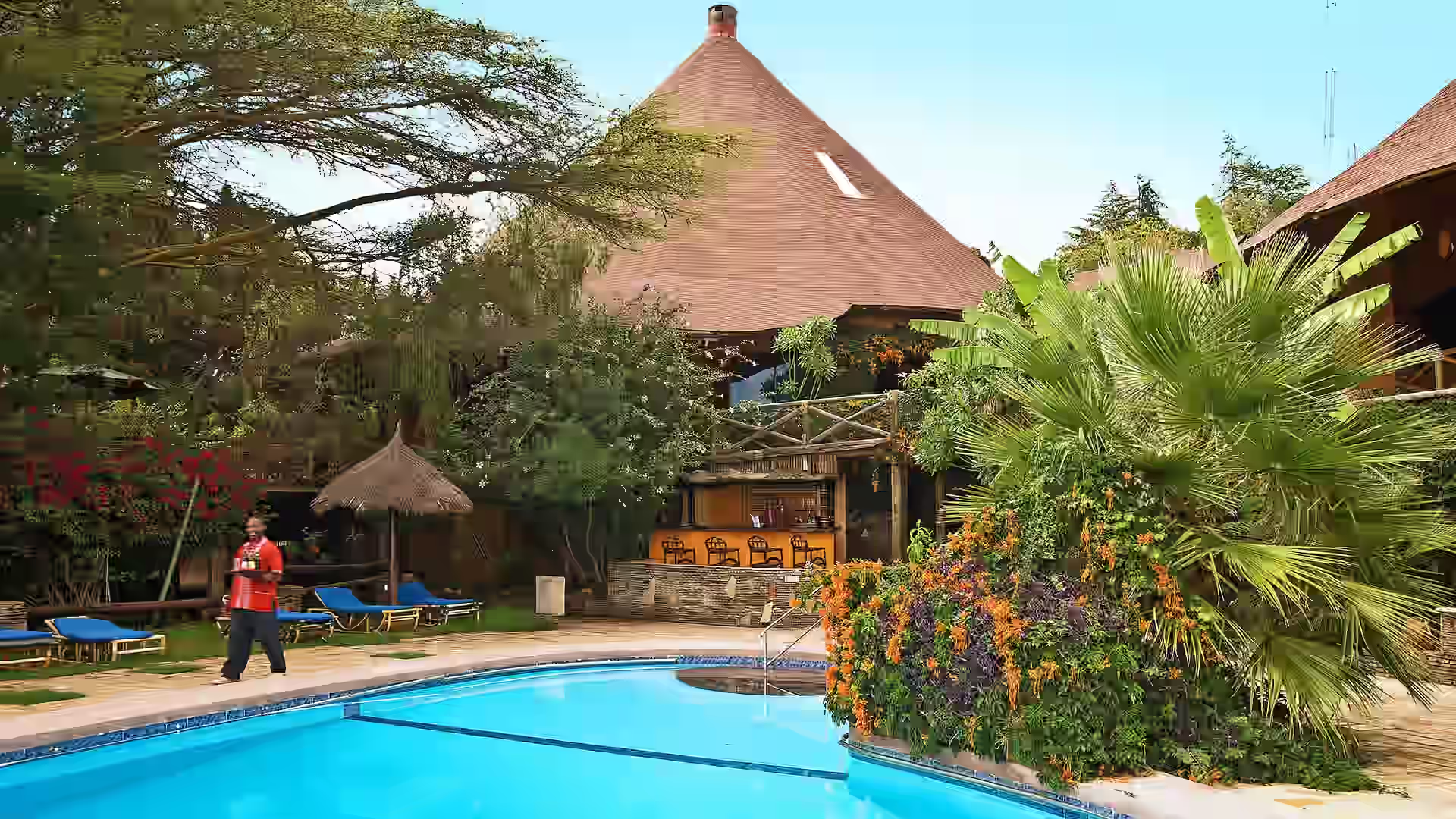
Masai Mara Sopa Lodge
Masai Mara Sopa Lodge is one of the original and most beloved safari lodges in Kenya's world-famous Maasai Mara Game Reserve, perched on the lush slopes of the Oloolaimutia Hills. Among the first safari lodges built in the Mara, its mature gardens and trees create a lush sanctuary within the wilderness. 'Sopa' means 'welcome' in the Maasai language — a philosophy that defines the lodge's warm hospitality. The lodge's architecture celebrates traditional African round houses (rondavels) with conical thatched roofs, stretching along the hilltop with the main building and swimming pool at its centre. With 99 rooms including suites and a honeymoon suite, the lodge balances affordability with authentic safari experience. Resident zebra families roam the grounds, and the park is a short drive from the lodge entrance.
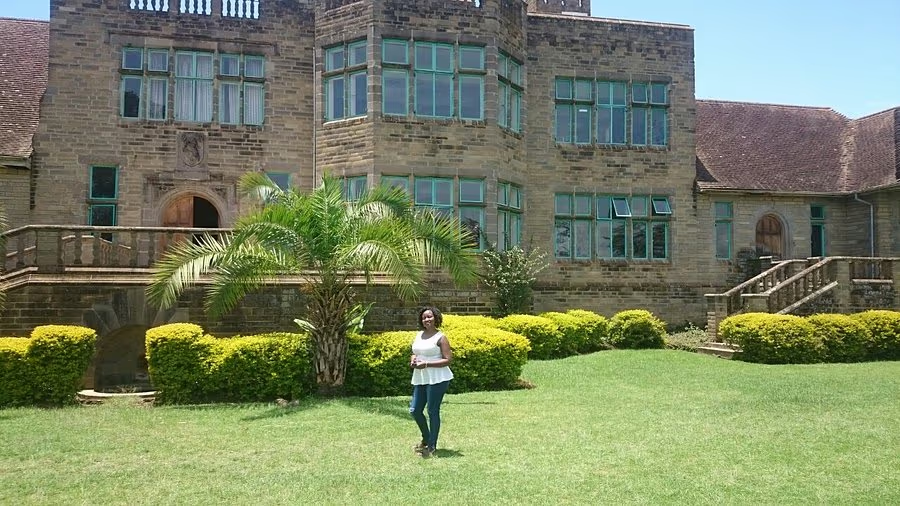
Sarova Lion Hill Game Lodge
Perched atop the iconic Lion Hill within Lake Nakuru National Park, Sarova Lion Hill Game Lodge is one of only two lodges located entirely inside the park, offering unparalleled proximity to wildlife and panoramic views of the famous flamingo-fringed Lake Nakuru. The lodge features 75 beautifully refurbished chalet-style rooms connected by raised wooden walkways, all facing the shimmering lake. Dining at the aptly named Flamingo Restaurant is a culinary delight, with fresh ingredients sourced from the lodge's own herb and vegetable garden. Recognized at the 2023 World Luxury Hotel Awards as a top Luxury Safari Lodge in Africa and holder of a Silver Eco-Rating from Eco Tourism Kenya, Lion Hill combines ecological responsibility with exceptional guest experiences.
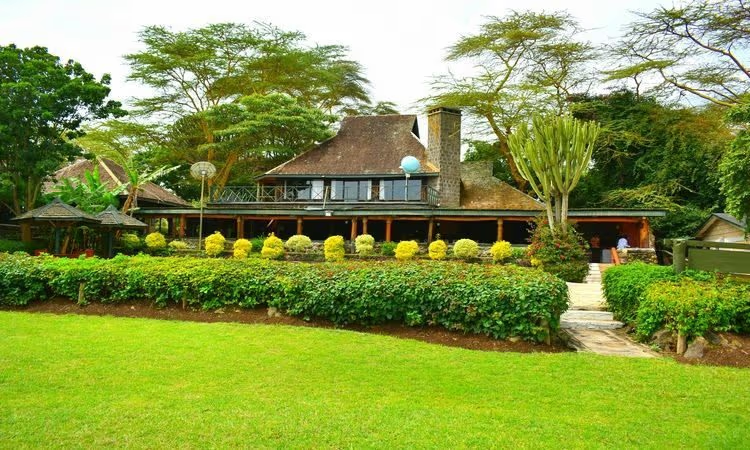
Lake Nakuru Lodge
Lake Nakuru Lodge is a charming eco-lodge set within the boundaries of Lake Nakuru National Park, boasting unobstructed views of the lake and its famous wildlife. With a capacity of 170 guests accommodated across suites, deluxe rooms, and farmhouse-style cottages, the lodge is celebrated for its stunning garden pool overlooking the lake and its excellent buffet restaurant. Guests awaken to wildlife in the garden — with baboons on balconies and buffalo grazing nearby — making it an unforgettable, immersive experience. The lodge upholds sustainable tourism values and offers easy access to the flamingo-rich lake, the Black Rhino Sanctuary, and Baboon Cliff picnic site.
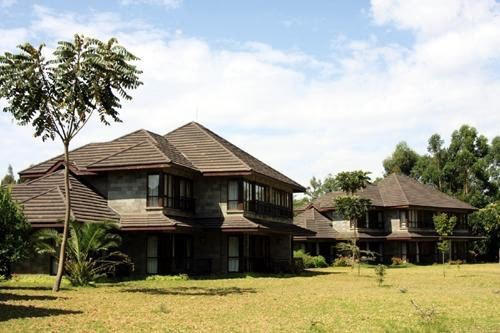
Lake Naivasha Simba Lodge
Lake Naivasha Simba Lodge is one of Kenya's most popular and iconic lakeside retreats, nestled on the tranquil southern shores of Lake Naivasha — one of Kenya's largest freshwater lakes. Set within manicured tropical gardens, the lodge is a perfect escape from Nairobi city life, offering stunning lake views and rich wildlife encounters including zebras, waterbucks, and hippos grazing on the grounds. The lodge name 'Simba,' meaning 'lion' in Swahili, reflects its deep connection to Kenya's wilderness spirit. Featuring 70 elegantly furnished rooms, a heated swimming pool, full spa, gymnasium, tennis court, and five conference rooms, the lodge perfectly balances leisure and business. Its proximity to Hell's Gate National Park, Crescent Island, and Mount Longonot makes it the ideal hub for Rift Valley exploration.
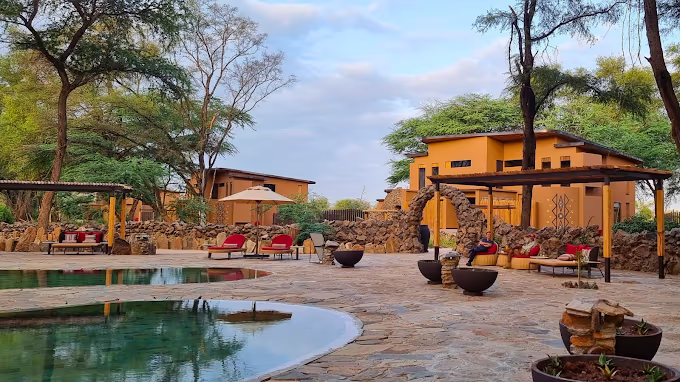
Soroi Samburu Lodge
Set on the banks of the Ewaso Nyiro River beneath a canopy of riverine forest, Soroi Samburu Lodge blends rustic charm with high-end comfort. The lodge is designed to provide intimate views of the river, where elephants and Samburu "Special Five" wildlife frequently gather.
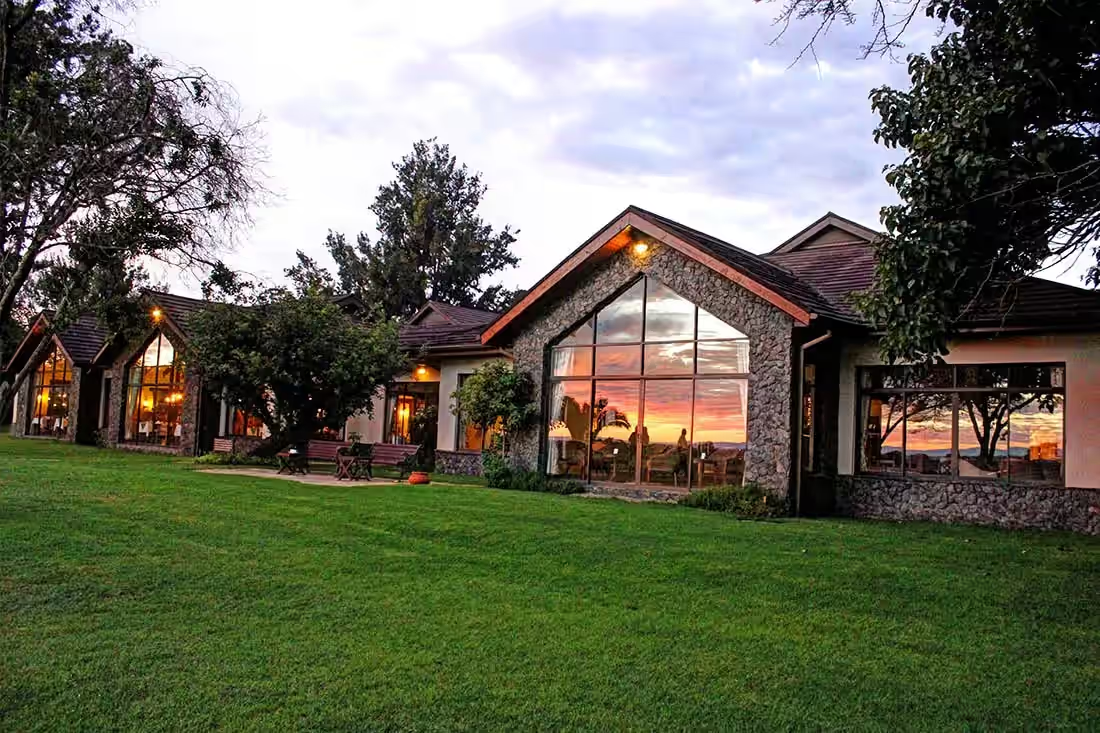
Sweetwaters Serena Camp
Clustered around a floodlit waterhole, Sweetwaters Serena Camp offers a seamless blend of under-canvas ambiance and modern luxury. Located within the private Ol Pejeta Conservancy, it provides front-row seats to the "Big Five" and is home to the Sweetwaters Chimpanzee Sanctuary.
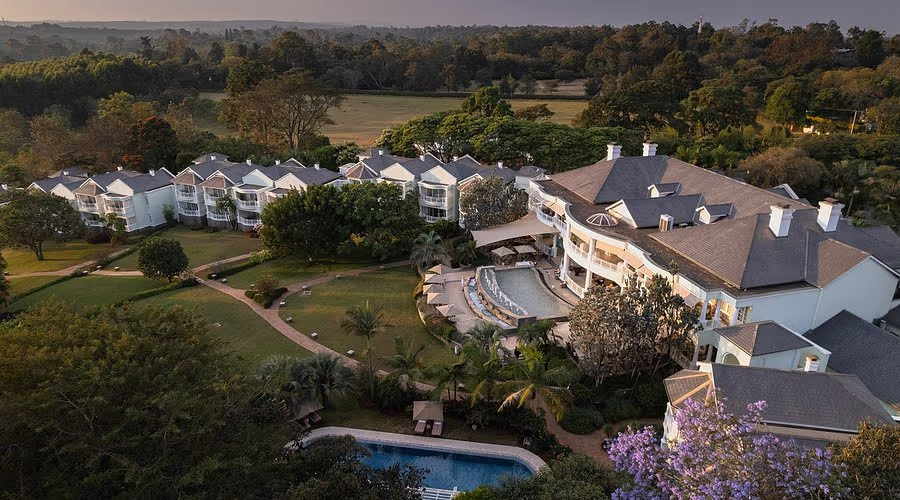
Hemingways Hotel Nairobi
Hemingways Nairobi is a flagship boutique luxury hotel of the Hemingways Collection, located in the leafy Karen suburb of Nairobi. Opened in 2013, the all-suite property features 45 elegant suites set amidst manicured gardens with sweeping views of the Ngong Hills. A proud member of Small Luxury Hotels of the World (SLH), Virtuoso, and American Express Fine Hotels & Resorts, Hemingways Nairobi offers a serene escape from the city's bustle while remaining close to key attractions including Nairobi National Park, the Karen Blixen Museum, and the AFEW Giraffe Centre. The hotel blends timeless Kenyan heritage with thoughtful contemporary design, delivering world-class hospitality through personalised butler service, fine dining, and a full-service spa.
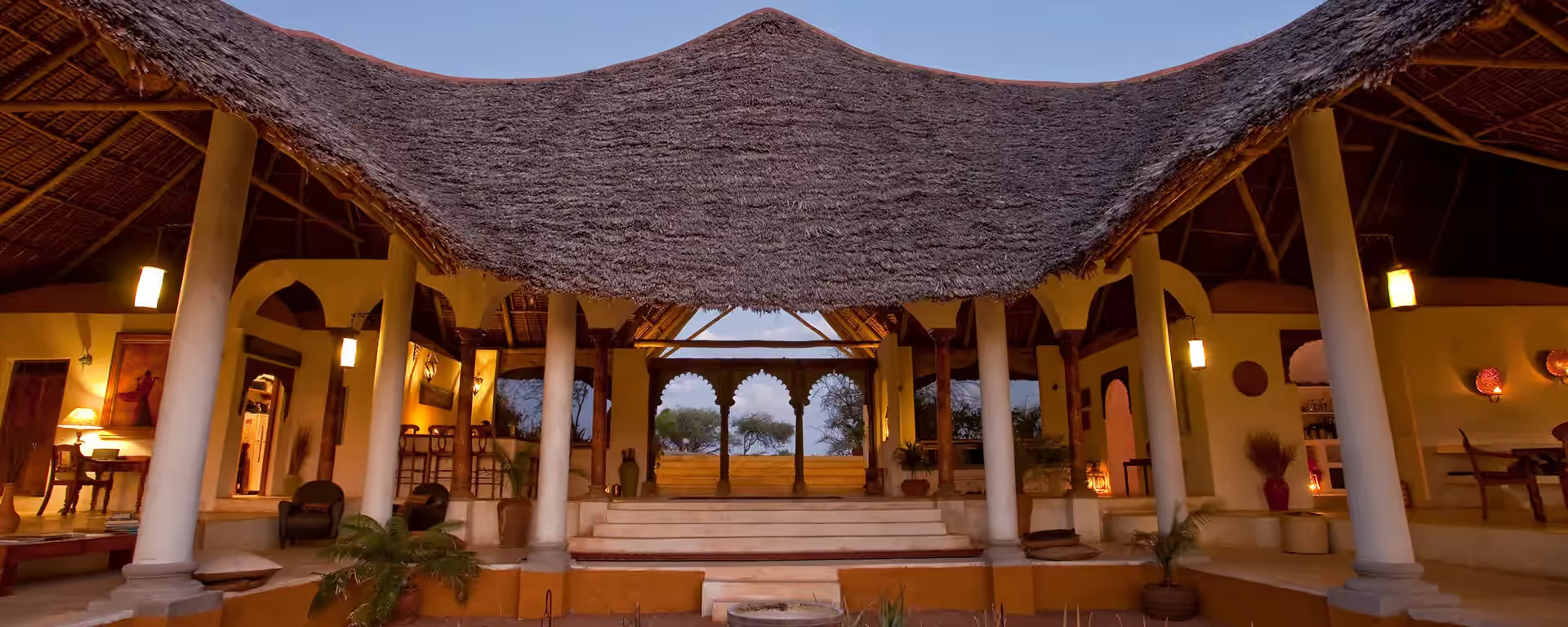
Sasaab Lodge
Sasaab is a spectacular luxury eco-lodge perched dramatically above the banks of Kenya's Ewaso Nyiro River within the Westgate Community Conservancy, just outside Samburu National Reserve. Owned and operated by The Safari Collection, the lodge was developed in genuine partnership with the local Samburu community and is designed with a unique blend of Swahili and Moroccan architectural principles — a departure from the typical safari lodge aesthetic. Each of the nine spacious tented suites spans over 100 sqm with private plunge pools, open-air bathrooms, and sweeping views of the Laikipia Plateau and the jagged peaks of Mount Kenya. Sasaab has been awarded the prestigious Global Ecosphere Retreat certification — one of only 10 properties in the world to hold this honour — recognising its exceptional commitment to sustainable, community-centred tourism.
Adventure & Experiences in Kenya
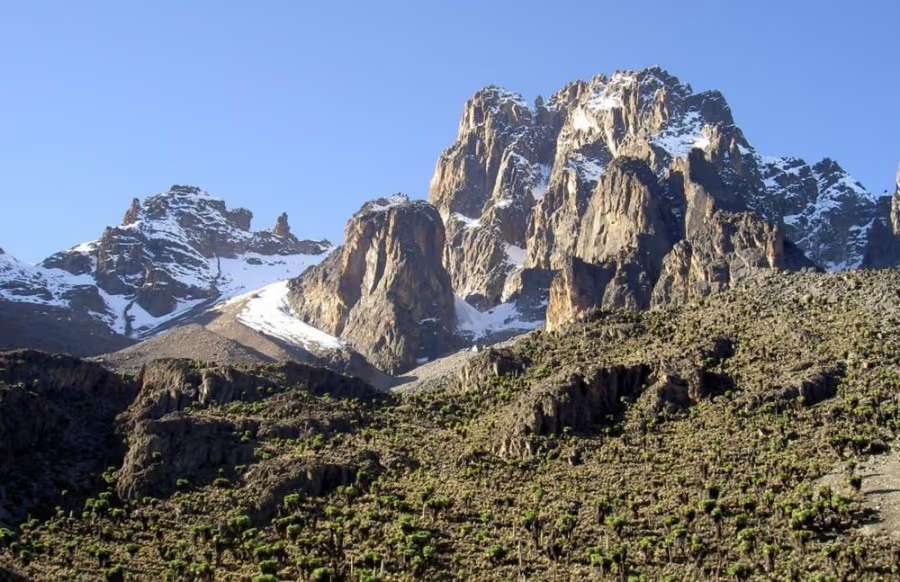
Mountain Trekking — Mount Kenya
Trekking Mount Kenya is one of East Africa's most rewarding and multi-dimensional outdoor adventures — a journey through five distinct ecological zones, from dense montane forest alive with wildlife through bamboo groves, heathland, extraordinary afro-alpine moorland, and finally the glaciated summit peaks that give Kenya its name. At 5,199 metres, Mount Kenya is Africa's second-highest mountain, a UNESCO World Heritage Site, and the sacred heartland of the Kikuyu, Meru, and Embu peoples. Three main trekking routes offer contrasting approaches: the Sirimon route on the northwest is the most gradual and recommended for acclimatisation; the Naro Moru route on the west is the most direct but steepest; and the Chogoria route on the east is universally considered the most scenically breathtaking, descending through the spectacular Hall Tarns and the giant lobelias of the upper moorland. Point Lenana at 4,985 metres — reached on the third or fourth day of a standard trek — is the highest non-technical summit and is accessible to any fit, determined trekker with proper acclimatisation. The pre-dawn summit push for sunrise views over the surrounding plains is a moment of intense personal achievement. The technical peaks of Batian (5,199m) and Nelion (5,188m) require multi-pitch rock and ice climbing skills and attract serious mountaineers from around the world, offering some of the continent's finest alpine routes.
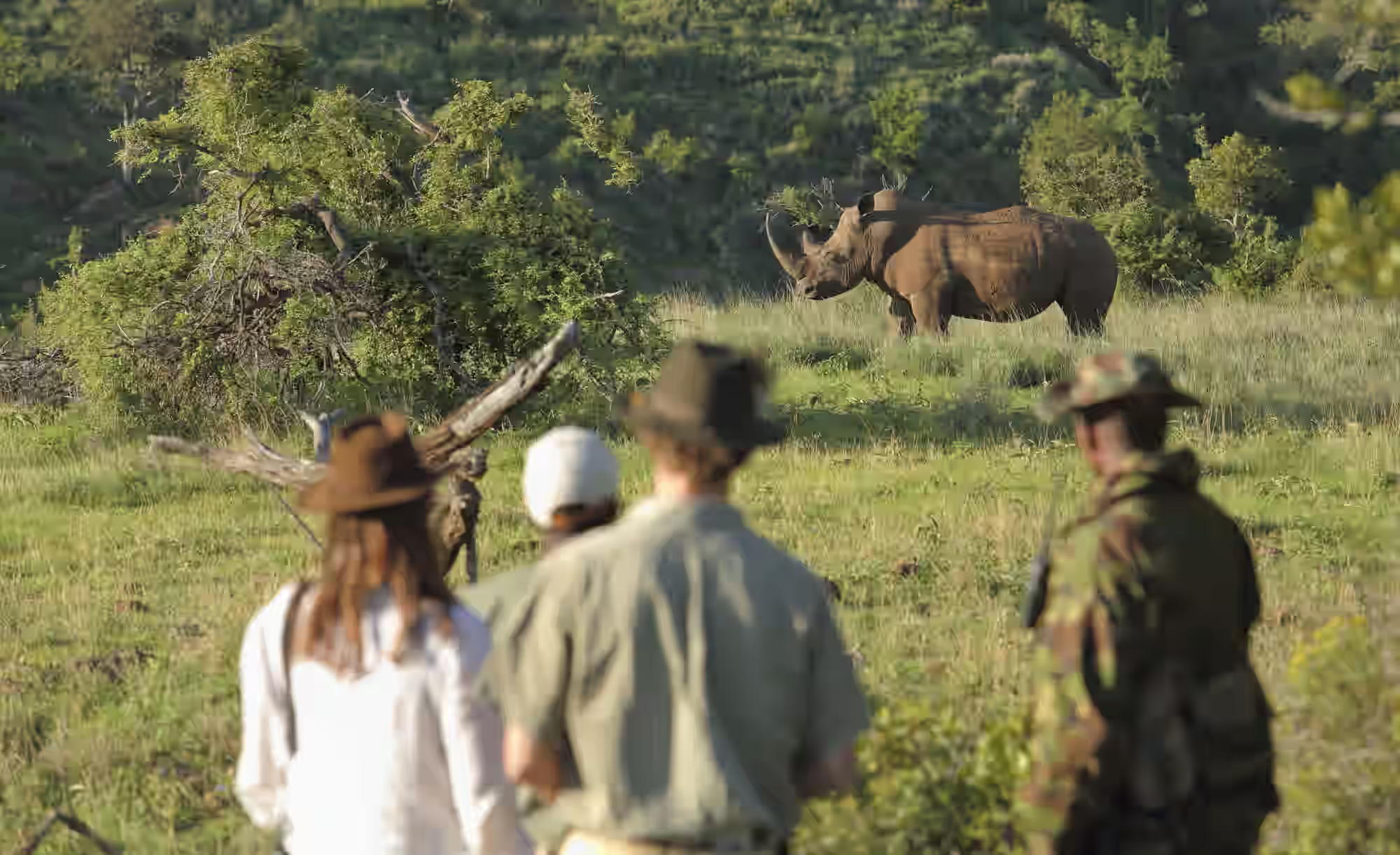
Rhino Tracking on Foot
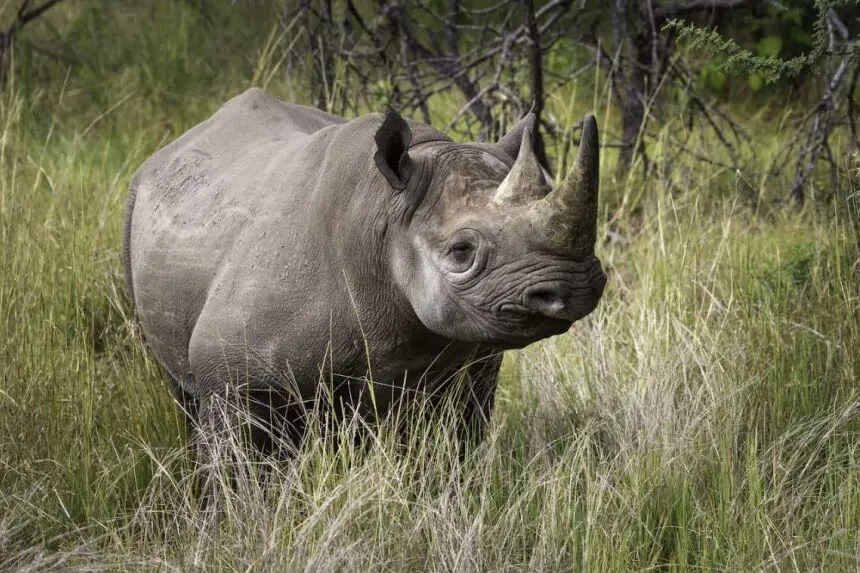
Guided rhino tracking on foot is one of the most intensely personal and emotionally resonant wildlife experiences available in Kenya — a patient, skilled pursuit that culminates in an encounter with one of the most powerful, ancient, and endangered mammals on earth. Kenya is one of the best countries in Africa for rhino conservation, protecting both black rhino (Diceros bicornis) and the more docile white rhino (Ceratotherium simum) across a network of intensively managed sanctuaries. Tracking on foot — as opposed to observing from a vehicle — fundamentally changes the nature of the encounter. With no engine noise, no vehicle between you and the animal, and the full sensory engagement of the African bush underfoot, the experience of approaching a black rhino through dense scrub at a distance of thirty to sixty metres is genuinely humbling and thrilling in equal measure. Expert trackers — many with decades of experience — read footprints, broken vegetation, dung, and body language to locate and safely approach individual rhino. Armed KWS rangers accompany every tracking group, ensuring guest safety while maintaining the integrity of the experience. At Ol Pejeta Conservancy, visitors have the unique and profoundly moving opportunity to visit Najin and Fatu — the world's last two surviving northern white rhinos — accompanied by their dedicated keepers, in an experience that confronts the visitor with the raw reality of extinction and the urgency of conservation at the most immediate human level.
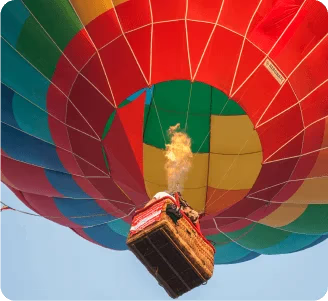
Hot Air Balloon Safari Masai Mara
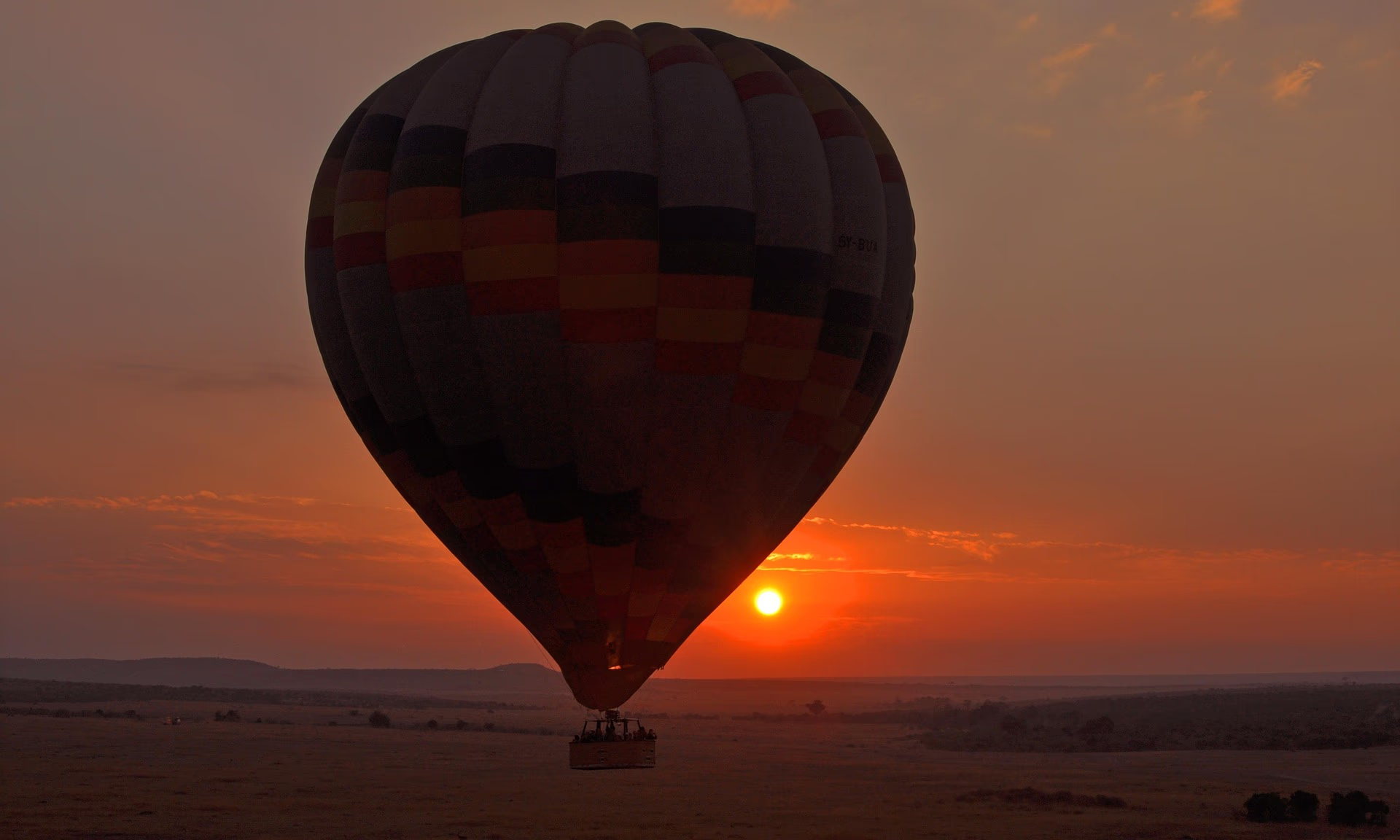
A hot air balloon safari is widely regarded as one of the most extraordinary and romantic wildlife experiences available anywhere in Africa — a seamless fusion of gentle adventure, aerial wonder, and intimate wildlife observation that transforms the Kenyan savannah into a living tapestry of colour, movement, and light. Flights depart before first light, typically around 05:30–06:00, when passengers gather at the launch site and watch the enormous balloon inflate in the pre-dawn darkness. As the sun breaks the horizon, the balloon lifts silently and majestically over the plains, drifting with the wind at heights ranging from tree-canopy level to several hundred metres. Expert pilots — licensed to Civil Aviation Authority of Kenya standards — control altitude with extraordinary precision, descending close to elephant herds, hippo pools, giraffe, and lion while passengers watch in hushed awe from the suspended basket. The perspective from above transforms familiar landscapes into something revelatory: the sinuous bends of the Mara River, the geometric patterns of wildebeest herds moving across the plains, and the golden light of an African sunrise painting the savannah in extraordinary colour. After approximately 60–90 minutes aloft, the balloon descends to a pre-arranged landing site where a fully equipped bush breakfast awaits — crisp white linen, sterling silver, champagne, and freshly prepared food served in the middle of the open savannah — an experience of theatrical luxury that has few equivalents anywhere in the world.
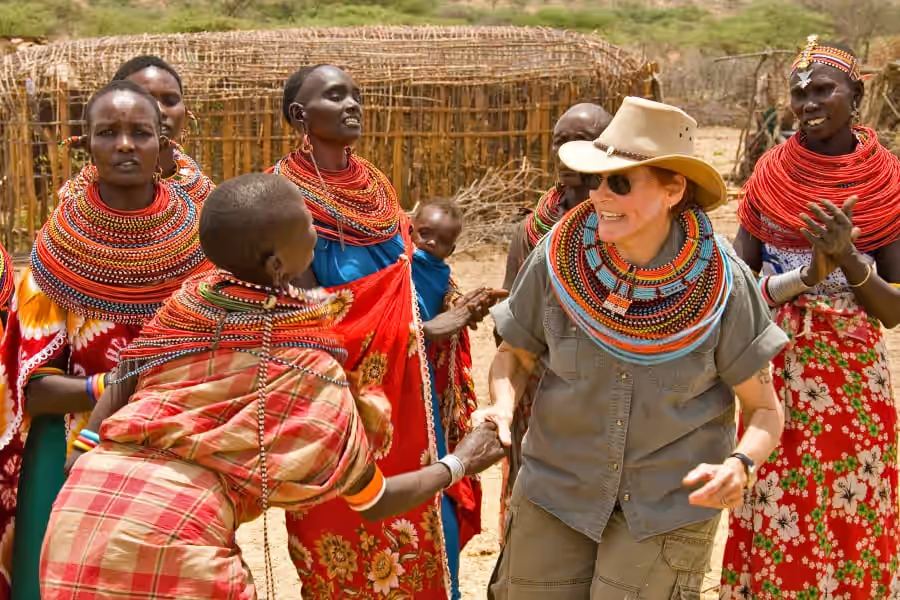
Maasai & Samburu Cultural Visits
Cultural visits to Maasai and Samburu communities are among the most personally enriching and distinctively Kenyan experiences available to international visitors — offering authentic insight into two of East Africa's most resilient, culturally sophisticated, and visually striking indigenous pastoralist civilisations. The Maasai, with their instantly recognisable red-checked shukas, elaborate multi-layered beadwork jewellery, and centuries-old traditions of cattle herding, warrior society, and age-set ceremony, are Kenya's most iconic people — inhabiting the landscapes surrounding the Masai Mara, Amboseli, Laikipia, and the Rift Valley. A well-managed Maasai village (manyatta) visit — arranged through a responsible lodge with genuine long-term community relationships — introduces visitors to the circular structure of the enkiama homestead, the interior of a traditional mud-and-dung house, medicinal plant knowledge, fire-making techniques, and the communal role of cattle in Maasai spiritual and social life. The adumu jumping ceremony — warriors competing in a rhythmic, gravity-defying vertical leap while the group chants in competitive harmony — is one of Kenya's most extraordinary cultural performances. The Samburu, inhabiting northern Kenya around the Samburu and Buffalo Springs reserves, share cultural roots with the Maasai but have developed distinct beadwork traditions, camel-keeping practices, and ceremonial dress that reflect the harsher semi-arid environment they have occupied for centuries. Both communities increasingly integrate tourism revenues into education, healthcare, and women's enterprise programmes, making cultural visits a tangible force for community empowerment.
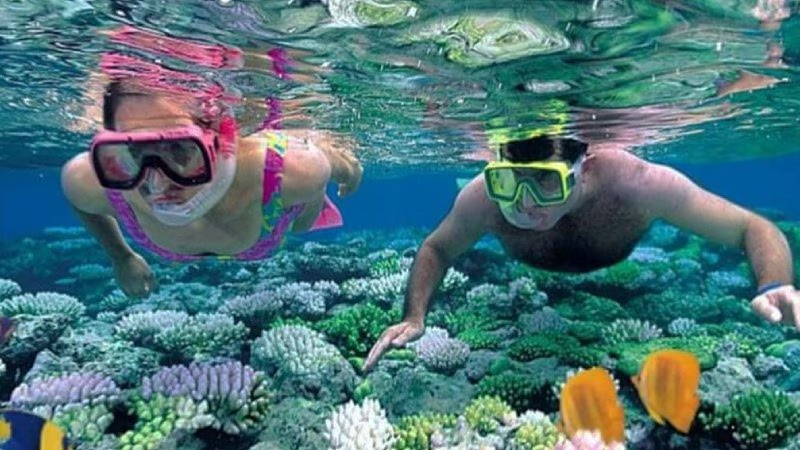
Scuba Diving & Snorkelling
Kenya's Indian Ocean coastline sits above one of the most species-rich and biologically diverse coral reef ecosystems in the western Indian Ocean — a world of extraordinary underwater beauty that remains substantially less explored and less crowded than comparable reef systems in the Red Sea, the Maldives, or the Great Barrier Reef, making it a rewarding and relatively undiscovered destination for both certified divers and snorkellers. The coastline is protected by a series of marine national parks and reserves — Watamu Marine National Park, Malindi Marine National Reserve, Kisite-Mpunguti Marine National Park (Shimoni), and Mombasa Marine National Park — that collectively protect the reef ecosystem from destructive fishing and provide the pristine conditions that make diving and snorkelling exceptional. Watamu is Kenya's premier dive destination, offering warm water (26–28°C year-round), good year-round visibility (15–25 metres on best days), and remarkable biodiversity: green and hawksbill sea turtles are resident and regularly encountered at close range; whale sharks visit seasonally from October to March; manta rays, napoleon wrasse, giant moray eels, and hundreds of coral fish species inhabit the reef. Kisite-Mpunguti on the far south coast is one of Kenya's most pristine marine protected areas, with the added attraction of bottlenose and spinner dolphin swimming excursions from Shimoni. Night dives at Watamu reveal the reef's nocturnal character — sleeping parrotfish, hunting lionfish, and phosphorescent plankton creating an unforgettable underwater light show.
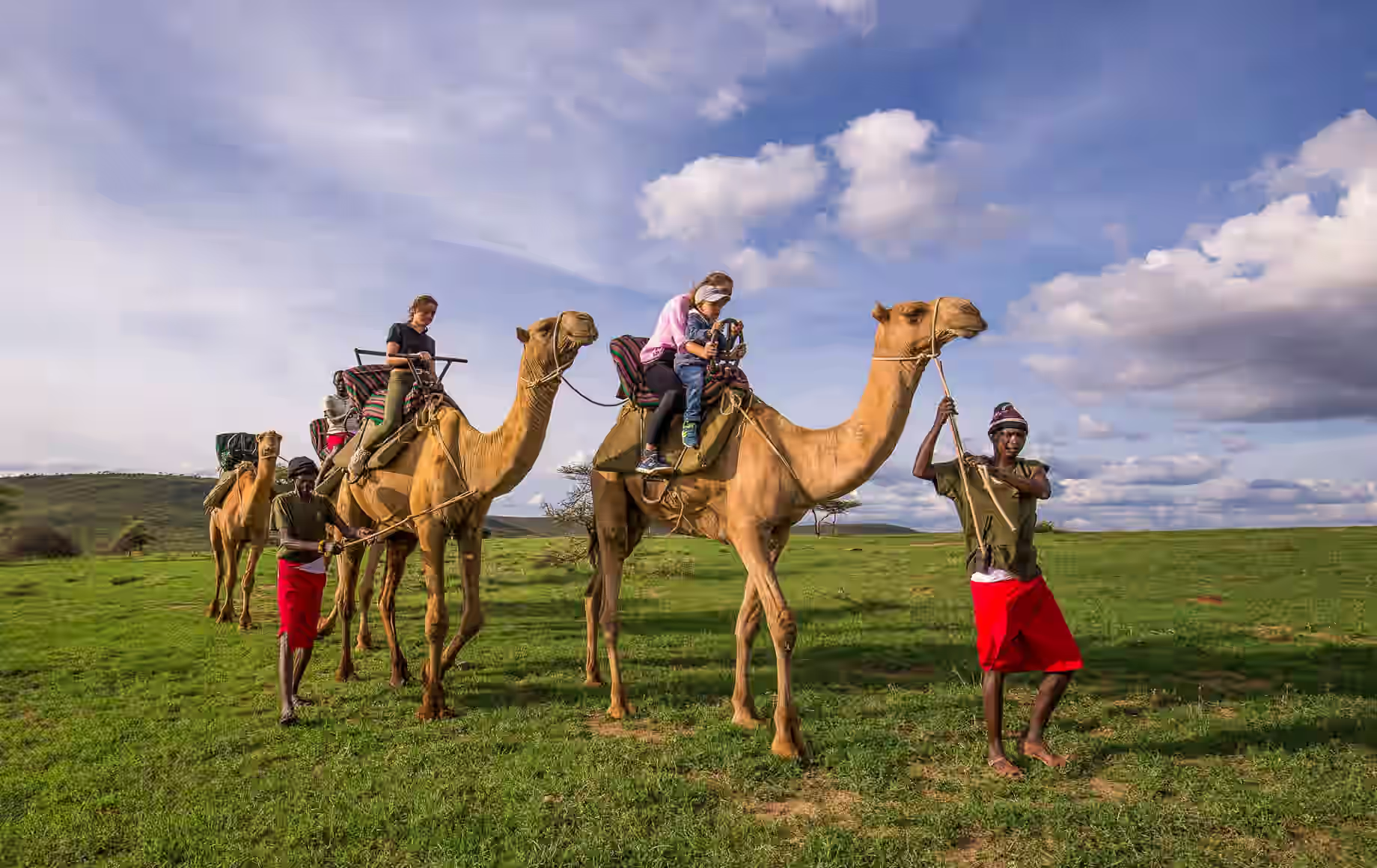
Horse Riding & Camel Trekking Safaris
Horse riding and camel trekking represent two of Kenya's most distinctive, exclusive, and experientially rich alternative safari offerings — each providing a way to move through the wilderness at a pace, proximity, and depth of immersion that no motorised vehicle can approach. Kenya's horse-riding safari tradition is among the oldest and most prestigious in Africa, with the Laikipia Plateau, Chyulu Hills, and Lewa Conservancy home to some of the continent's finest equestrian operations. Riding through the African bush on horseback fundamentally changes the relationship between safari-goer and wildlife — horses are accepted by most plains game as non-threatening, allowing riders to approach herds of zebra, giraffe, wildebeest, and even elephant at remarkably close range that would be impossible on foot or in a vehicle. Multi-day riding safaris — sleeping in luxurious fly camps in remote wilderness — represent the pinnacle of Kenya's adventure safari offering, combining the freedom of wilderness travel with exceptional hospitality, world-class horses, and landscapes of breathtaking scale and beauty. Camel trekking — offered most authentically in Laikipia and Samburu — is an equally transformative experience, moving through Kenya's semi-arid northern wilderness at the ancient, unhurried pace of a camel caravan, accompanied by Samburu herders whose knowledge of the land is generational and profound. Overnight camel expeditions, sleeping on camp beds under unpolluted stars, represent one of East Africa's most extraordinary and least replicated travel experiences.
Gallery
Climate & Best Time to Visit
The best time for wildlife viewing safaris is during the dry seasons, from January to March and July to October, when animals congregate around water sources and are easier to spot. The Great Migration in the Maasai Mara typically occurs between July and October. The coastal regions offer pleasant weather year-round, though April-June sees heavier rainfall.
Essential Travel Information
Visa Requirements
Travel Advisory
Frequently Asked Questions
Plan Your Adventure
Support
24/7 Group Support
Local Experts
Certified Guides